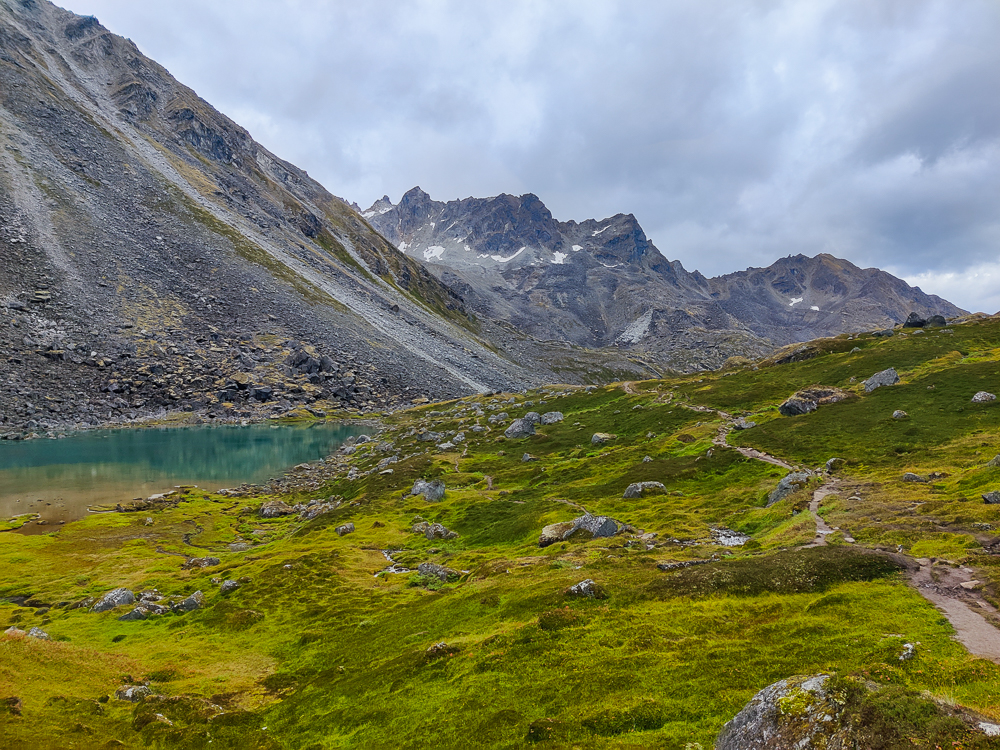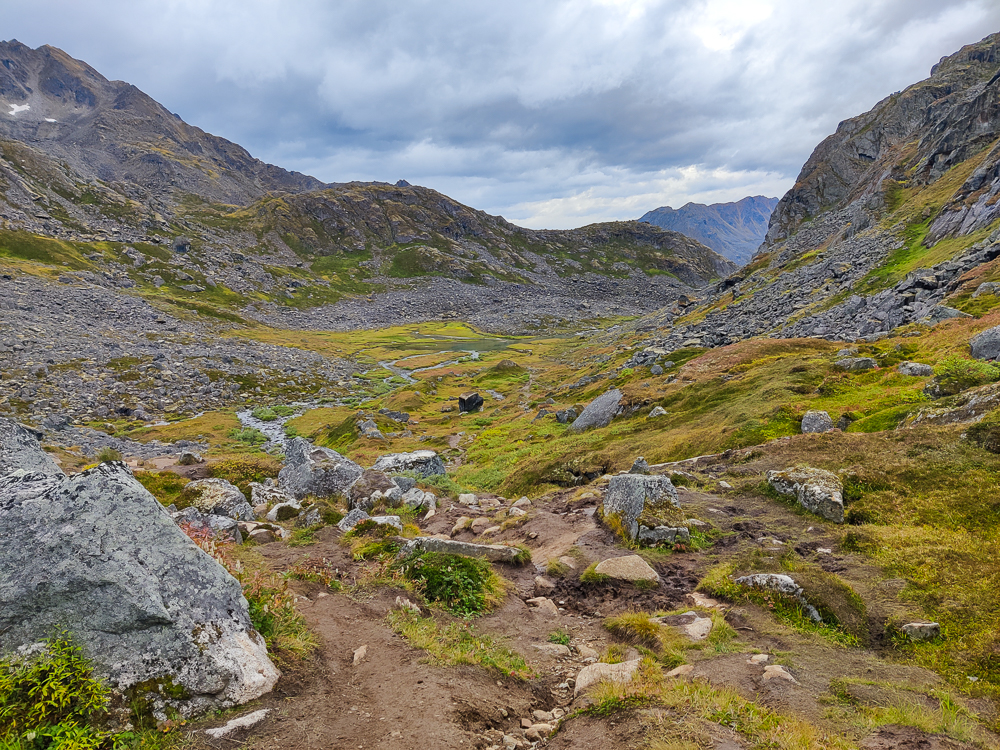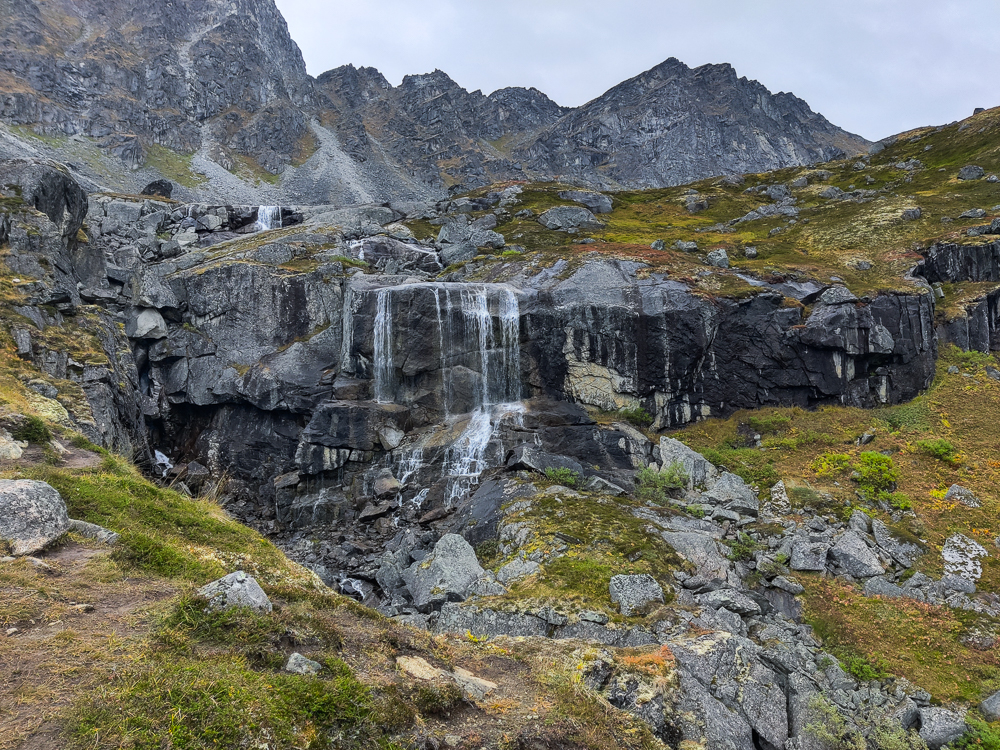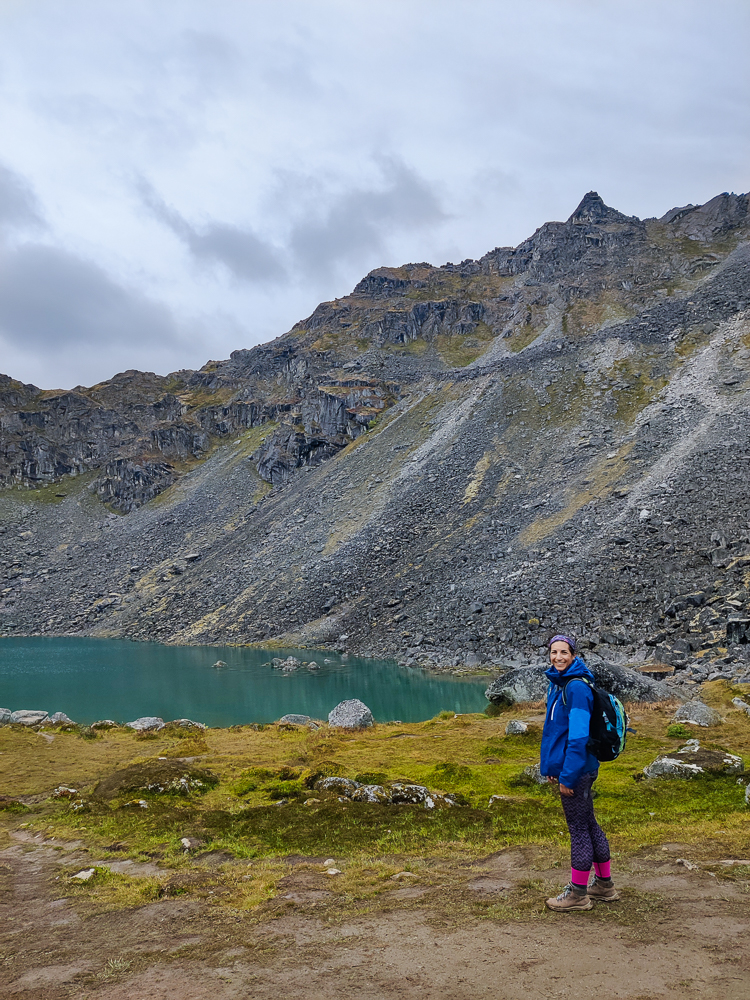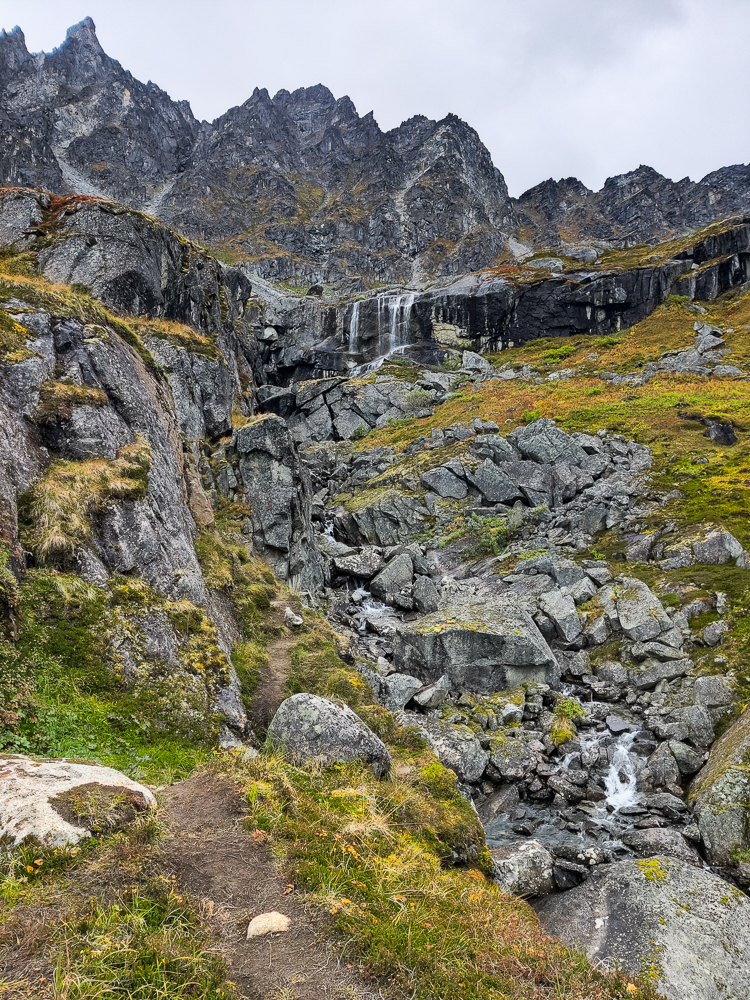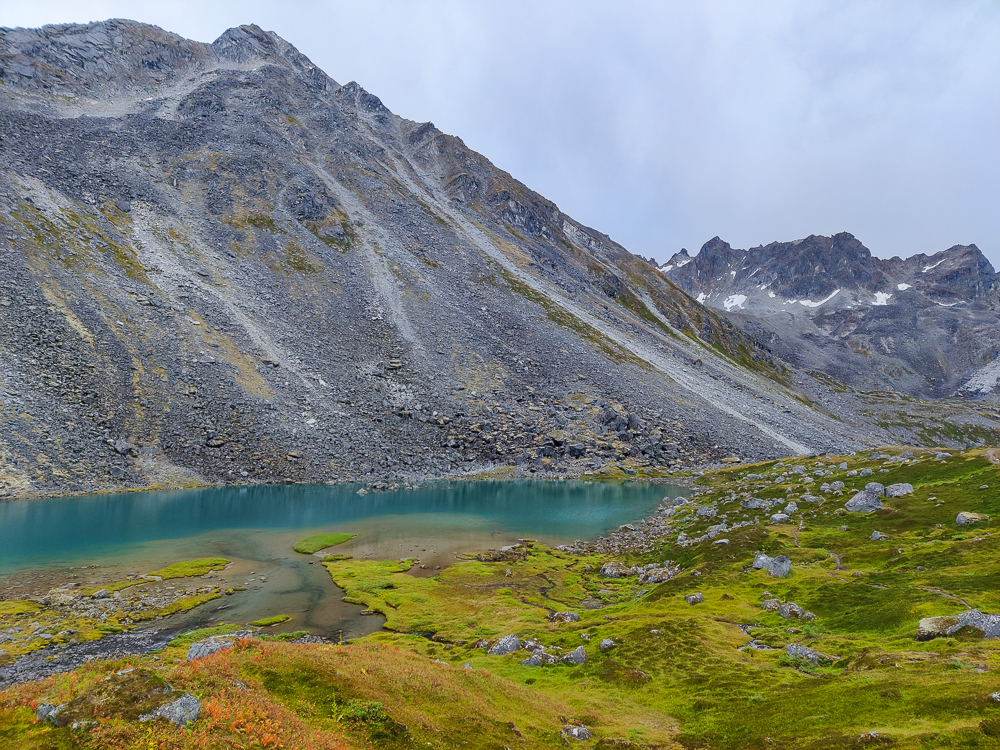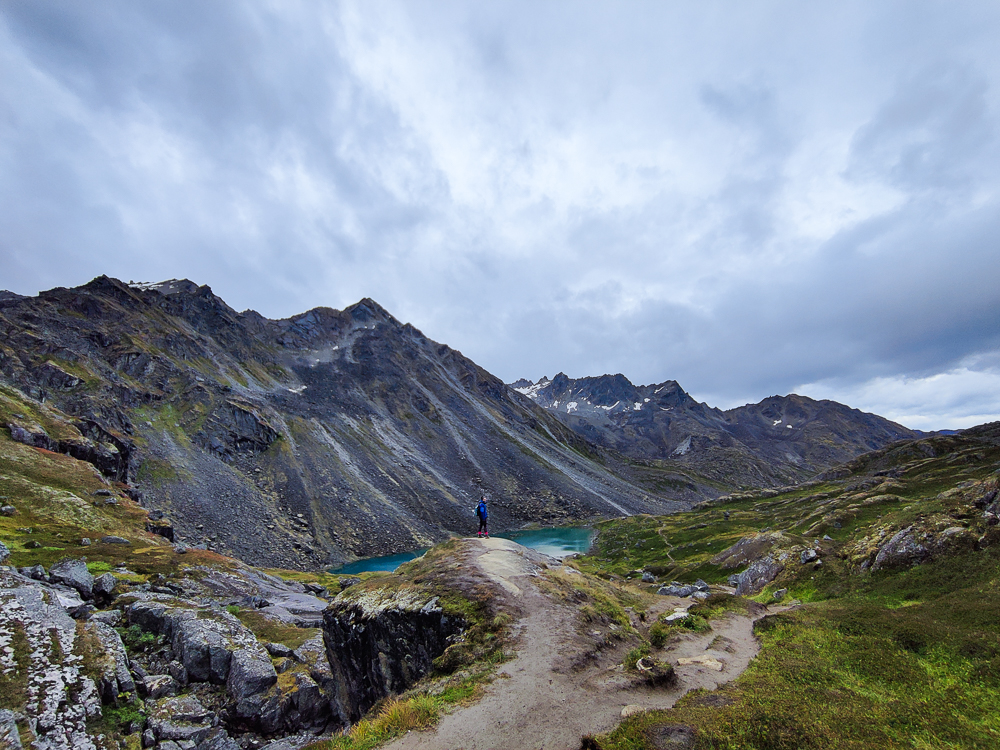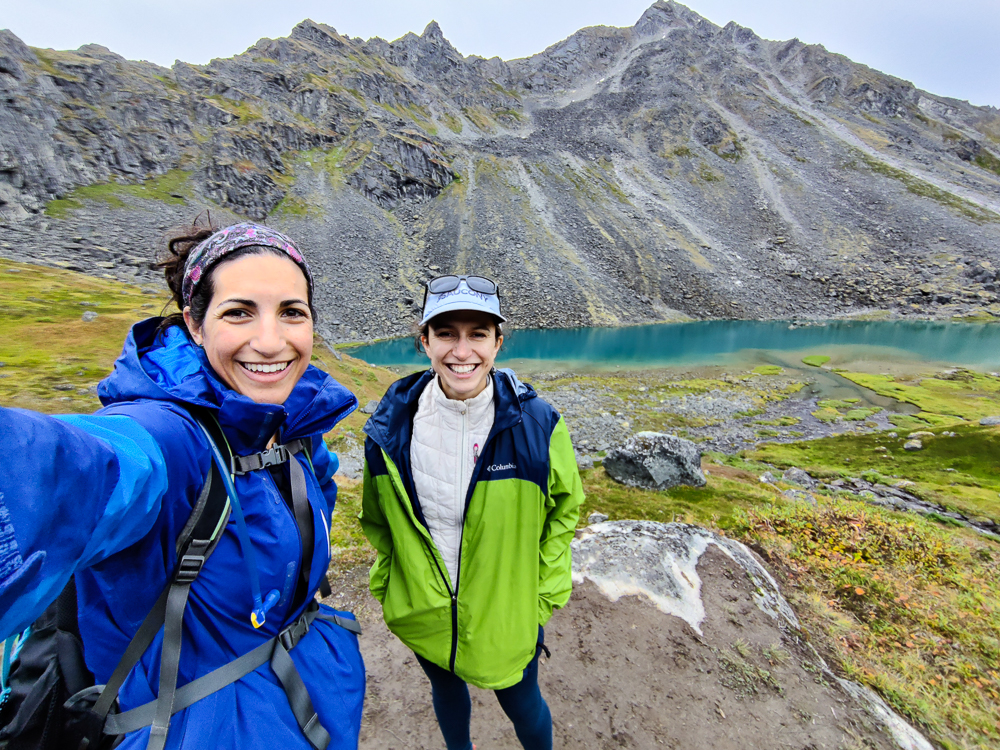
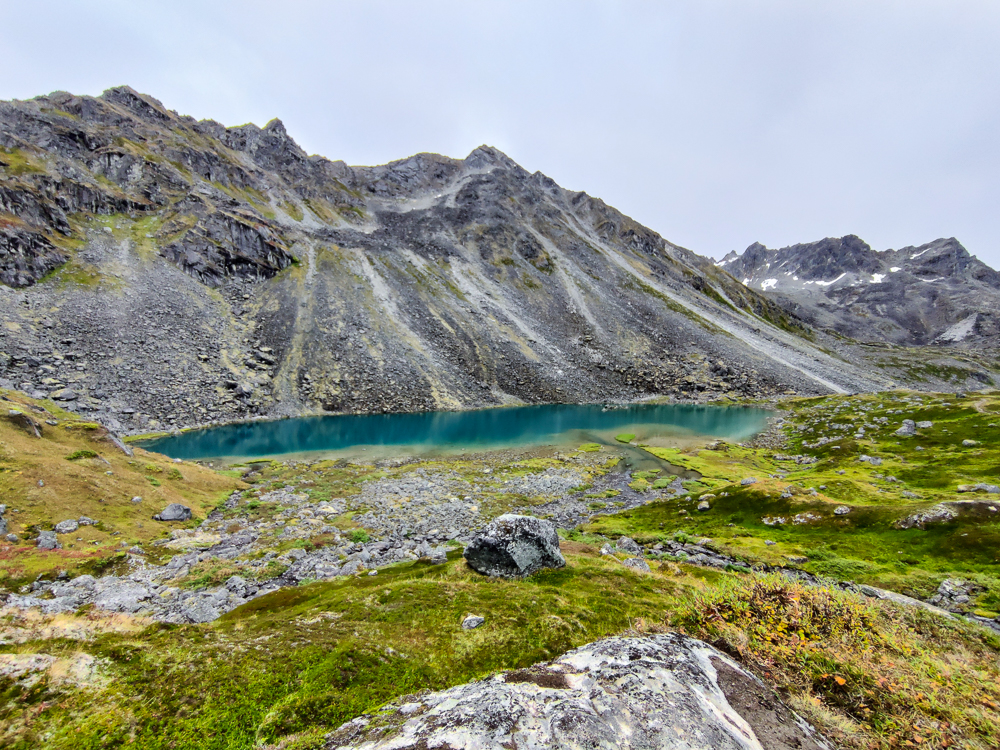
As usual, the weather was looking uncertain on one of the days we had designated for hiking. One of Olivia’s friends came over to hang out in the morning, and we were hoping that with a slow start to the day, we’d be able to get a better read on the forecast and would make our final decision at the last minute. Well. Olivia’s friend came and went, and we still couldn’t figure out if it was supposed to rain or not. We checked a few sources, and none of them matched up. One looked like it was projecting rain where we were going? But another one said that there was a very low chance of rain. We decided to go with the more favorable forecast. Why not? Worst case we’d get rained on, and it’s not like that was anything new.

Part of our eagerness to give it a go was because Olivia had been looking at photos from the hike, and it looked spectacular. We were running out of possible hiking days, and we both agreed that it was as good a day as any. Rain is always a possibility.

The hike is called Reed Lakes, and it’s near Palmer which is where the State Fair is. We drove past the fairgrounds and up into the mountains without any instances of rain… good sign, but also, the forecasted rain didn’t start looking bad until more like 4PM (we started hiking around 2). We held onto our optimism that we’d be okay.
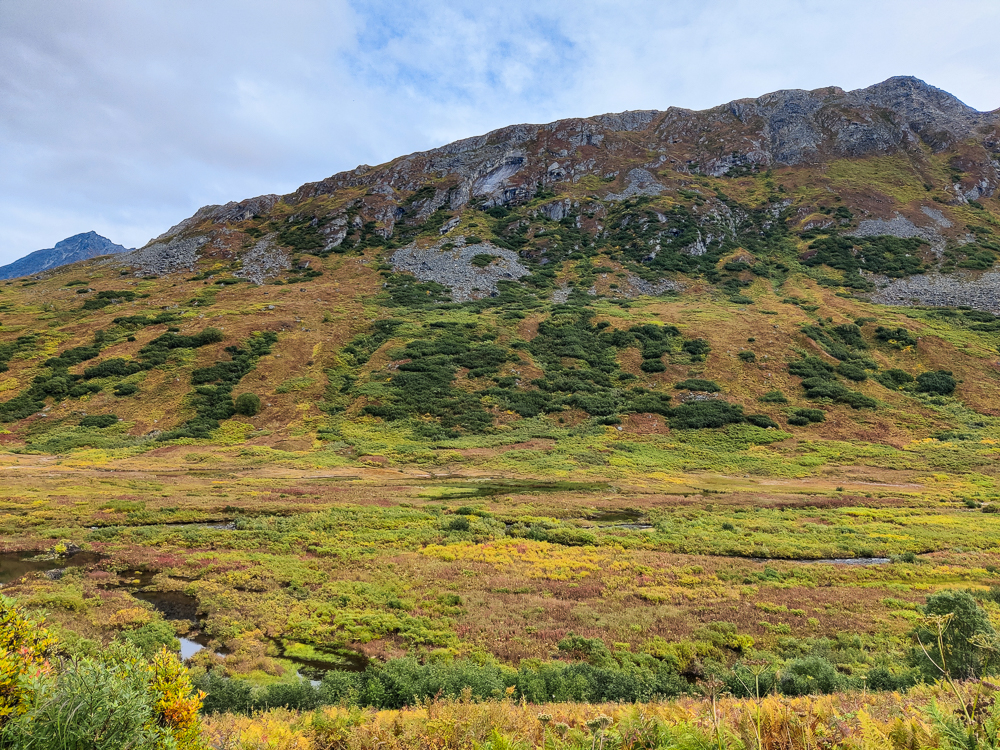
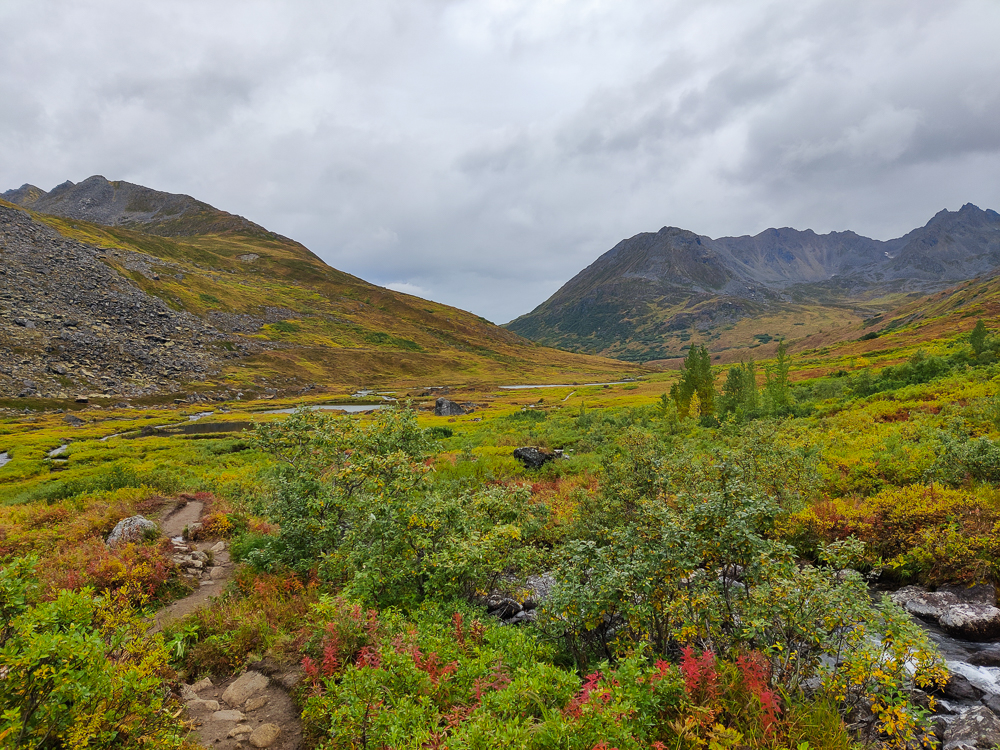
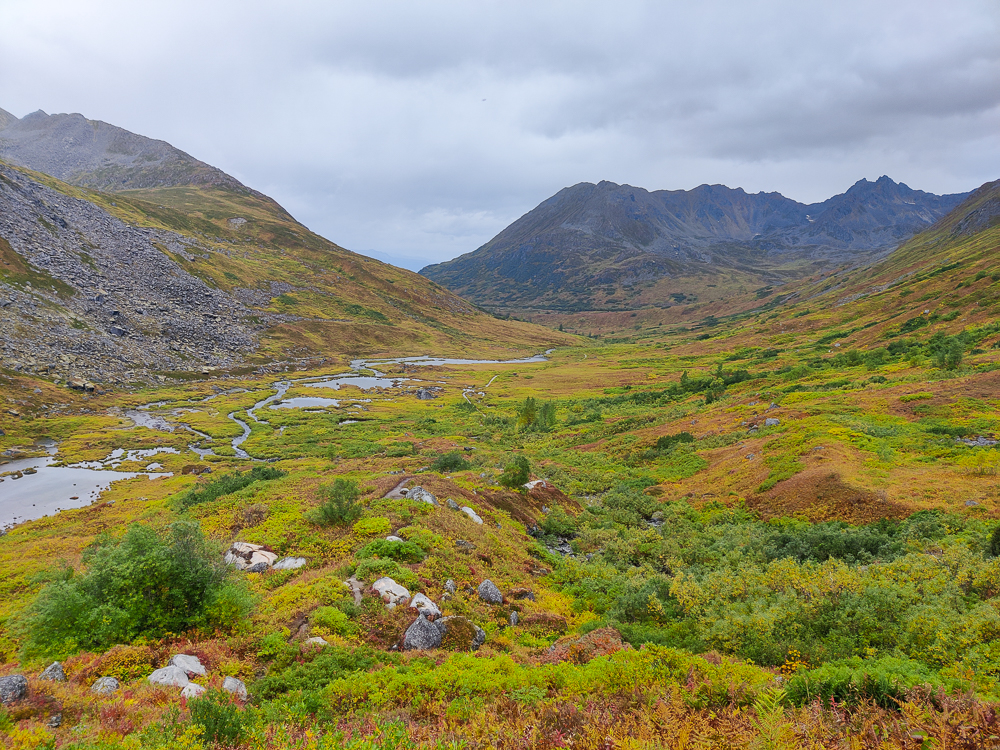
Get ready for another post full of me remarking about “THE COLORS! THE COLORS!”

Even from the parking lot, we could tell it was going to be worth it. It looked like the leaves were already starting to change up there, like fall was in full swing. It was crazy how different it looked from Anchorage, only an hour and half away. The mountains towered over us, and the colors were insane… reds and oranges and yellows and browns, plus plenty of green still. Olivia was trying to take pictures out of the window while we were driving, but she said nothing did it justice. That was kind of the vibe for the entire hike. I took SO many pictures, and I don’t think any of them are sufficient to show how incredible it was out there.
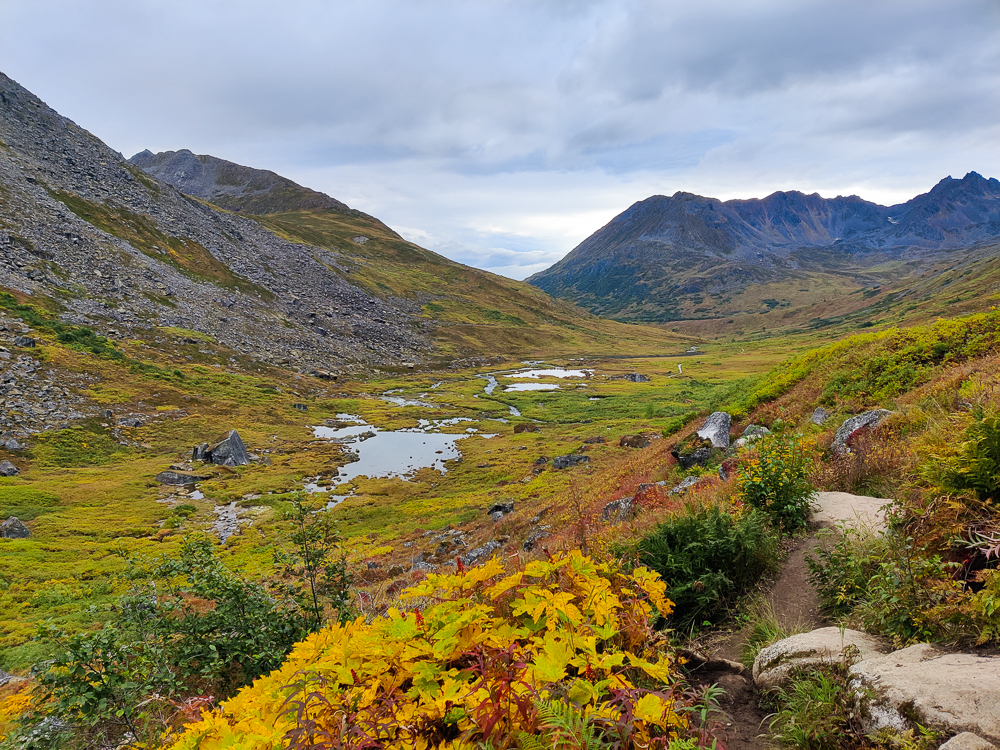
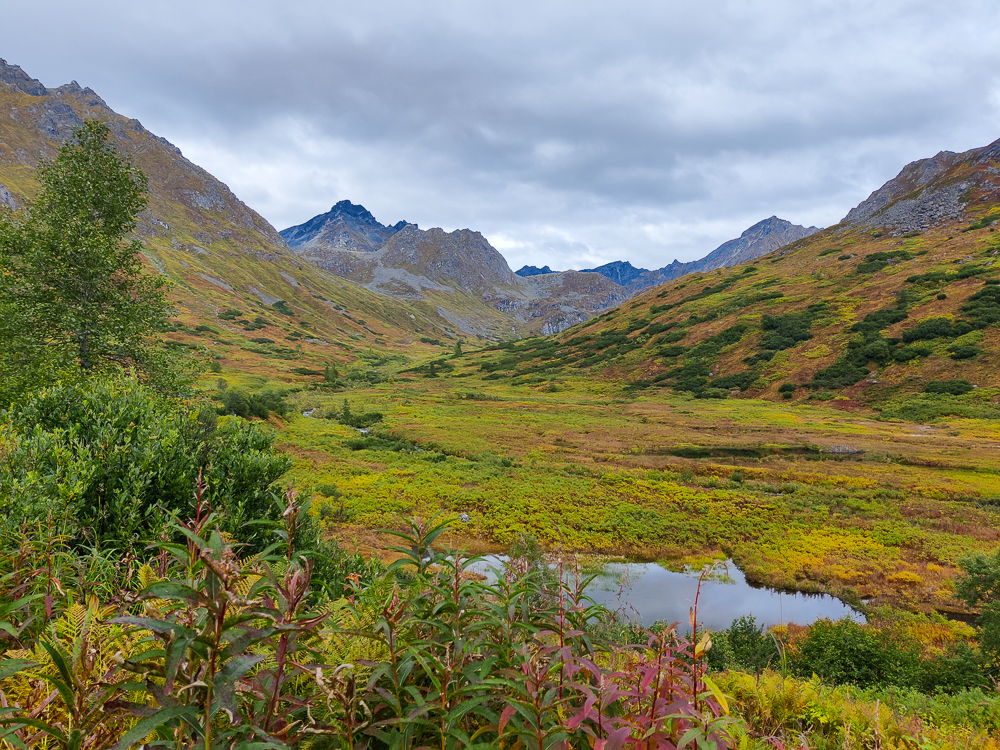
Doesn’t this look like full-on autumn?
I couldn’t get enough… and hopefully you feel the same way because there’s a lot more where this came from.

The beginning of the hike is fairly flat, and it’s on a nice, gravel path that winds through the valley alongside the river. Then, there’s a turnoff point, and that’s when the uphill and the Lara-and-Olivia-losing-the-trail begin. I’m not exactly sure why we are so bad at following trails, but I’m going to say that the blame is shared between 1. The trails: because they aren’t actually marked, 2. Our trail apps: because they’re never quite right, and 3. Olivia and me: because honestly, we’d probably get off course regardless because we’re way too busy chatting away to pay attention to something as silly as navigation.

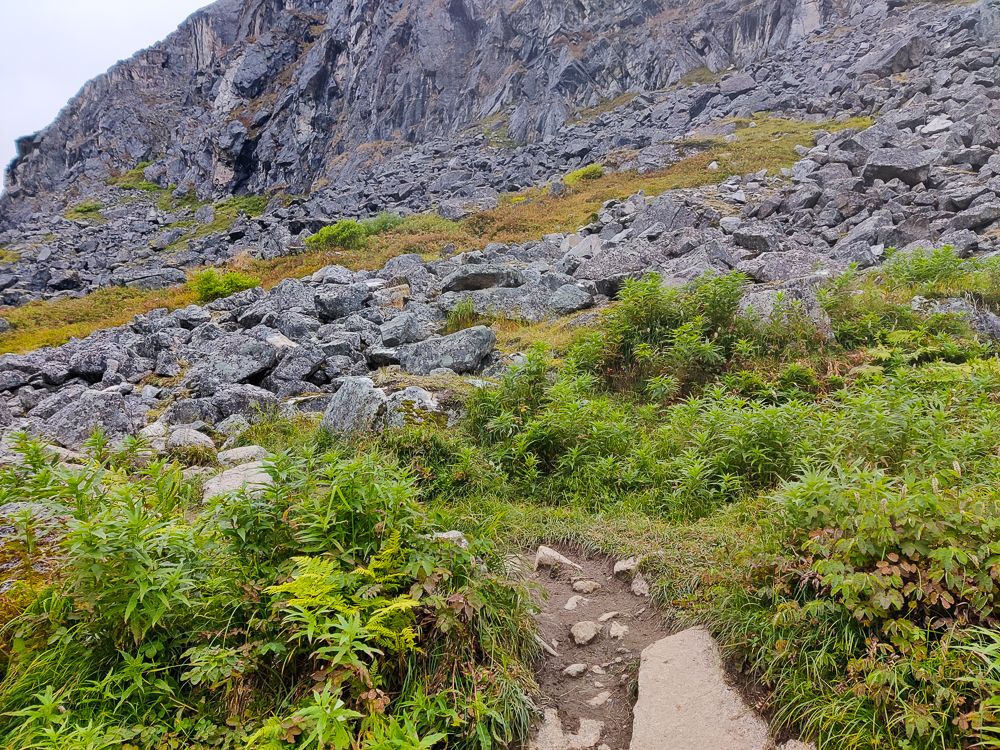
Then, this trail has a couple of additional navigation-complicating factors. There are rock scrambles (climbing over large rocks) which makes it much harder for a followable path to get worn down (stone is slightly more durable than grass). When there is grass, there are little cow paths running here there and everywhere (I don’t know if they’re really called that, and they’re definitely not formed by cows… but you know what I mean), so who knows which one is considered the official “trail”. We didn’t stand a chance.
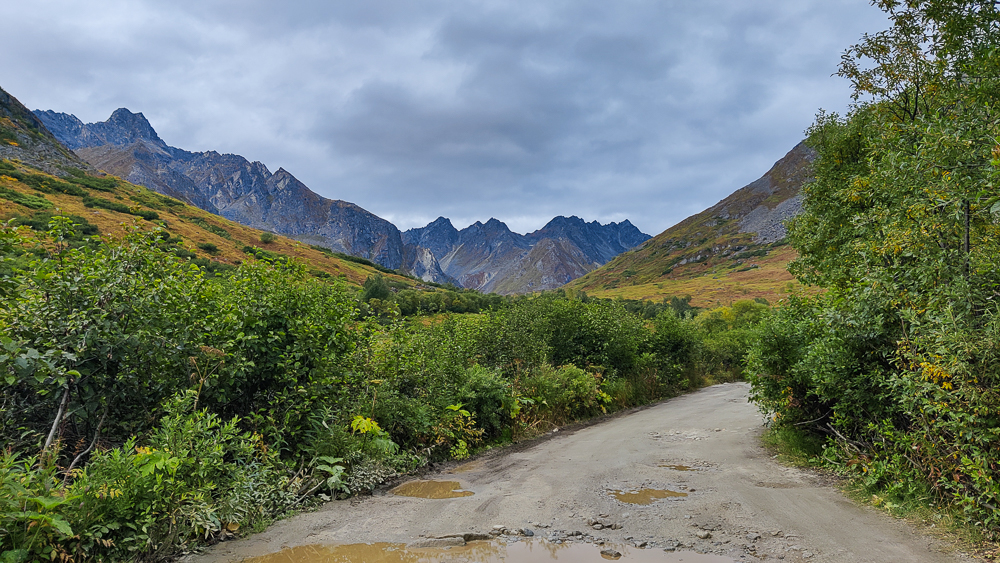
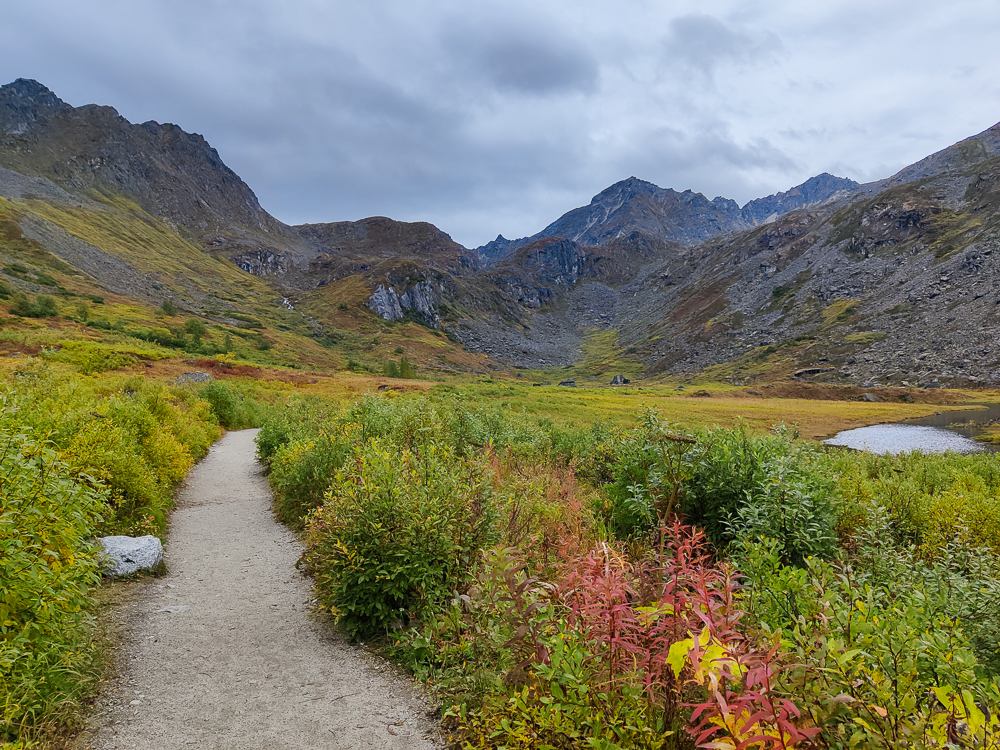
If only the whole thing was like this, we couldn’t have gotten lost if we’d tried.
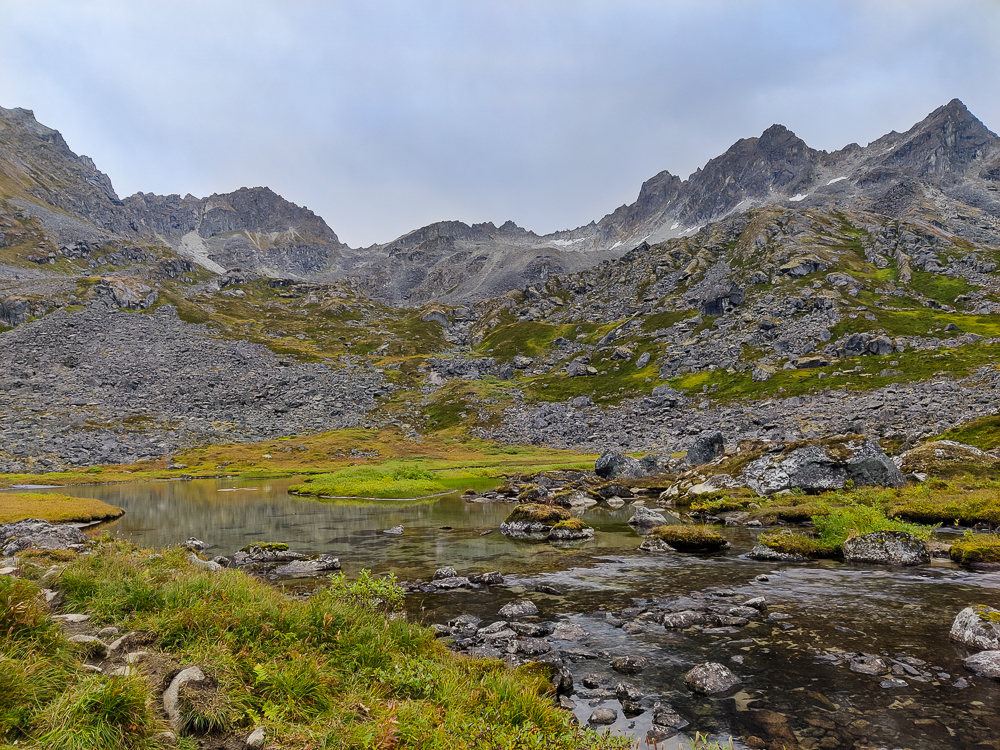
And besides the colors, how about those mountains??
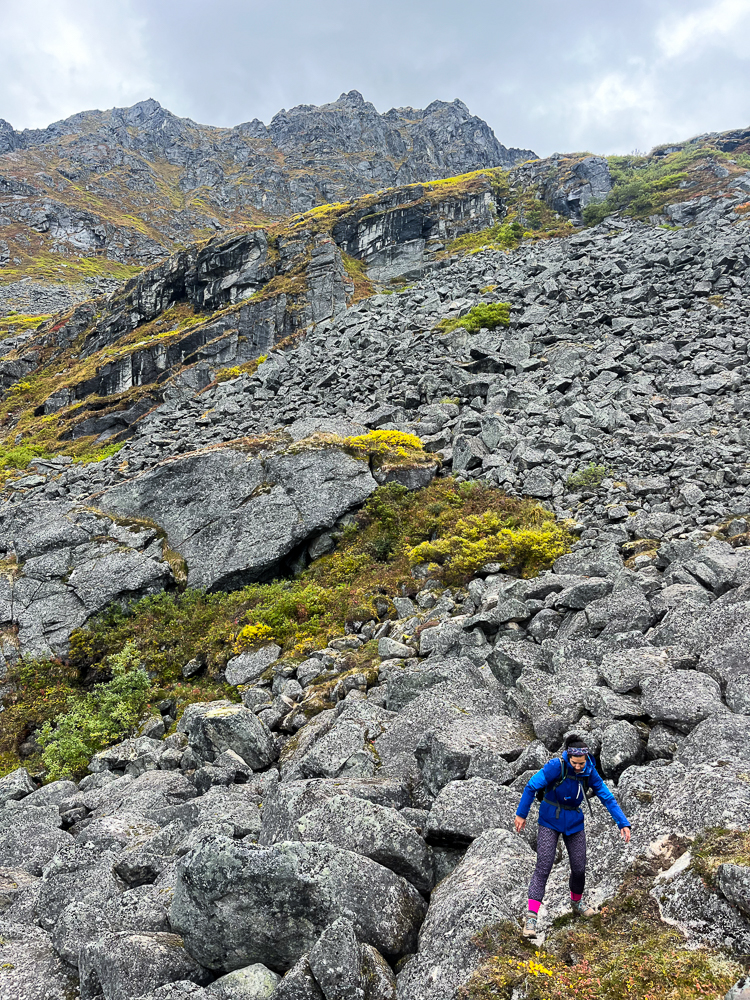
Scrambling. I’m pretty sure we were lost when this picture was taken…
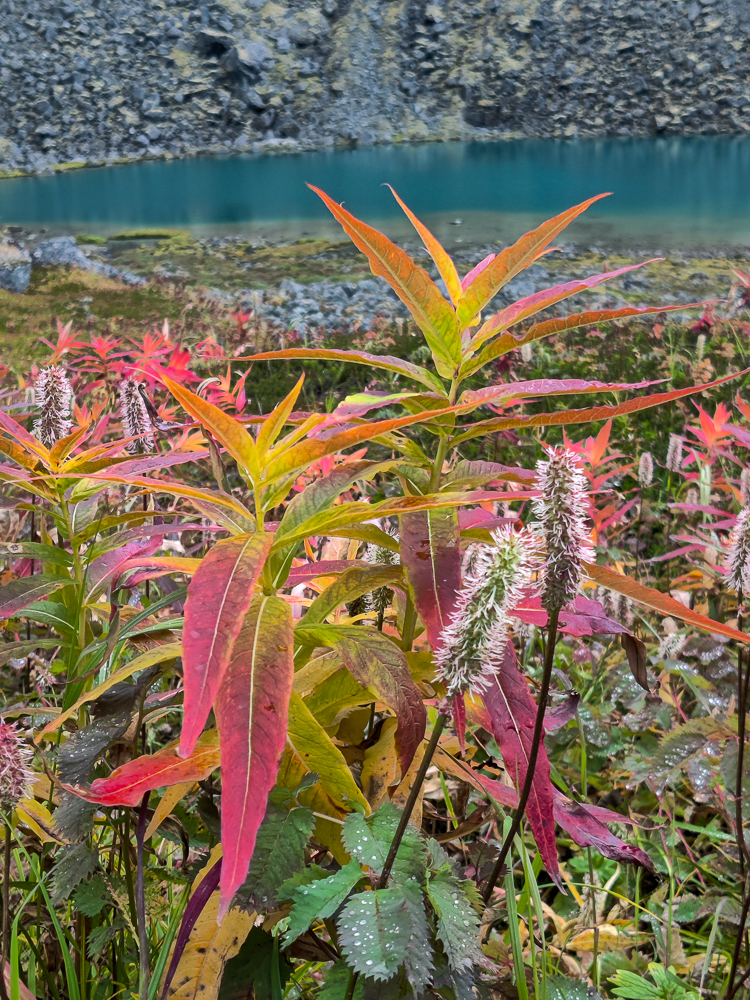
These plants are cool.
This is one of the lamest photos I took on this hike… and come on. IT’S SPECTACULAR.
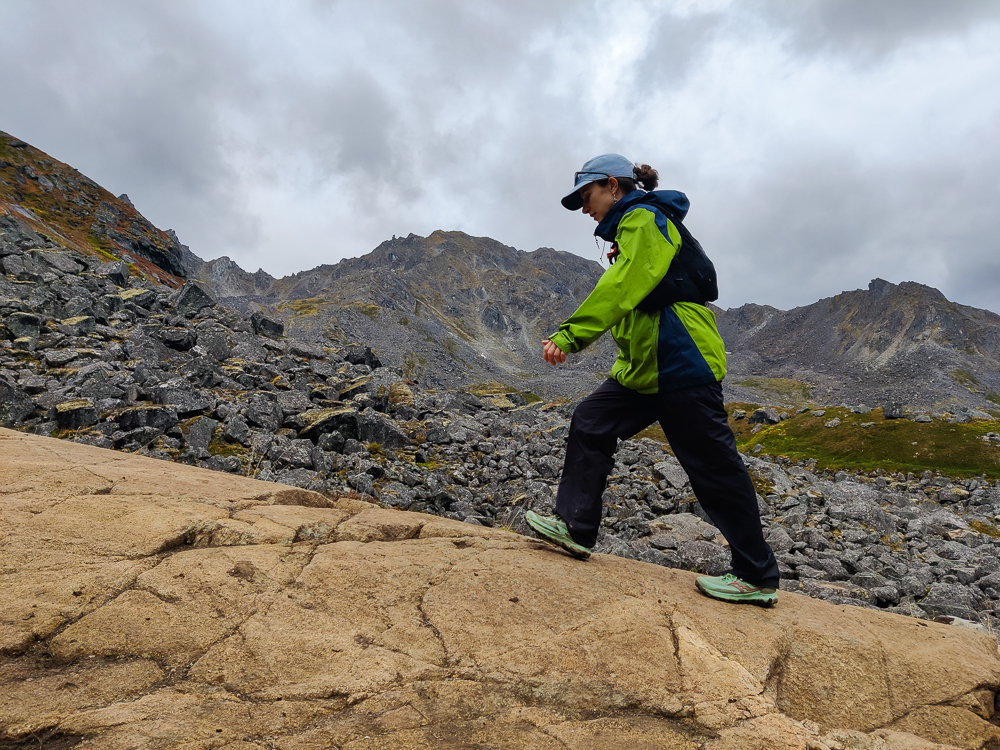
Okay, so yes, I made Olivia re-walk up this rock because I decided it would be a cool picture… but it turned out pretty well, right?

One positive about the weather forecast was that it probably scared some other people away. We saw more people on this hike than on any of the others, but that meant maybe 7 or 8 other groups over nearly 10 miles. And all of them were leaving as we were hiking in. That’s always very reassuring, especially when there’s rain in the forecast. (You’re thinking, “Are we the only idiots who didn’t decide to get an early start to avoid the weather?” and the people you’re passing are probably thinking, “These idiots are going to get soaked.”)

GUESS WHAT? We finally saw some animals!!! No bears (somewhat to my dismay… I’m not crazy, though. I was hoping for a distance bear-sighting. Like across a river or on the opposite side of a valley. But alas, we didn’t even get that). These animals were much smaller and less potentially threatening. One marmot and a few prairie dogs. They were all very cute. Some people who wrote reviews of the trail said to watch your stuff if you put it down because marmots might come for your food. Ha! They look a lot like groundhogs. So did the prairie dogs, actually. And they all make various squeaking noises. As you might imagine, this made them incredibly intimidating (not! They were adorable!).
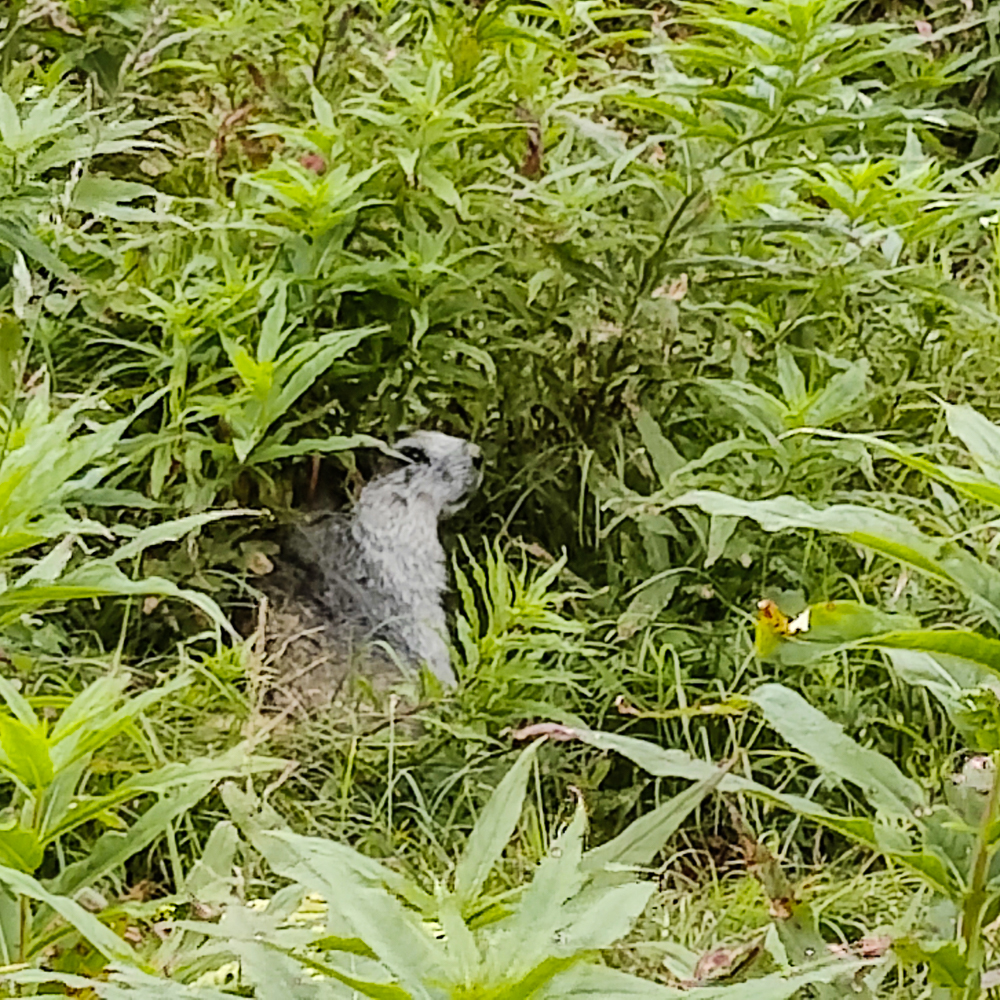
Excuse the incredibly pixelated picture… but look! It’s a marmot!!!
Can you spy our little marmot friend in this picture? He’s pretty close to smack dab in the center of the photo. If you follow the left edge of the path straight up, through the greenery, he’s right there before you hit the yellow grasses, looking off to the left. Only his head is visible.
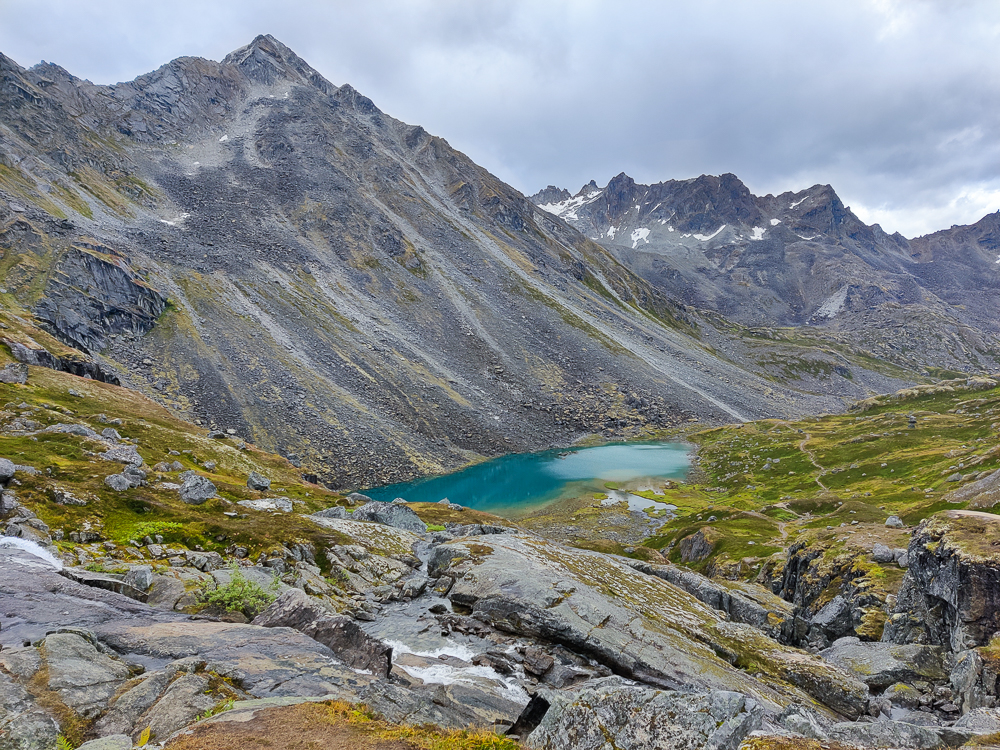
These little hills were FULL of prairie dogs (and yes, I’m going to gloss over the existence of that incredibly blue lake at the moment because we’re not talking about the lakes yet… but LOOK AT THAT INCREDIBLY BLUE LAKE!).

All in all, the hike wasn’t too bad. There was definitely some good elevation, but since so much of it was rock scrambling and walking on boulders, it was easier than just hiking uphill. I enjoy that type of terrain because it makes things a little more interesting and distracts you from the fact that you’re also going up. And we only got REALLY off course once when we realized we were on the complete wrong side of the river and had to innovate a river crossing. Not our worst, though!
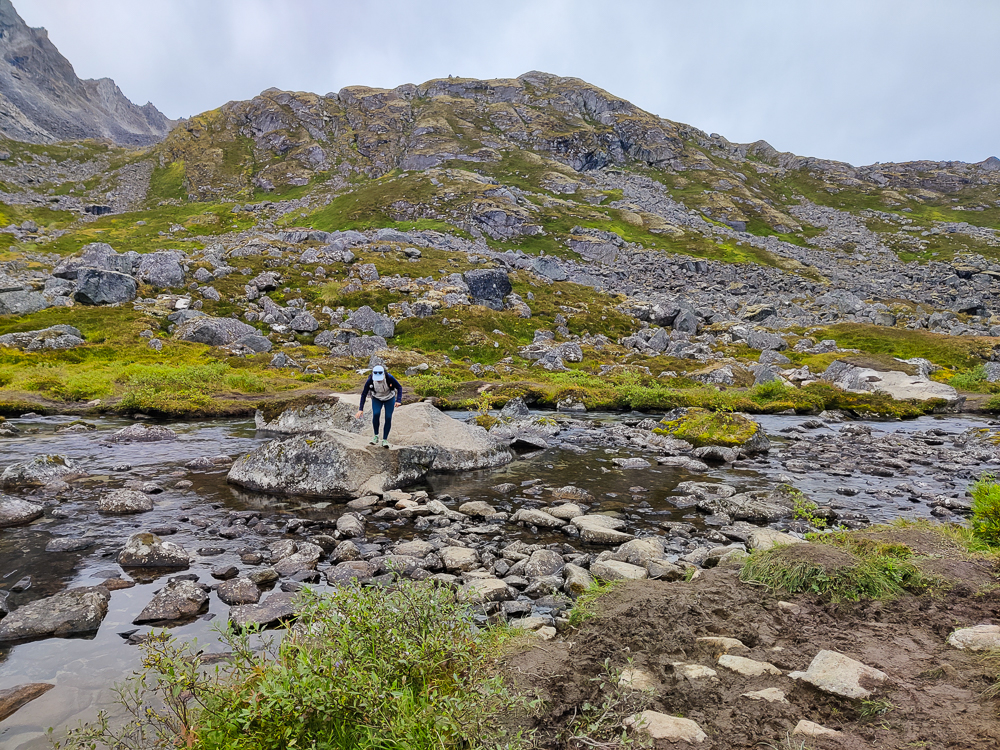
Here’s Olivia, course correcting after we inexplicably ended up on the wrong side of the river.
Just going to sprinkle this in here because I’m pretty sure I have three of nearly the exact same picture, and I can’t make myself exclude a single one.

The entire time, we were commenting on how insanely beautiful our surroundings were. I had that feeling I always get when I’m in a setting like that… like it’s so beautiful that I can’t even stand it. My heart aches out of an almost longing? Or a desperate feeling that I need to find a way to preserve it or store it so that I can keep it with me forever. I want to bottle it up and take it with me. I don’t know how else to explain it. The same thing happens to me a LOT in the fall when the leaves are changing.  I mentioned something to Olivia, and she said that sometimes when things are so beautiful, she gets almost angry. That sounds insane, but I can relate… for me, there’s a part of me that’s mad that I can’t always see it and that it won’t always be the same.
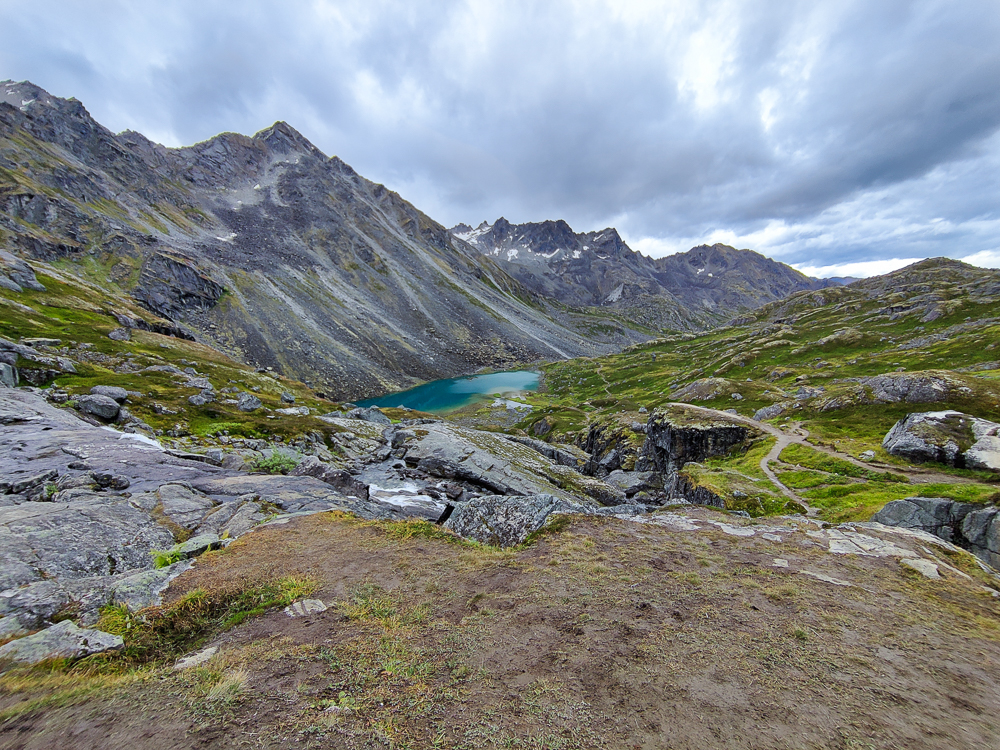
Does this not make you downright furious???
GET OUTTA HERE WITH THESE COLORS.
My heart hurts.
GO AWAY, WATERFALL!
Me with another lake that we’re ignoring for the moment.
Ugh that waterfall again!

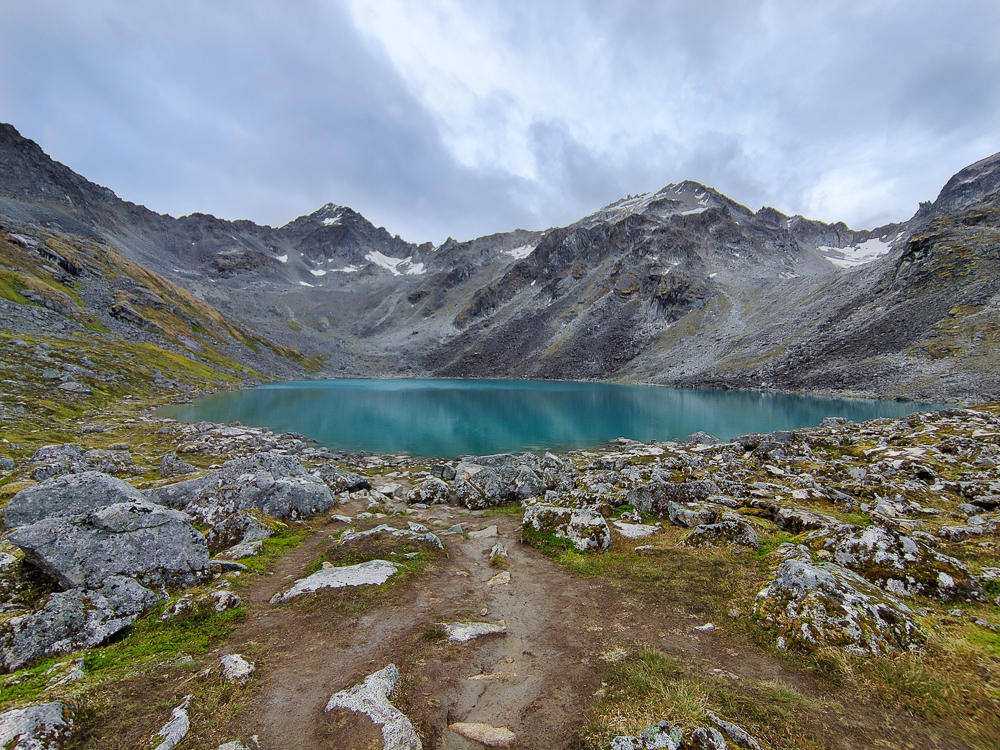
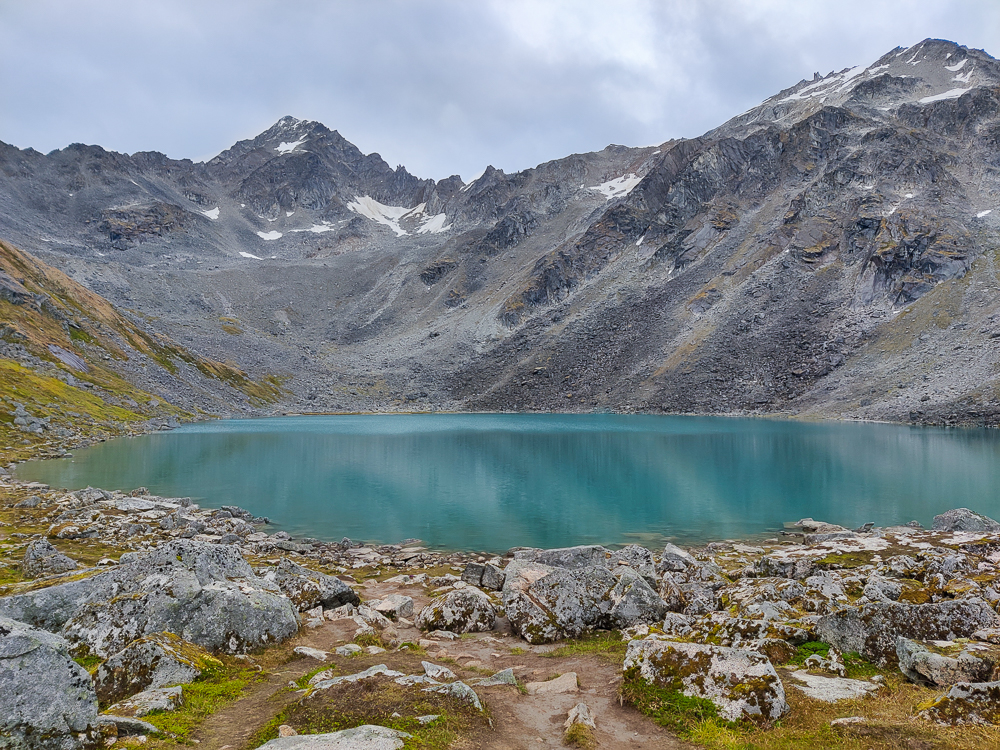
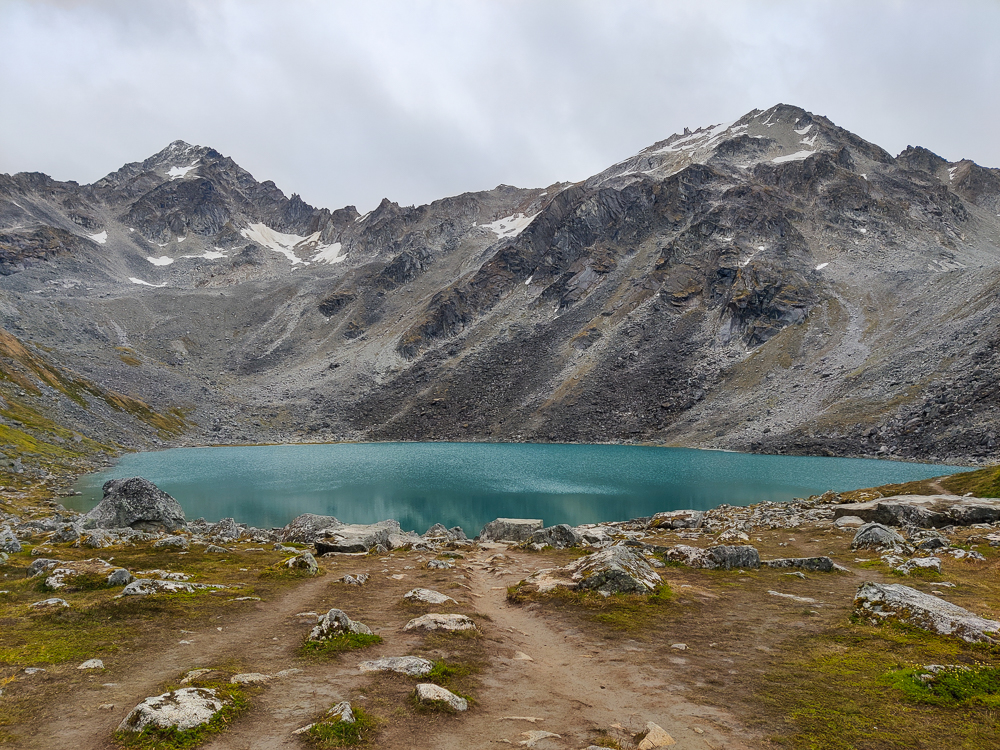
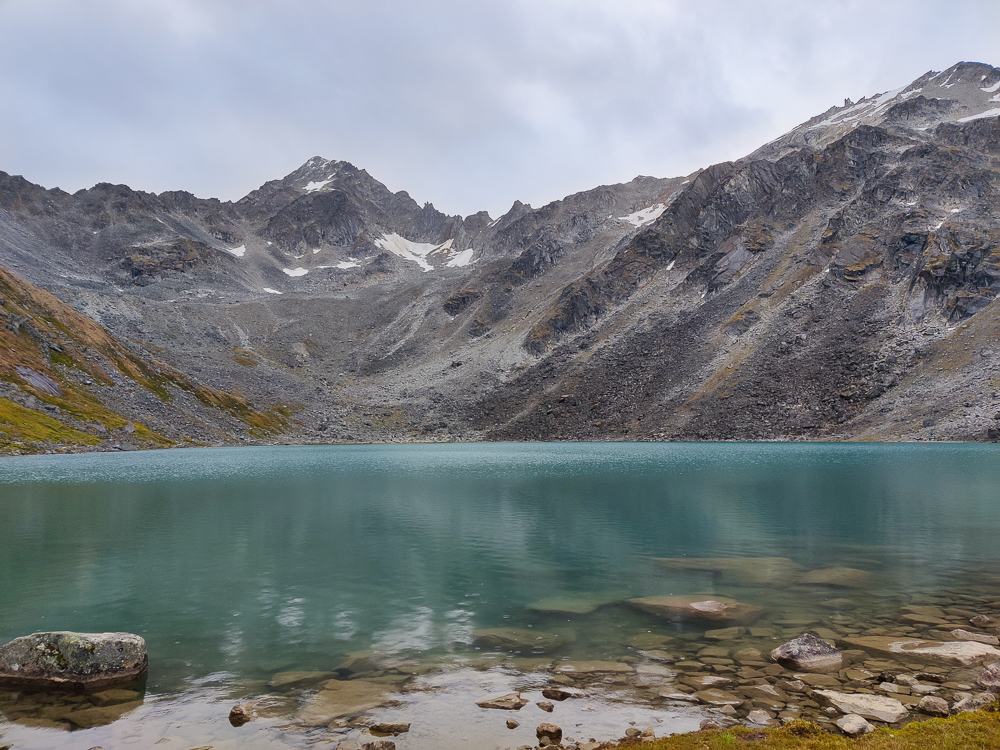
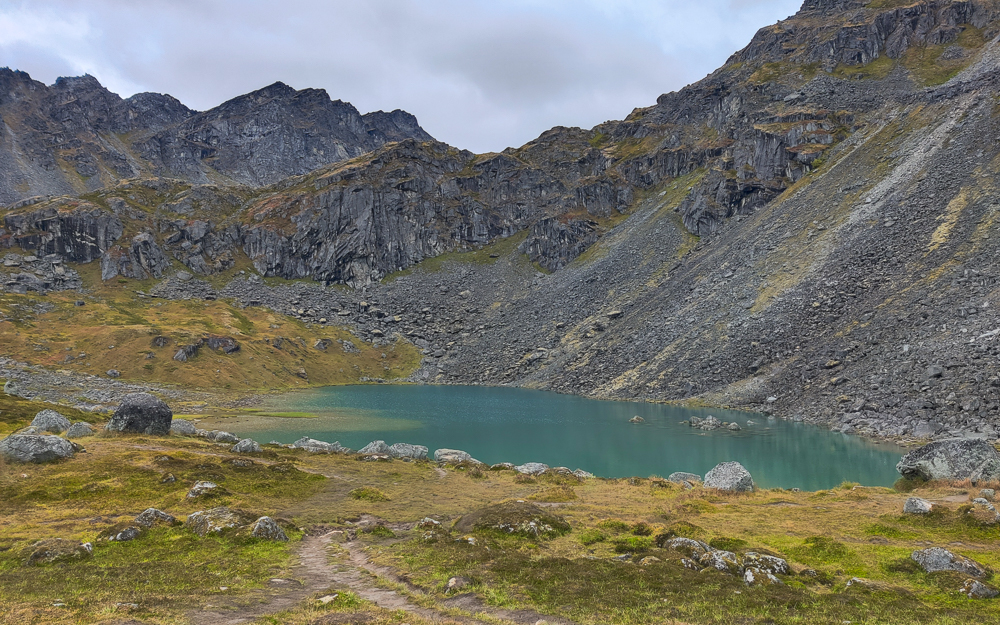
You may have guessed from the name of the hike that we got to see some lakes as well. There’s one major lake along the way (SO PRETTY), and the trail ends at another one nestled in the mountains. As you approach the end, it feels like you aren’t even close, like you’ll be hiking endlessly because there’s no final destination in sight… then, you go over a ridge, and BAM! A huge, beautiful lake comes into view.

I love hikes like that, where you really can’t get a good handle on where you’re headed until you’re there. Most hikes are straightforward. Like if you’re hiking to the peak of a mountain, you can usually pause along the way and see the view unfolding as you ascend. But with a hike with a hidden lake or waterfall or a view over a mountain or something similar, there’s no going partway and feeling like that was enough. You don’t even have an inkling of what awaits until the moment of the big reveal. Then, you turn that corner or crest that ridge, and for a moment, it’s like the world stops. “How could that have been RIGHT THERE all this time?” you think. It feels like you’re being let in on a secret.

Eventually, it’s time to go. As you walk away, it’s like you’re walking through a portal back to the normal world. The curtains close behind you, and the lake is gone without a trace.
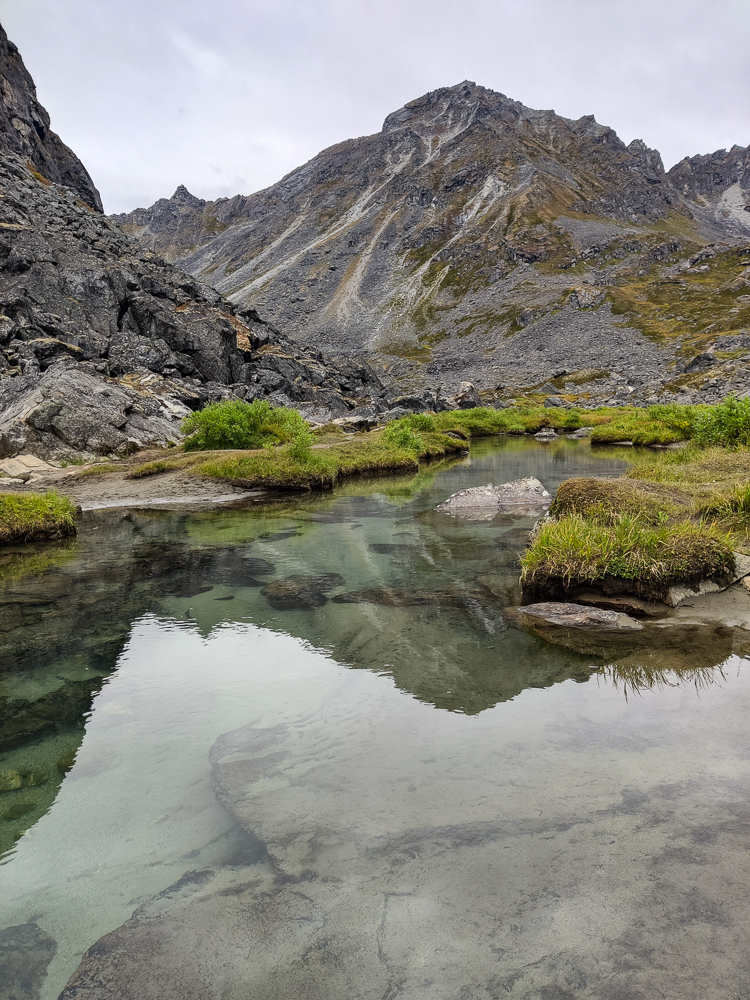
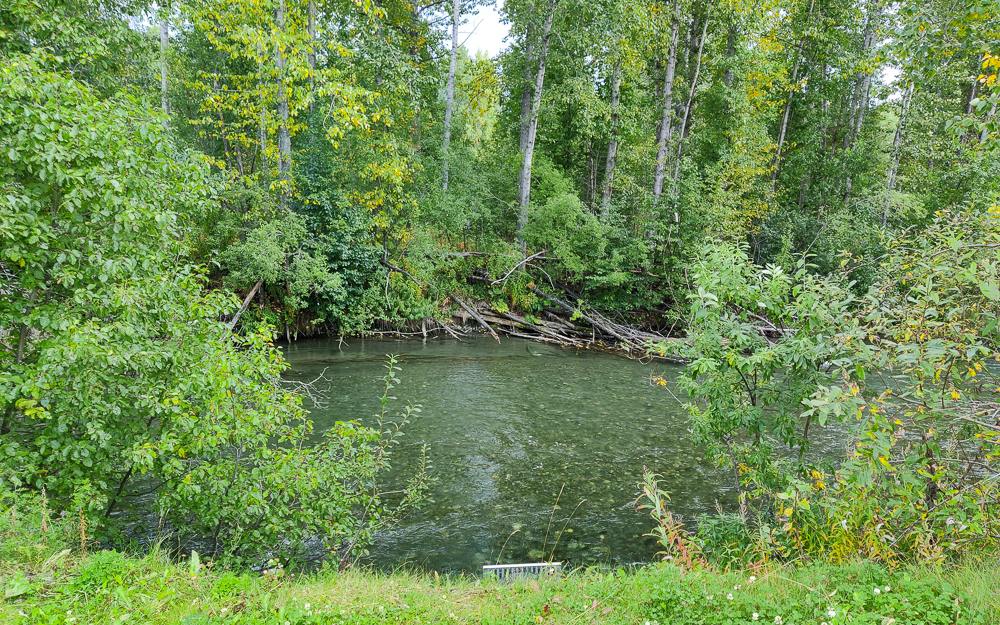
The river along the way…
Our first view of the lake along the route.
I wondered, “Is this lake just as pretty from every angle?”
AND THE ANSWER IS YES. I mean, are you kidding with this? HOW IS THIS REAL?
Spot the little tiny speck Lara.
THE HAPPIEST.
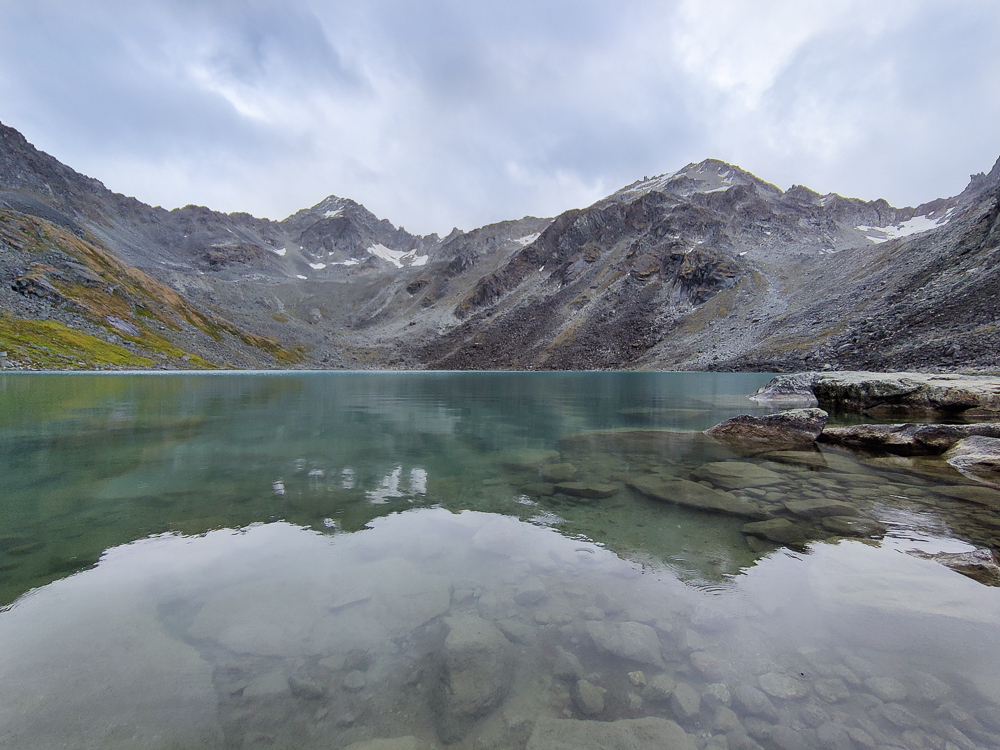
And then THIS is the final lake. I’m telling you, 50 steps away from this lake, you can’t see squat.
Look at the water! I said at the time that I wanted to swim in it, but on second thought, I wouldn’t be surprised if there was some sort of prehistoric dinosaur fish lurking in the depths… so maybe not.
But then, the water is SO clear that you’d probably be able to see any monsters, right? Sure, just in time for them to EAT you. So again, maybe not. I’ll just look from here.
And from here.
AND FROM HERE.

In general, I can’t get over how little justice the photos do to the views. We took SO many pictures, and they look amazing, yet they’re all missing something. I think it’s because a picture can’t convey that feeling of vastness surrounding you and the smallness you feel when you’re in the middle of it. As disappointing as it is to not have the ability to reproduce the beauty completely, at the same time, it’s kind of a gift. It makes it worth visiting a place even when you’ve seen it in pictures. You can show people what you saw, but a part of the experience is kept sacred, shared only between you and the other people who have been there. That’s kind of beautiful, I think.
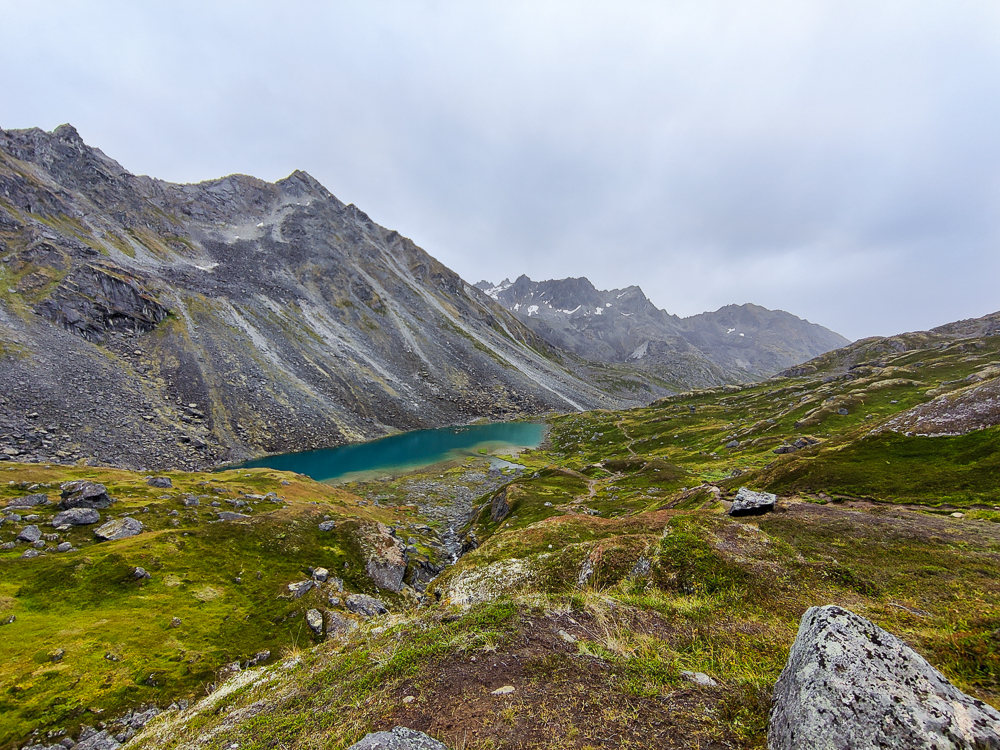
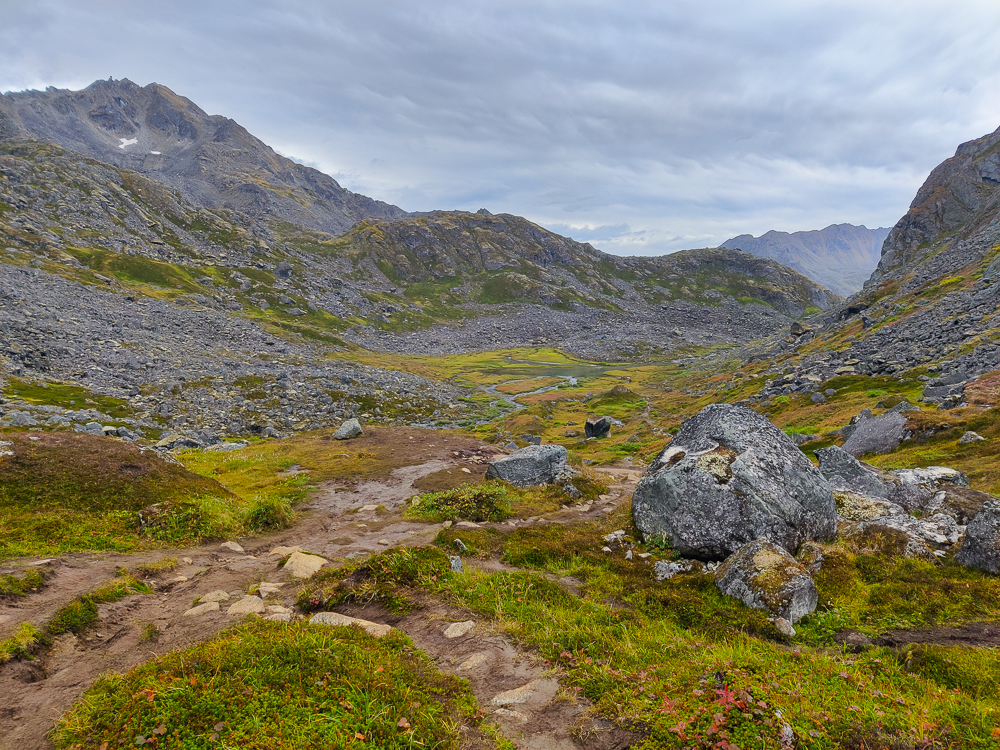
The photos are still pretty darn spectacular, though.
You’re not tired of looking at these pictures yet, are you?
I sure hope not because we’re not done yet!

We ended up getting insanely lucky with the weather. We got rained on a little, but I think it was the least of any of our big hike days. It was never very heavy, and it didn’t last very long. Thank goodness for that because we realized this would have been one of the worst hikes to do in the rain. Between the walking on rocks and the already muddy trail, we didn’t need any more slip factors entering the equation.
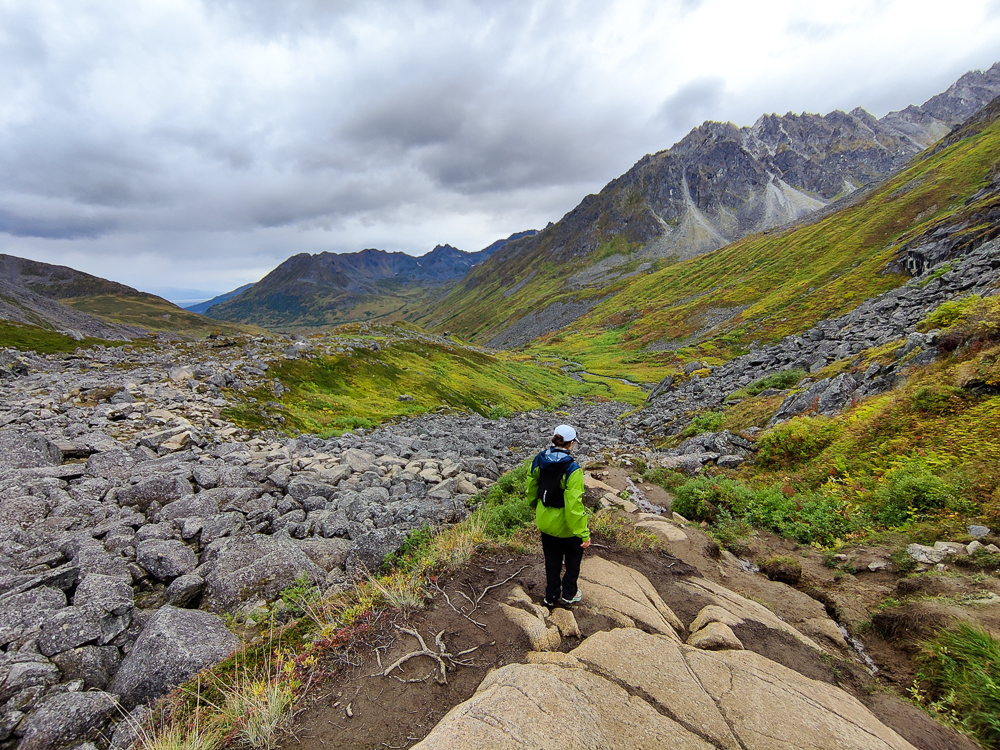
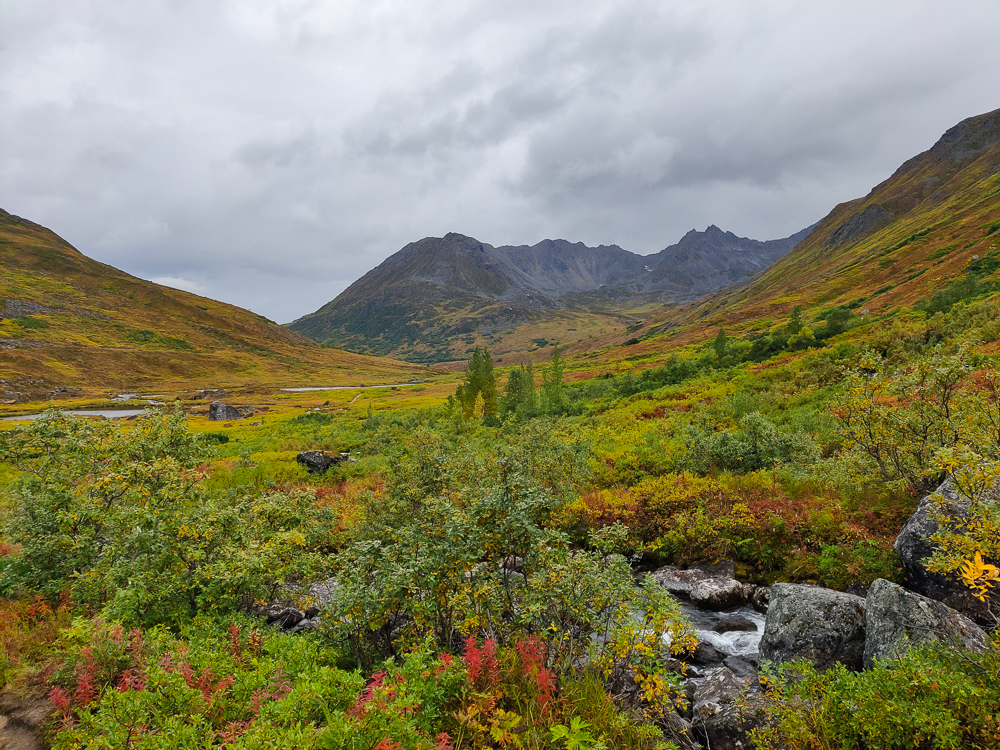
Headed out… this is actually one part of the trail where we took the same route there and back, but that’s because it’s pretty clearly marked for being a trail with no trail markers… That is literally a mud trail across the rocks.
Goodbye, beautiful valley!
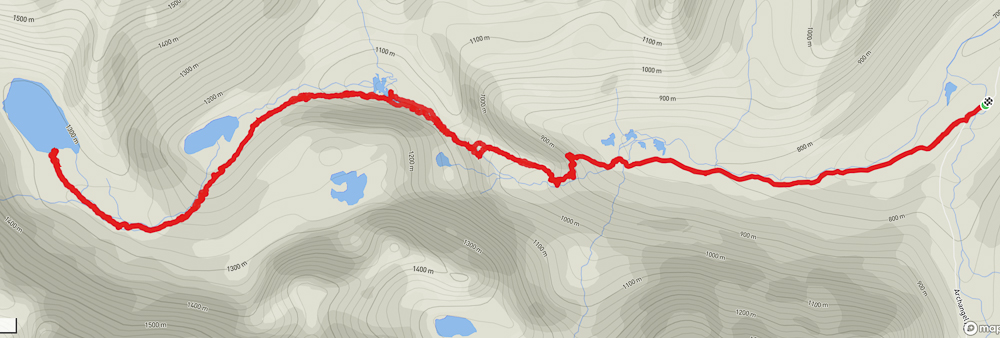
Here’s the map of our hike. We started and ended on the right side of this picture. You can see that our navigation got a little dicey there in the middle (the thickness of the line in that section shows we definitely did NOT take the same route there and back, and the little point up near that small lake is where we realized we were on the wrong side of the river… oops). And then, of course, you can see the two lakes that I took the most pictures of.

In the end, the hike was about 9.8 miles long (15.8 km) with 2,100 ft of elevation (650 m). Supposedly, according to the trail guides, it’s an 8.6 mile hike, but that’s apparently not what we did. I can’t imagine we added a full mile with our wanderings, though. That would be crazy. The most sensible conclusion is that the guides are wrong.

ANYWAY. Needless to say, we were drained but happy when we got back to the car. We had about an hour and a half drive back to Anchorage, and Olivia’s mom was once again the hero of the night. We got back to the house around 9, and dinner was waiting for us. Moms are the best.
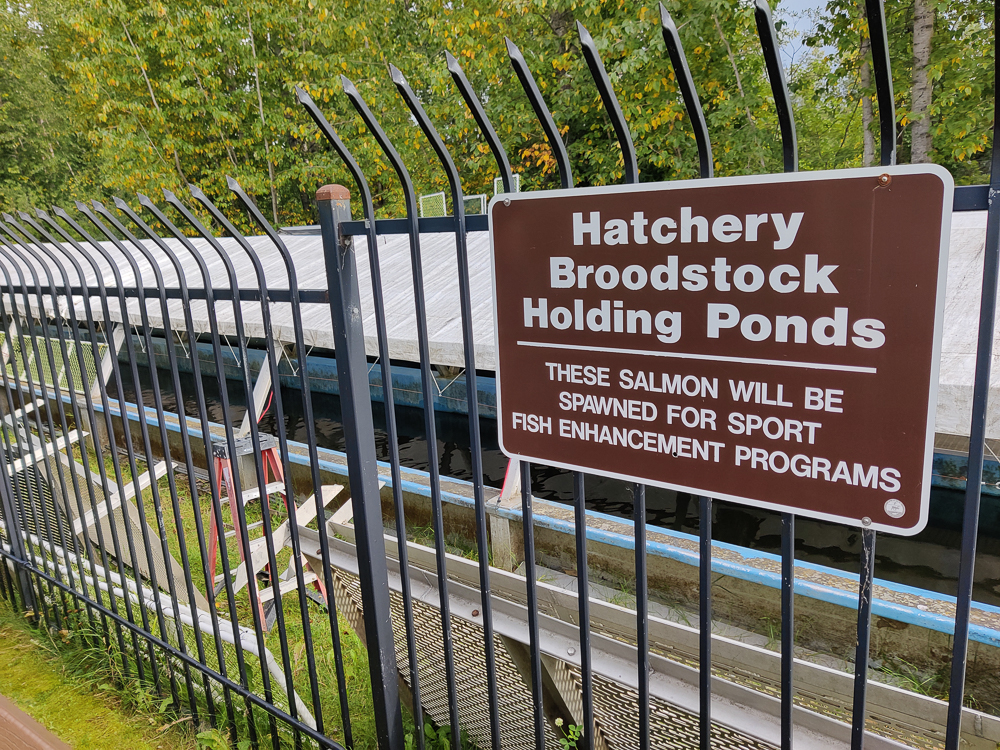
If you’re not into fishing and don’t live in an area where people are, you might not know much about fish hatcheries. I was one of those people. I had no reason to even know they existed until I visited a friend in Ohio, and we went to a hatchery near her house to throw stale bread to the fish. This fit with my outsider perception of the entertainment options available in Ohio (limited)… but I have to admit, it was more fun than I expected. I digress. The point is, there are a lot of fish hatcheries around, whether you’re aware of them or not, and one of the biggest is the William Jack Hernandez Sport Fish Hatchery in Anchorage (they do abbreviate this to WJHSFH, but honestly, that feels just as cumbersome as the full name).

So, what is the purpose of a fish hatchery? Besides the obvious “to hatch fish” and presumably also to grow them. But what’s the point? Well, this varies. A few goals could be to recover endangered species, counteract habitat loss, or support sustainable fishing. There are private fish hatcheries to support commercial fishing interests. The Anchorage facility, as a sport fish hatchery, focuses on creating, improving, and diversifying opportunities for sport fishing in the state and minimizing its impact on wild stocks. The funding for Alaska’s two sport fishing hatcheries comes from the sale of sport fishing licenses and taxes on fishing equipment and boat fuel.

(Note: much of this info I’m going to include comes from info panels in the hatchery. I’ll also include some other sources at the end.)

The Anchorage hatchery is the largest indoor sport fish hatchery in North America (I feel like there’s maybe not a lot of competition for this title, but we’ll let them have it). This site was built in 2011, and all of the fish are raised indoors. This is not the norm. Most hatcheries basically have big, long pools outside for the fish. However, being indoors allows better control of the environment and protection against predators and disease (and it keeps people from feeding uncontrolled substances, like stale bread, to your fish).

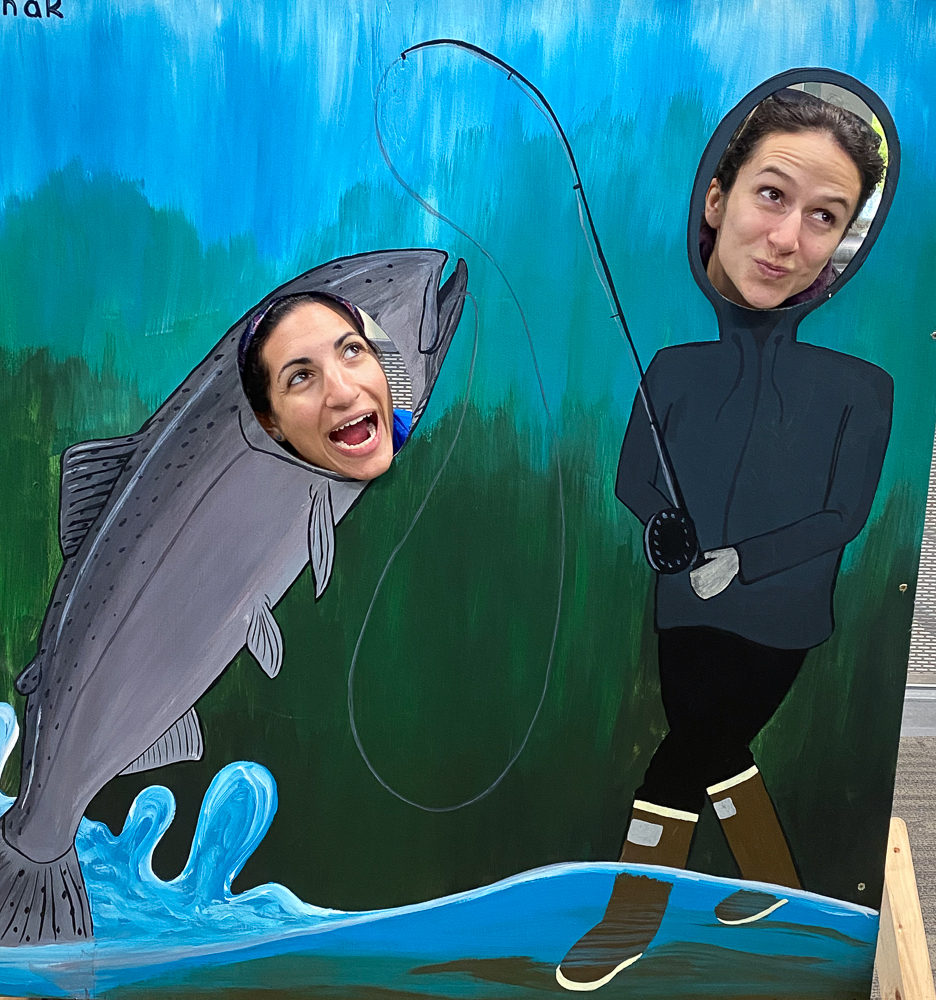
Olivia doing some sport fishing.

WJHSFH (nope, not using that acronym again) raises five species of fish: coho salmon, Chinook salmon, rainbow trout, Arctic grayling, and Arctic char. Each year, over 6 million fish are raised and stocked into over 200 locations. That is incredible. We’ll talk more about the logistics of stocking later, but just think about coordinating the transport of living fish to over 200 LOCATIONS. I’m getting ahead of myself. Who knew that a fish hatchery could be so exciting??

So, how does it all work? (As if anyone is asking… but whether you care or not, here we go!) Let’s go to the beginning. It all starts with eggs and milt (sperm). These are harvested from mature fish using methods that vary based on the species. With the two salmon, fish only reproduce once, even as wild salmon. They spawn in freshwater, live out their days in the saltwater of the ocean, and then return to their freshwater spawning areas for their one opportunity to contribute to the future of their species. Then, they die, and their bodies slowly decompose in the water.

Ship Creek runs beside the hatchery and is a popular spot for spawning salmon.

The hatchery goes to a few spawning locations to capture mature salmon and harvest their eggs / milt. Since they would die anyway, the salmon are “dispatched” (as the signage nicely put it) before the females are cut open to access their eggs (one fish can have 10,000 eggs!) and the males are “milked” (the milt is literally squeezed out). Their bodies are then donated to feed bears in wildlife refuges or local sled dogs (they are past the age where they’re edible for humans, but the animals are less picky).

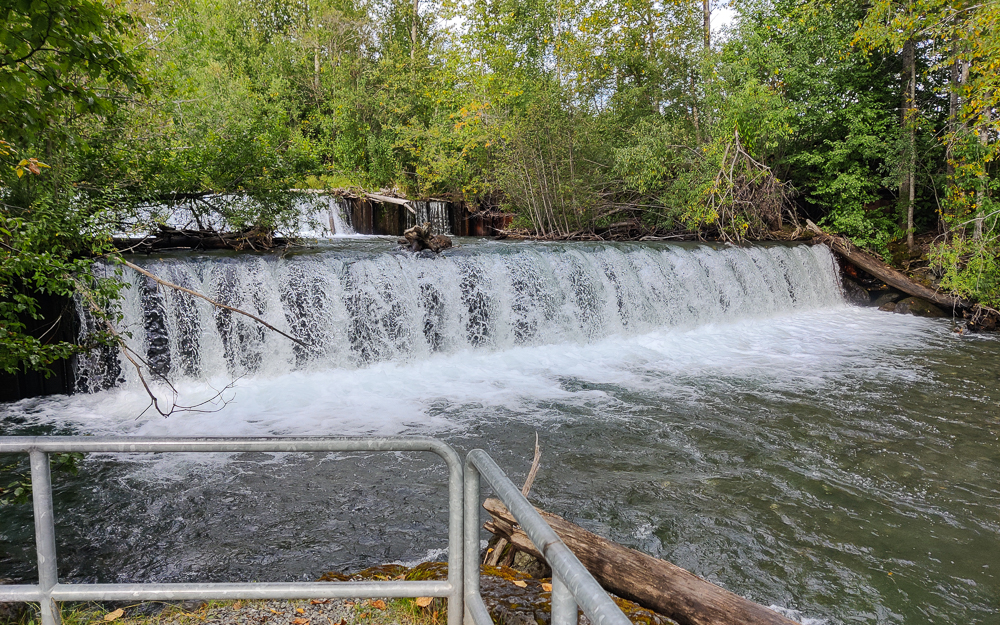
Ship Creek dam.
This is where the salmon are held while they’re waiting for the egg/milt harvesting days.

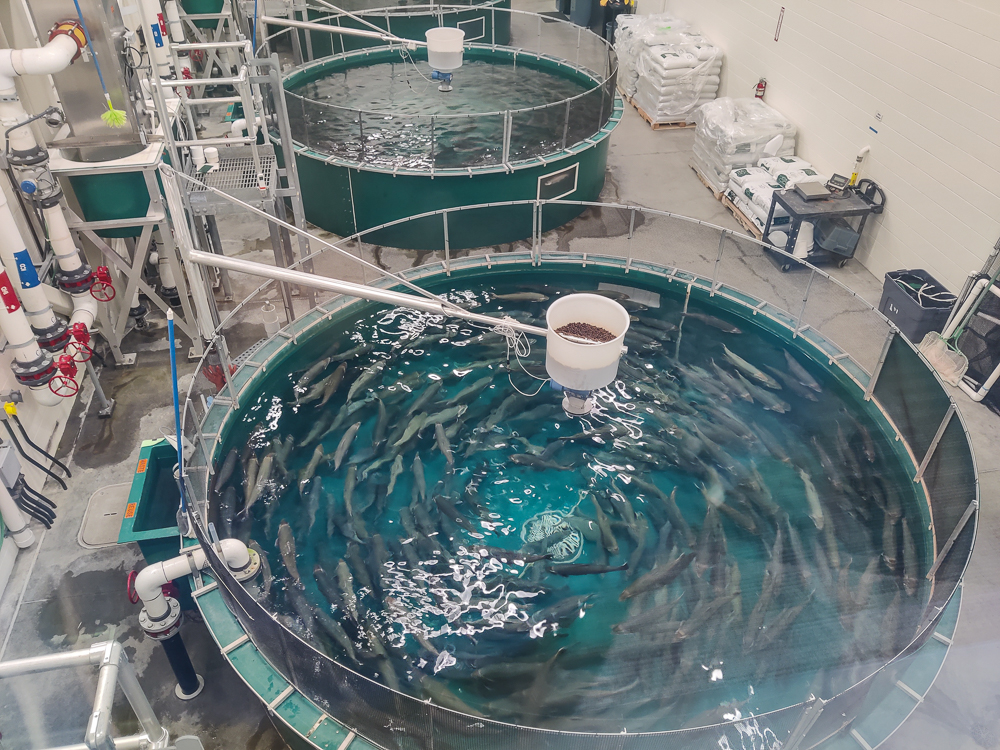
Rainbow trout and Arctic char are a different story. The eggs and milt for these come from “broodstock” which are raised to maturity (about 3-4 years) at the hatchery. Since both of these species survive after spawning, they are generally not “dispatched”. The females are “air spawned” which sounds insane to me. They inflate the fish’s belly with air to force the eggs out. About 2.5 million eggs are collected from the broodstock each year. The males are milked just like the salmon. And then these fish are all stocked into lakes where they can live for many more years.

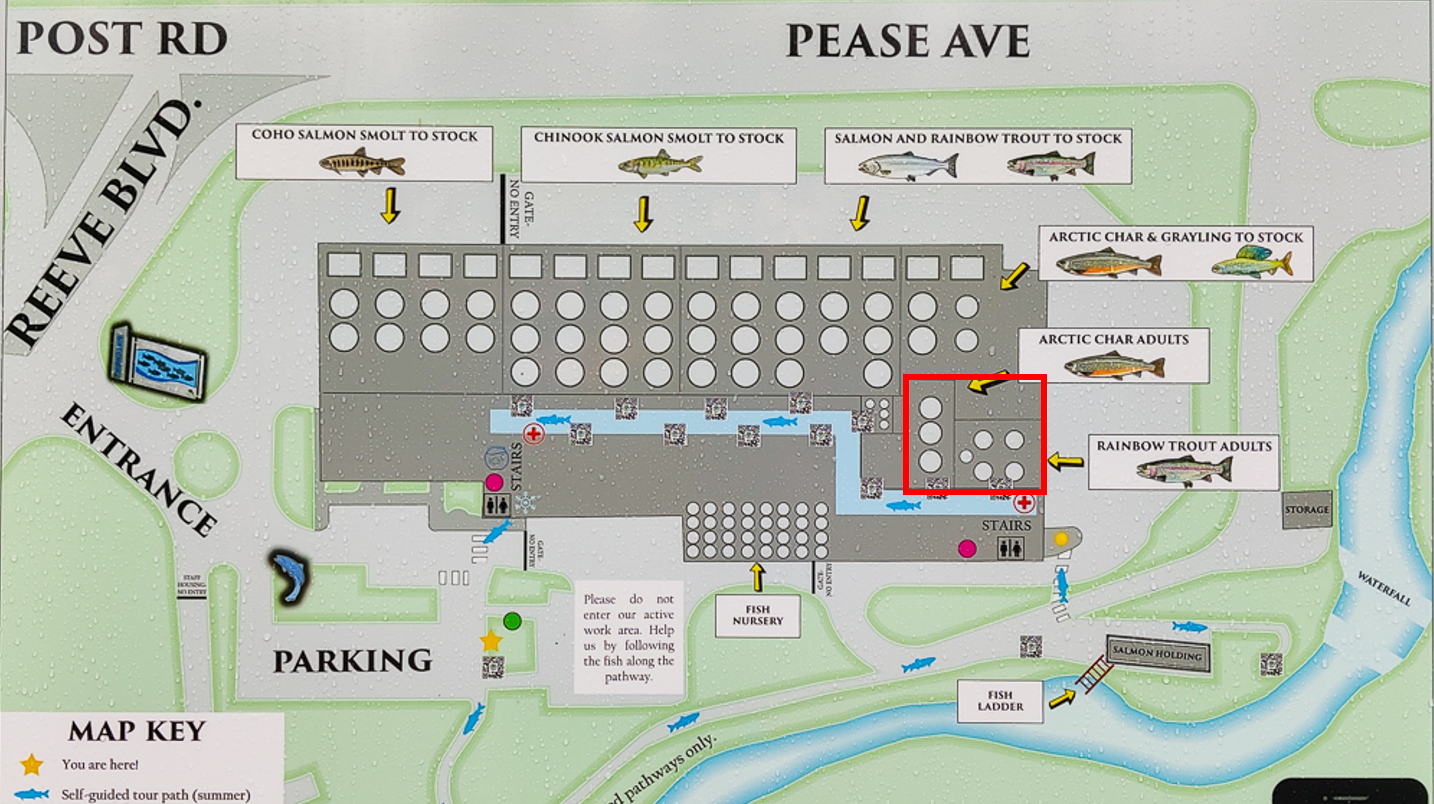
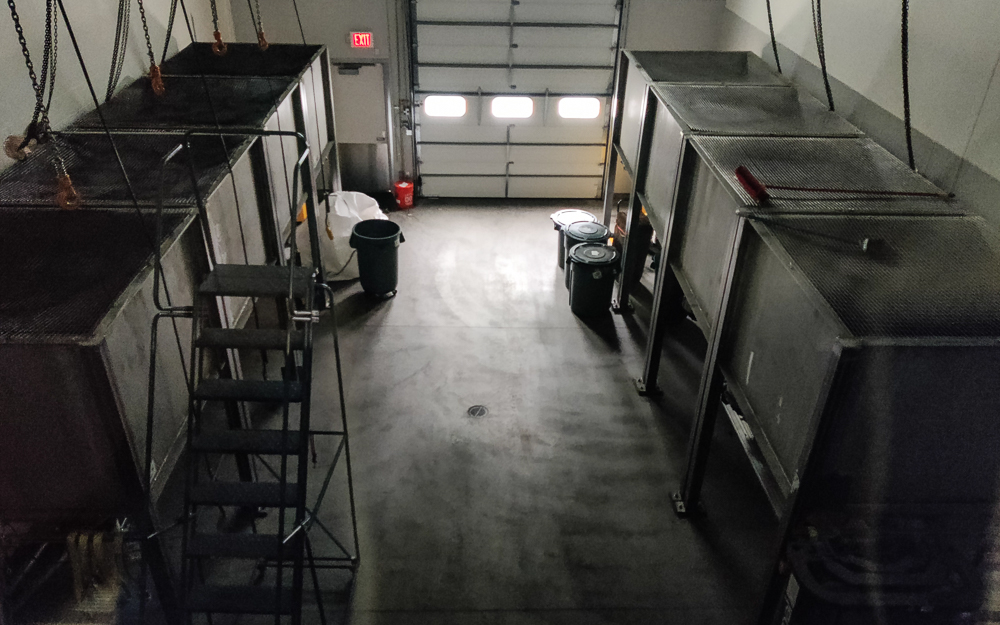
The broodstock have their own area in the hatchery (boxed in red). They’re divided by species between two rooms, and then each tank within the room is for a different age of fish.
This is the Arctic char broodstock.

The eggs and milt are hand-mixed together… I wasn’t sure if that just meant manually or literally with a hand, but I found a video of the process and it was literal hand mixing with no glove. In case you were wondering. Then, they’re put into trays in the incubation room. Fertilized rainbow trout eggs are also sterilized to ensure that stocked trout cannot reproduce with wild trout.

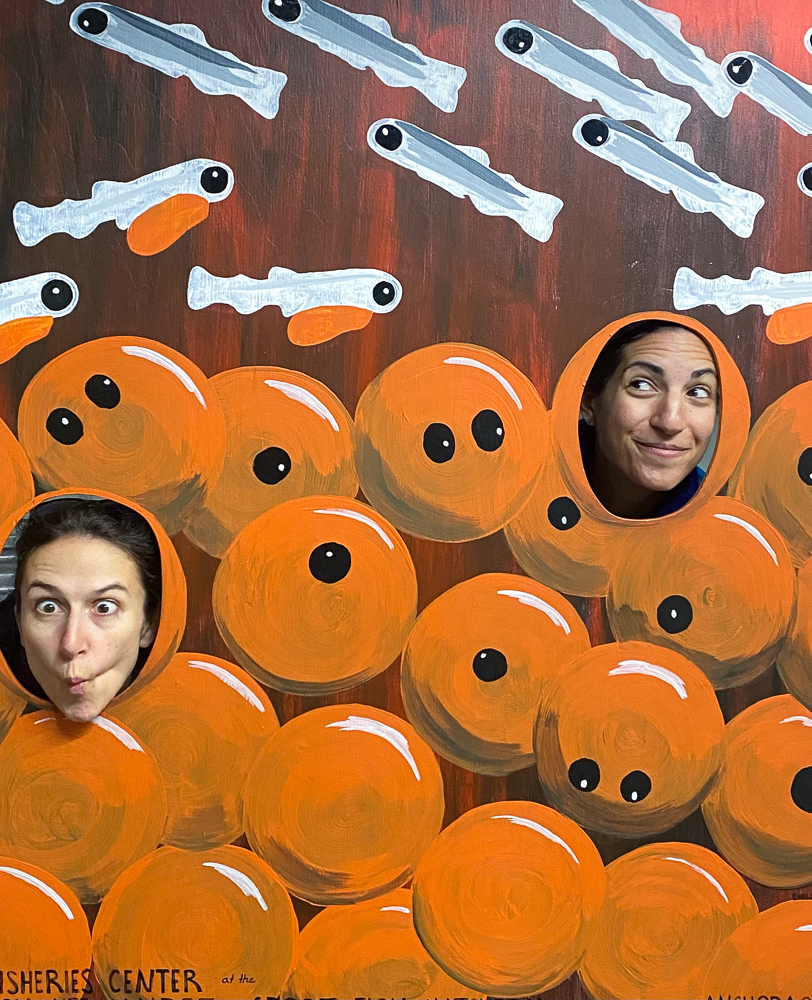
Olivia and me as eyed eggs with alevin swimming overhead.

Fun fact: Olivia said that in elementary school, their class was given eggs and milt from the hatchery. They fertilized the eggs and gave them back to the hatchery at the end of their project so that they could be grown and stocked with the other fish. What a fascinating elementary school project… That’s so Alaska.

Depending on species, one incubation tray can contain 7,500-12,000 eggs. The fish go through a few stages in the incubation room, and the time this takes depends on species and temperature. They start out as “green eggs”, or newly fertilized. In a few months, they’ll become “eyed eggs” which literally means that you can see the fish’s developing eyes through the egg shells. After they hatch, they’re called alevin. Alevin still have their yolk sacs with them, and those provide them with nutrients as they continue to develop. Finally, after this sac is fully absorbed, they’re fry, or small fish, and this means it’s time for them to move out of the incubation room to the start-up rearing area.

The start-up rearing room is where the fish start to swim and feed. It has 32 “small” tanks, 2,000 gallons each, and each can hold a maximum of about 110,000 fish. They start out eating food with pieces the size of grains of flour! As they grow, so does their food. Most species spend about 3 months in this room, and during that time they transition through three different feed sizes and grow to 10-30x the size they were when they entered!

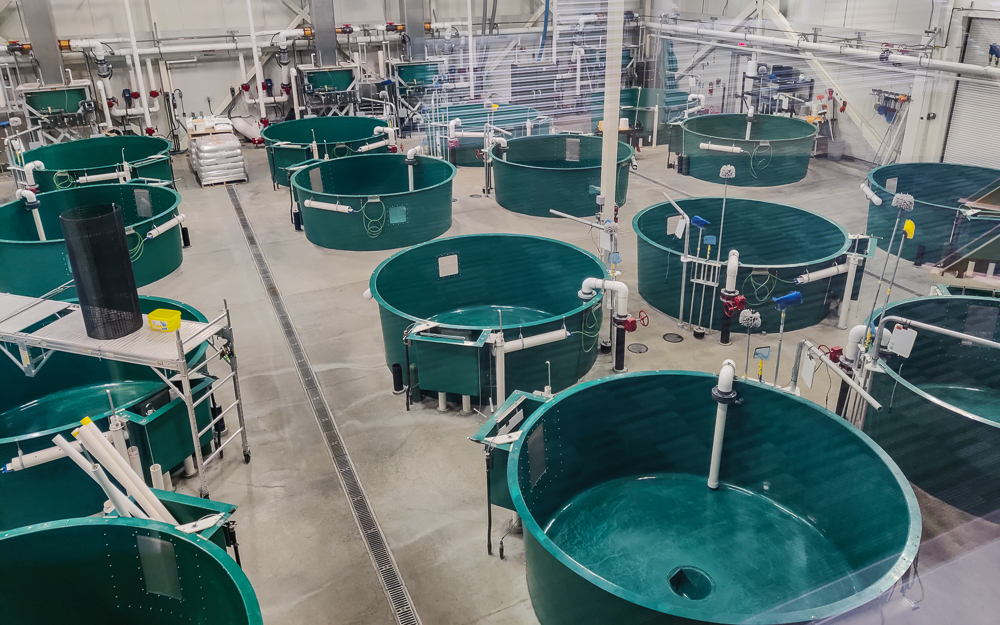
Start-up rearing room (aka the fish nursery).
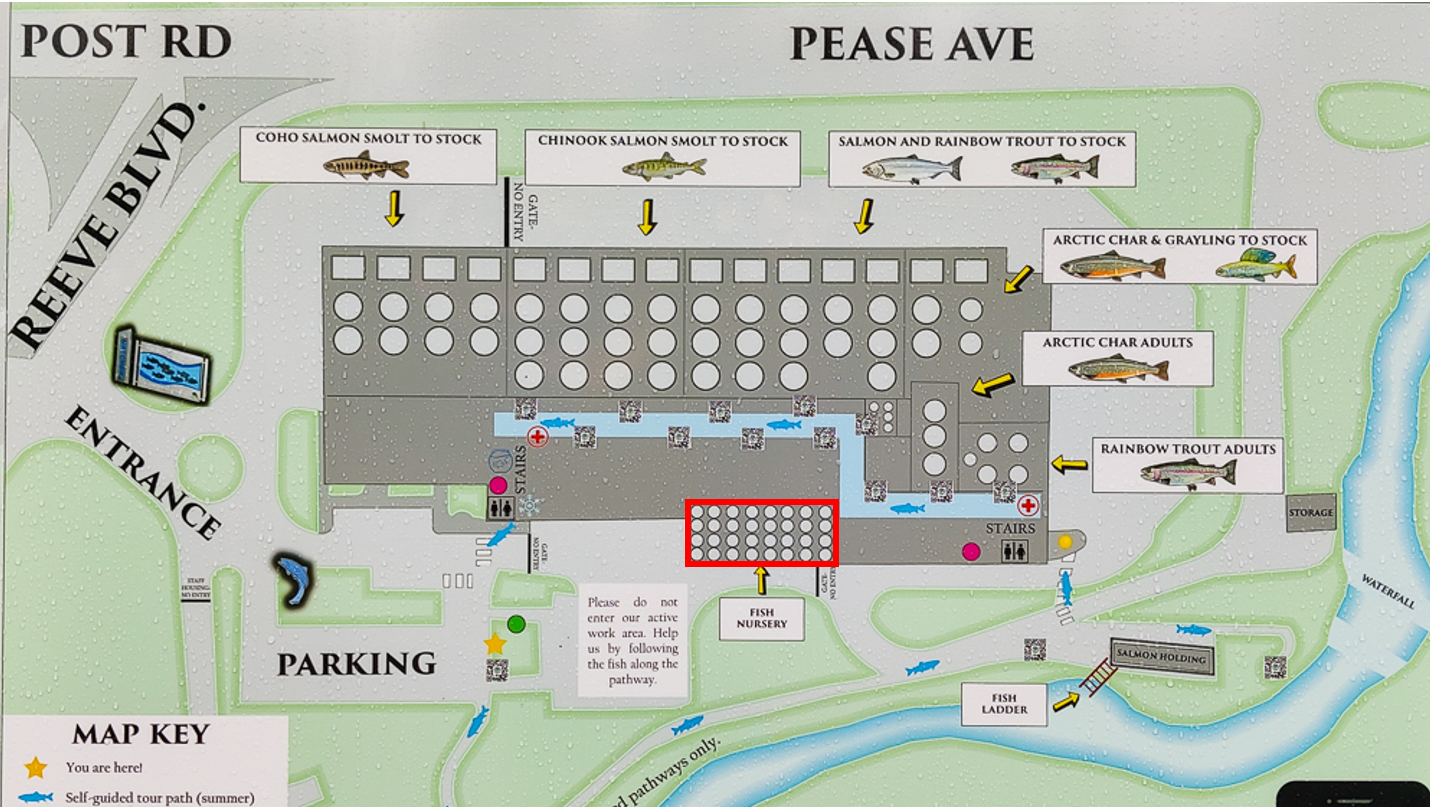
The start-up rearing room is boxed in red.

Once fish outgrow the shared tanks (at about 3 grams), there are a few different possibilities for their next move. Some are sent to be stocked out as “fingerling” (2-5 inches) which need to grow a little more in the wild before they can be caught. Some rainbow trout and Arctic char become part of the broodstock that will supply the hatchery with eggs and milt. Some are sent to the catchable area where they’ll continue to grow until they reach “catchable” size (7-14 inches). And some salmon are sent to the smolt areas where they will grow until they’re juveniles (smolt) and then are stocked out.

Regardless of where they’re headed, some serious fish-moving has to happen. Guess how they transfer the fish between tanks? HOSES. No joke. And this isn’t a quick little process. The tanks can be FAR apart – some transfers use hundreds of feet of hose! Once the hoses are attached to the tanks, they turn on a pump, coax the fish into the hose, and a fish counter tallies them up as they fall into their new home. For the fish headed to the catchable tanks, they will stay there for 8-12 months, until they’re ready to get stocked out.

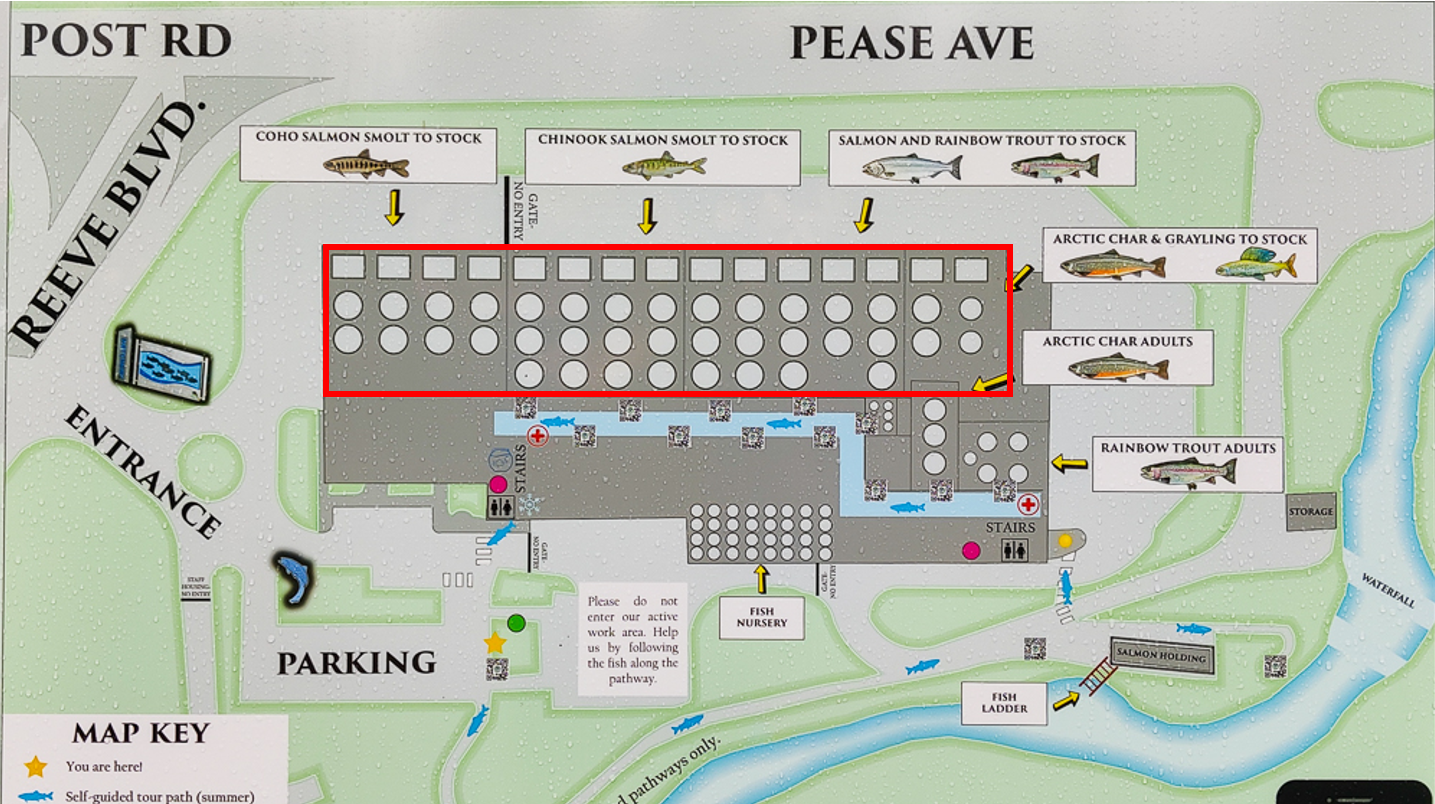
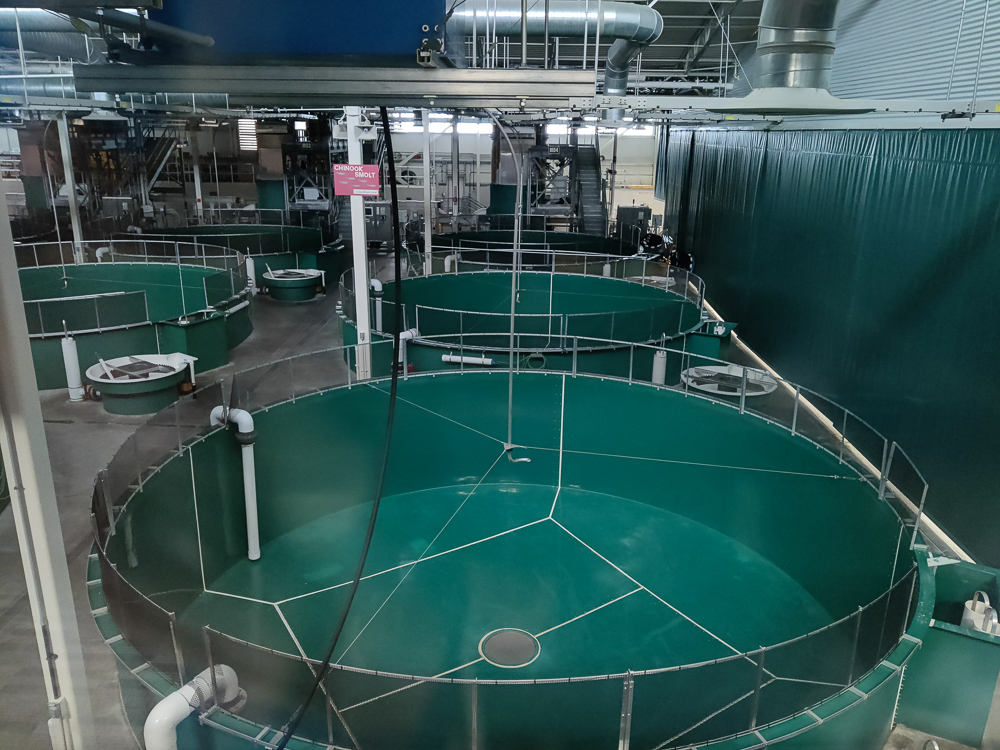
Here are all of the tanks that fish would be moved to (besides the broodstock). The smolt tanks are on the left side of this red box, and the catchables are on the right.

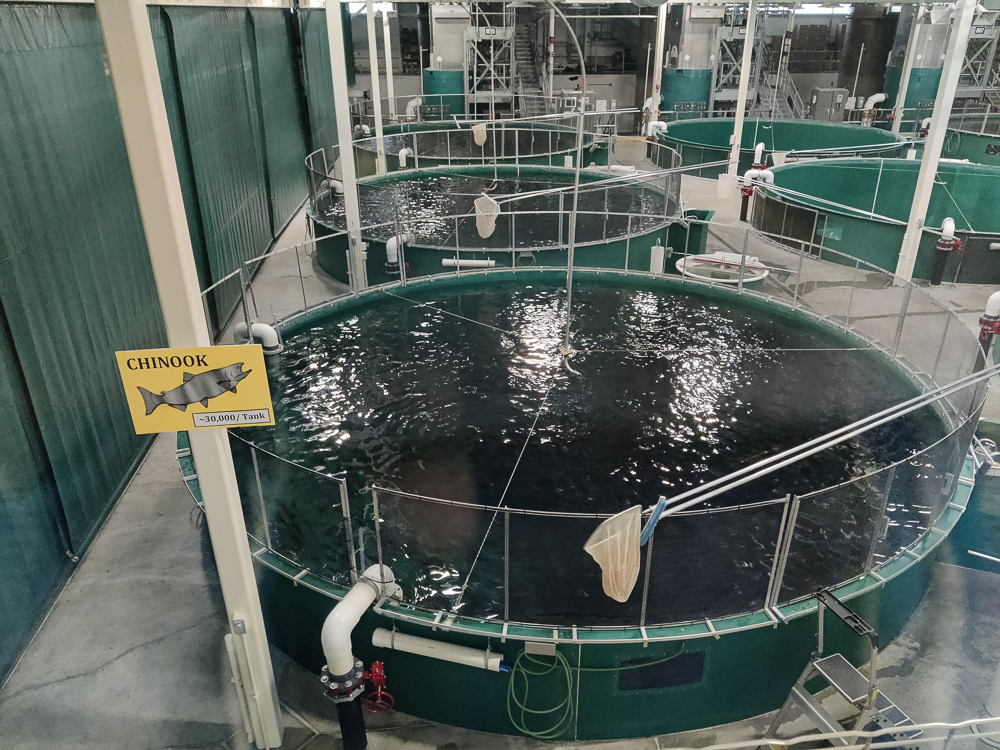
The catchable area has 18 tanks, each holding around 30,000 fish and 22,000 gallons of water! The salmon smolt areas have 20 more of these enormous tanks. Each can hold 100,000 coho salmon or 200,000 Chinook salmon! That’s a lot of fish.

It’s also a lot of water! Not surprisingly, they have a VERY intense water treatment situation. I’ll give you the basics (probably still more than you want to know… but oh well). The hatchery uses well water which would kill the fish if it was sent directly to the tanks. I mentioned before that a big advantage of an indoor hatchery is environmental control. Well, this is a perfect example of that. Nitrogen is removed from the water. Oxygen is added. The temperature is adjusted to be ideal for fish development.

Water is always circulating through the tanks. It exits through drains and overflows and is divided into wastewater and recirculation water. The recirculation water needs to be retreated before returning to the tanks, a process that takes about an hour. First, it is cleaned of most solid fish waste via a separator and a filter. Next, it runs through a biofilter which converts fish waste-generated ammonia into nitrite into nitrate which is less toxic for fish. Then, the gases are adjusted. Carbon dioxide and nitrogen are removed. Oxygen and ozone are added. Finally, it runs through a UV filter to sterilize the water and break down the ozone before it’s sent back out to the tanks. The amount of reused water in a tank varies… smaller fish use more fresh water, but by the time they reach the “catchable” tank area, 95% of the water is reused.

Most of the tanks were empty since we were there in September, but some salmon are raised to catchable size to be released in the fall or in the winter for ice fishing.

Another automated system that helps make life simpler for the hatchery staff is the automated feed system. Pelletized food is delivered to the hatchery in “super sacks” which hold 2,200 lbs (1,000 kg) of food! It’s stored in silos, and feed times and amounts are set in a computer program. When it’s time, the proper amount of food drops out of a silo into the hose below, a blower propels it to a “feed selector” distribution box, and from there, it’s routed into the outgoing hose that leads to the appropriate tank. Finally, at the tank, a spinning spigot sprays the food pellets all around to give the fish an equal shot at getting some.

These are the silos. Each one can hold two super sacks-worth of food!
Here’s a view of an empty tank. You can see the “spinning spigot” for the feeding system extending down in the middle of the tank.

Now, we’ve finally reached my most favorite part of this whole process – stocking! This is when the fish are taken from the hatchery and sent to live in various bodies of water across Alaska. This is a massive undertaking. There are over 200 different sites stocked from this one hatchery.

Between the two types of salmon, there are 15 release locations. Most salmon are stocked as smolt (juveniles) in rivers and coastal waters, and they swim out to sea to grow before coming back to their stocked location as adults. (Chinook salmon return after 1-6 years, and coho salmon after one.) Other salmon are stocked out at catchable size, some in the fall and then some in the winter for ice fishing. Many of the fish, of course, are caught by sport fisher-people in either the ocean or rivers/streams. Of the ones that evade capture and return to breed, some are collected for broodstock by the hatchery, and the cycle continues.

The other three fish are stocked in landlocked lakes, some at fingerling size (2-5 inches) and others at catchable size (7-14 inches).

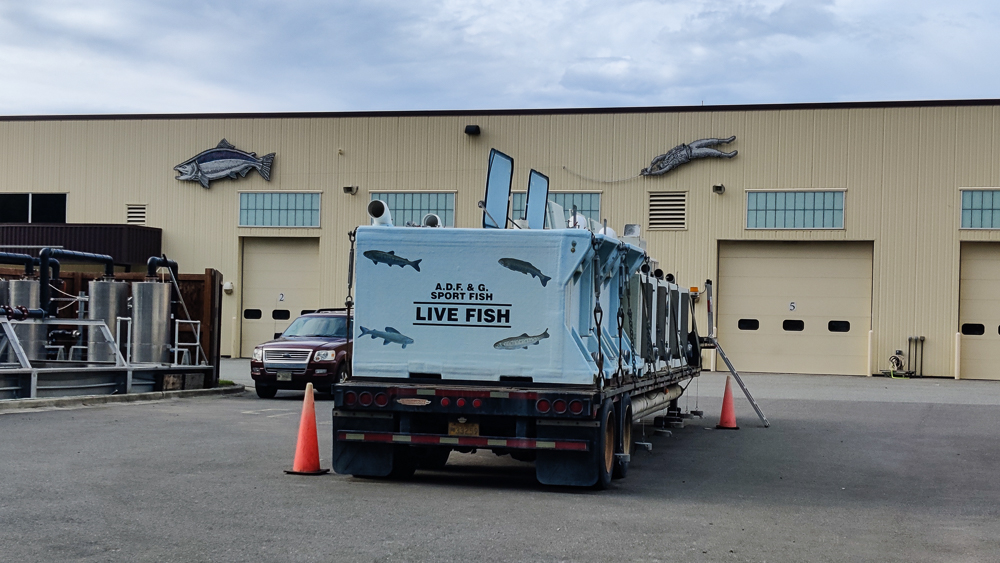
Fish are transported from the hatchery in trucks. They have a small fleet of trucks, big and smaller, used for this distribution, and during the heaviest stocking months of May and June, stocking is often a seven-day-per-week activity.

Okay, try to wrap your head around the various elements of this stocking situation… The hatchery has just spent many months hatching and raising and growing literally MILLIONS of fish. Now, it’s time to send them out into the big, wild world. Millions of fish to 200 locations.

There needs to be a schedule. Someone needs to make this schedule. My head is spinning just thinking about it. There are so many factors to consider! What type of fish and how many? What truck is needed? What locations? Where are these locations in relation to each other? How far are they from the hatchery? Who will be driving the truck? Do they need support personnel? Etc. And then apparently things can change last-minute based on lake conditions and access, to the point where they might have to change plans while already on the road. I’m stressed out just from this imaginary scenario. No thank you.

After the schedule situation, it’s not like things get easier. Did you forget that we’re talking about millions of FISH? Living fish! Ideally, fish that continue to be living fish through the entire journey and stocking! From hatchery to truck, along the truck’s journey, and then from truck to water. It’s not like you just pour water into a tank, plop in some fish, and off you go! Remember the hatchery’s high-maintenance water treatment system? The fish don’t get magically less fussy because they’re on the road. The water needs the proper amount of oxygen and none of the bad things that kill fish. And then it has to stay properly oxygenated throughout the drive. Yeesh!

A stocking truck!

Now, you’ve reached the end of the road to your destination. How on earth do you get the fish into the water? Sometimes, the truck can get close enough to just hook up a big hose and shoot them in (I find this to be an entertaining concept). In some places, there’s not great access, so they might have to CARRY THEM the last little bit from the truck to the water in 5-gallon buckets. (Can you imagine how many buckets-worth of fish can probably fit in one of those trucks??)

In situations where carrying buckets of fish isn’t practical (to me, that’s any situation where more than one bucket of fish is carried more than about five steps… but I imagine their bar is a bit higher), they might drive them in with ATVs. And SOMETIMES, they have to fly them in with little helicopters. Fish delivery by HELICOPTER! It’s insane. Insane!

All of this, remember, is so that people who like fishing can go out and fish without completely decimating the natural populations. As someone who does not quite understand the appeal of fishing, it is baffling to me that so many of these fishing people exist that such an operation is necessary. Apparently, running the facility costs $2-3 million per year, but the revenue generated from the stocking programs is estimated at $20 million per year. So, I may not understand, but clearly a lot of people are into it, and it brings a lot of business to Alaska. I’m happy that they’re happy and that they get to do what they enjoy without a massive environmental cost. So, in conclusion, yay for fish hatcheries! Keep up the good work!

Sources

I got a ton of info from this video tour of the hatchery.

Alaska Department of Fish and Game. “William Jack Hernandez Sport Fish Hatchery Tour.” Youtube, 1 December 2020, https://www.youtube.com/watch?v=en_WZjMGB_8.

This article talks about the salmon egg take and about how the dispatched salmon benefit captive bears and other animals.

Puryear, Wilson. “Hatchery Kings, Orphaned Bears and the Necessity of Synergy in Conservation.” Alaska Department of Fish and Game, July 2020, https://www.adfg.alaska.gov/index.cfm?adfg=wildlifenews.view_article&articles_id=961.

If you’re dying for more details on the salmon egg take and want to watch from collecting the fish through the fertilized eggs being placed in the incubation room, this is the video for you!

Alaska Department of Fish and Game. “Chinook Salmon Egg Take at the William Jack Hernandez Sport Fish Hatchery in Anchorage.” Youtube, 29 March 2019, https://youtu.be/5wJsUfASSTs?si=8-XR5vfcy8lTnXb2.

Here’s a brochure with some basic data about the hatchery.

Alaska Department of Fish and Game. “William Jack Hernandez Sport Fish Hatchery.” https://sustainableinfrastructure.org/wp-content/uploads/2020/10/hatchery-brochure-brand-update-SS.pdf.

Welcome to Quito! After nearly two weeks of baking in the Galapagos sun, the cool, night air that greeted me in Quito, Ecuador’s capital, was a welcome change! Quito is way up in the highlands, built on the side of a volcano at an altitude of 9,350ft (2,850m) (for a couple of reference points, Denver, CO is at 5,280ft/1,600m, and Cusco, Peru is at 11,200ft/3,400m… so Quito is somewhere in between). Unfortunately for me, the cool temperatures didn’t extend to daytime hours, so I was still sweating my brains out most of the time.

Last time, we left off on Isabela Island, and the trek from there to my Quito hostel was… lengthy. It involved a 2-ish hour ferry back to Santa Cruz (this was a rough one… I did that thing where I closed my eyes and repeatedly told myself that I didn’t feel nauseous in the spirit of “fake it ‘til you make it”. Didn’t work), a 40-minute taxi ride across Santa Cruz to the northern dock (with our good friend Fredy from our visit to the Santa Cruz highlands!), a 5-minute ferry ride to Baltra Island (where the airport is located), a 10-minute bus ride to the airport, a 4-hour wait at the airport (my family’s flight was earlier, but it didn’t make sense to go separately), a 2-hour flight to Quito, and finally, a 1-hour taxi ride to the city (I researched public transit and it was NOT worth it). Woof.

I have lots of botanical garden pics, so I’m going to start putting them in now. Enjoy!
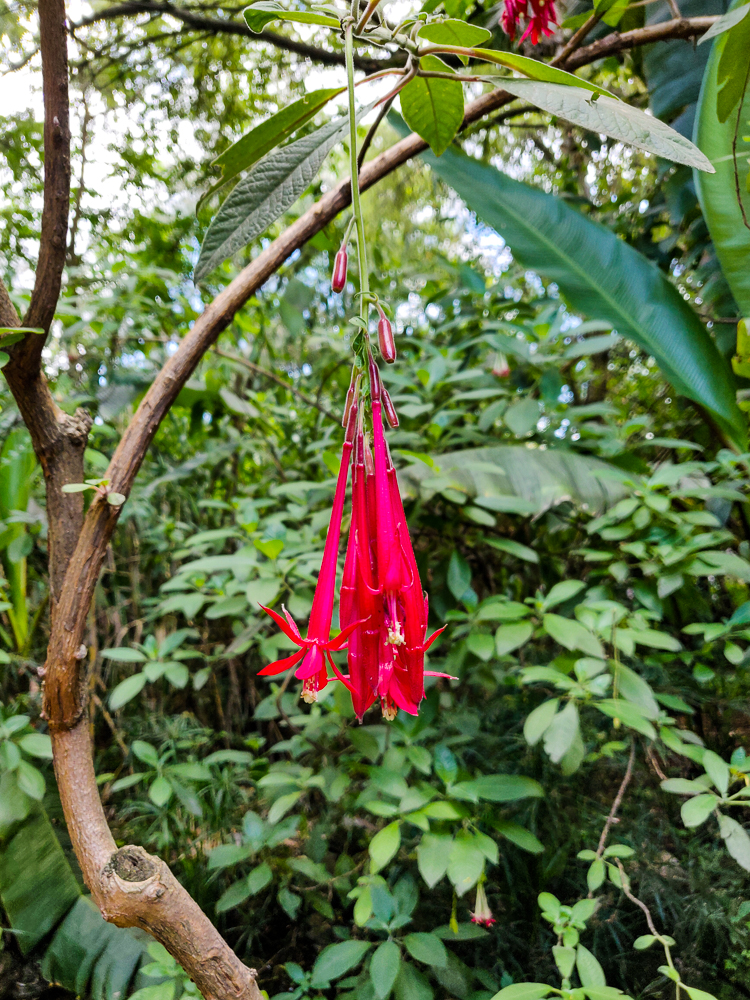
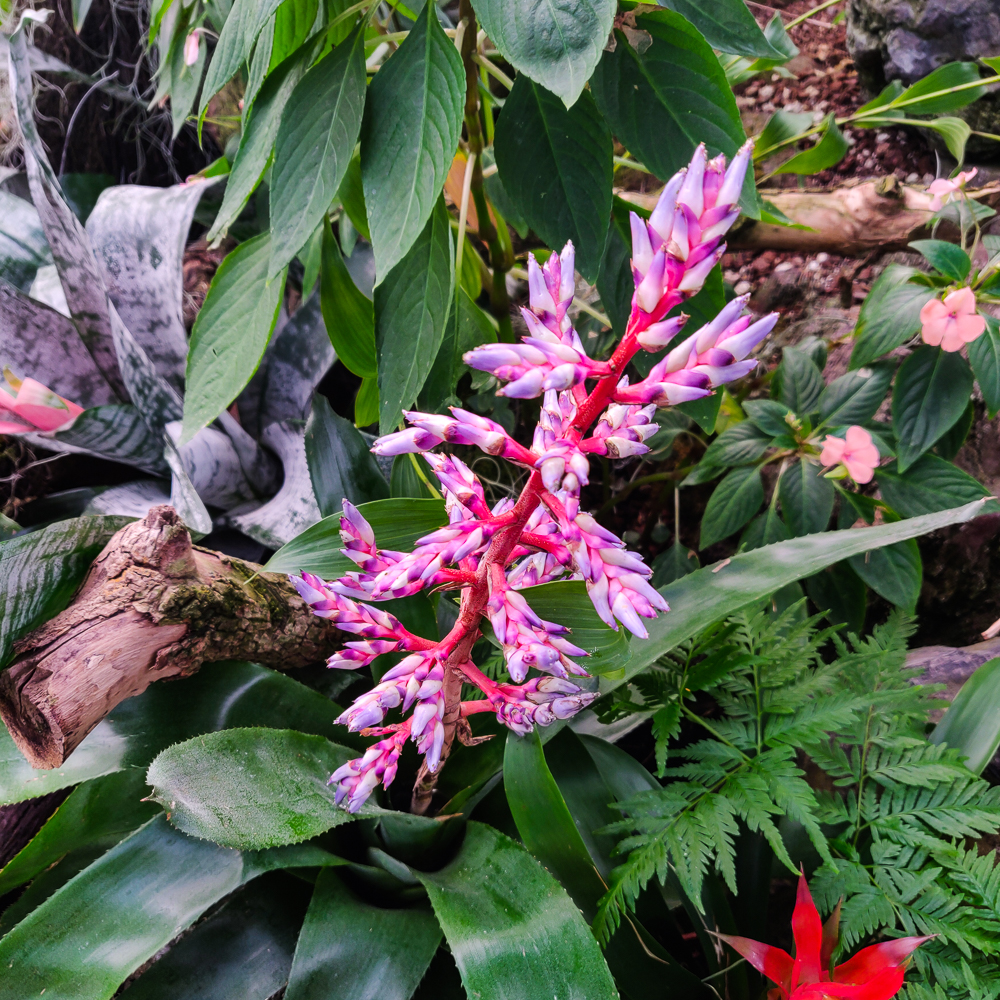
More dangly flowers! They’re like Christmas tree ornaments.

I gave myself one “chill/get organized” day in Quito before reentering sightseeing mode. After nearly 4 weeks of constant go-go-go, first with my parents in Peru and then with my aunt, uncle, and cousins in the Galapagos, I needed to pull myself back together, take a few deep breaths, and most of all, do some laundry! My clothes were all gross, to the point where it was a struggle to decide what to wear/forgo washing while everything else was being cleaned. I lugged every single item of clothing that I had (7lbs, apparently) to a nearby laundry shop and paid a lady $4.50 to wash it all. Not bad. When I got them back, I think my clothes were the cleanest they’d been in 10 months.

The next day, I rejoined the world. It was a Sunday, so I found an English-speaking church online, got some public transit advice, and set out on my first adventure. Well. The day got off to a rough start. On Sundays, some of Quito’s major roads close to car traffic for the “Ciclopaseo” (bike path). It’s actually awesome – people can bike/walk on 18 miles (29km) of closed roads! But for me, it was a headache. Bus routes on those roads are rerouted, so I hopped on the first bus that was headed in the right direction and figured I’d walk the rest of the way once I got close.

Okay, great, except Quito is HUGE. Since it’s in a valley, it’s somewhat narrow but very long, and for some reason, I could not get a handle on its scale while looking at google maps. I would look up the location of something, see where it was in relation to me, and think, “Okay, looks like maybe a 10-minute walk.” Get directions… “40 minutes”. WHAT.

So, I got off the bus thinking, “I’m pretty close now!” NOPE. 25 minutes. Church started in 20, so I powerwalked it. That would have been fine… except that the high elevation soon had me panting, and surprise! HILLS. My gosh. I juuust made it on time but had to pause outside for a minute to avoid passing out. Inside, I spent the beginning of the service attempting to silently breathe heavily (impossible) and trying (failing) to stop sweating. Well, the good news is that I’ll never see any of those people again. (The bad news is that I’ve gone to church a bunch of times throughout my travels, and no matter how much time I allow to get there… I show up nearly late/panting and sweaty EVERY TIME. I guess that’s just kind of my thing now.)

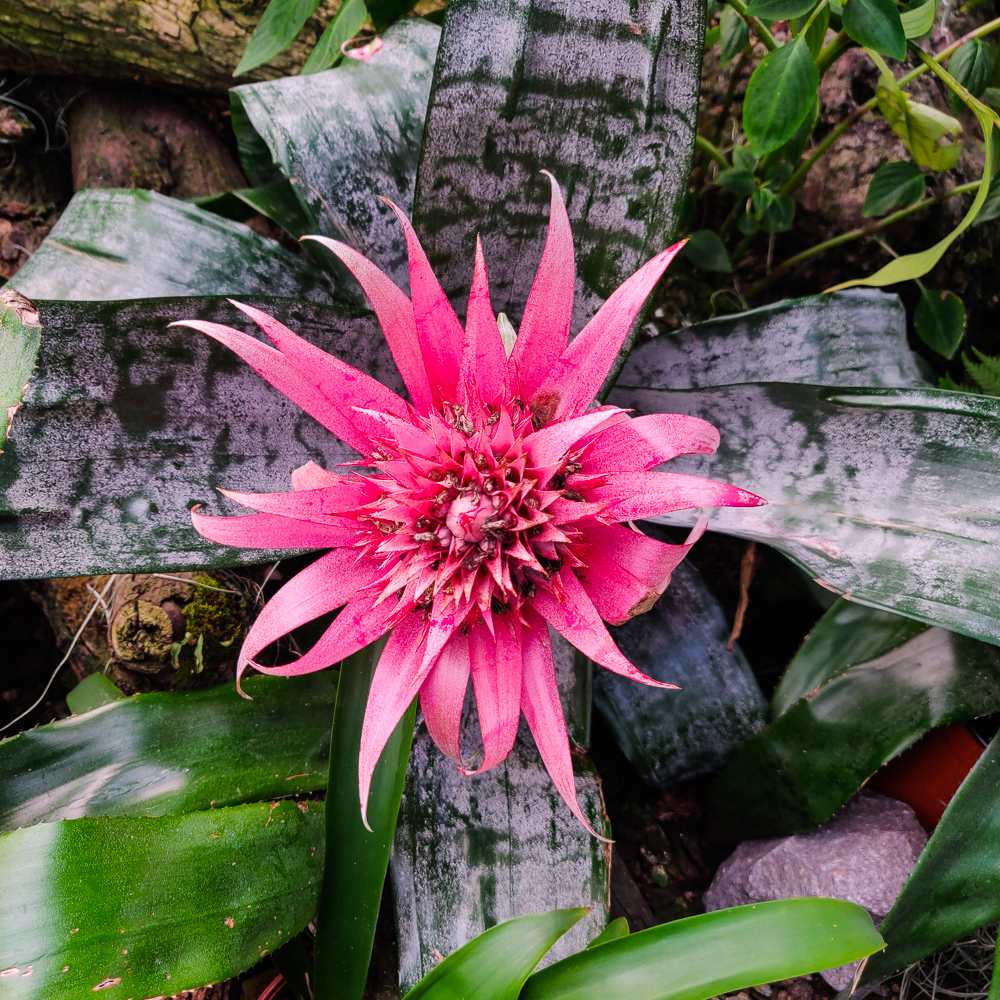
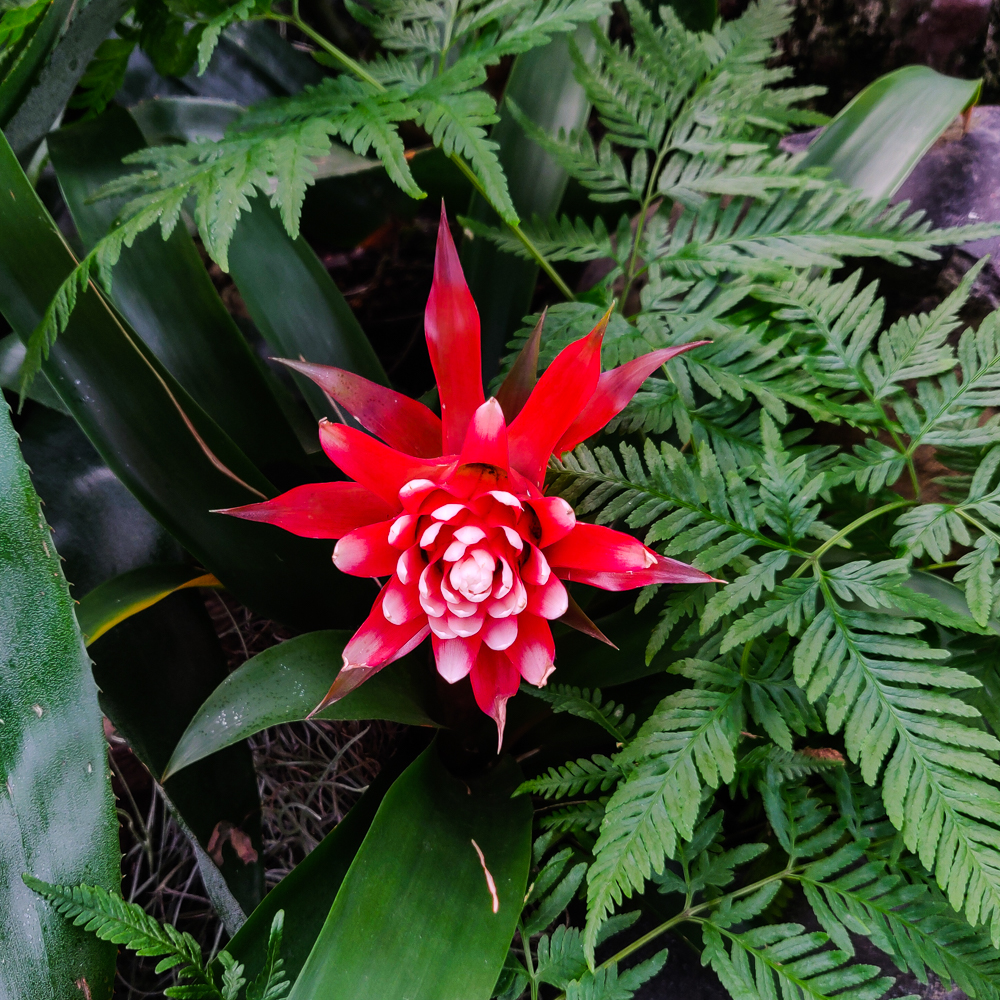
This flower is crazy! And pretty! But like… what?
Ah I love this one too. (Spoiler alert: I love them all.)

After church, I made my way, at a much more leisurely pace, to the Quito Botanical Gardens. I estimated it should take 10 minutes to walk there. Ha. 30 minutes later…

Botanical gardens are the BEST because you get places like this in the middle of a city

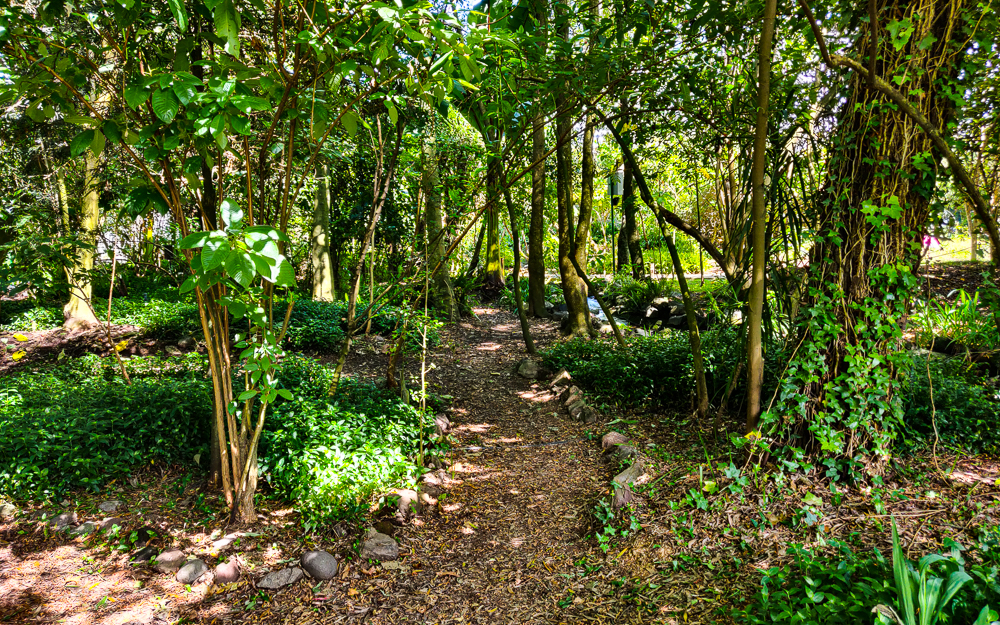
I LOVE BOTANICAL GARDENS. I don’t know anything about plants, but I love flowers. I mean, I also don’t know anything about flowers, but sometimes, it’s nice to have something that you enjoy without needing its whole backstory. And so, I’m going to tell you a little bit about the botanical gardens in general, but mostly, just enjoy the pretty pictures. I don’t know what anything is.

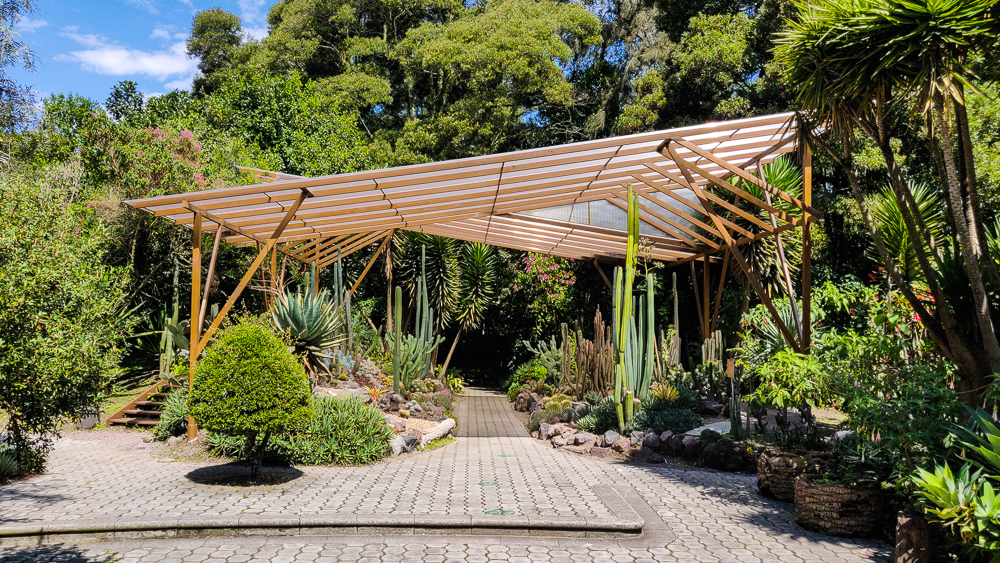
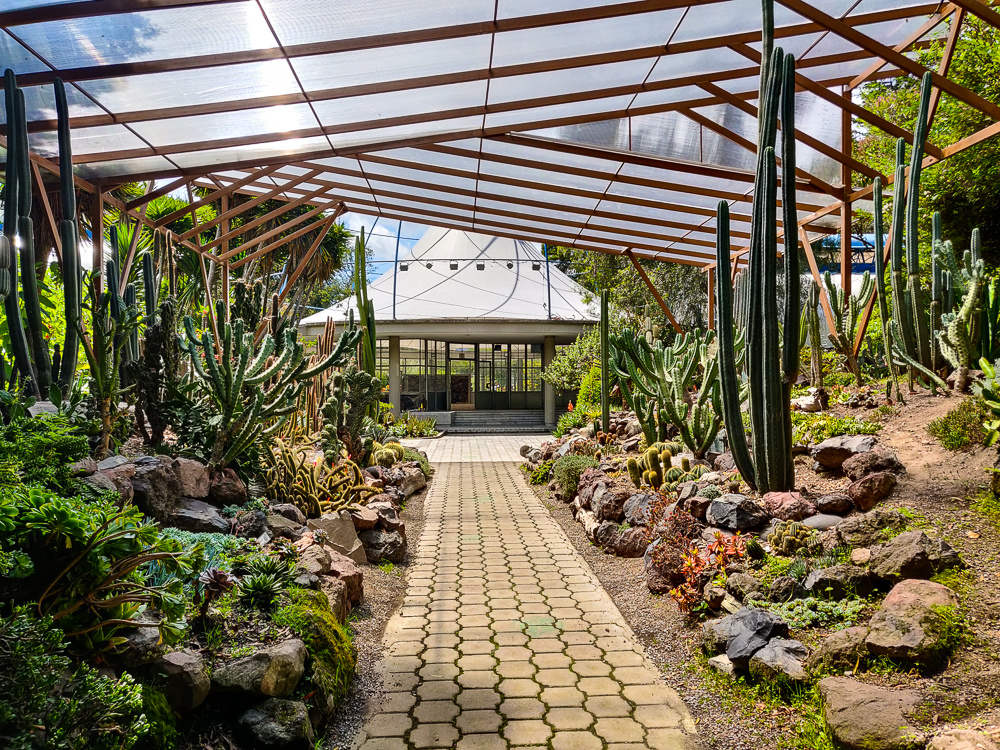
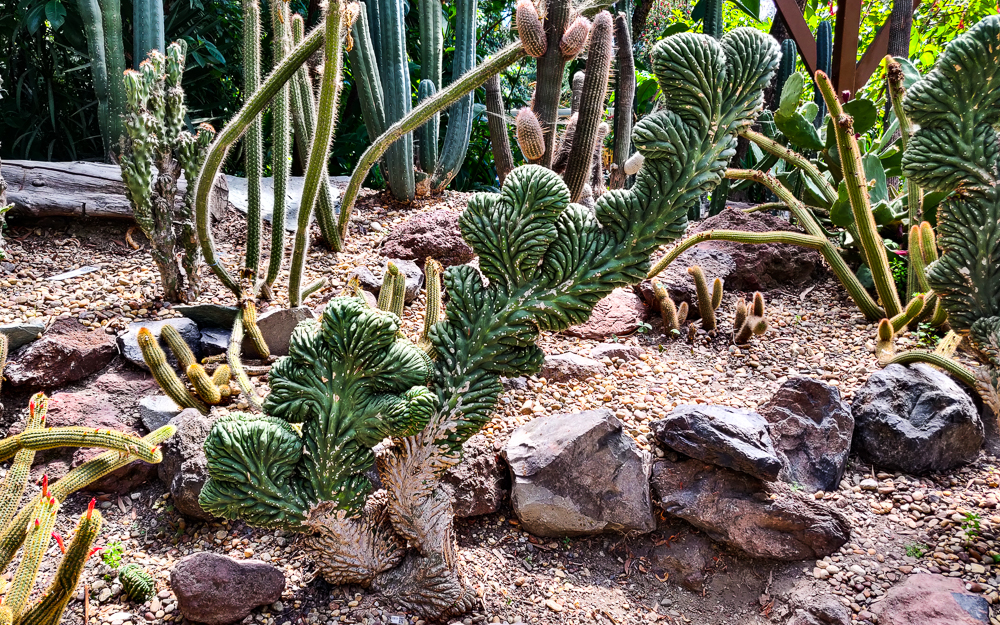
This is the cactus pavilion. I just made that name up, but that’s what it is.
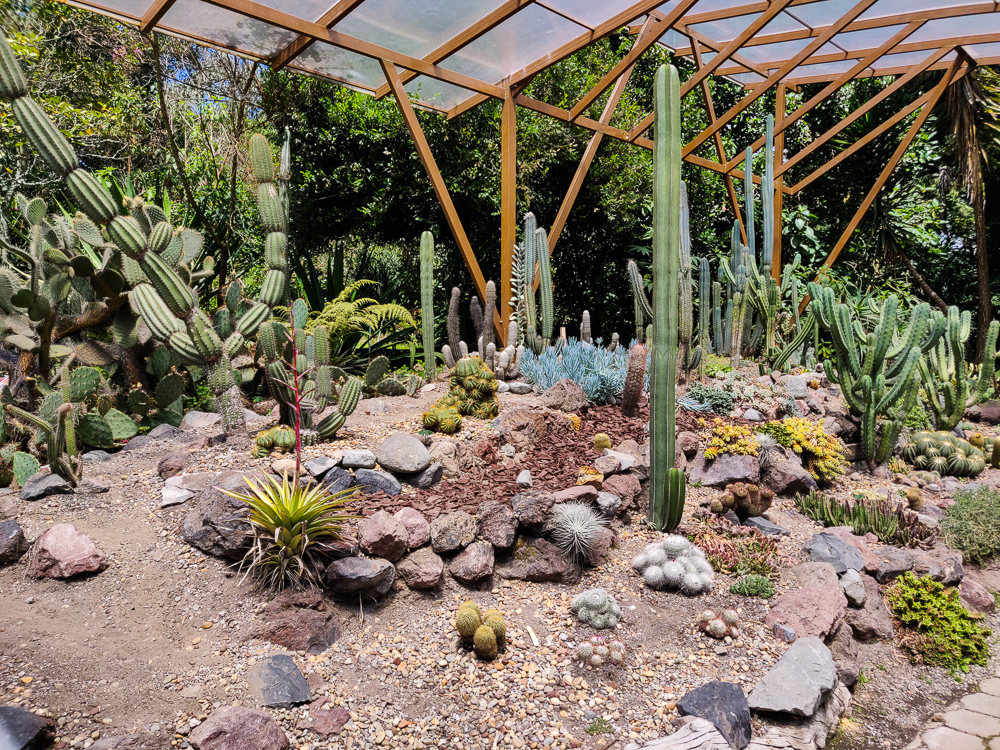
GUESS WHAT’S INSIDE?
YUP. Cacti. And like… how beautiful?!?!
Also, what on earth is happening with this one?! Fascinating. (These captions are basically just going to be my internal dialogue, so apologies in advance.)

Ecuador has incredible ecological diversity, and the Quito Botanical Gardens attempt to capture that diversity in one place. There are plants from all of the country’s major ecosystems… I really appreciated the “tropical rainforest” greenhouse. I was already melting outside, and inside, it was EVEN HOTTER. It actually made the million-degree outside air feel cool when I finally exited (an effect that was, sadly, short-lived).

This is some sort of tropical plant. I know because it was in the bazillion-degree tropical greenhouse. I took very few pictures in there because I was dying.
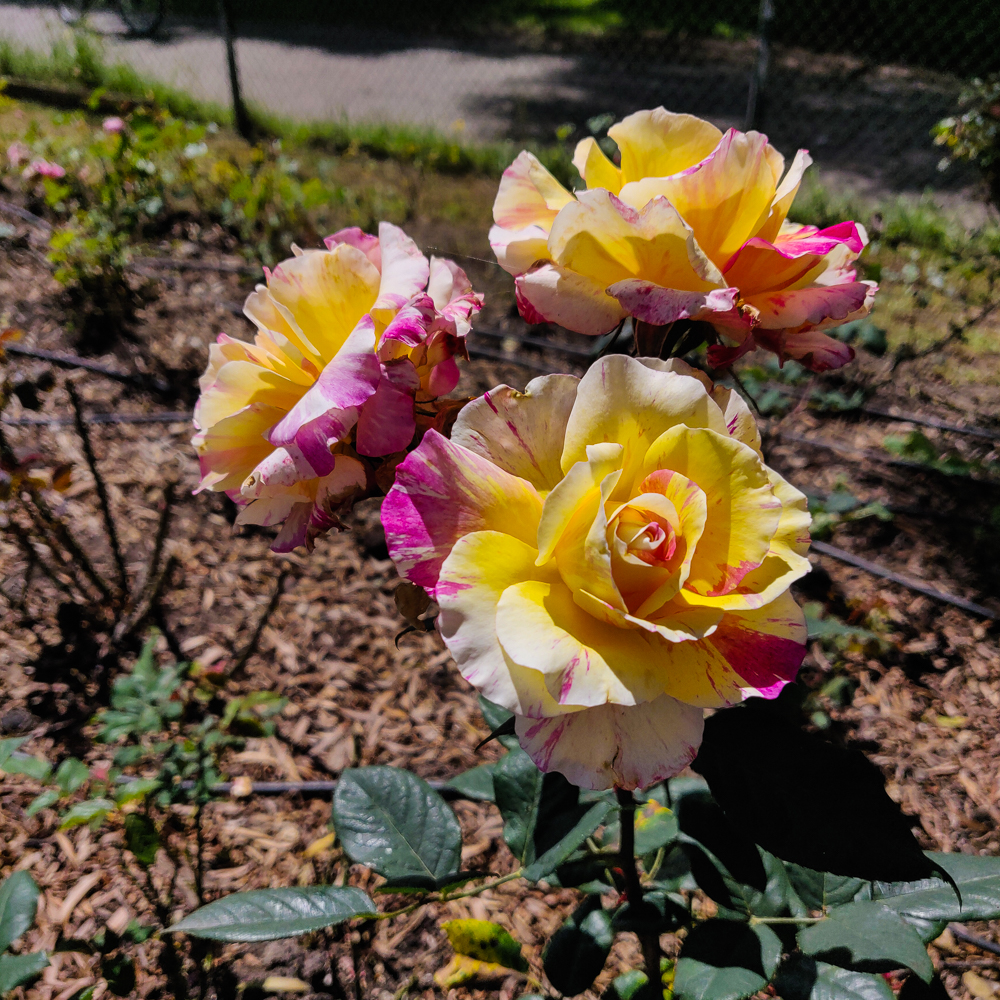
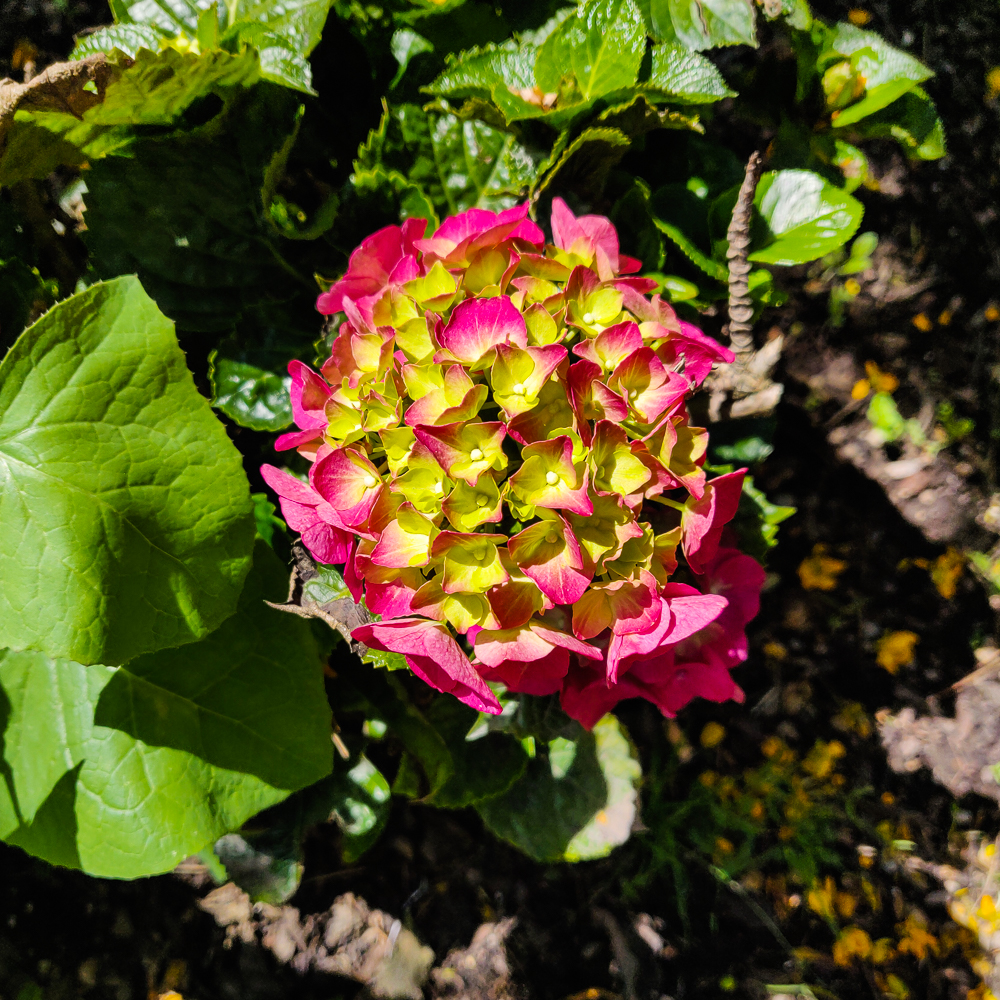
Roses!! There was a rose garden, but it wasn’t doing especially well. I probably wasn’t there at the right time. But these are looking very pretty!
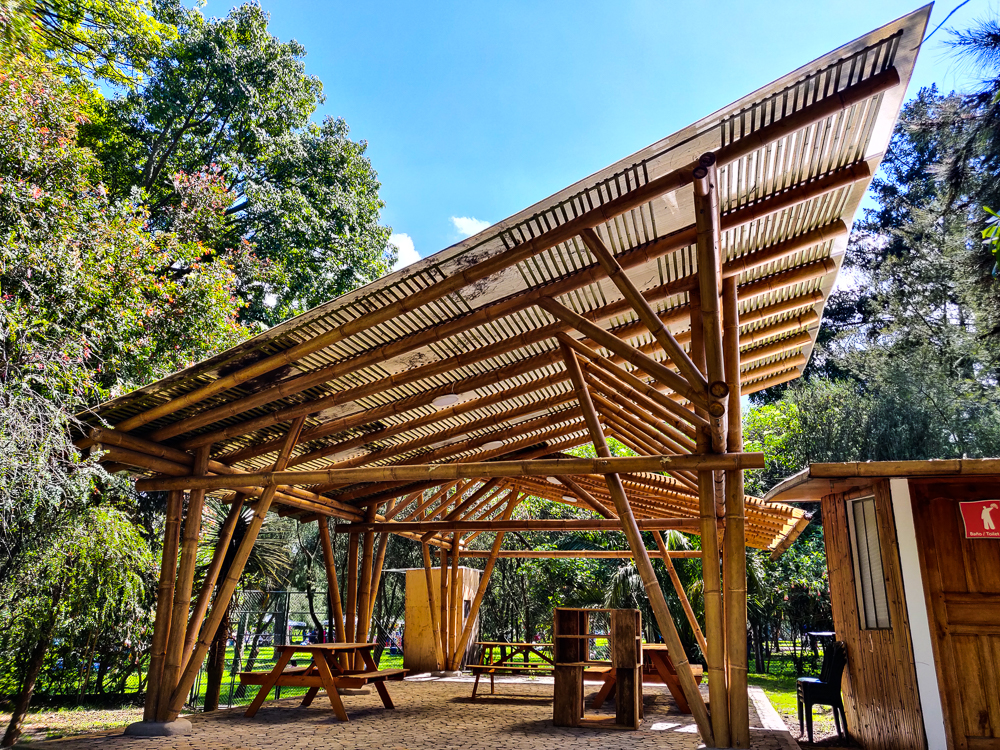
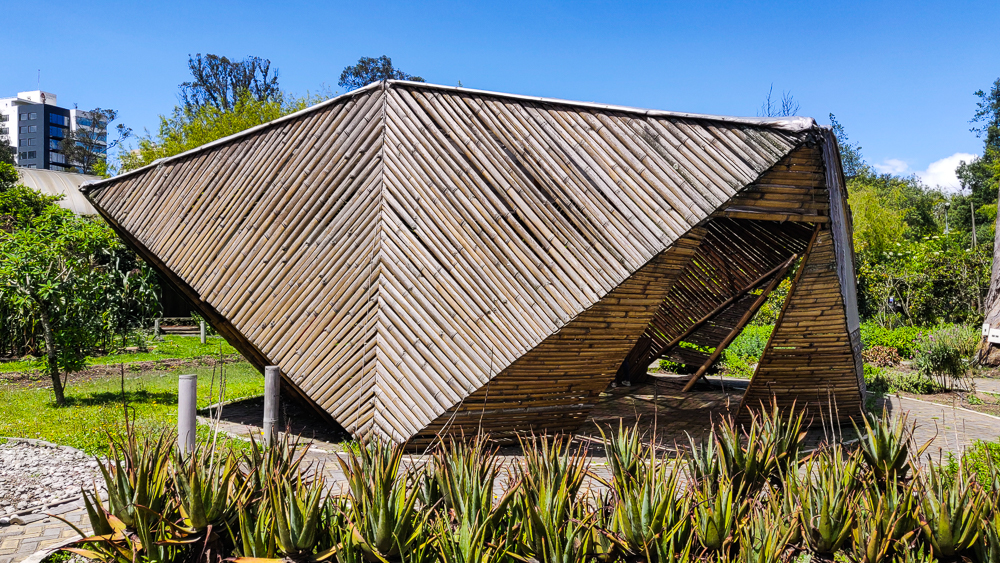
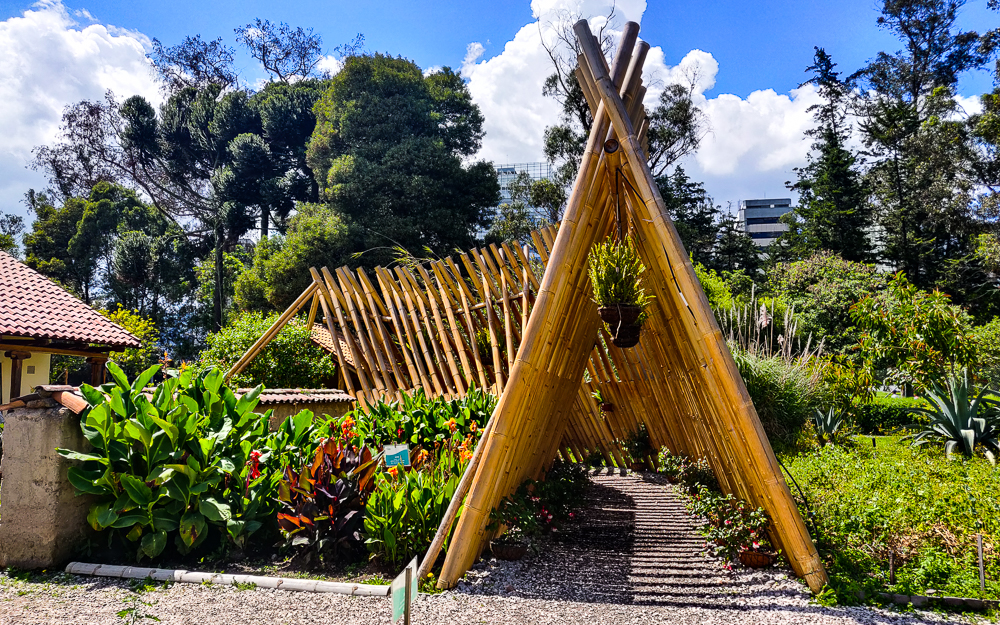
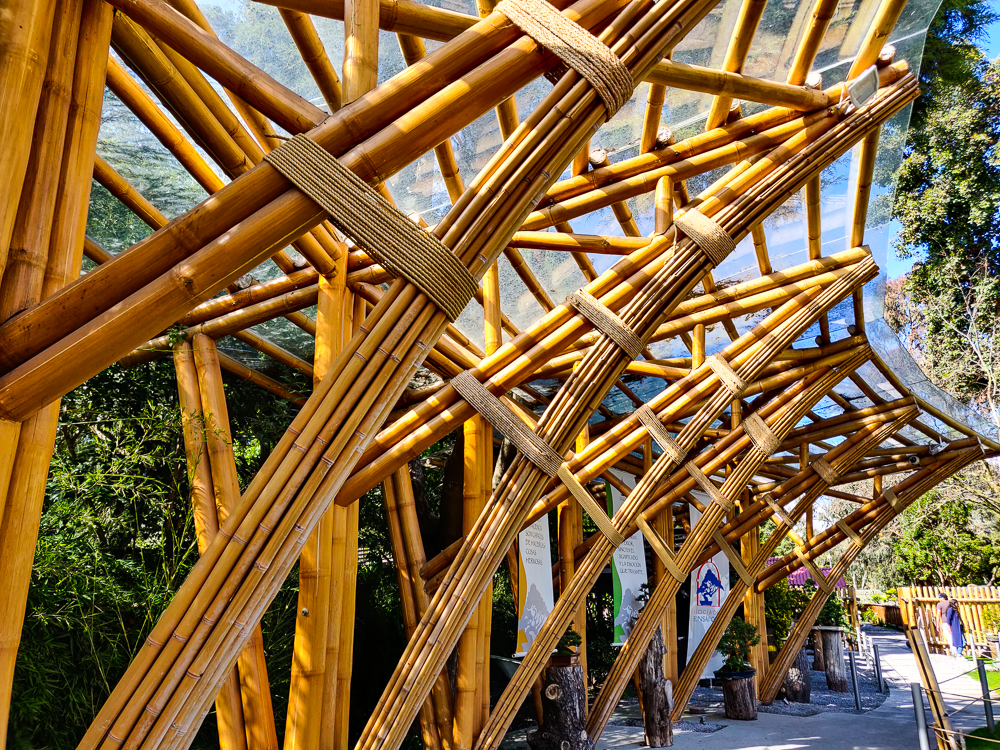
There were loads of interesting bamboo structures around, and since I had just come from Peru where they were finishing up the bamboo roof on our building, I was extremely excited about them.
This is bamboo, too. To make the walls, they split the bamboo and used the fragments to create a flat-ish surface. What a funky shape!
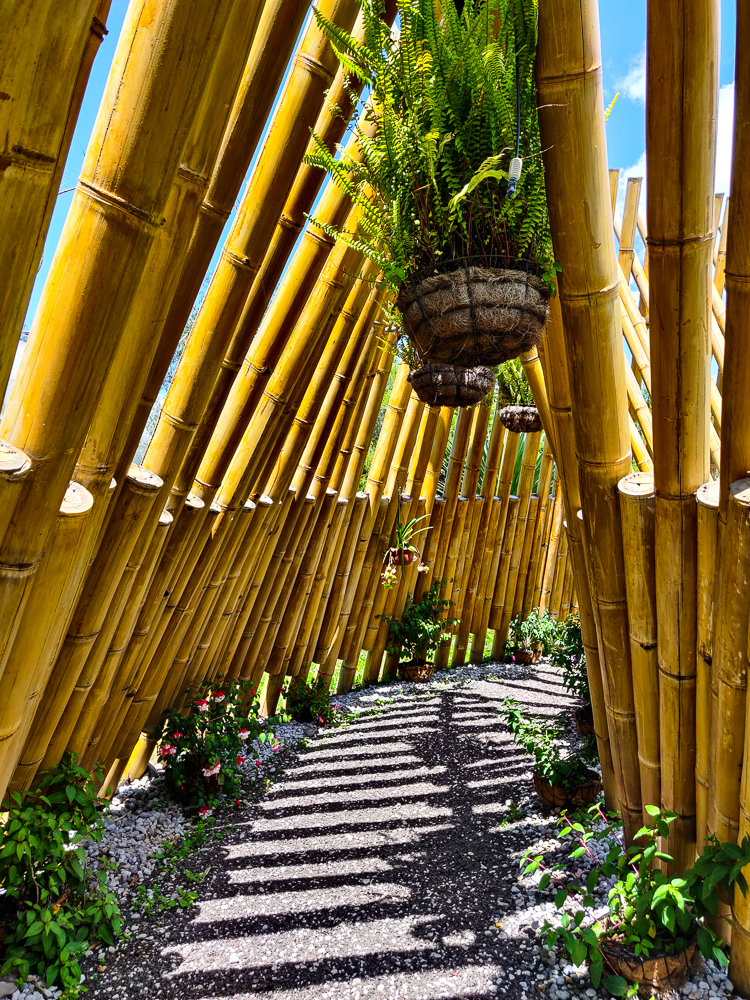
And then there’s this… I am obsessed with this. I want it in my future yard. I don’t know what the thought process was because it’s not especially functional (at least based on my assessment)… but if they were going for pretty and fun to walk through, they nailed it. Except beware because there’s an irrigation system that might surprise you with a nice drip down your back. But hey, if it’s hot enough, that will make you like it even more.
Try to tell me this isn’t awesome
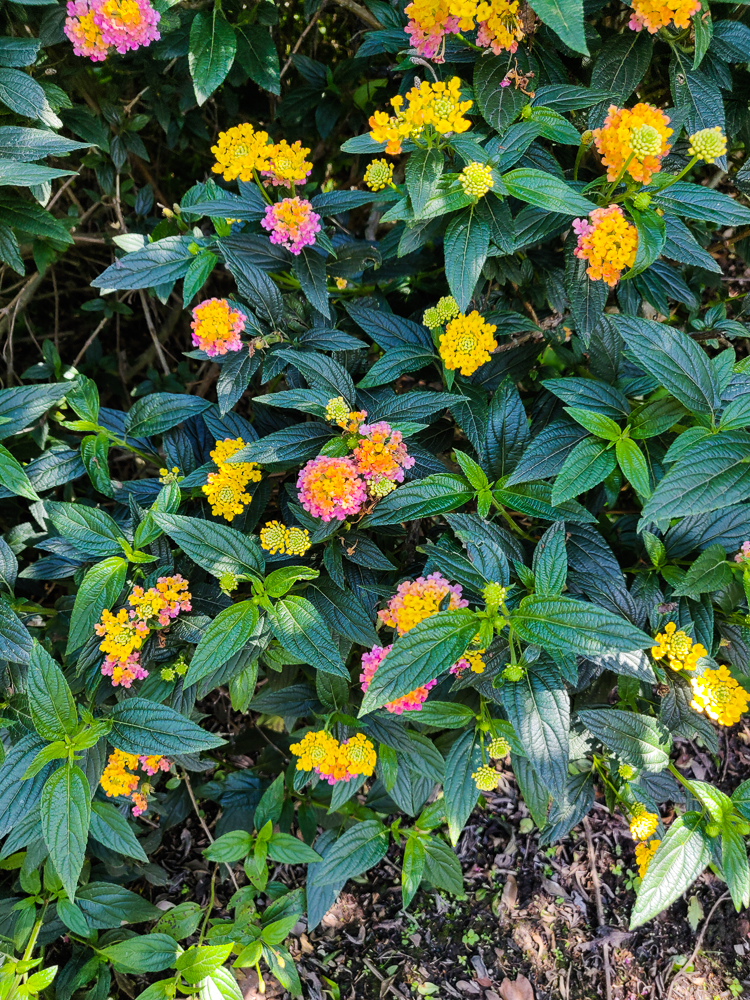
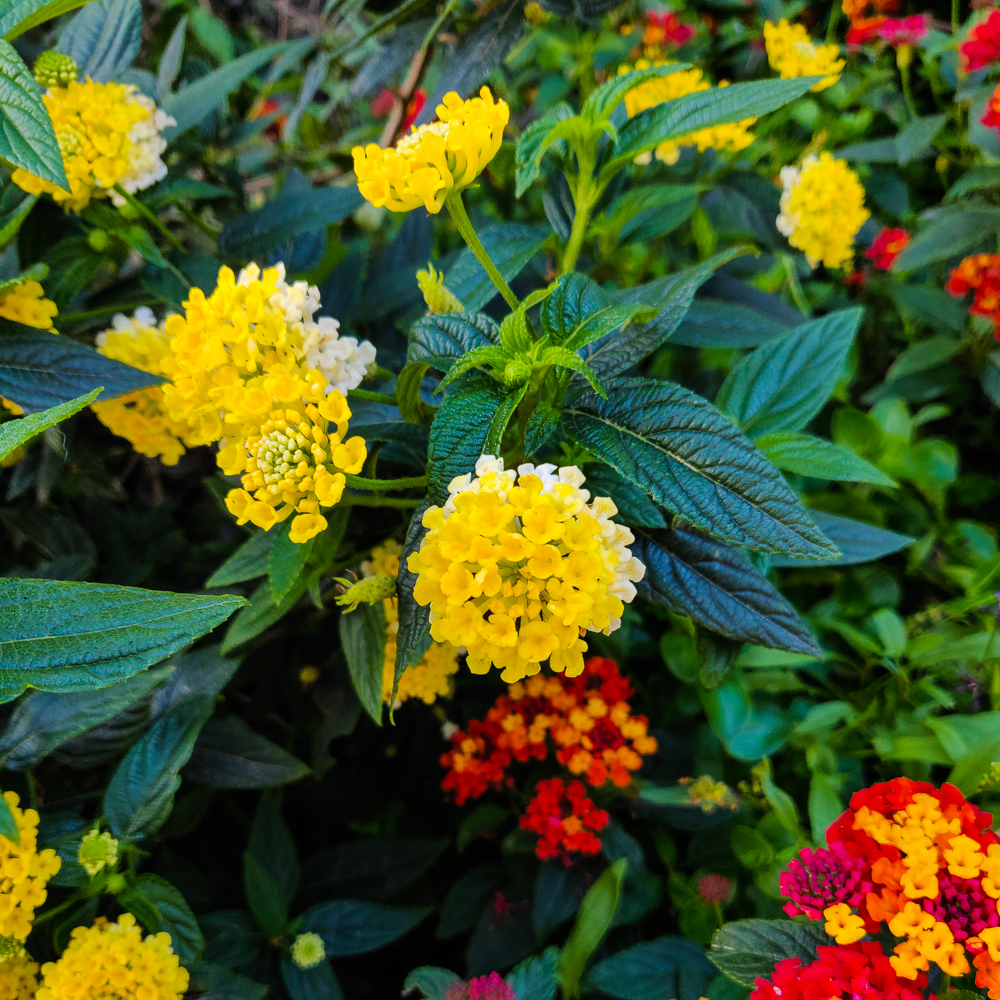
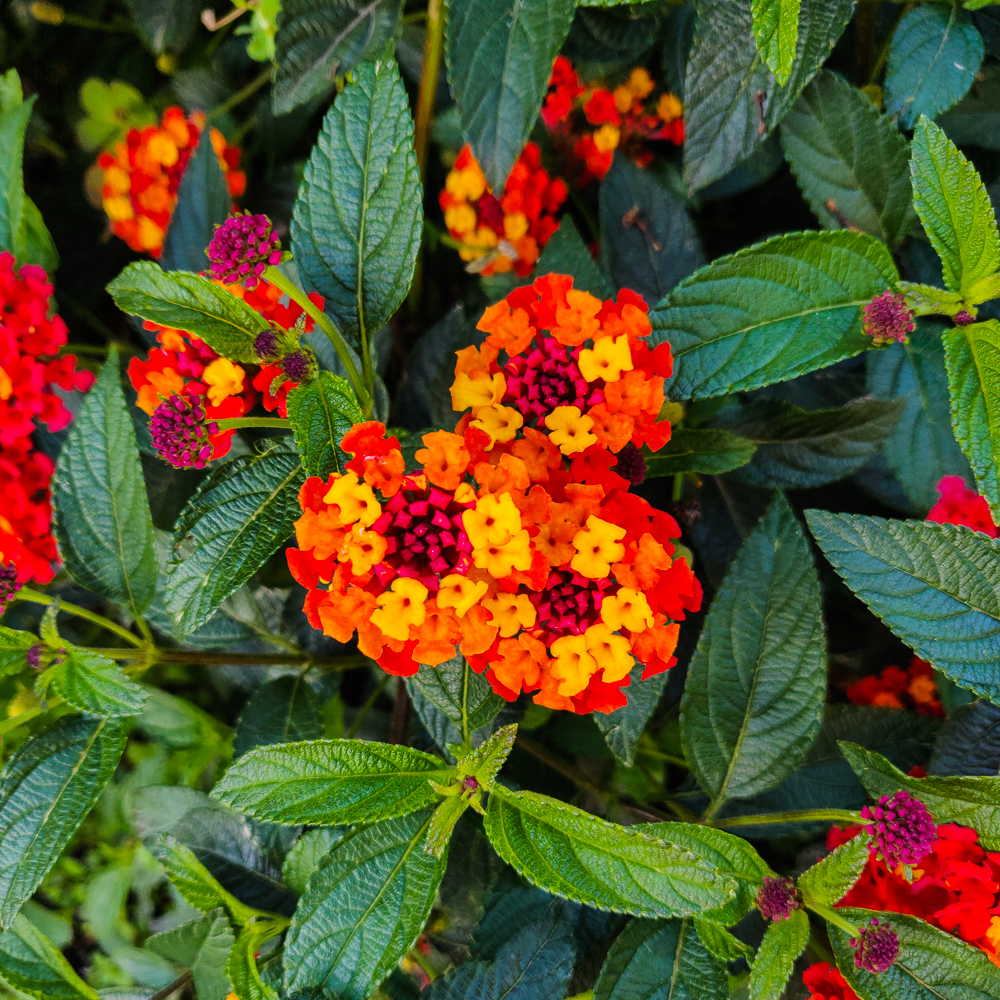
I LOVE THESE. They’re some of my most favorite flowers, and lucky for me, they’re not just found in Ecuador. I’ve even seen people growing them in our neighborhood in Pennsylvania! They’re “lantanas” which I only know because I love them so much and figured it would be good to find out what they’re called so that I can have some someday.
They come in a bunch of different colors.
AND I LOVE THEM ALL.
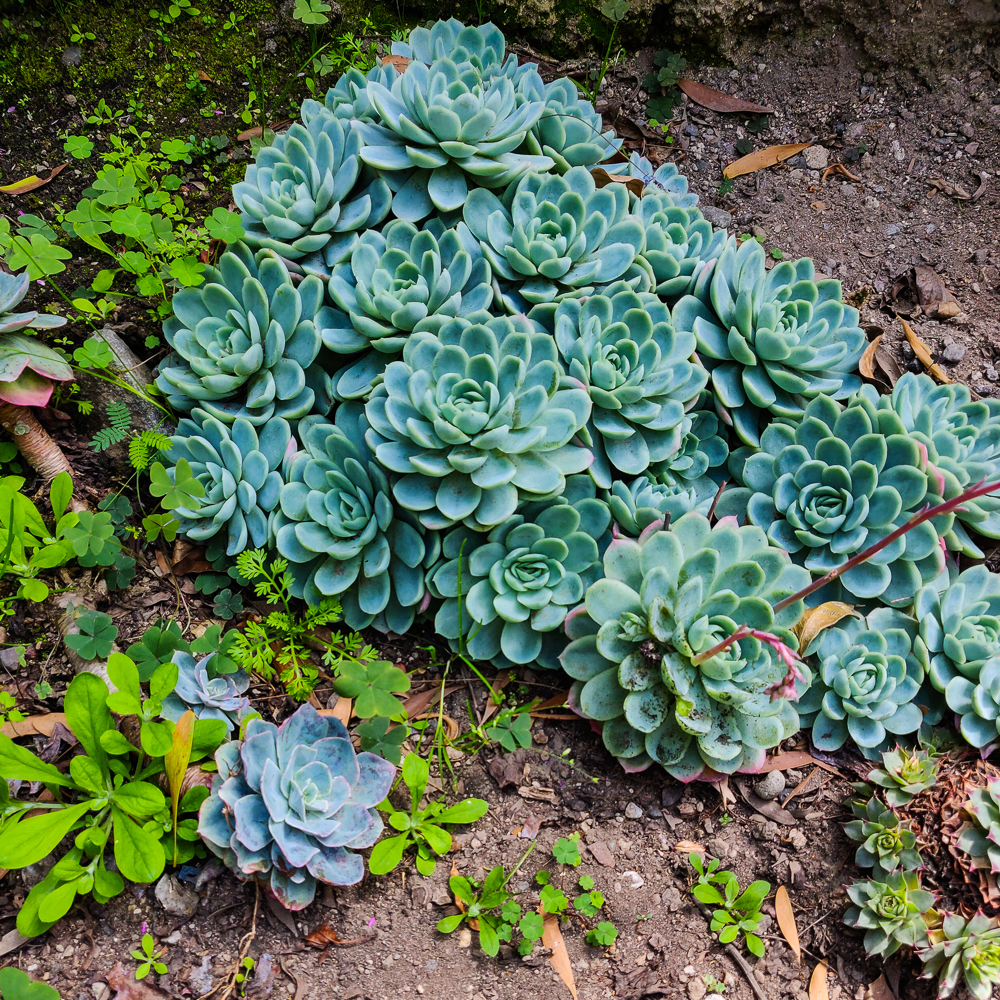
Some succulents from the cactus area. I think succulents are so interesting and also am sure that if I ever got one, I’d do the impossible and manage to kill it.
The colorsss!
I laughed at this… palm tree? It kind of looks like a ginormous aloe plant, but pretty sure it’s a palm tree? Also, those fronds are a little spiky and VERY intense
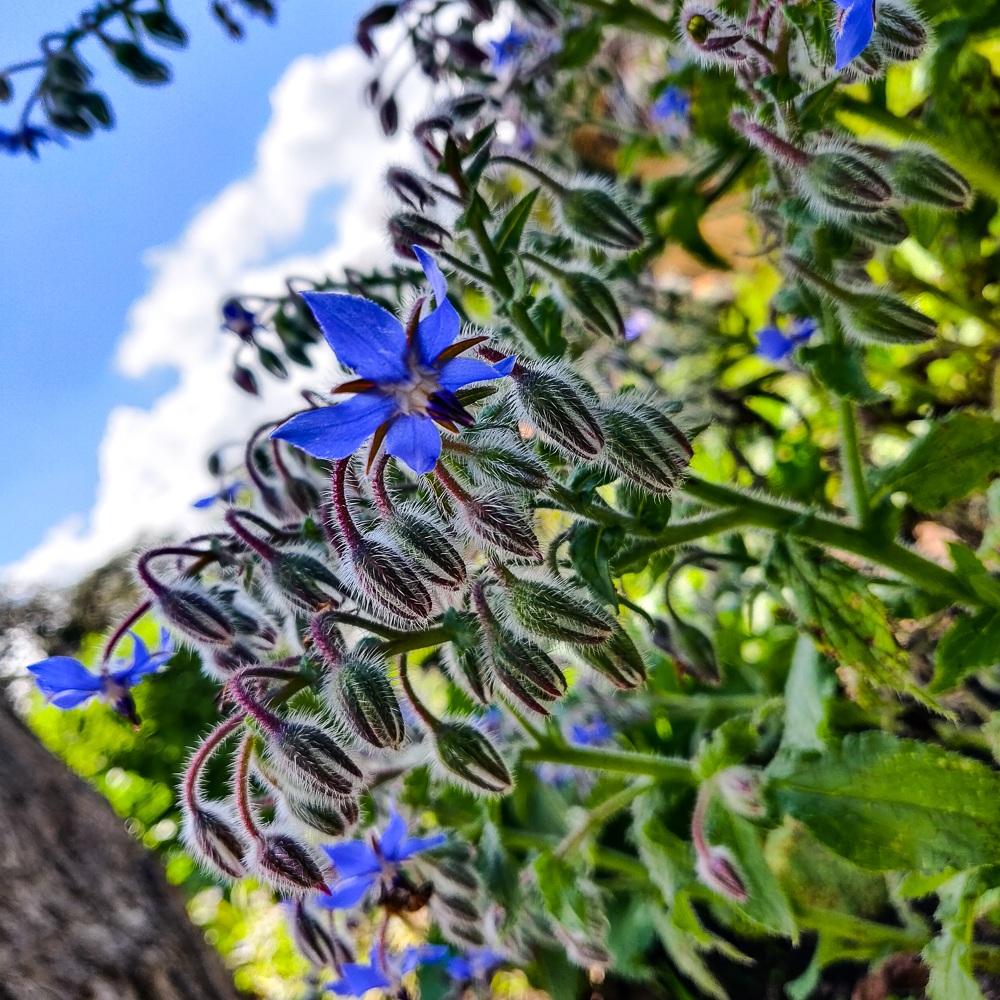
These. I love them. A part of me wants to eat them because they look a bit like a delicious candy. Also, honestly, they might just be weeds that were growing but I don’t care. I’m no flower snob.
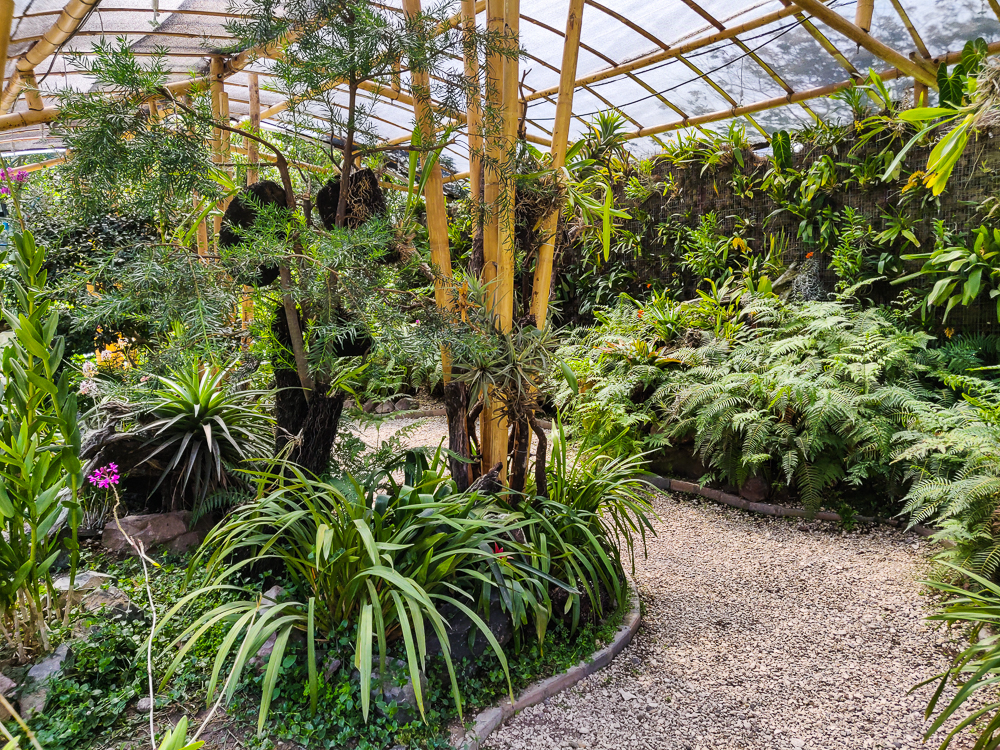
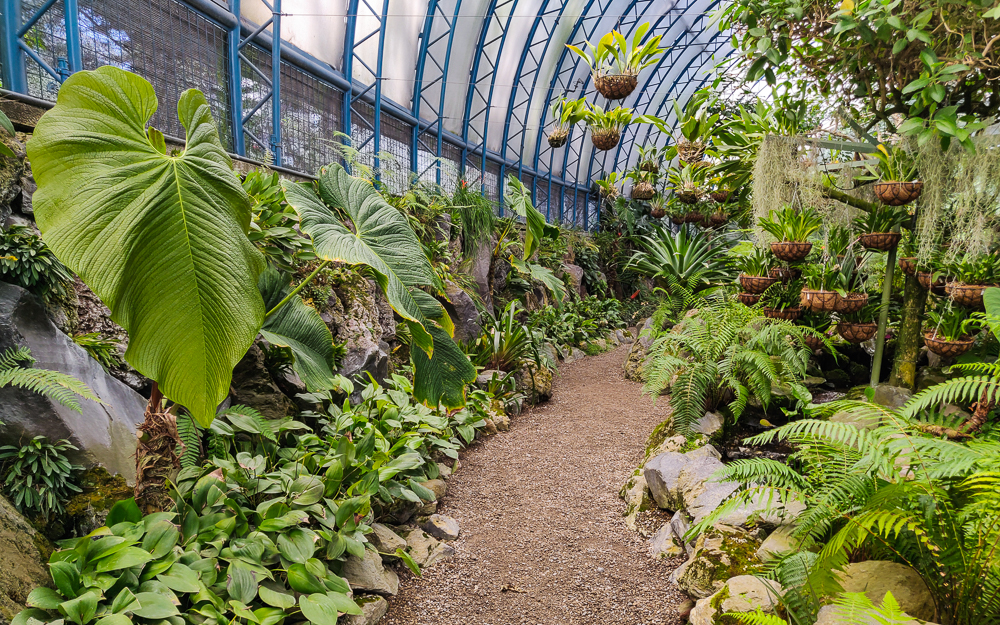
The greenhouses are beautiful! So picturesque.
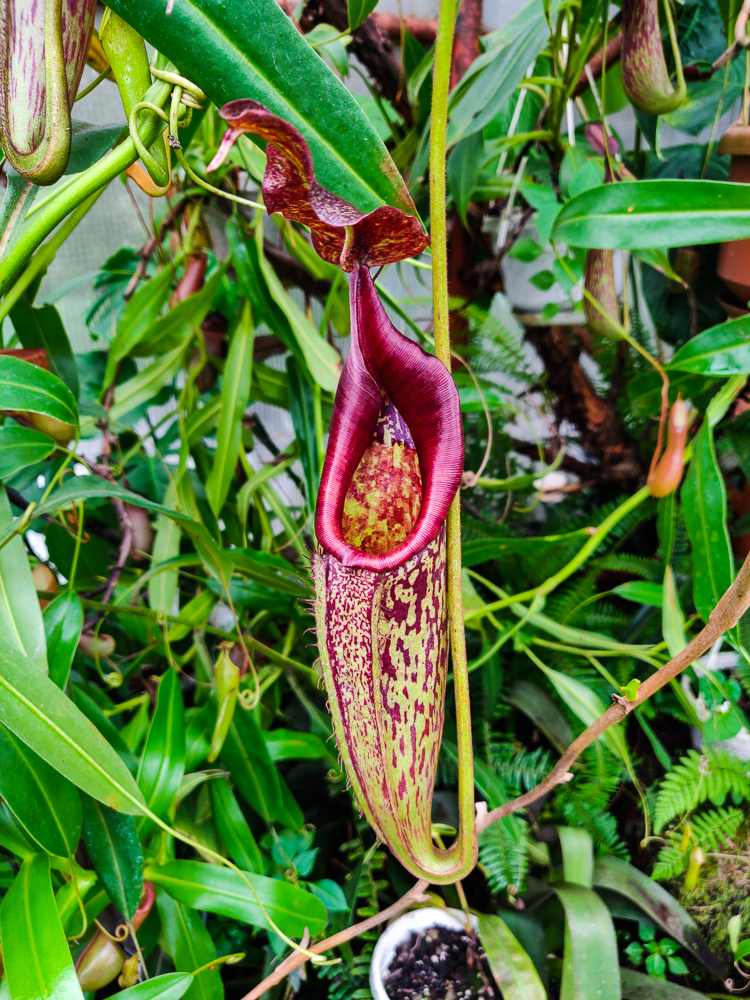
This is in the “carnivorous plants” greenhouse. When I first got to the gardens, someone went over the map with me and gave recommendations (in Spanish) for where I should go/in what order. I think that I was focusing so hard on understanding what he was saying that when he got to “carnivorous plants”, my mind was so busy translating that it said, “Wait, WHAT?” My eyes got super wide, and pretty sure I looked terrified. He laughed at me and assured me that they don’t eat people. I felt so silly afterward because DUH, I know what carnivorous plants are, but my brain just failed to process the information properly. Whoops. Oh well. Happy to entertain. Anyway, here they are. Ready to eat me.
These have to be the weirdest plants. (Also, I have to admit that even though I knew they weren’t going to eat me, being around them gave me the creeps.)
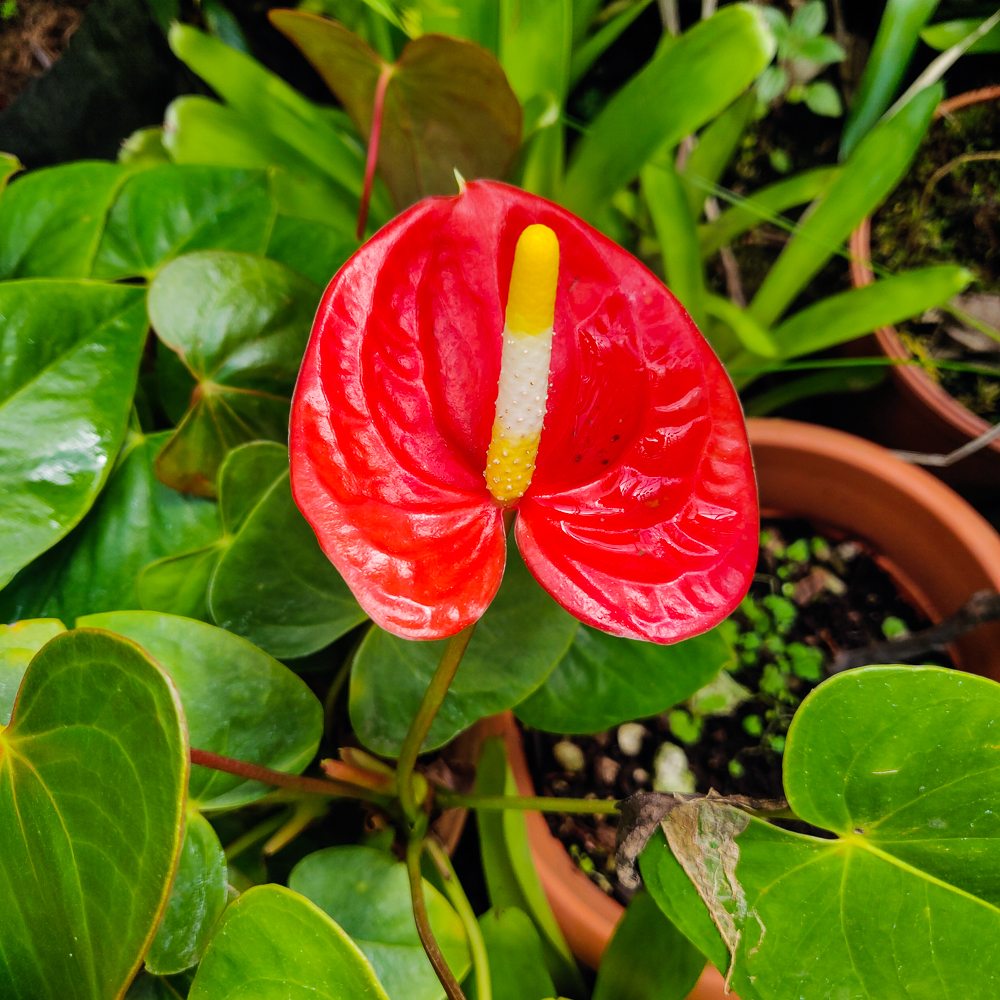
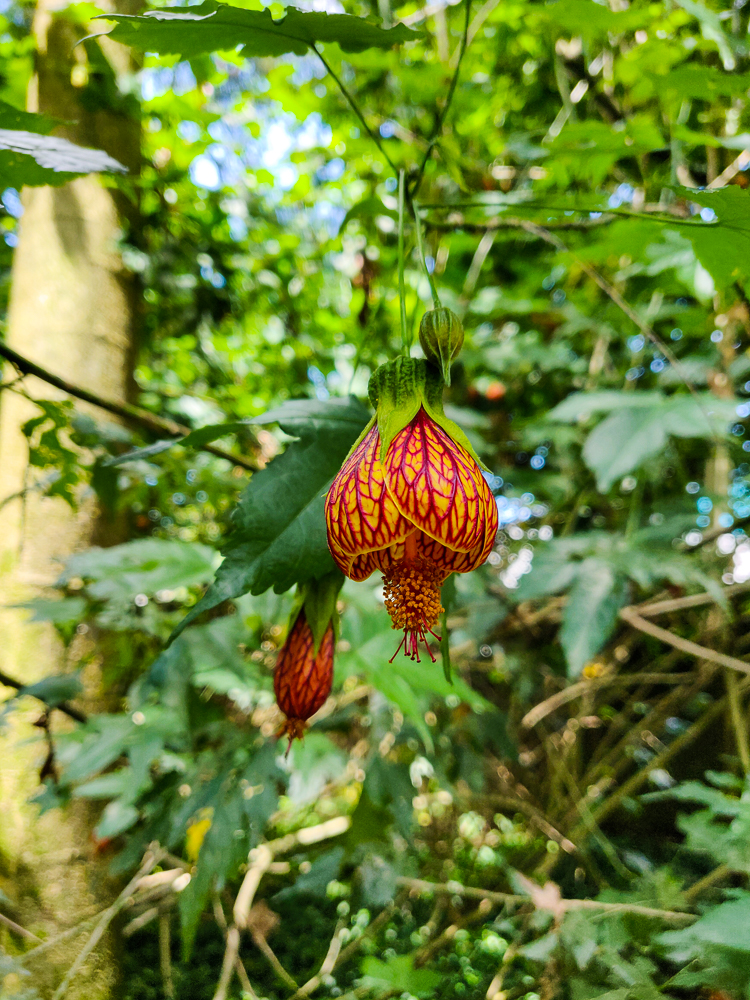
This is not a human-eating flower. It’s just a fun, pretty, dangly flower!

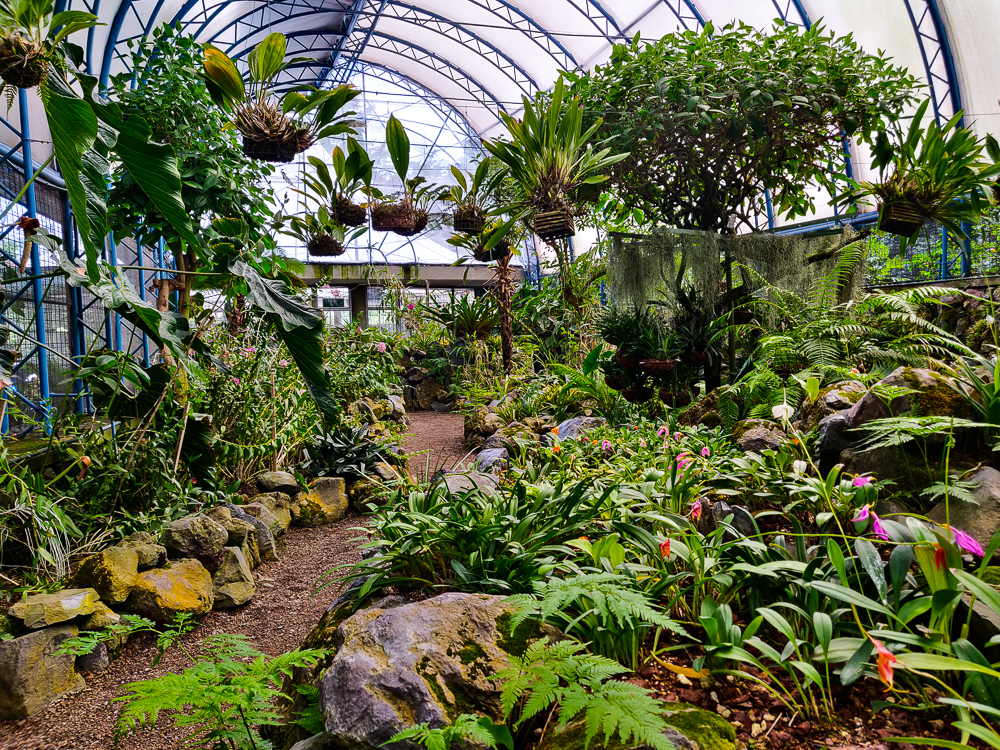
The orchid greenhouse was one of my favorites! There are over 4,000 identified species of orchids in Ecuador, and it has the most endemic orchid species (meaning they occur naturally ONLY in Ecuador) of any country – over 1,700! The botanical garden hosts more than 1,200 species. I didn’t know much about orchids and still don’t… BUT, now I’ve seen a ton of them, and I love them.

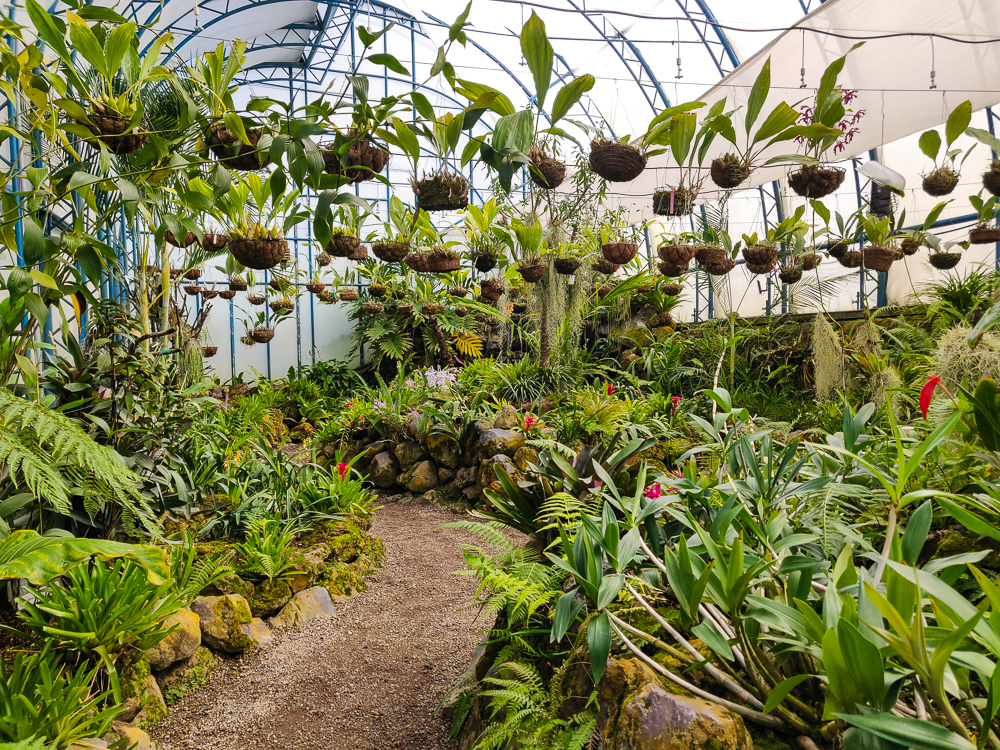
Here’s one of the orchid greenhouses
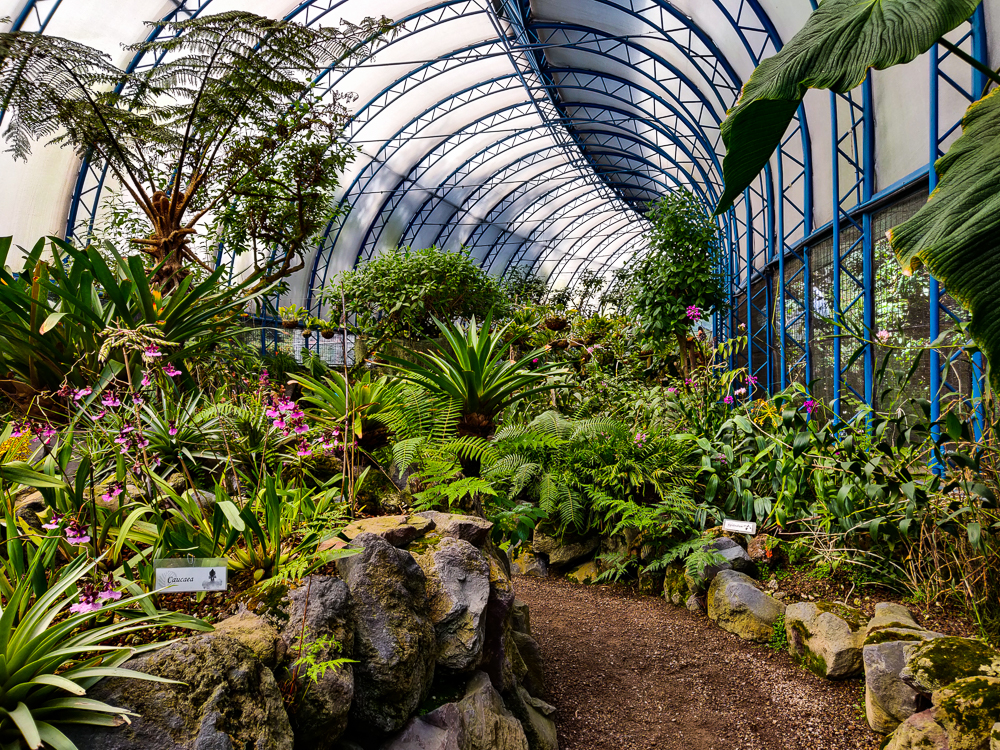
Prepare yourself for SO MANY ORCHIDS.
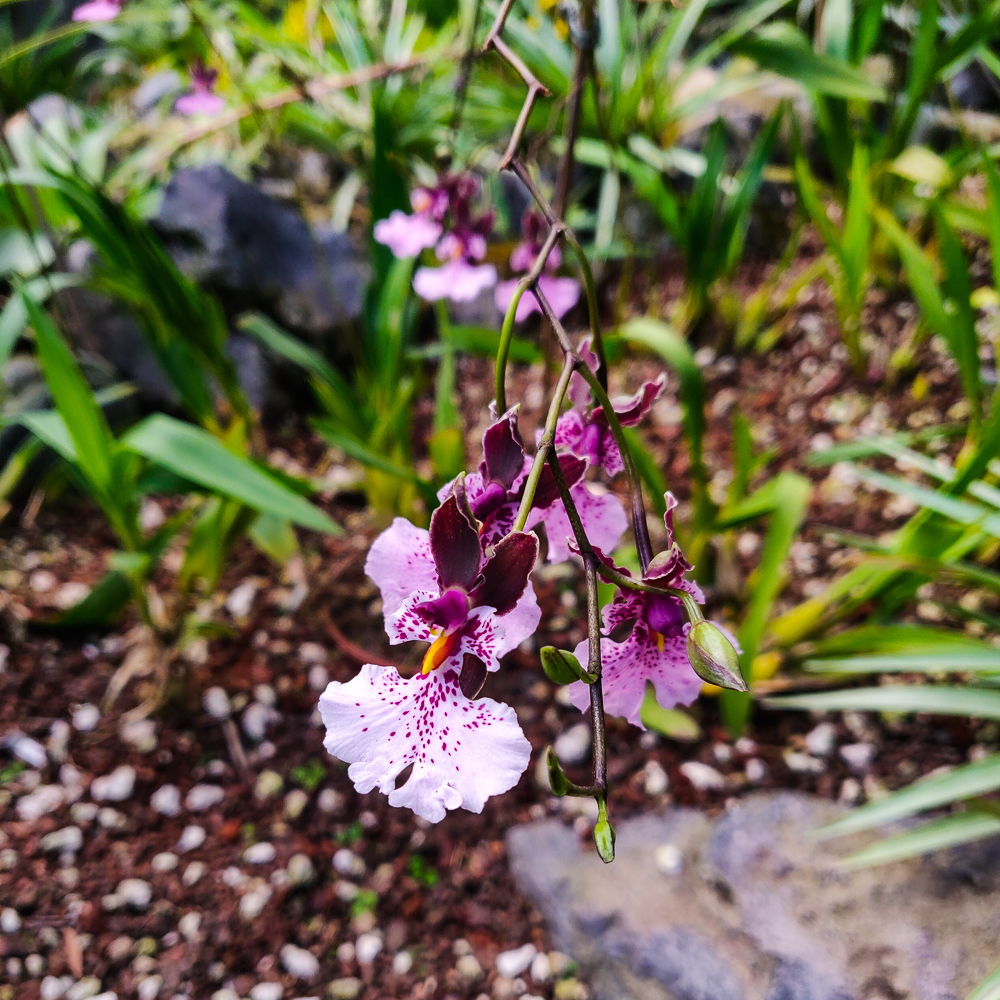
But remember, there are 1200 species in the botanical gardens, so this is like nothing.
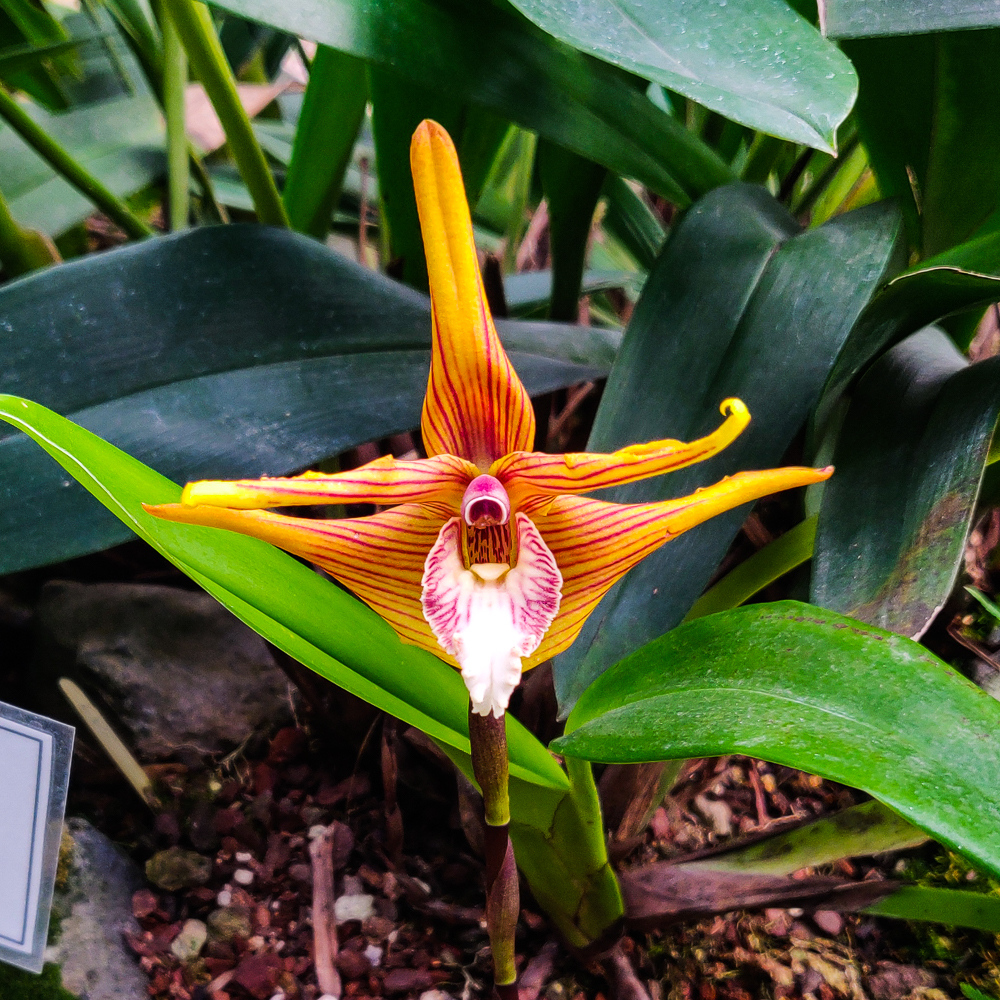
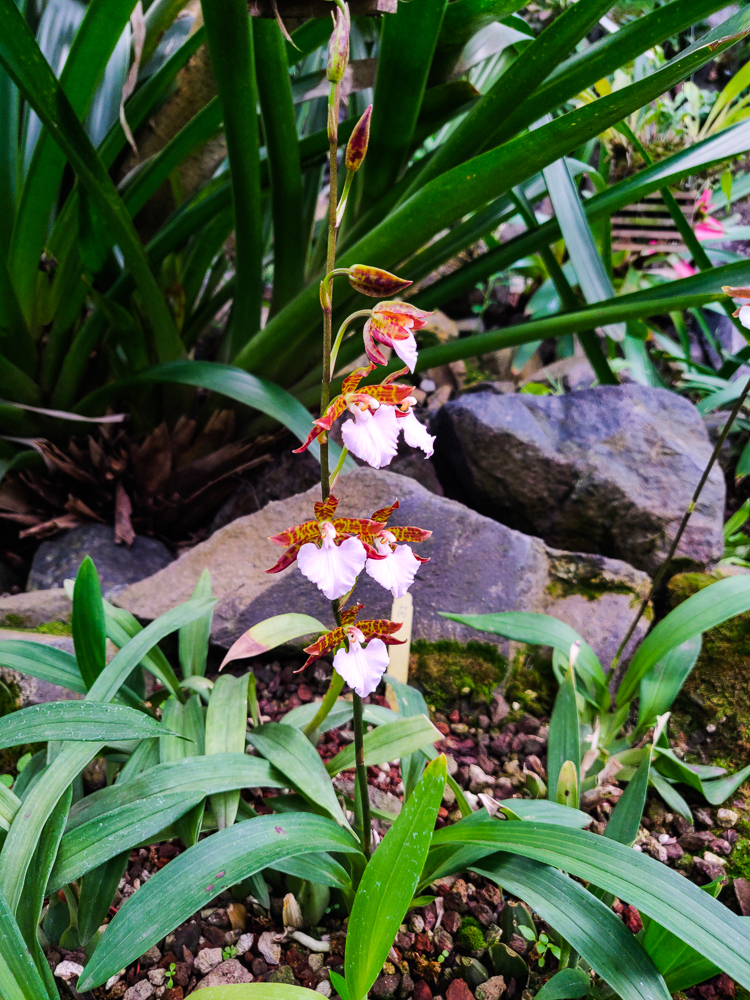
They’re so interesting! They just look totally different from other flowers
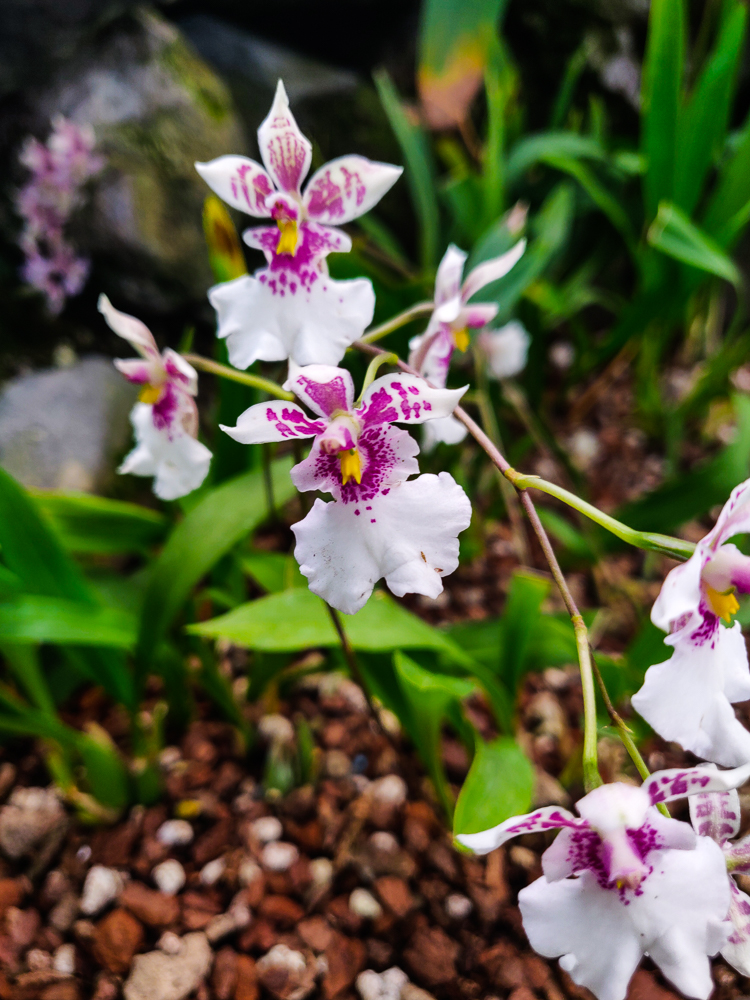
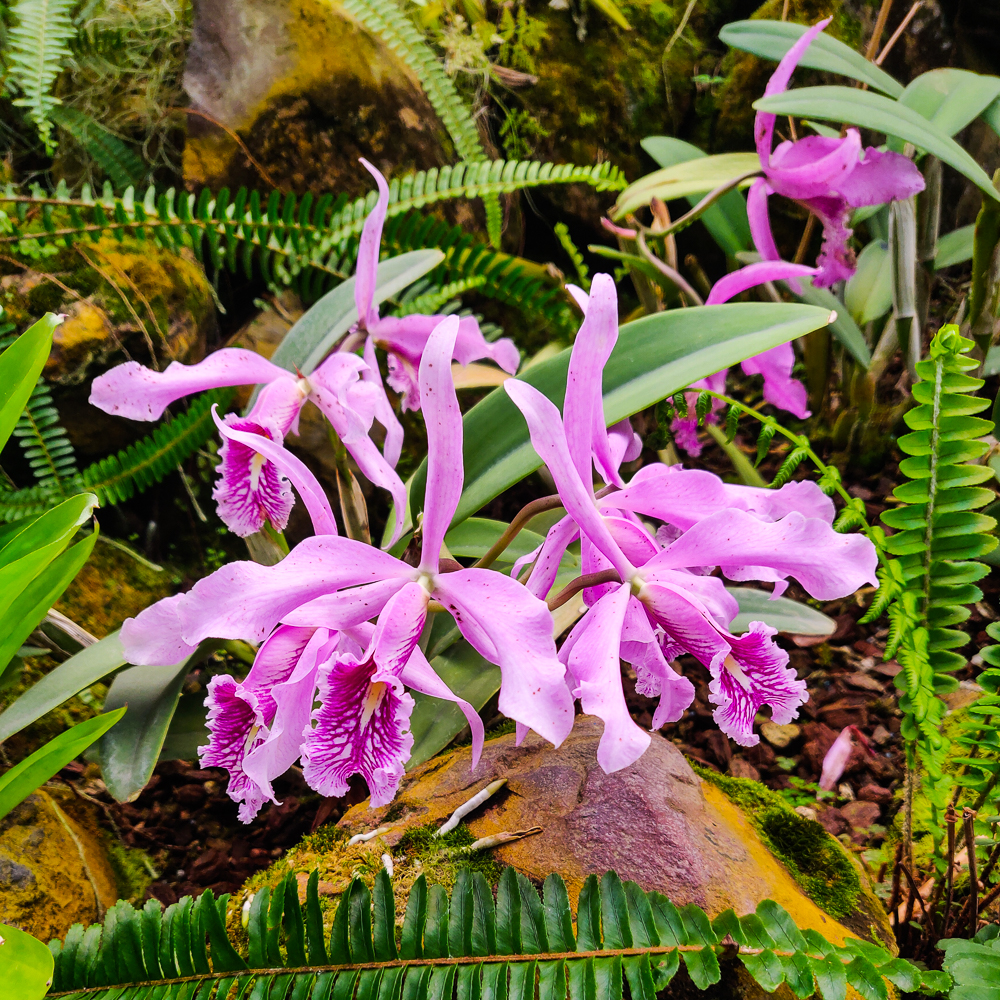
Ooo these are super cool with the multi-colored top and the white bottom! And I clearly have no idea what I’m talking about. Except that they’re definitely cool.
I know that this is totally manmade, but they did a good job of making it feel like a little bit of organized chaos, just like natural nature.
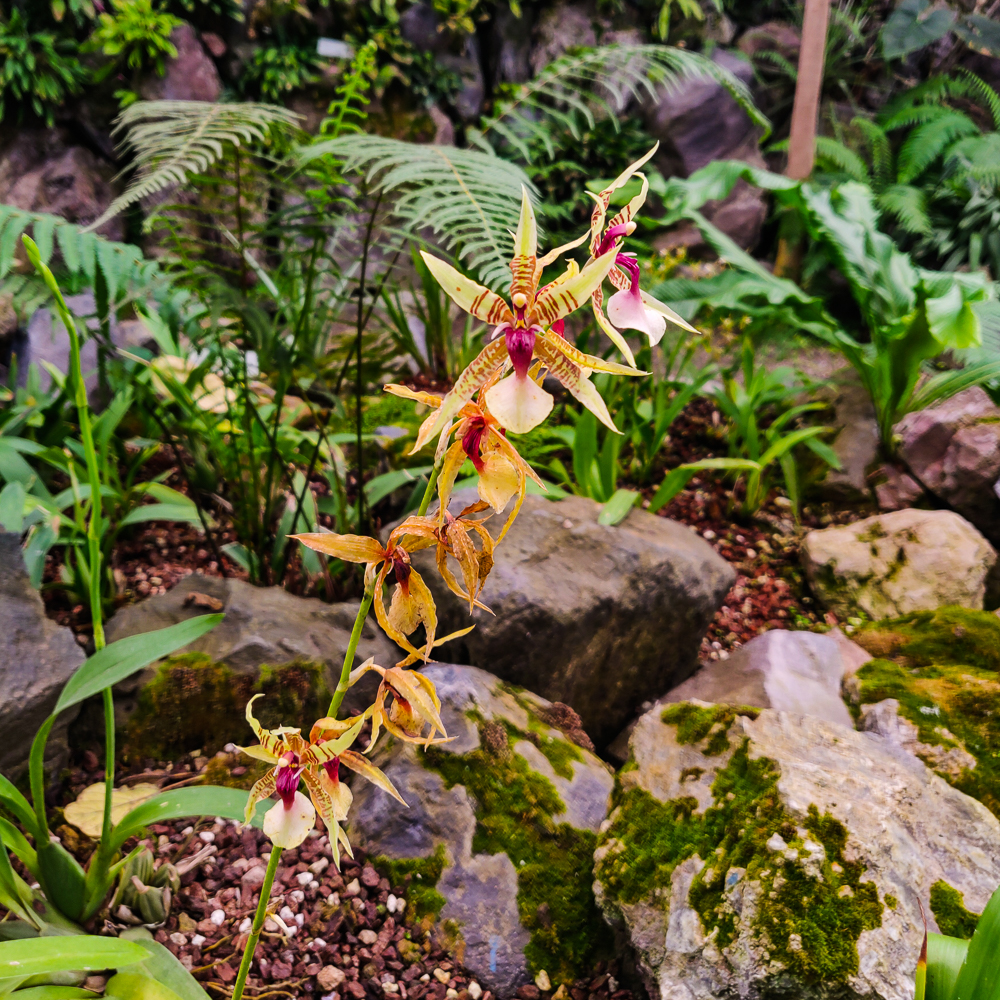
THESE. I don’t have anything else to say. Just look at them!
I think that’s all for my orchid collection.
The plants suspended overhead are my favorite part
THE COLORS!
THE SHAPES!
Okay, just ONE MORE greenhouse picture.
Love love loveee

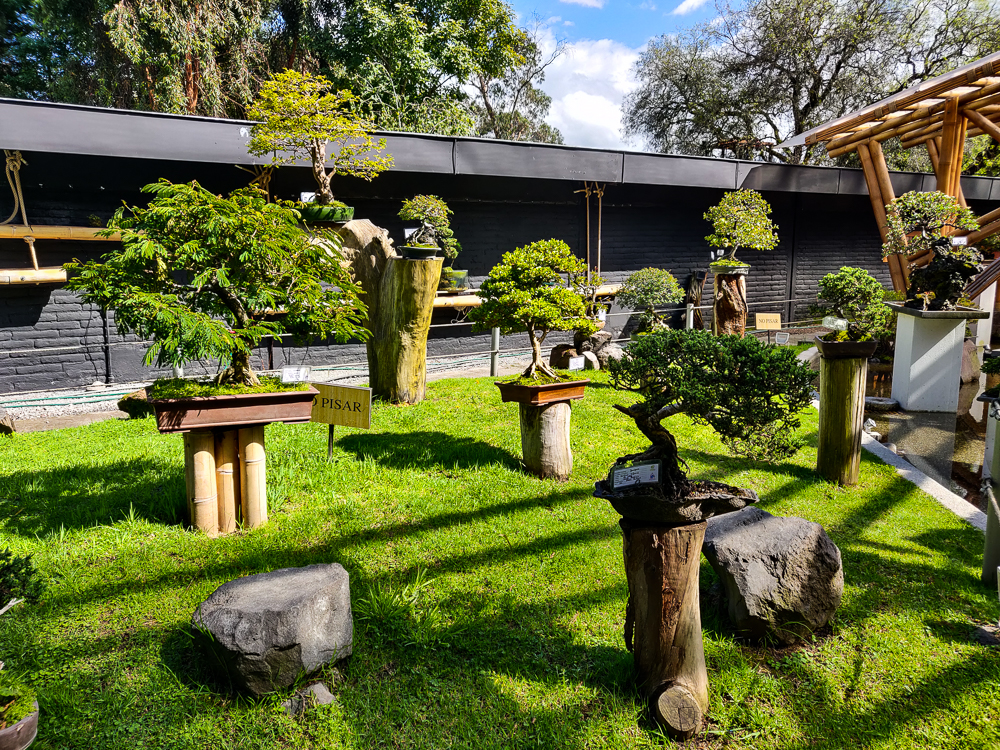
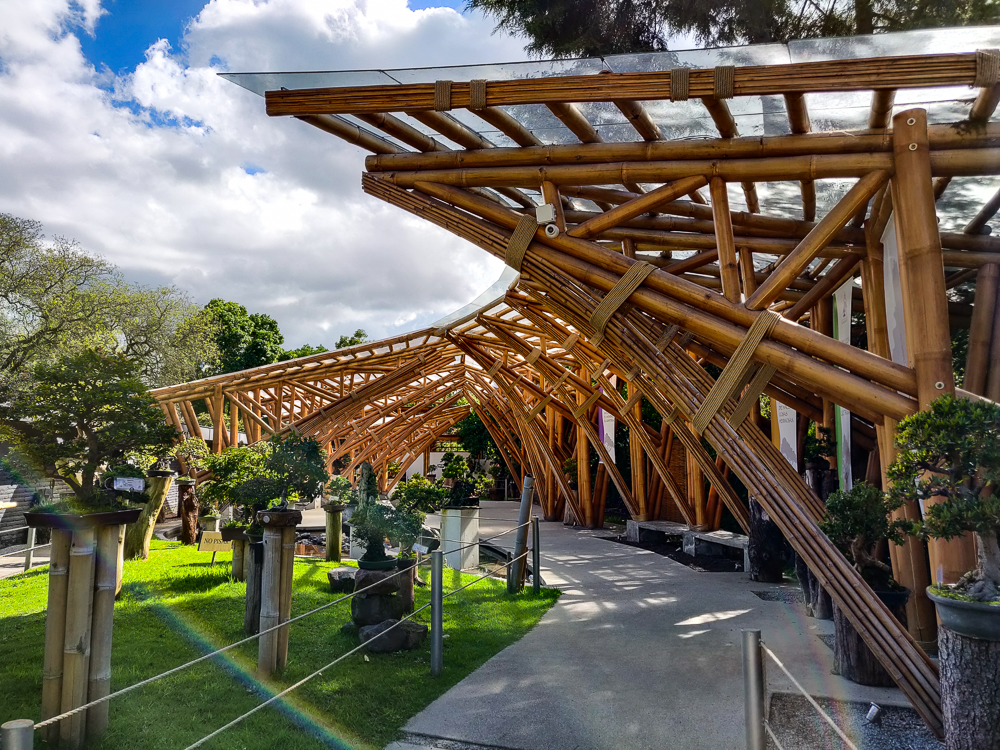
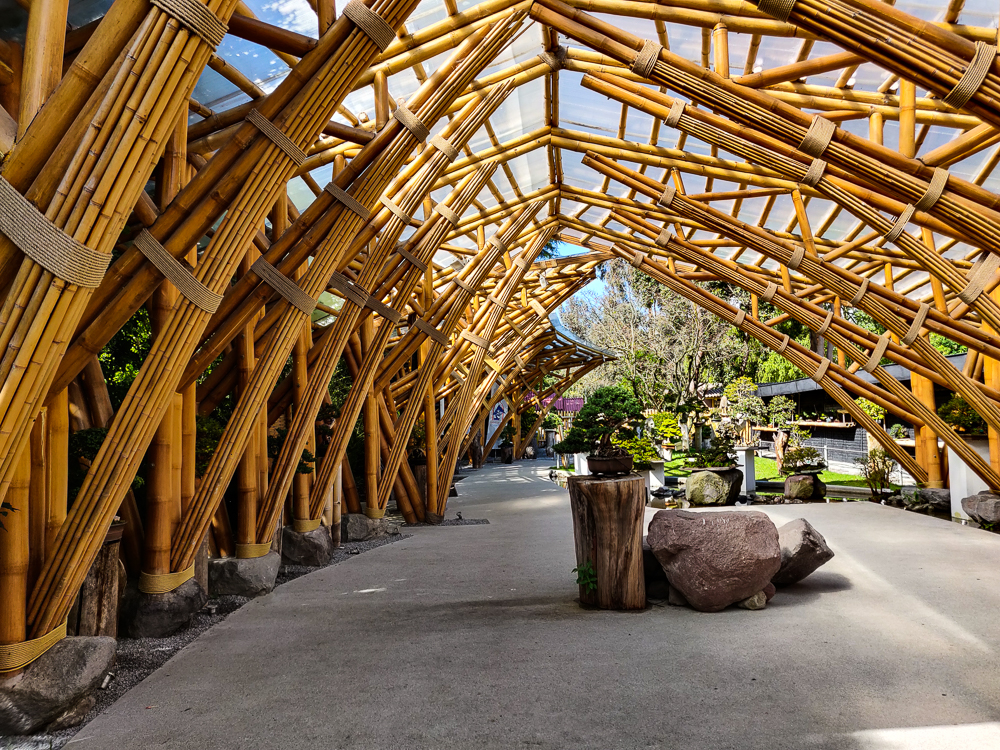
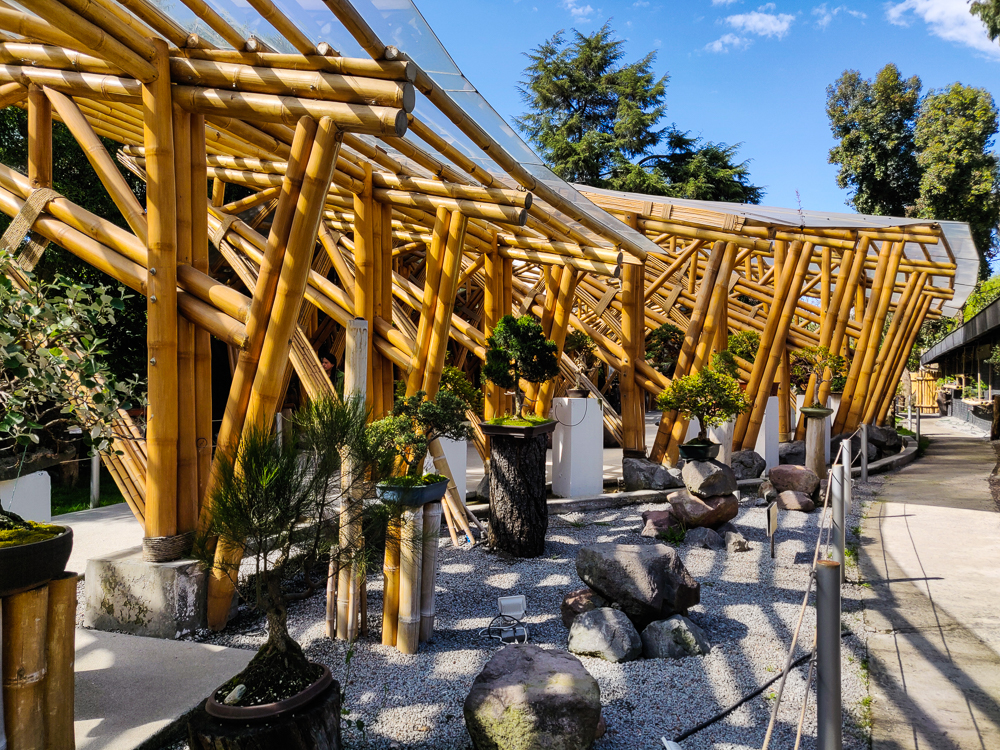
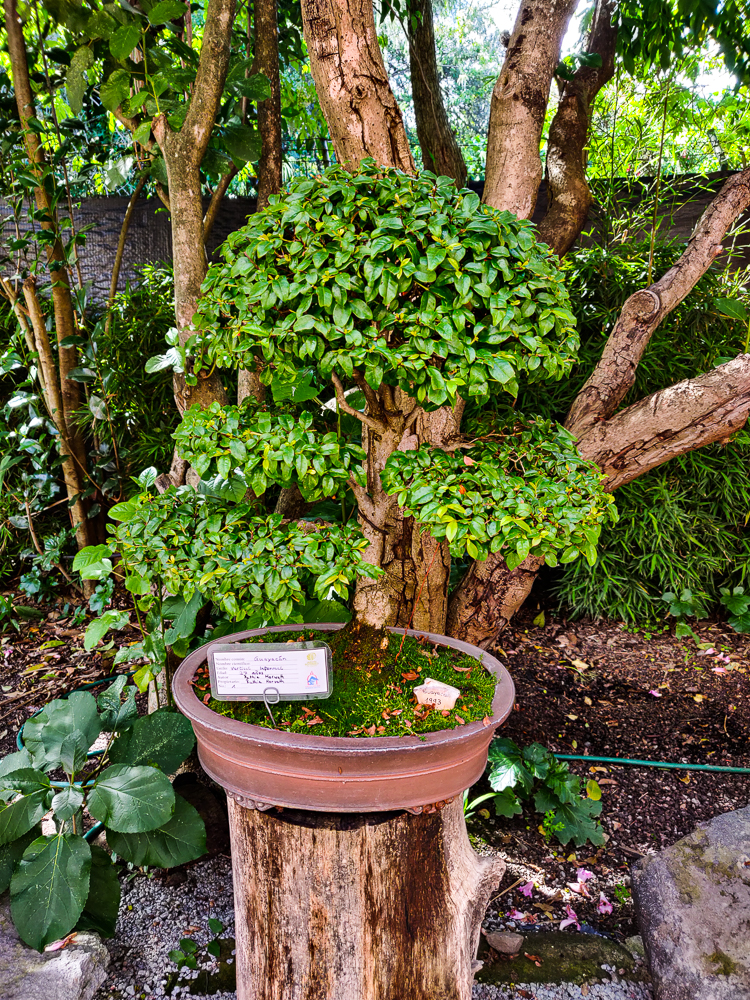
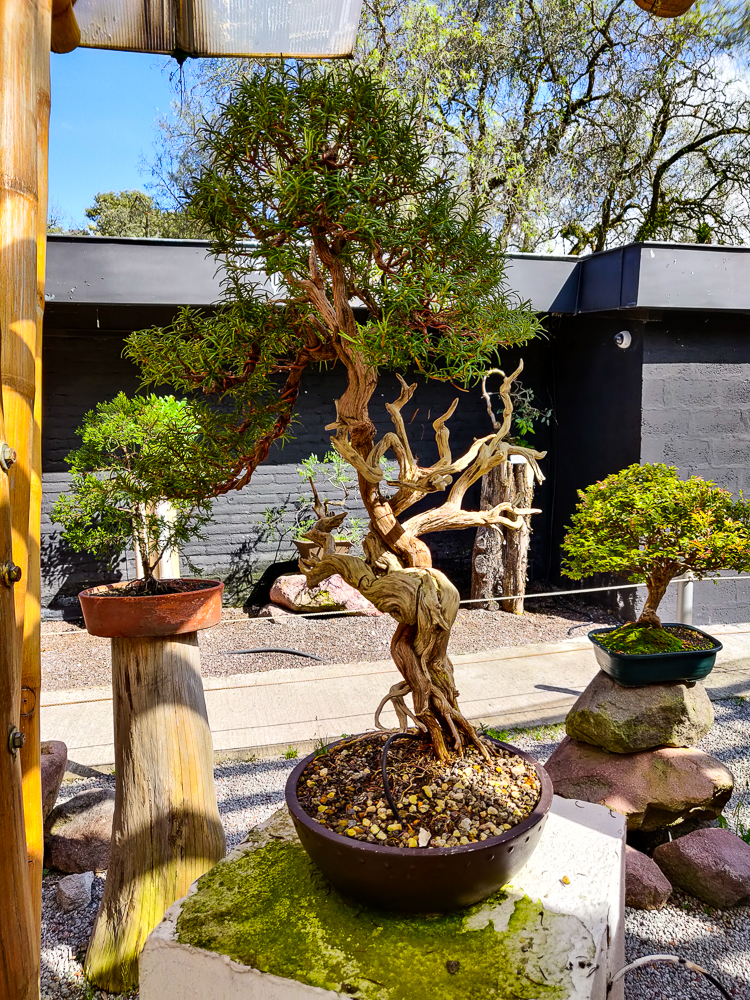
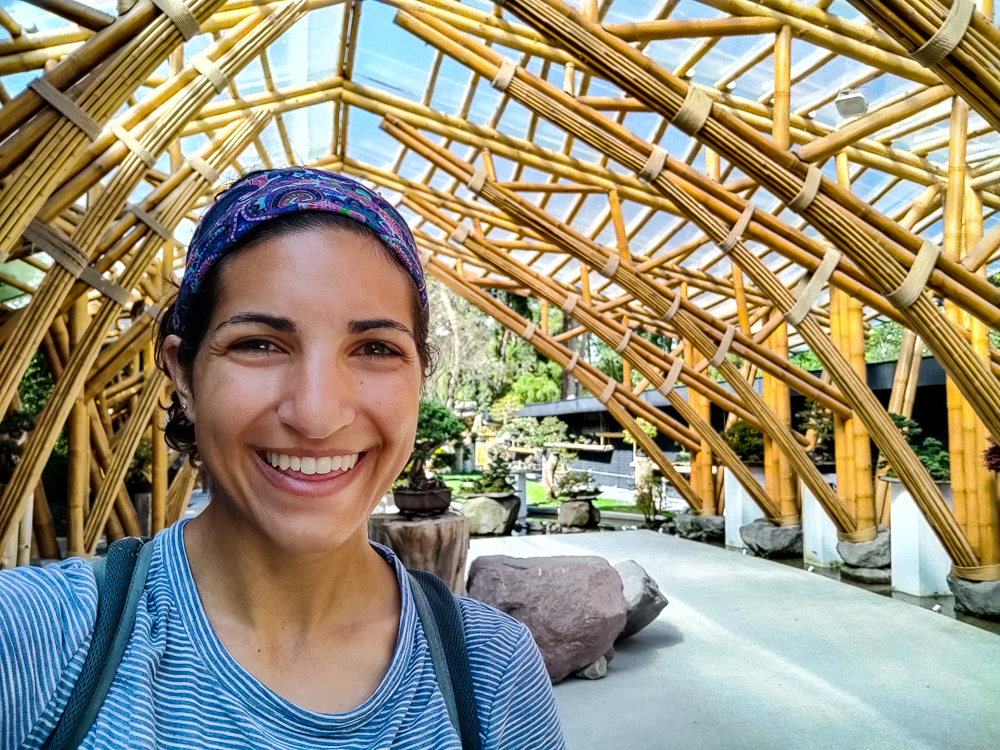
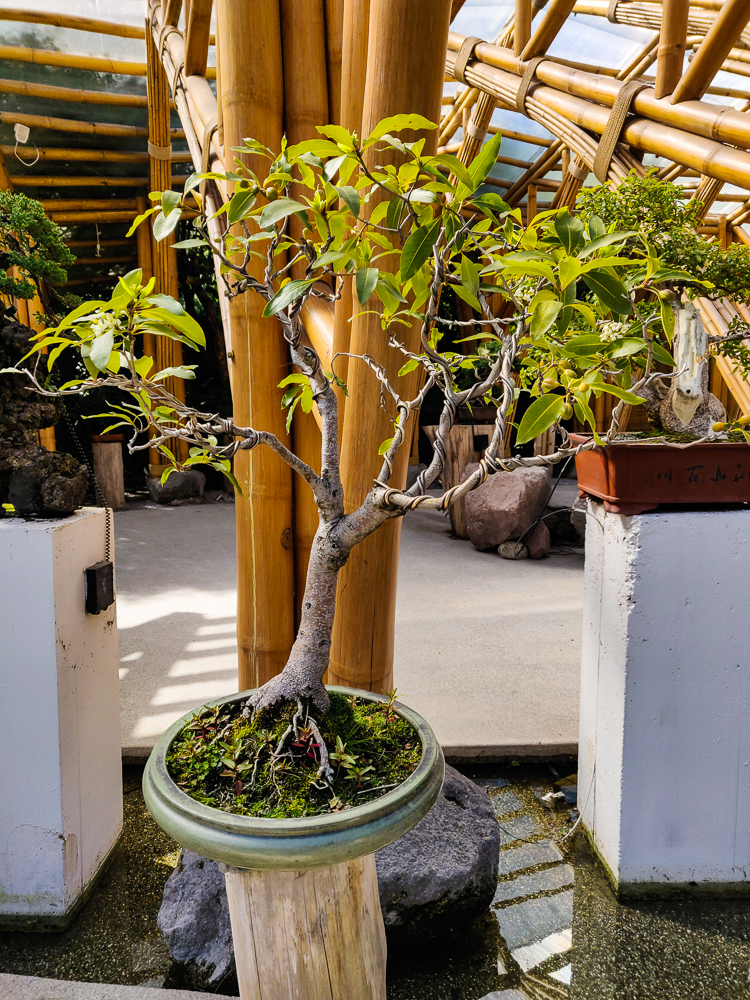
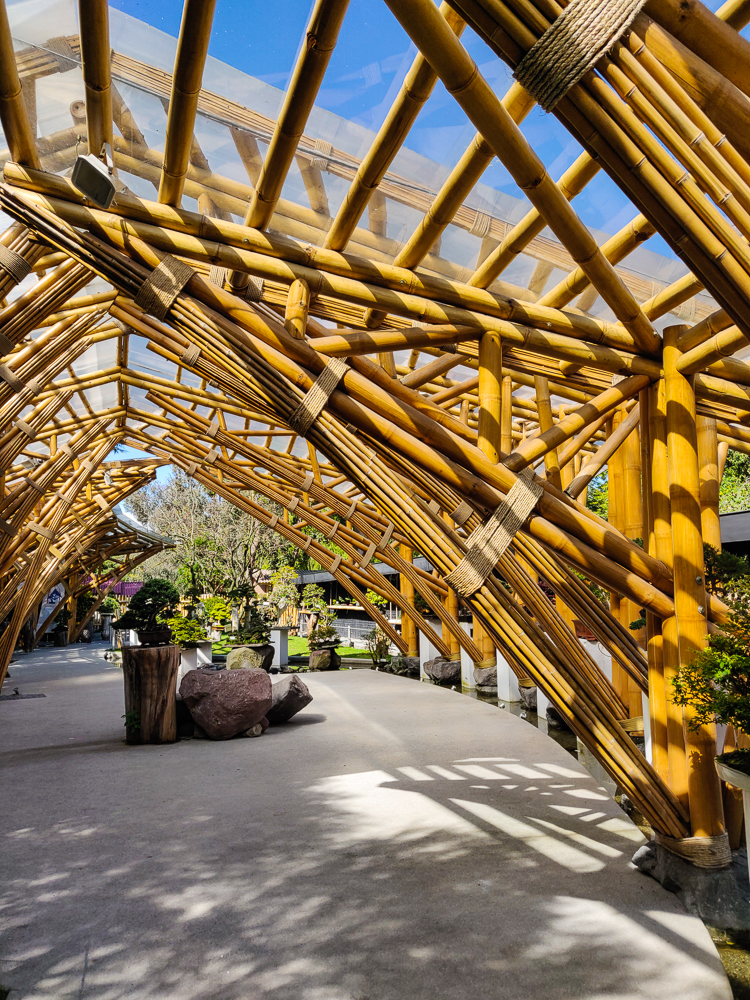
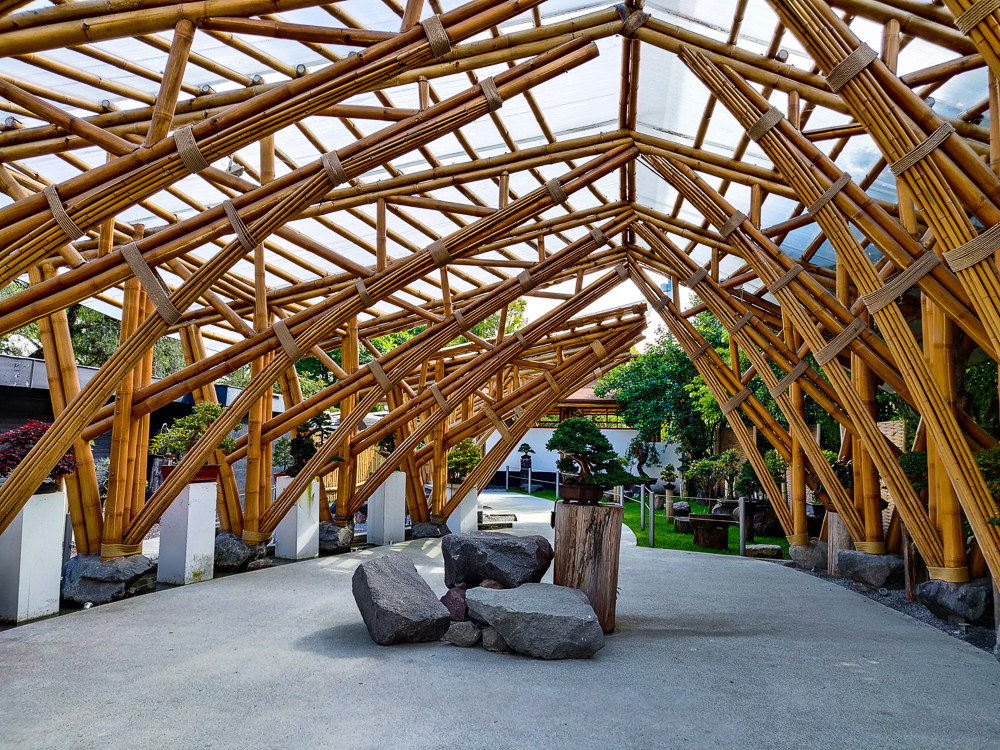
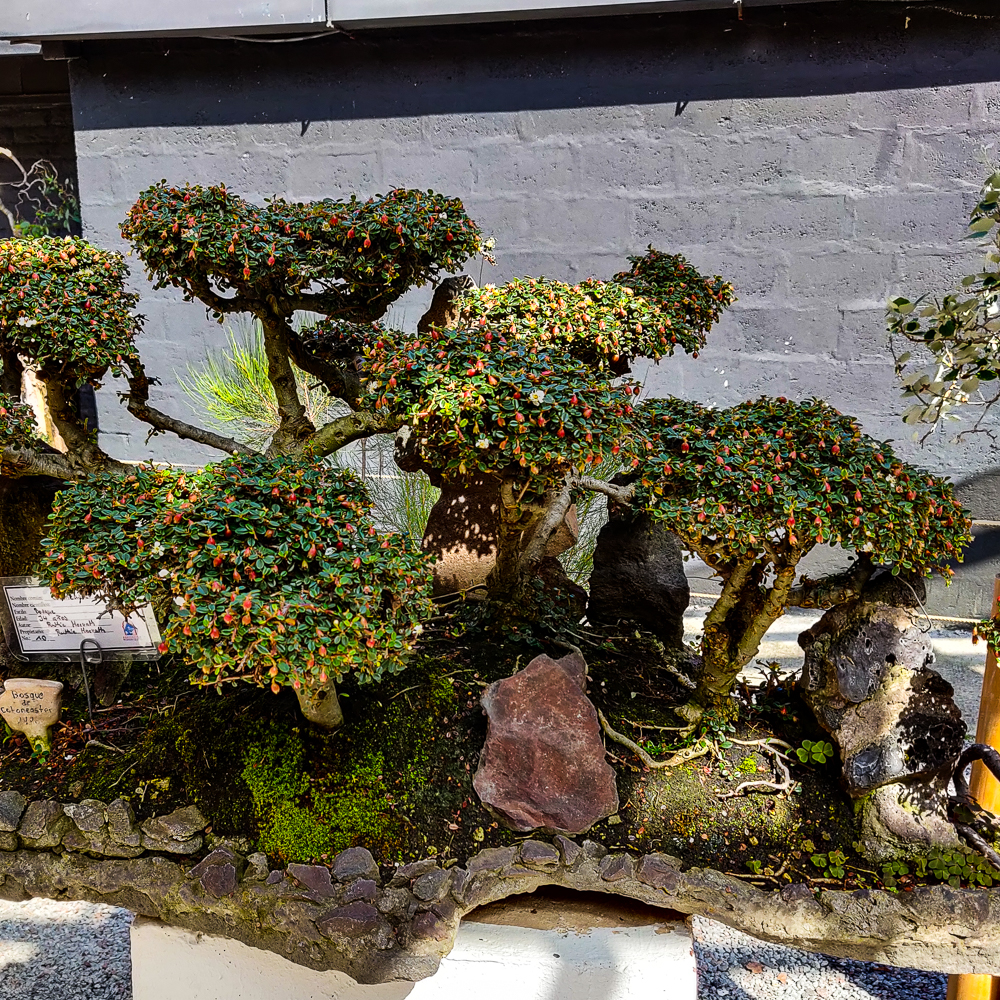
Eventually, my wanderings led me to the botanical gardens’ collection of bonsai trees. This was fantastic for multiple reasons. First, bonsai trees are fascinating. Second, they’re housed in the most incredible bamboo structure. I spent more time looking at the bamboo than I did the trees… oops. But come on, can you blame me? Check it out.

Lots of little bonsai trees on their own little podiums
ADMIRE THIS, PLEASE
IT’S PERFECT
Trees, trees, trees!
I know that this is probably the dumbest thing I can say… but look at this! It’s just like a tiny tree! (Duh, Lara, that’s the whole point… I KNOW. But it’s still mind-boggling.)
ANOTHER TINY TREE
Never been happier.
The artistry!
Interrupting the bamboo content with another tiny tree…
…anddd we’re back!
Truly a bamboo masterpiece
Okay, last one. But this one has what looks like tiny little flowers on it, and I am in awe. It’s just like a tiny tree.

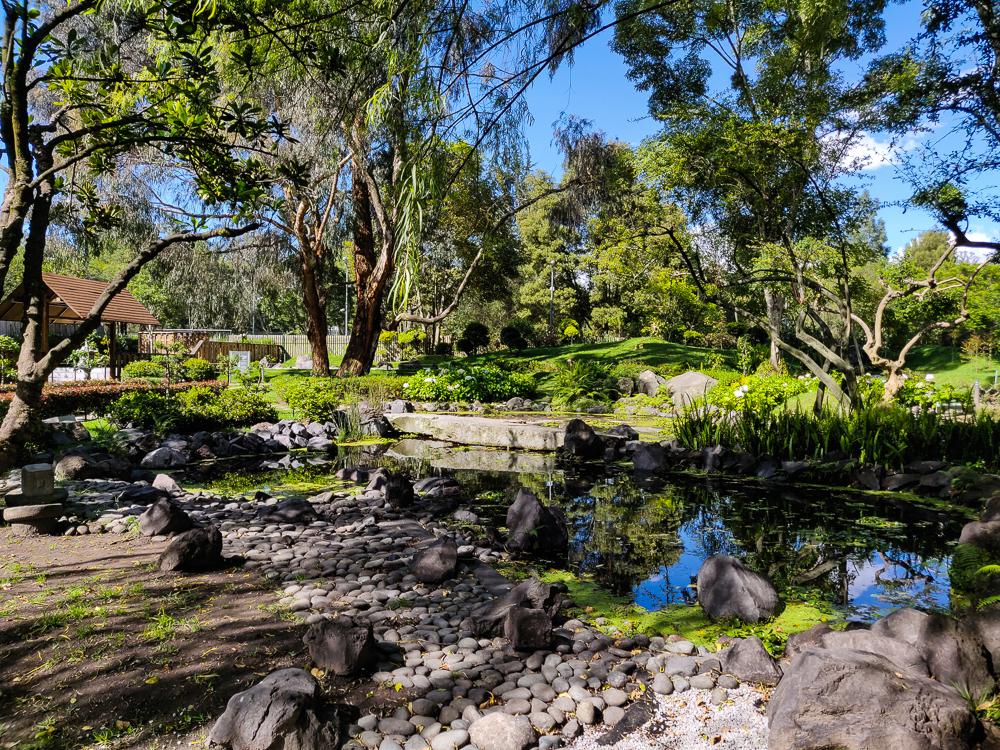
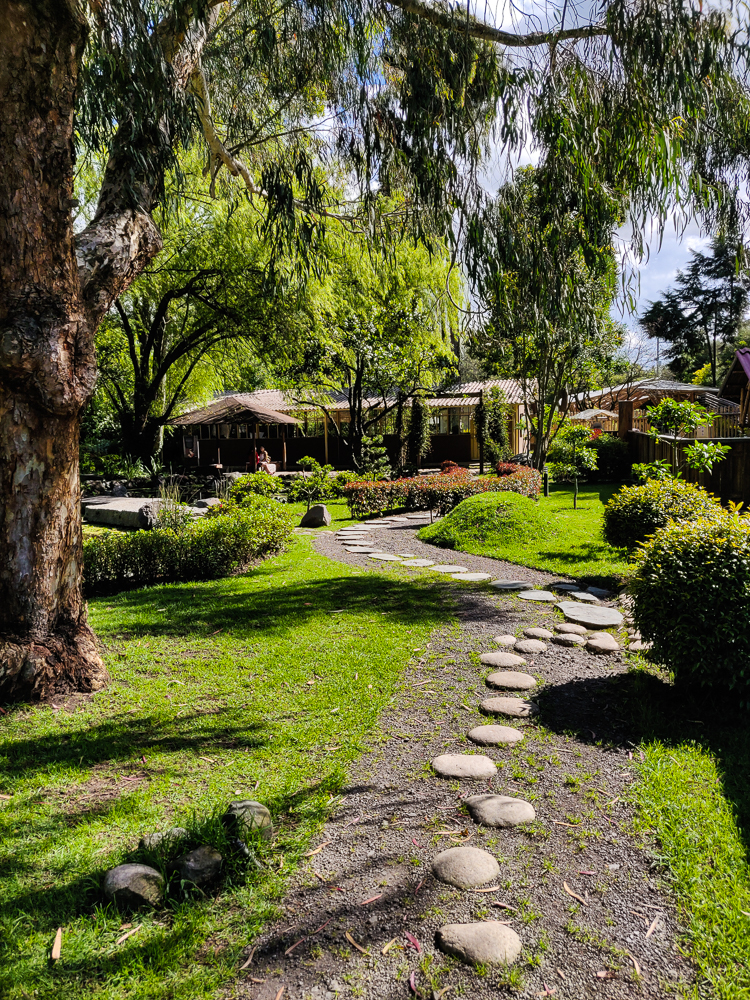
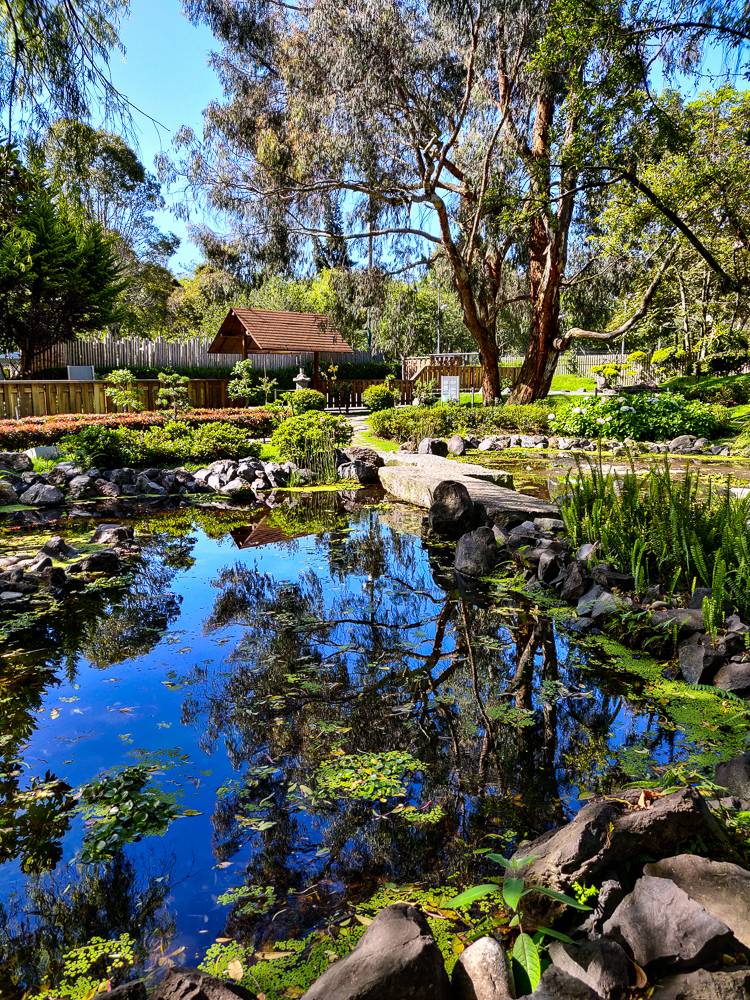
I ended my visit in the Zen garden and, since I had nowhere to be, I spent nearly an hour sitting by the pond, enjoying the peace and quiet and reading a book. The botanical gardens are in the middle of a busy park, but somehow, they block out the noise and feel like a secret, silent oasis.

Altogether, I spent about 4 hours in the gardens. I was shocked when I checked my watch. It was like a time warp! It was also the perfect way to start my time in Quito and ease back into sightseeing mode. Calm, relaxing, and beautiful… what more could you want?

Don’t you feel relaxed just looking at it? I feel relaxed.
Zen garden path
The view from my reading spot

Does it feel like we’ve been in the Galapagos forever? Well, there are certainly worse places to spend however many months it’s taken me to write these posts. Believe it or not, though, we’ve made it to the final full day of our trip! We had one last tour scheduled, and the day kicked off when my alarm went off at 6:30AM… approximately 30 minutes after I fell asleep after spending most of the night trying, and failing, to fall asleep through the New Year’s party happening in the town square. Anyway, suffice to say that the day wasn’t off to an ideal start.

On top of that, it was raining. Of course. I was hoping that it would be like some of the other days when it rained in the morning but stopped by the time we got to wherever we were going, but we weren’t so lucky. The good news is that it’s hard to have a bad day in the Galapagos! Even with the rain, we got to see some amazing things.

Our destination for the day wasn’t too far away. We were headed to Los Túneles (The Tunnels), an area on Isabela Island (where we were staying) that’s known for being a great snorkel spot and for its lava formations. We’ll get to that, but first… it takes about 40 minutes to get there by boat, and on the way, we saw manta rays in the ocean!! I don’t think I even know that these things existed, and if you’re like me… think stingray, but HUGE. The ones we saw were probably at most 10ft (3m) from fin tip to fin tip, but on average, they’re about 15ft (4.5m). At their largest, they can be 23ft (7m) across! Oh, and weigh 6600lbs (3000kg). HOW did I not know about them?? Man, the ocean is a CRAZY place.

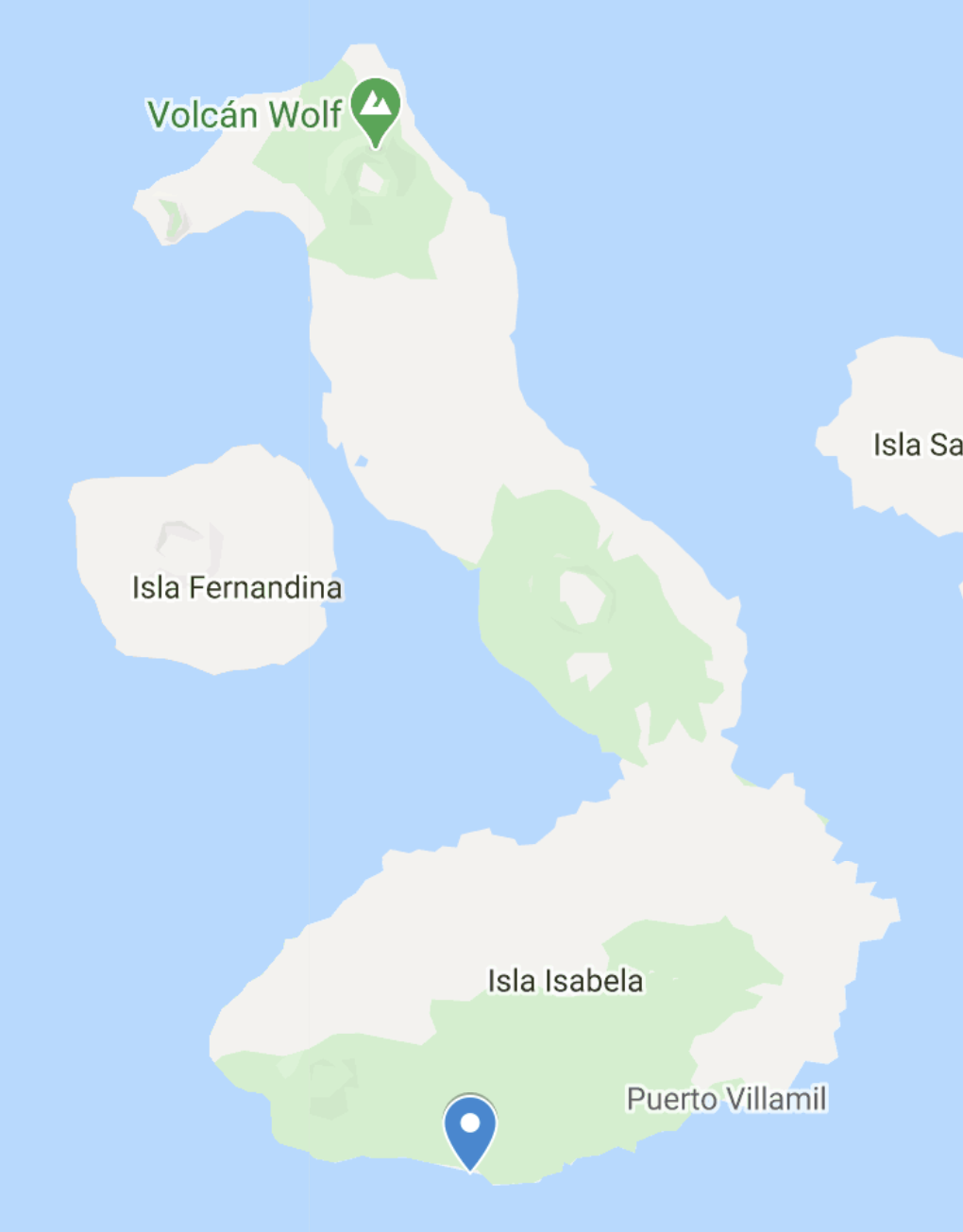
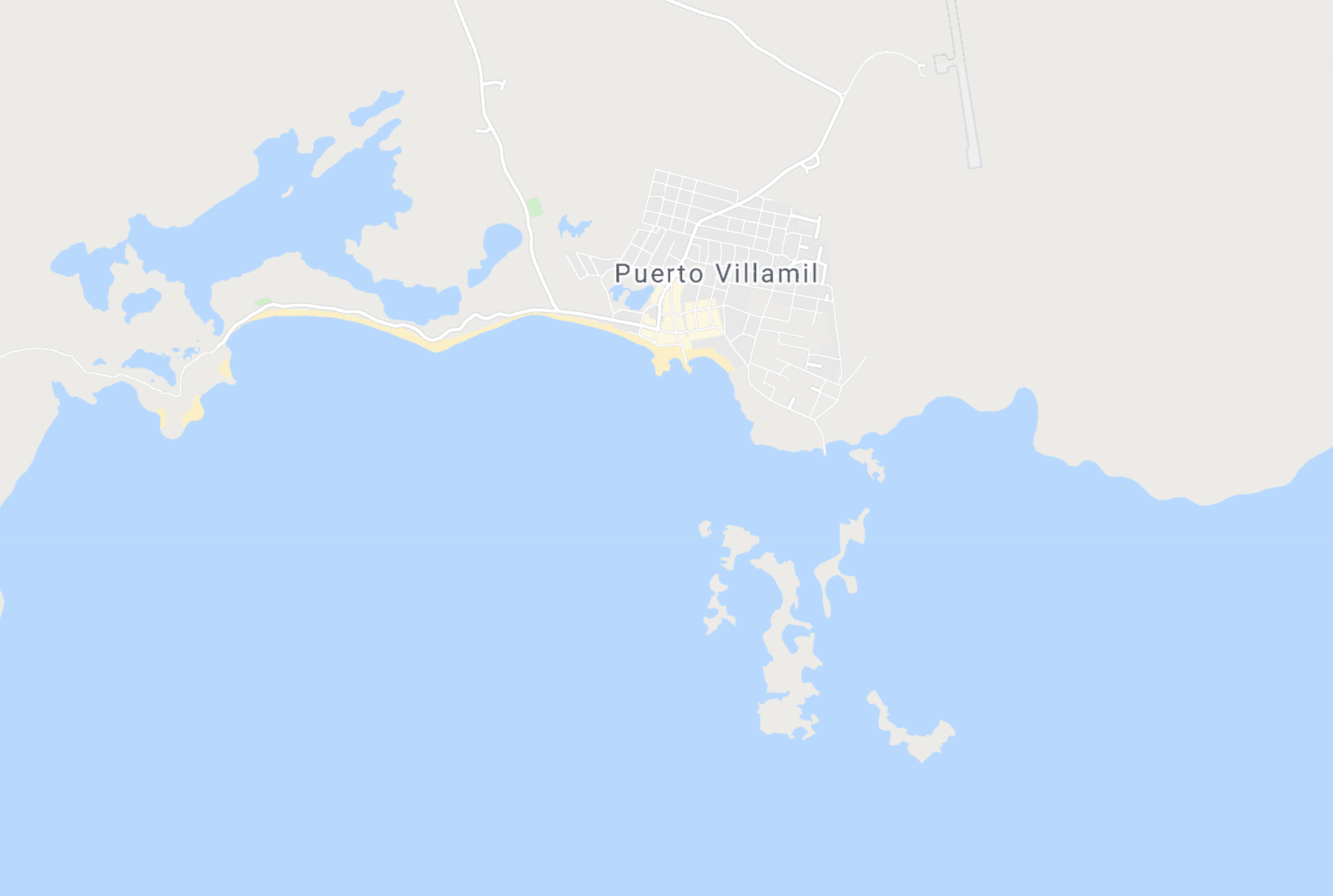
For context, we were staying in Puerto Villamil (on the south coast), and Los Tuneles is about at the blue pin.

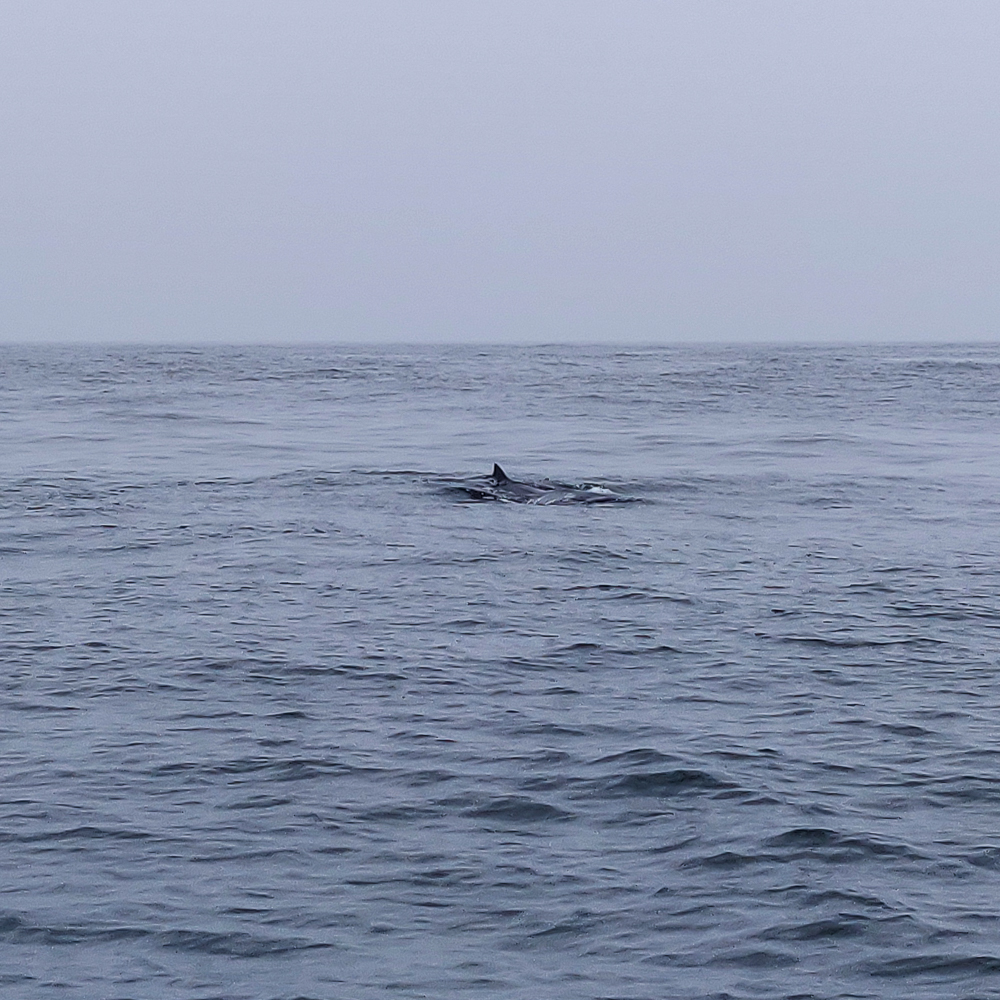
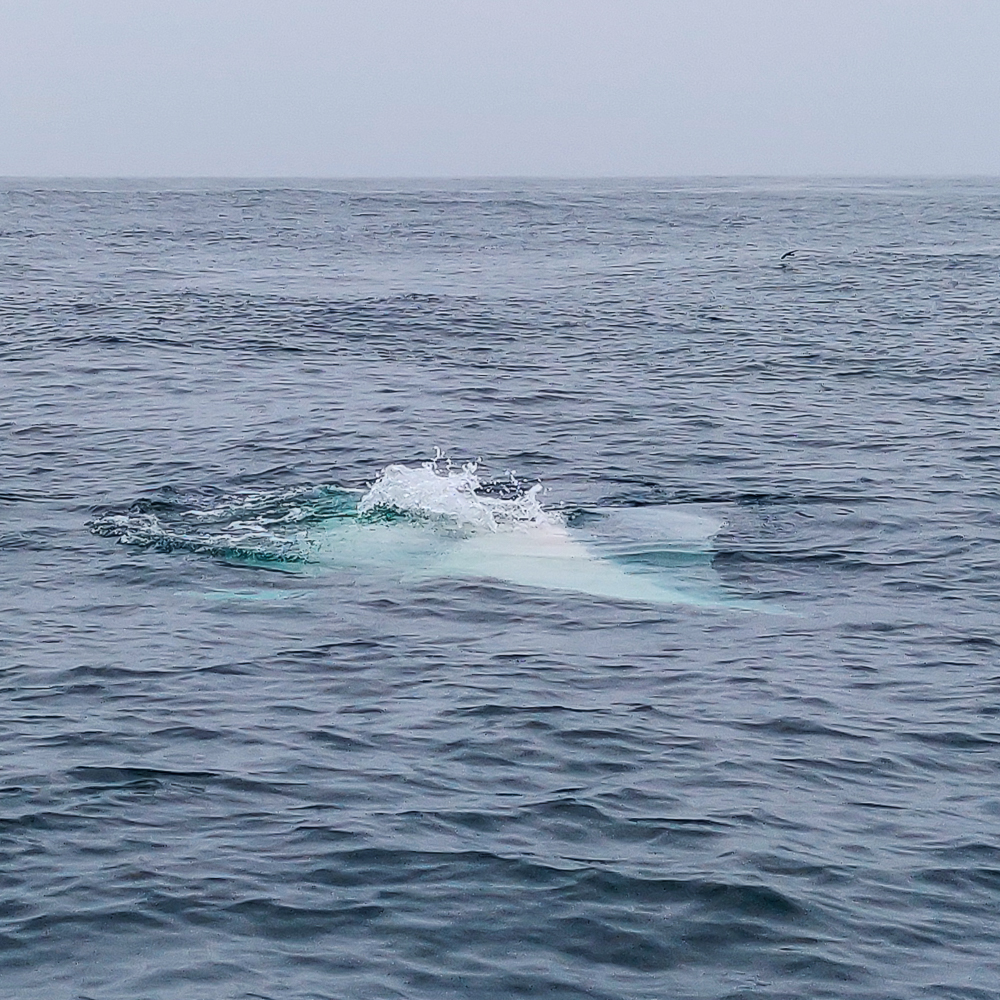
The captain stopped the boat so that we could watch them, and the guide explained that they are very curious and often stop to investigate/“play” with boats. They were sticking their fins out of the water (looking creepily like shark fins) and flipping over to show their bright white undersides. They may be intimidatingly large, but they aren’t harmful to humans. They can’t sting, and they eat plankton by filter feeding, like blue whales. To do so, they swim with their giant mouths open (the largest ones could fit multiple grown humans in their mouths… eek!) and direct plankton and water in with the help of these weird little flexible horns that they have. Everything goes through a filtering system, and food gets consumed while water gets expelled. They can also swim impressively fast. At a sprint, they can reach speeds up to about 22mph (35km/h), though they usually cruise at closer to 9mph (15km/h). One more fun fact… they have the biggest brains of any fish.

Looking like a shark fin
Giant.

Here’s a not-great-but-best-I-have video of one of them surfacing. You can see the horns I mentioned (they’re the things sticking out of the water above its gills).

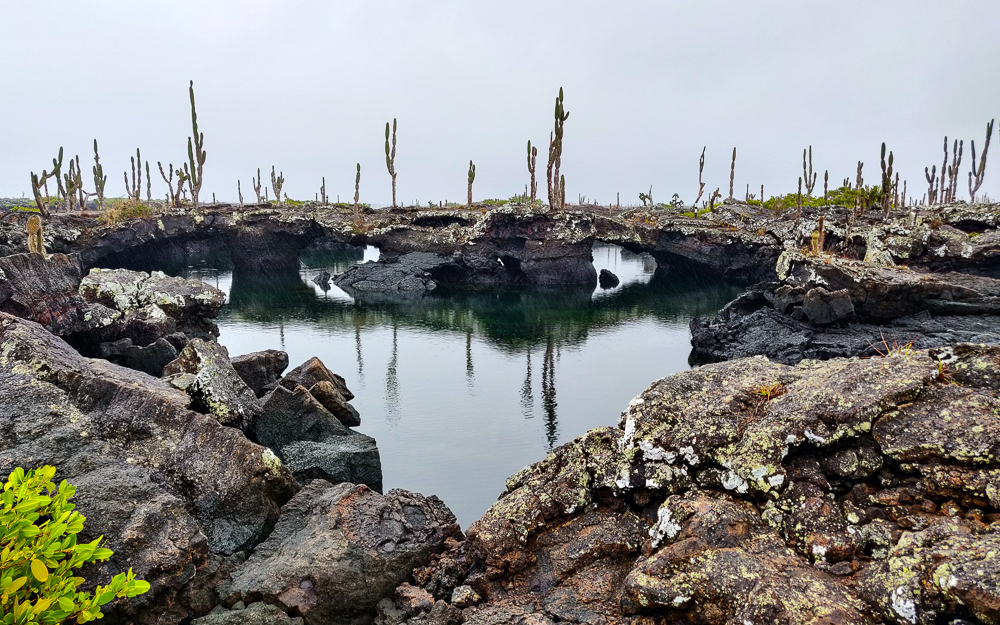
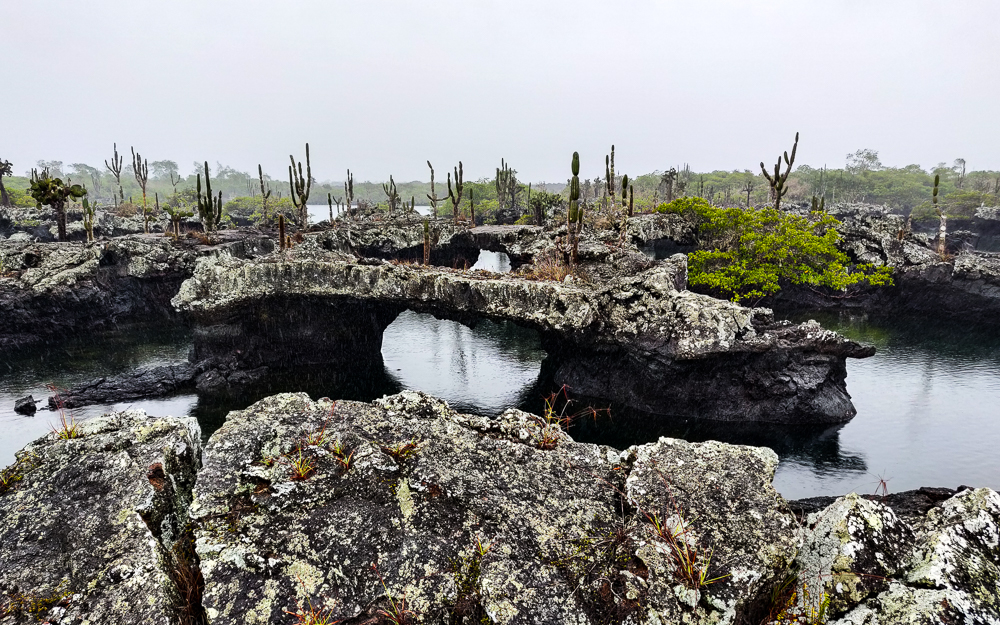
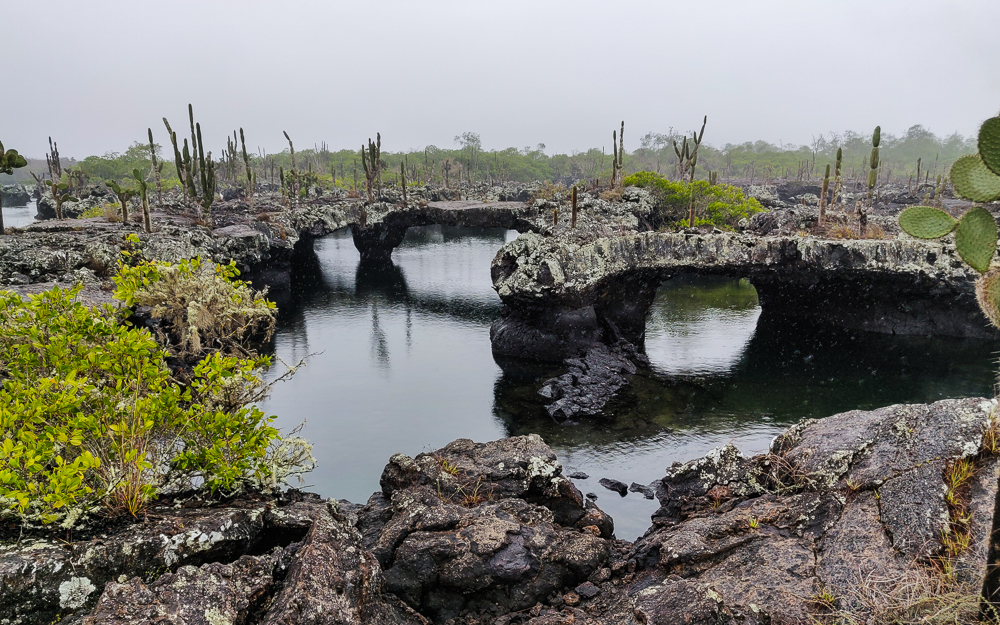
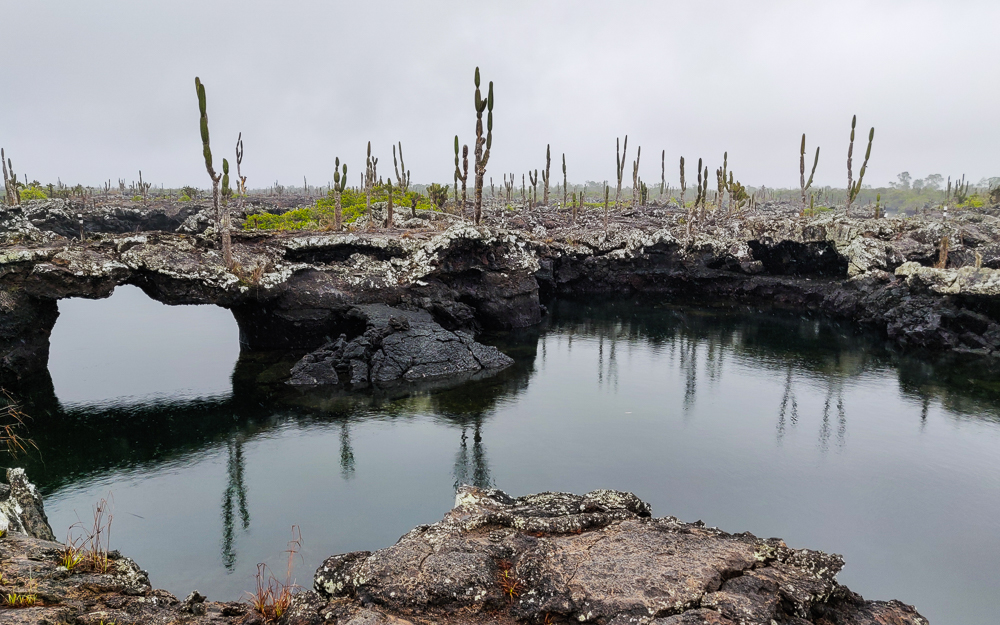
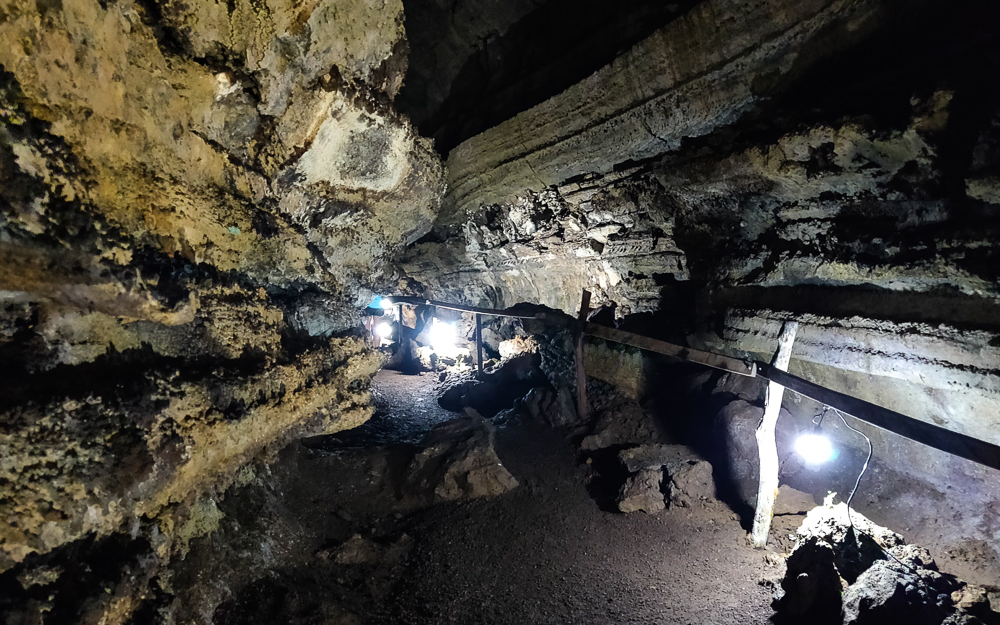
After they got tired of us, we continued along to our first stop. Los Túneles has some amazing lava formations. As its name suggests, there are lots of tunnels underneath the surface, plus caves and bridges. Remember how we’ve talked about how lava formed the islands? As we’ve seen in other places, there can be voids underneath the surface in the form of lava tubes and such. That, in combination with the erosion caused by waves crashing into the coastline, created a landscape unlike anything I’d ever seen before.

How cool is this?
Bridge!

Aside from the fact that it was STILL raining, I was thrilled to have the chance to walk around. We got to walk over some of the lava bridges, and the water surrounding us was so incredibly clear that we could see all sorts of sea life swimming by! We saw a few golden rays (so, so, so cool to see them swimming! Even if they’re much smaller than manta rays), plus tons of sea turtles. Oh, what I would have given to swim in that water! But it’s a protected area, so no swimming allowed.

Rain making a strong appearance in this picture.
With the bridges and the cacti… man. What a weird landscape, right?

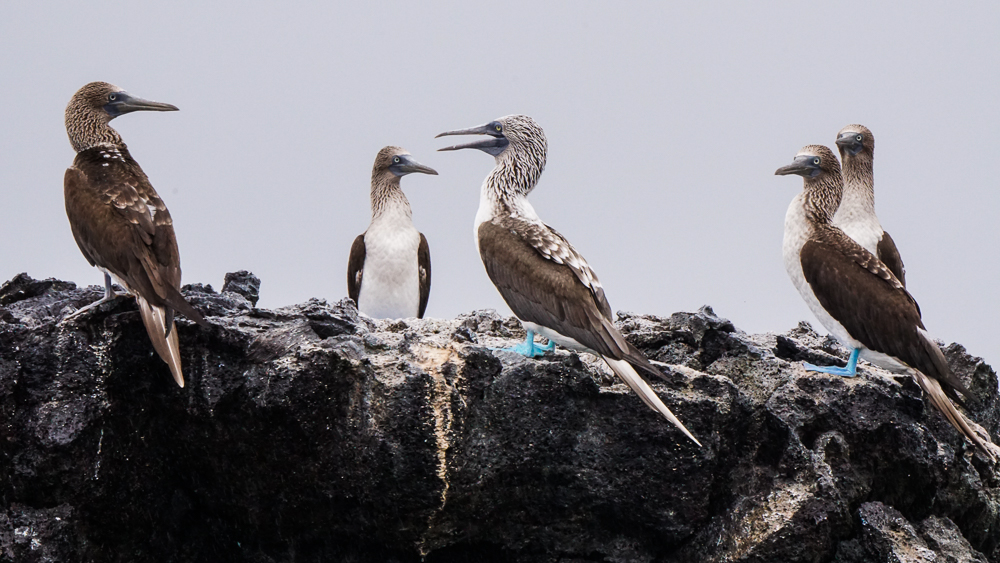
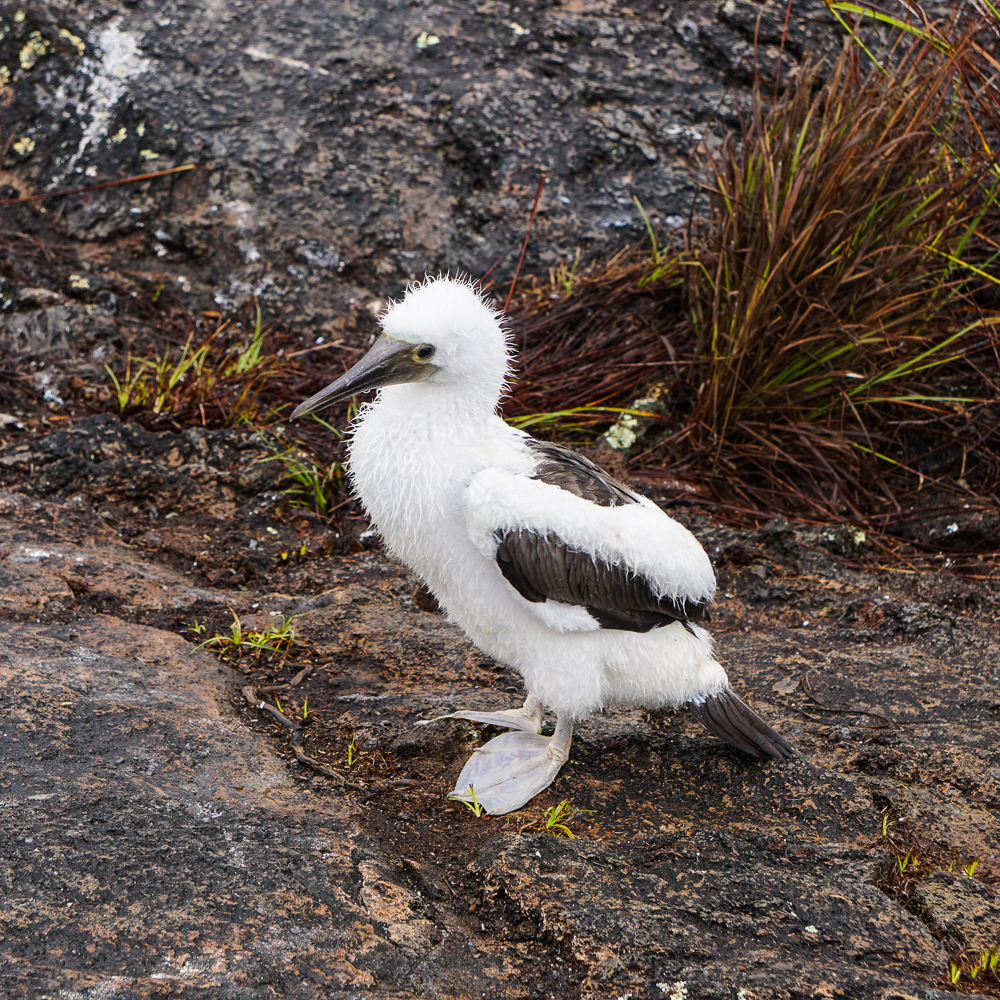
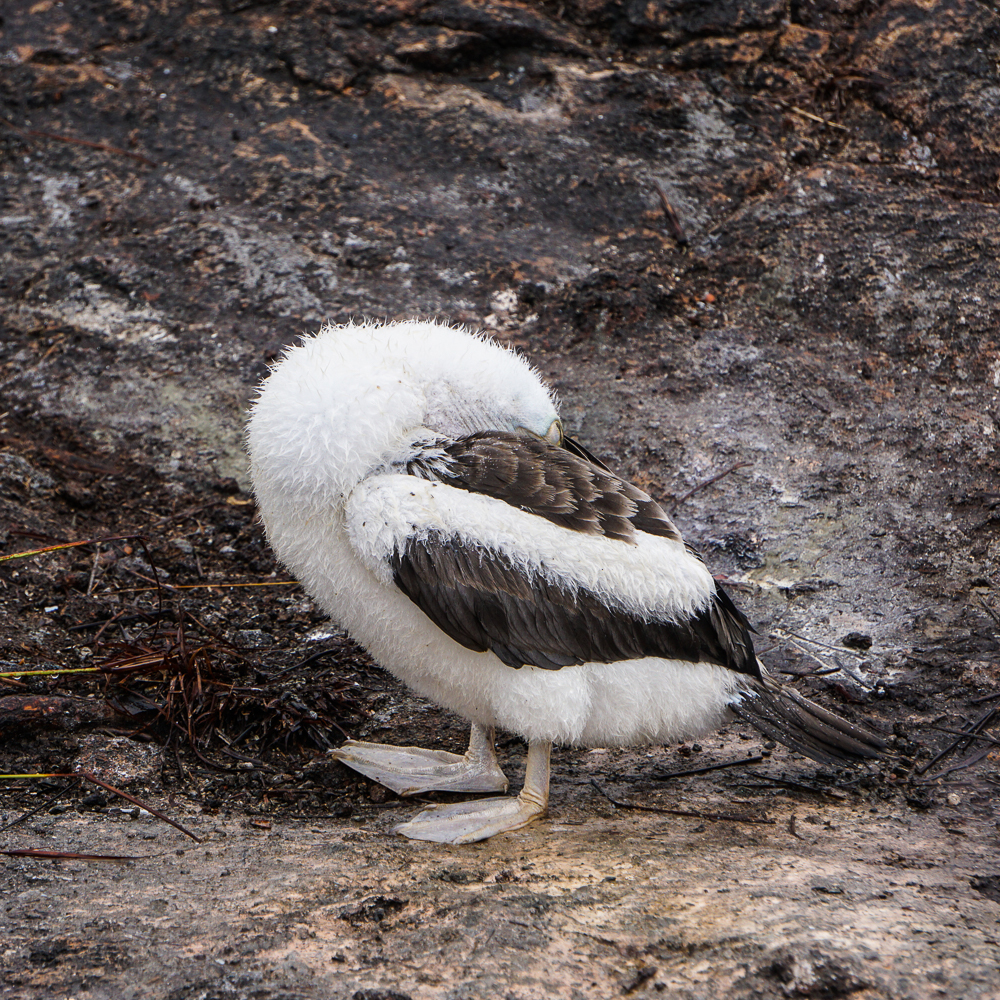
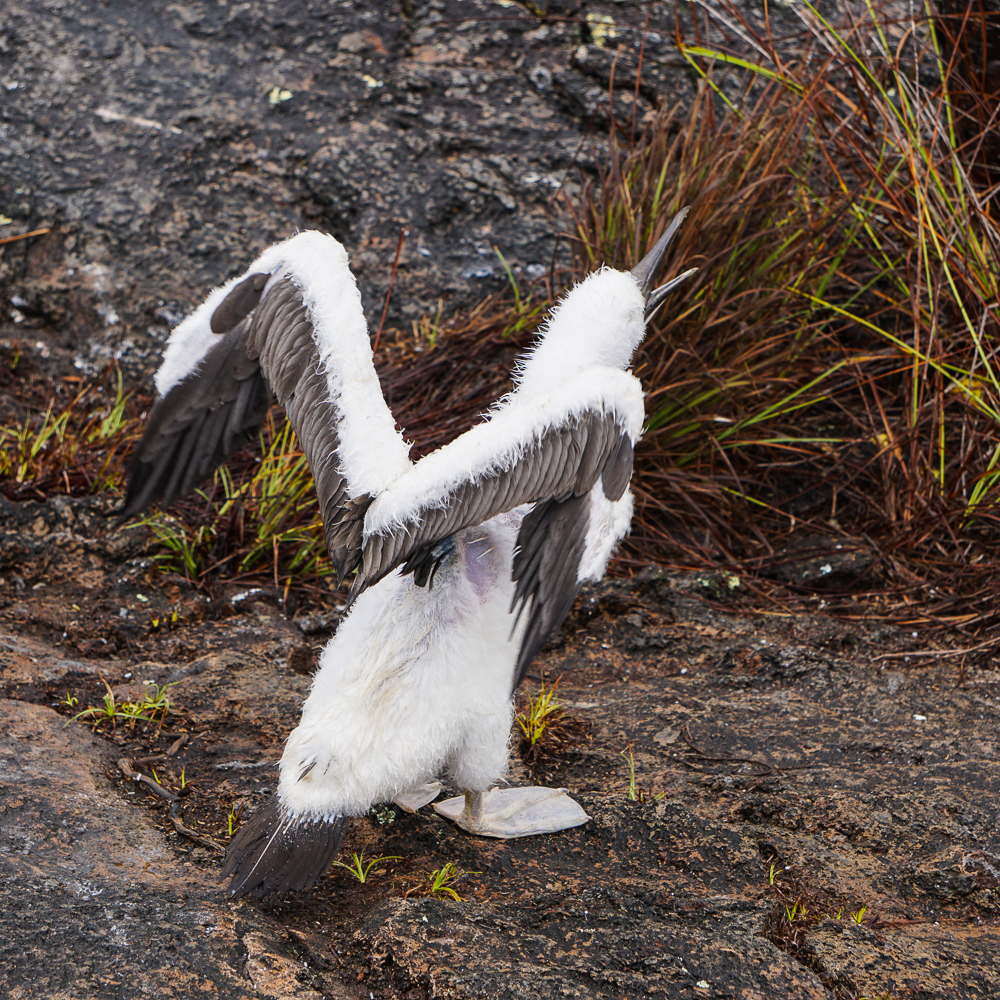
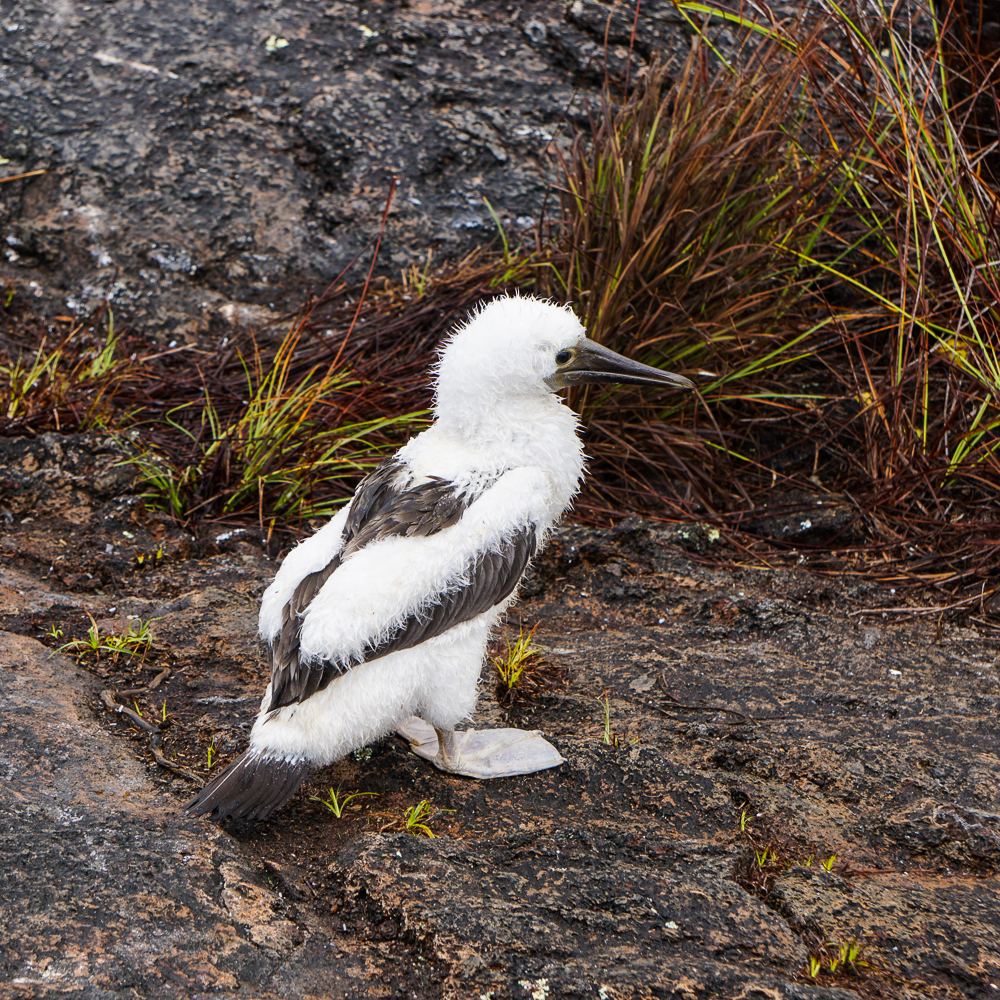
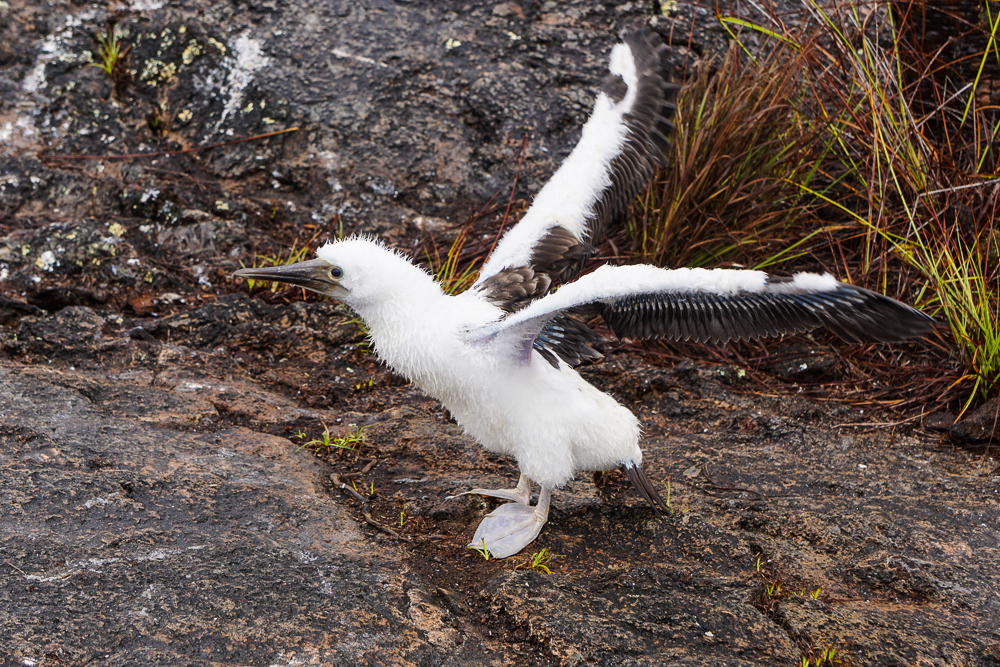
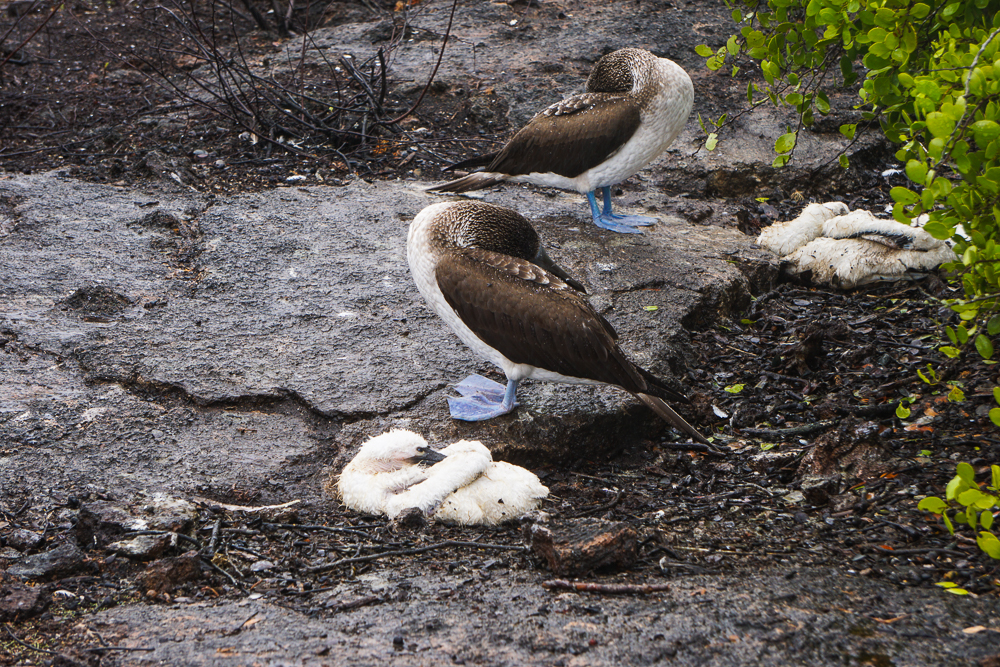
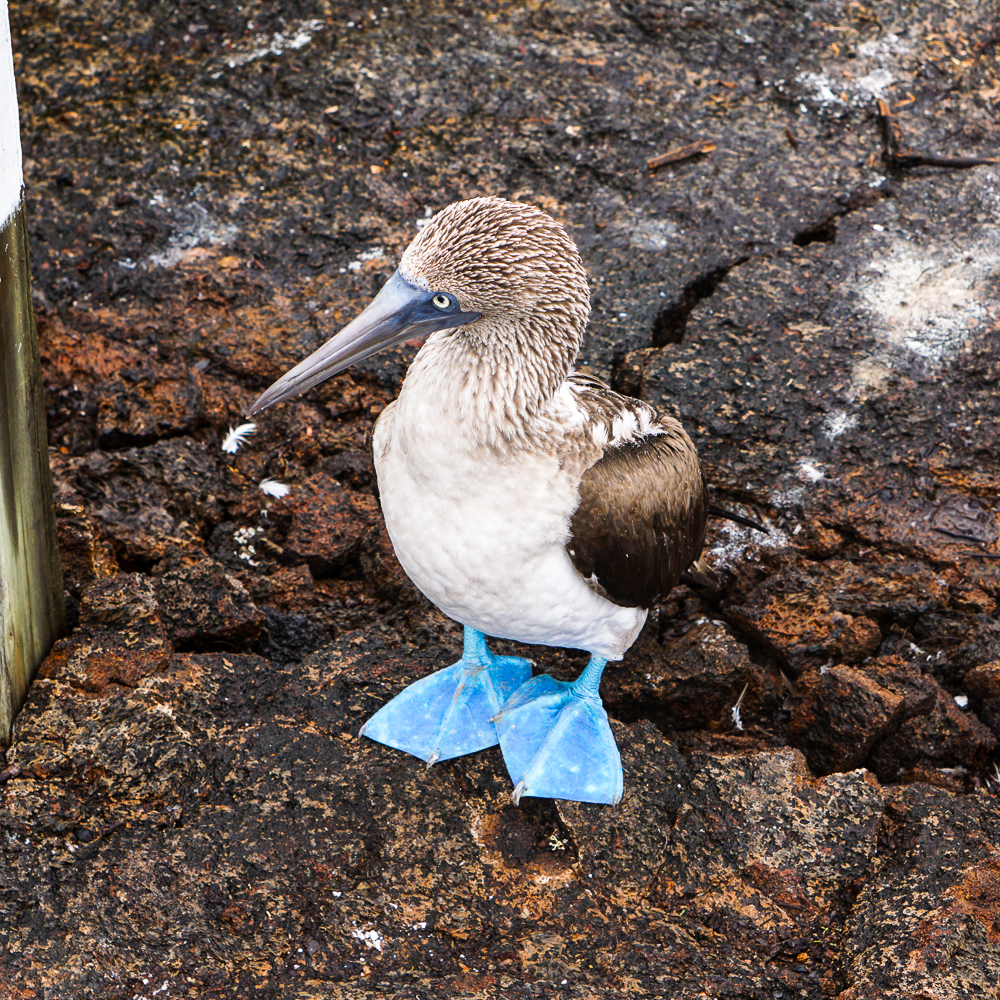
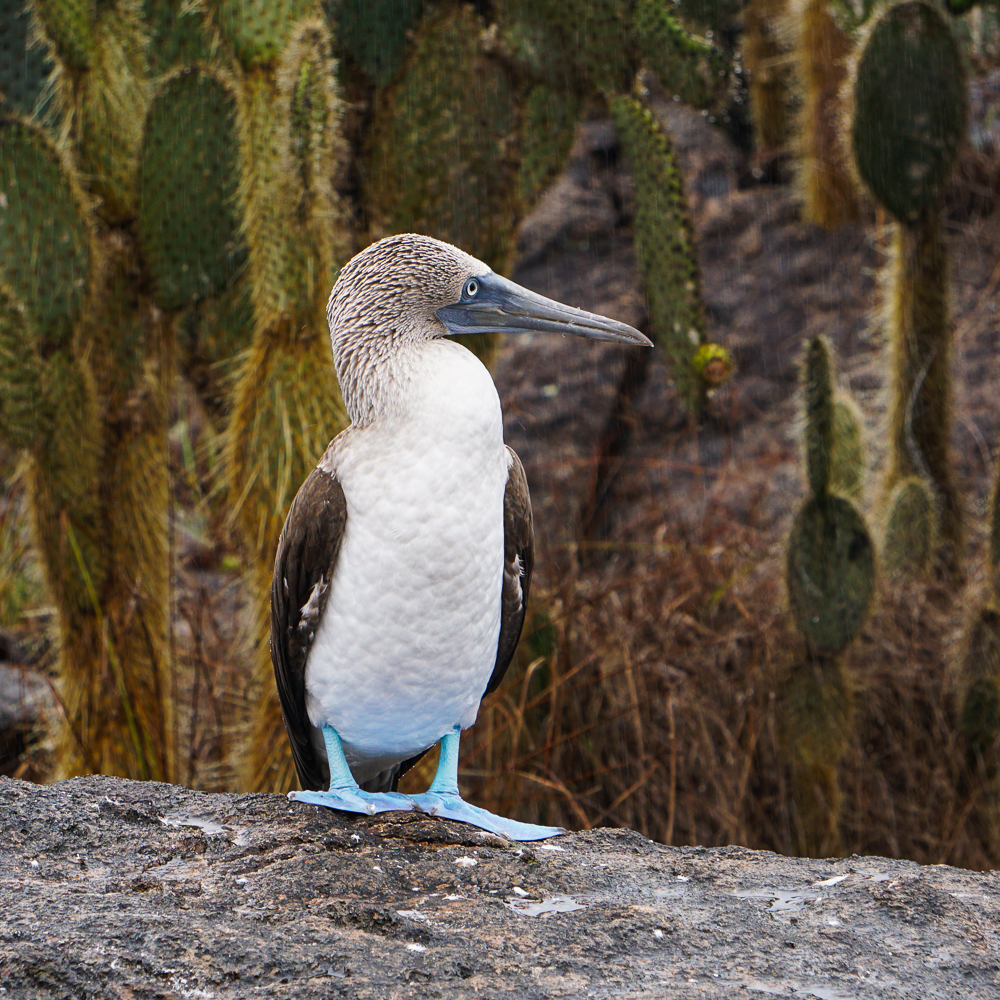
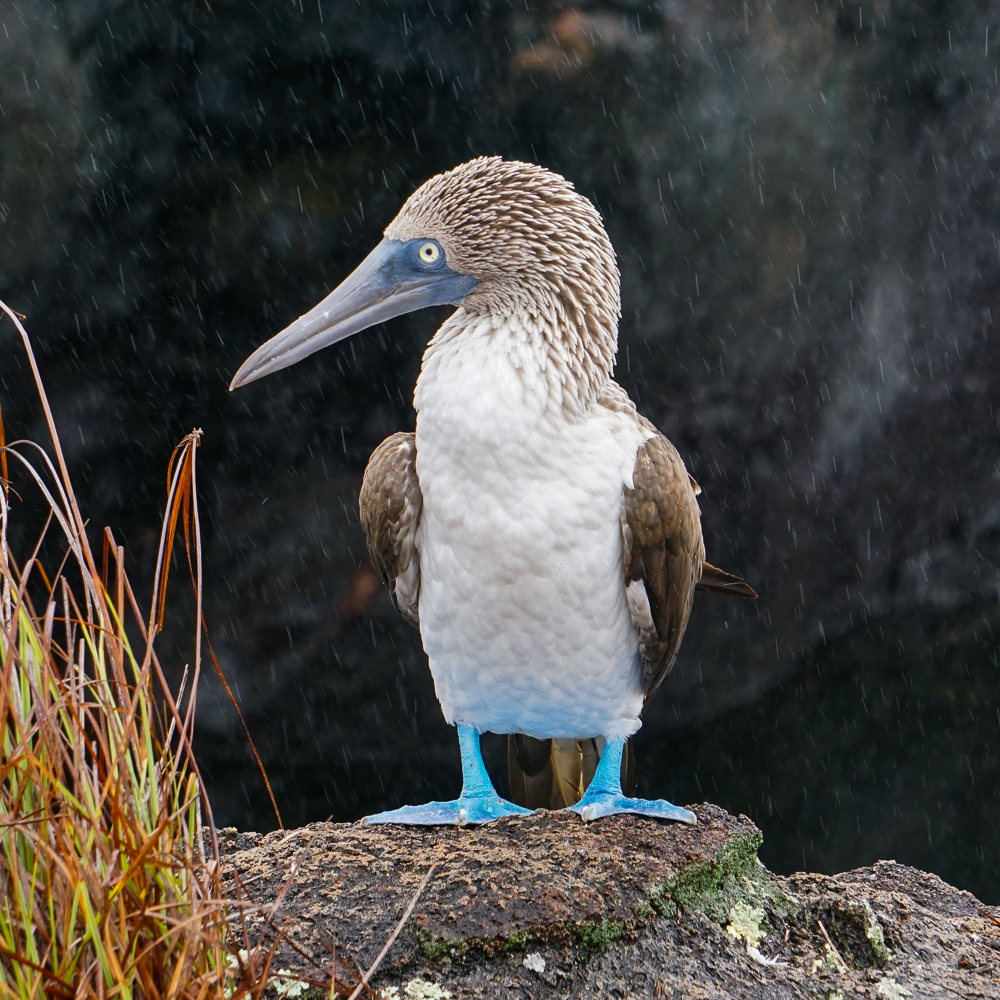
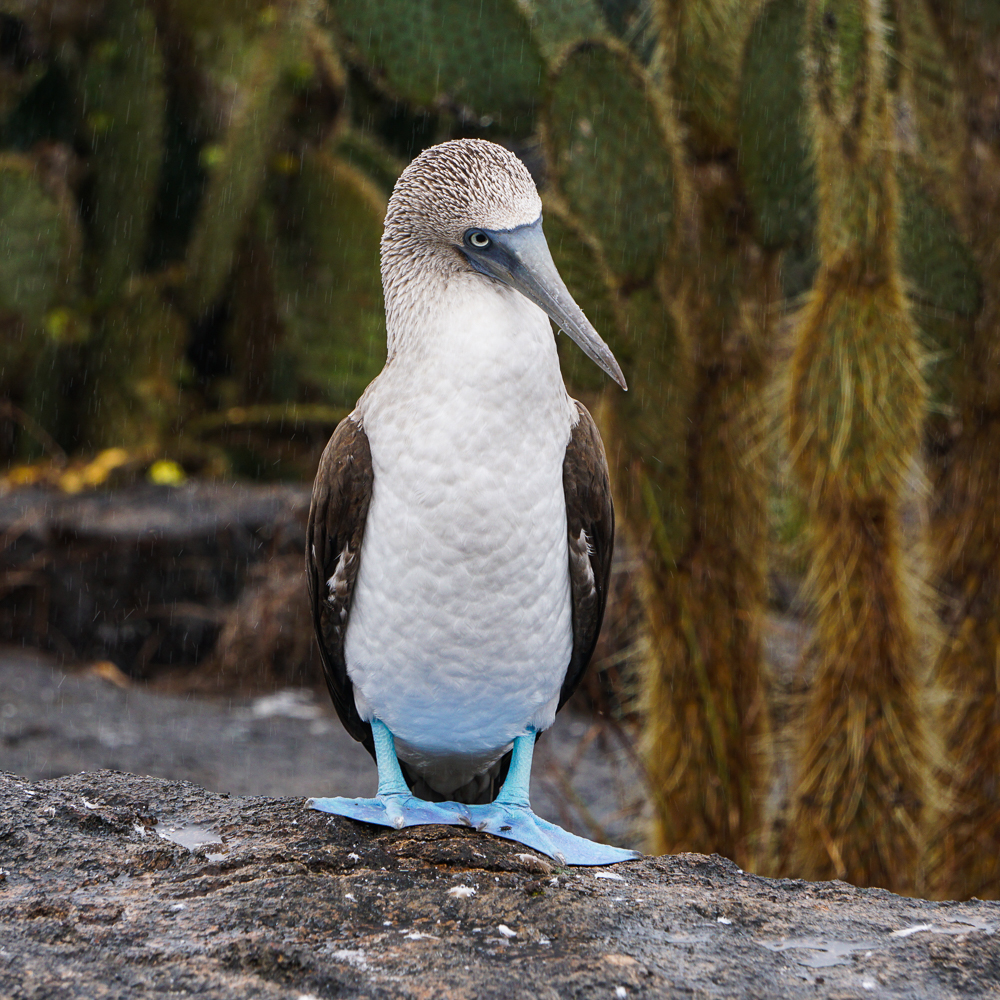
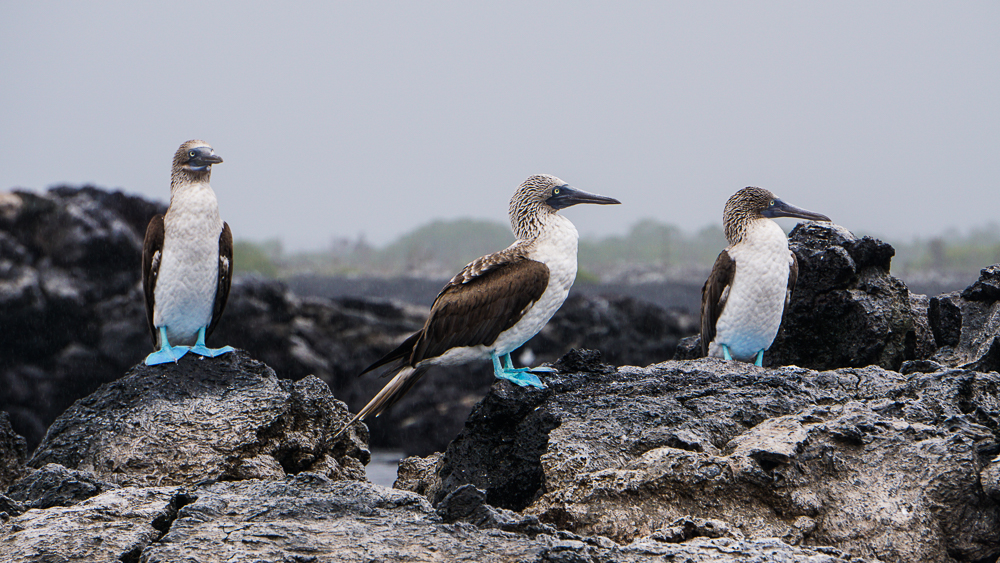
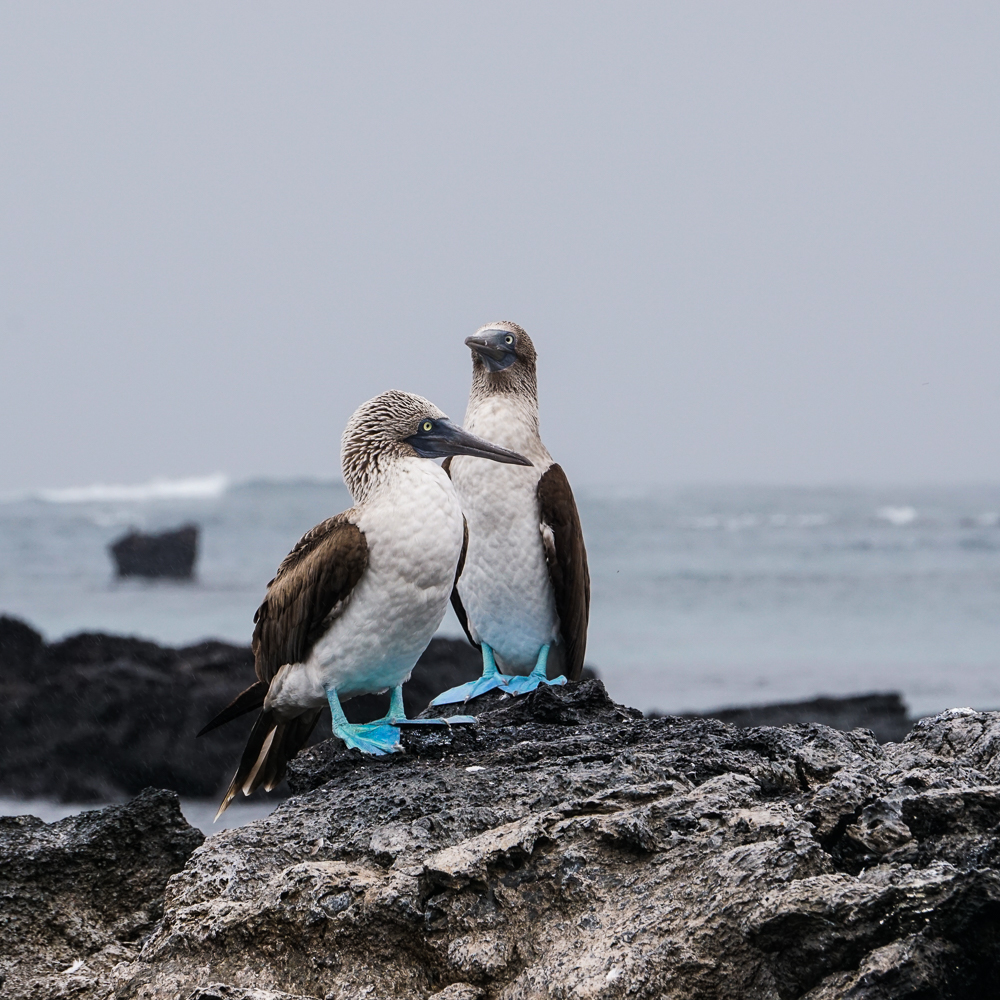
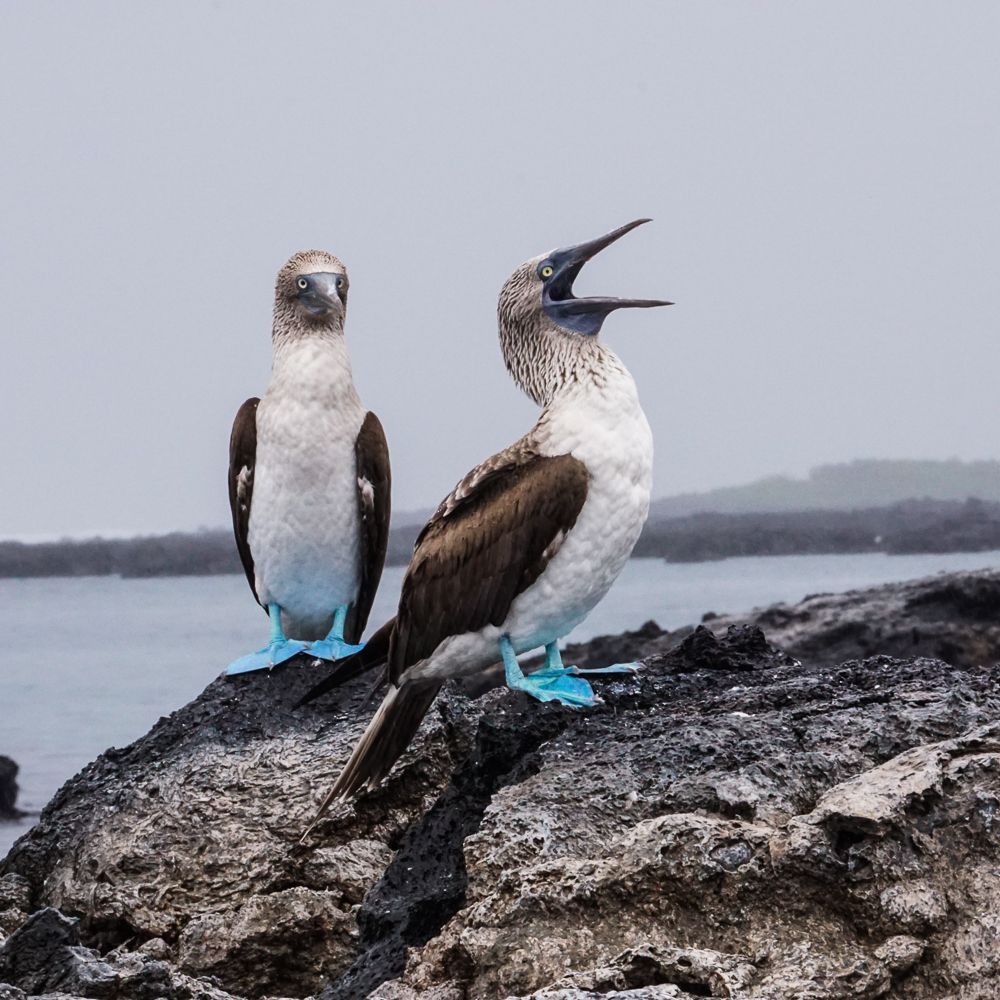
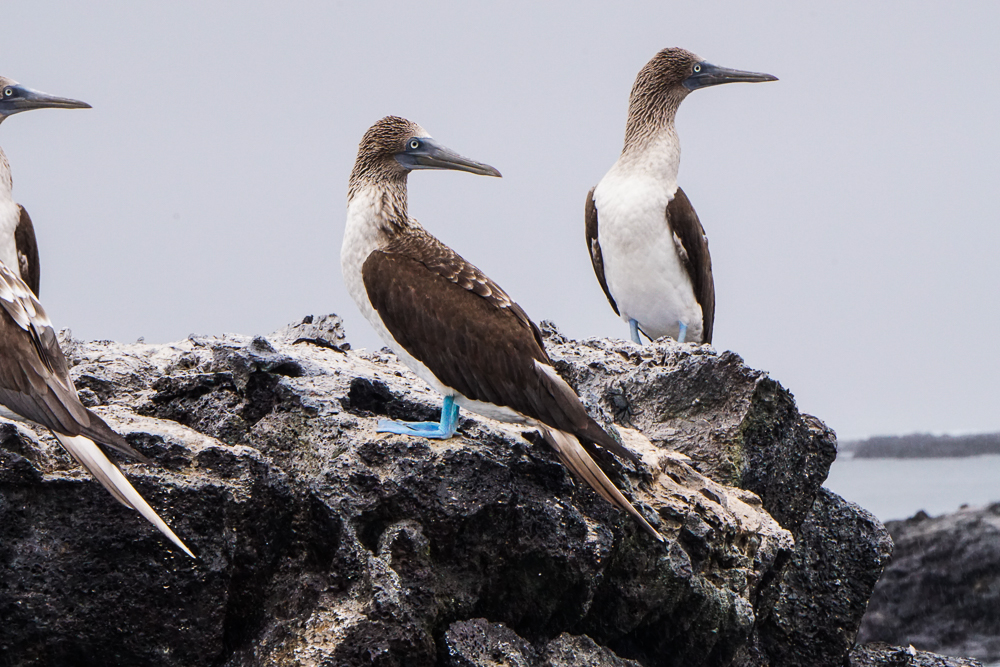
There were also a bunch of blue-footed boobies with some of the brightest feet I’ve seen, plus their chicks. We had seen a few newborn chicks on Espanola Island, and they weren’t especially cute… they looked a bit like dinosaur/alien babies. These ones were a little farther along, though, and they were little fluffballs.

Okay so like… prepare yourself for so many blue-footed booby pics because I tried my hardest to narrow them down, and this IS the narrowed down selection.
Wet fluff
Hiding from the rain
Spreading its awkward wings
Kind of cute
Testing out its wings
They don’t seem to love the rain… Also, those little piles of white fluff (one in front and one in the back) are babies. They… yeah. They don’t look thrilled.
LOOK AT THOSE FEET
So many pics, I just couldn’t choose between them!
They’re pretty cool-looking birds
Also a little mysterious/menacing maybe?

From there, we headed to the snorkel spot. It wasn’t quite as cool as near the tunnels, mostly because the water wasn’t as clear, but there was a LOT of wildlife. In some places, it was very shallow, and the bottom had a lot of loose plant matter on it that people kept kicking up with their fins which made it even more difficult to see (just a PSA if you ever go snorkeling, especially with other people around. Try to keep your feet submerged while you’re kicking so that you don’t create bubbles, and be extra careful not to move the water too much if there’s stuff on the bottom! In general, just try to be aware of your surroundings. Your fellow snorkelers will appreciate it).

Hehe I actually have a few more blue-footed booby pics, but I thought you could use a break.
Just a few…

Okay, that’s the last one, I promise!

We saw SO many sea turtles, and some of them were absolutely huge… practically land tortoise-sized! There were approximately a billion fish, some in giant schools, that swam so close I could have touched them (but ew, no thanks). The most exciting thing was that we got to see sharks!! I know, who am I? Me, excited to see sharks? Well, I was also terrified, but I lived through my first shark sighting at Las Tintoreras and was ready for another.

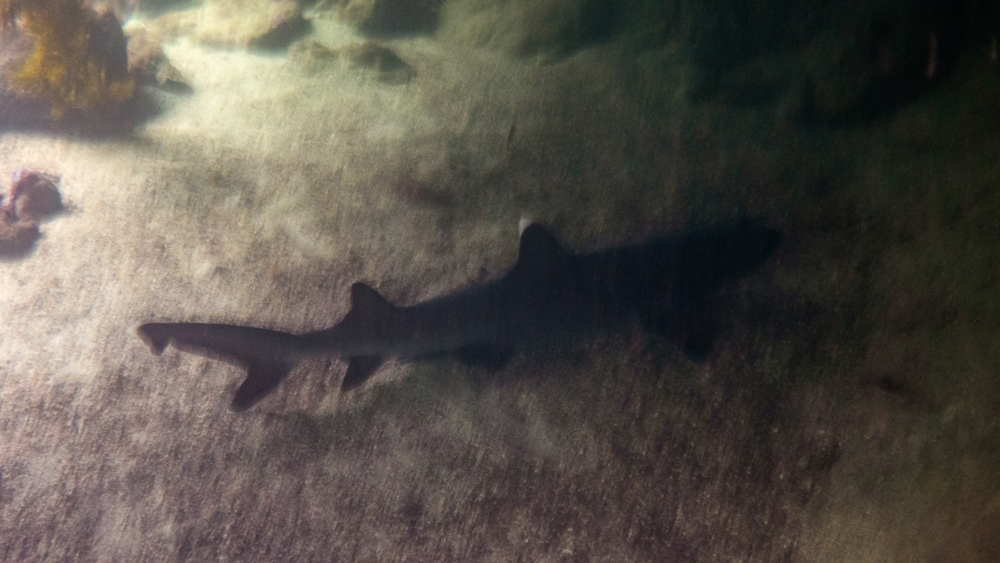
The guide pretty much guaranteed that we would see whitetip reef sharks on the tour, named for the white markings on their fin tips (creative, right?) and the fact that they generally stick to shallower areas, usually in water 25-130ft deep (8-40m). They mostly hunt at night, and during the days, they rest in caves, often returning to the same cave day after day. A lot of sharks need to swim to breathe, but not these sharks! Their bodies can actively pump water over their gills, allowing them to rest in place. We popped our heads into a few of their resting caves and saw crazy numbers of sharks lined up across the cave floor like enchiladas. We saw one swimming, and I almost had a heart attack. He was right in front of me! Came out of nowhere and we were probably within touching distance. I backpedaled a bit, he turned, and whew! I survived. Again, though, I surprised myself and was more excited than scared. Nice!

It’s pretty dark in the caves, so photo-taking isn’t the easiest, but my cousin did get this picture of one chilling close to the mouth of the cave. Note the white tip on the top fin.

The last thing we did was swim through a mangrove… grove? Mangrove forest? Through some mangroves? However you’d properly say it, you get what I mean. Mangroves grow in the water and provide a great habitat for all sorts of creatures, especially for those who are a little more vulnerable, like babies. They can hide in the tangled roots of the mangroves, out of the sight and reach of predators.

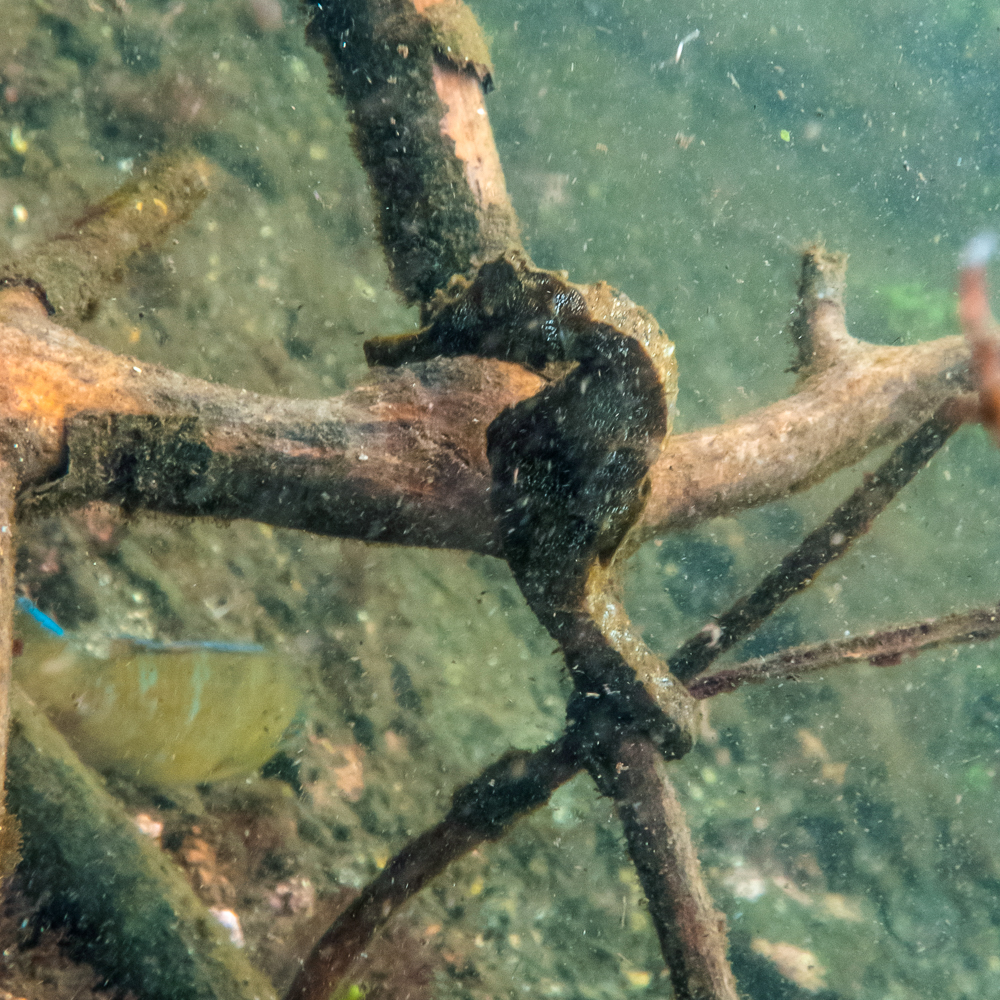
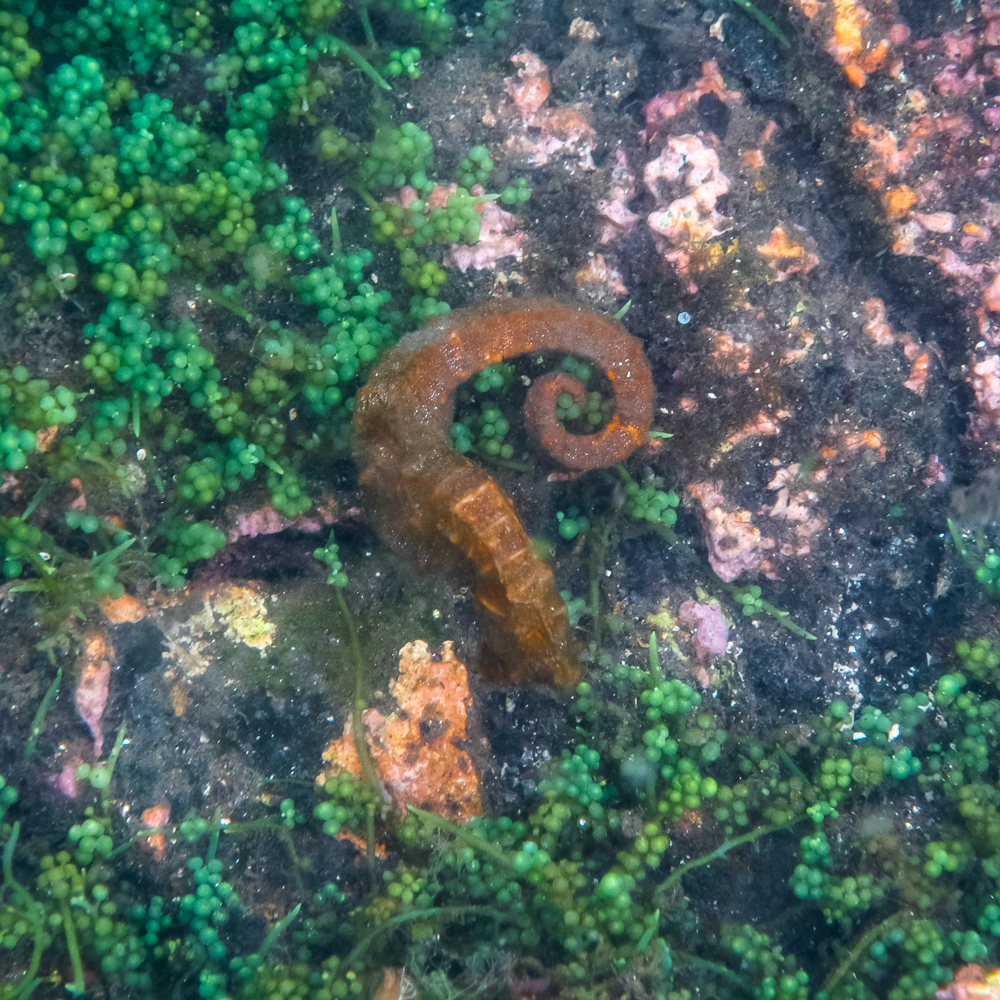
We had one last exciting sighting for the day… seahorses! The seahorses found in the Galapagos are Pacific seahorses, also known as GIANT seahorses. Get this… they average 4.5-7.5 inches in height (12-20cm). Massive, right? Like other seahorses, the males carry the babies. Females deposit eggs into a pouch, the males fertilize the eggs and seal the pouch, and after 14 days, they go into labor, pushing out little baby seahorses that are around a centimeter or less in height. They can be a variety of colors, including green, brown, maroon, grey, and yellow. We got to see three! They were clinging to the mangrove roots with their tails, and without a guide pointing them out, there’s no chance we would have spotted them. I suppose that’s kind of what they’re going for…

Seahorse photos also thanks to my cousin!
They’re so strange!

After that, we headed back to the boat and rode “home” to Puerto Villamil. To everyone’s delight, we saw more manta rays on the way back! What a great day!

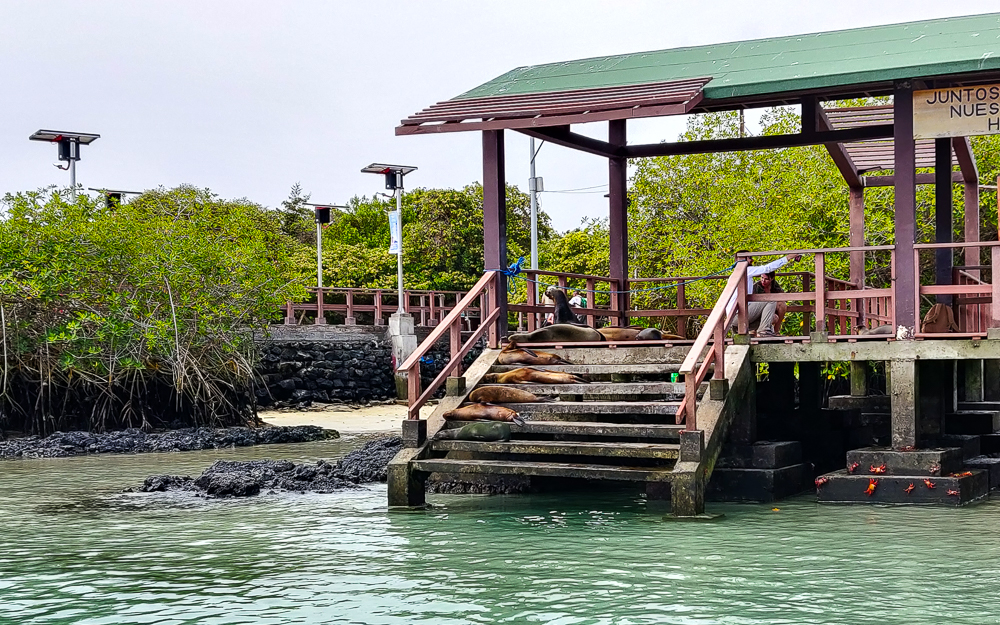
Sea lions welcoming us home.

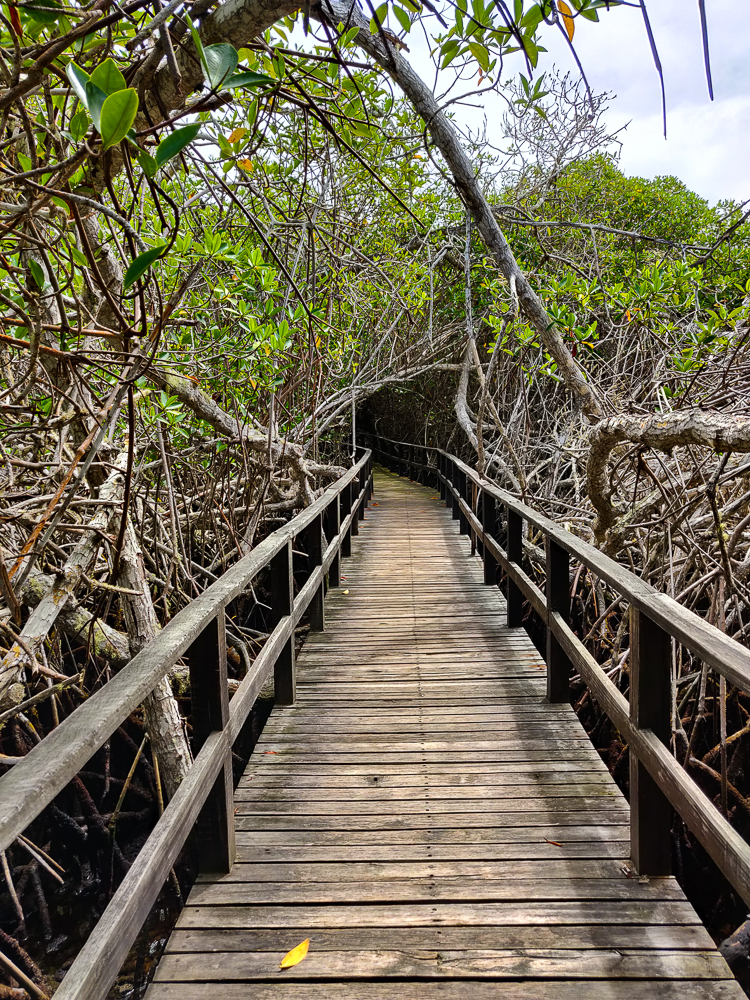
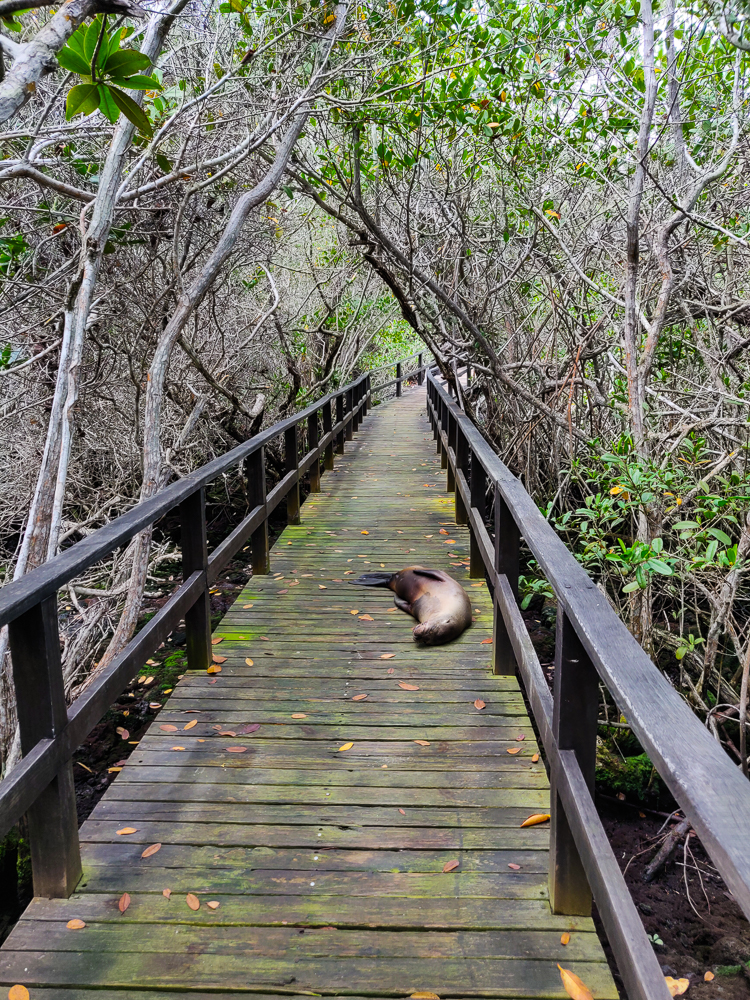
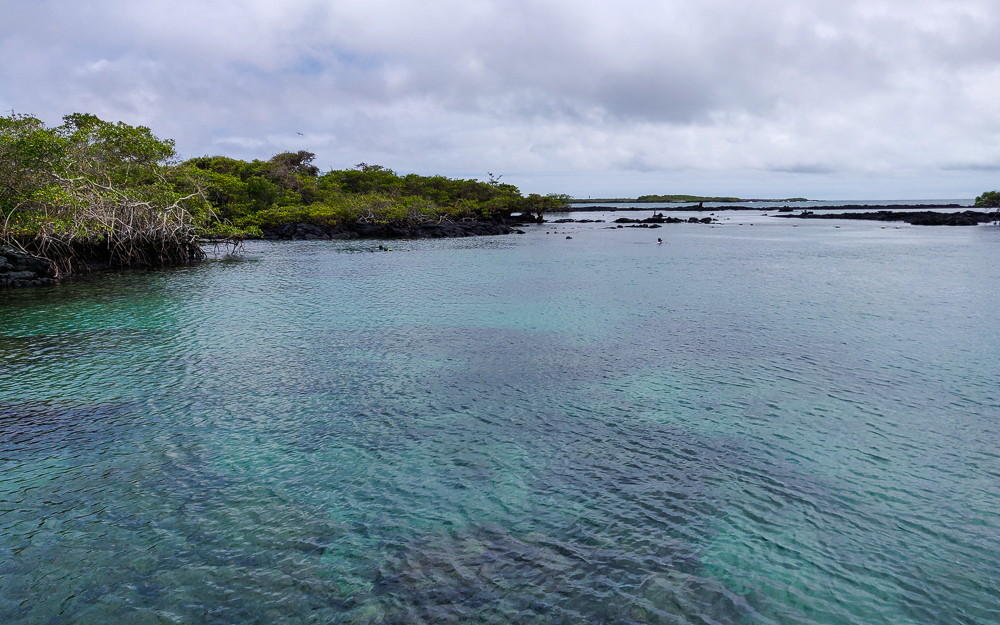
That was our final full day on Isabela. The next afternoon, we took a ferry back to Santa Cruz to catch our flights to the mainland. I was headed to Quito, Ecuador’s capital, and the rest of my family was headed back to the States. We did have time for one more little exploration… near the dock in Puerto Villamil, there’s a snorkeling spot called “Concha de Perla” (Pearl Shell). It’s a sheltered little lagoon where you can swim with sea lions and turtles and rays… it’s supposed to be really great! We didn’t have time to snorkel, but we did enjoy walking there through the mangrove groves (hehe) and admiring the crystal-clear water at the other end. So, if you’re ever on Isabela, I strongly recommend snorkeling there. As for me, I guess I’ll just have to wait until I visit again someday!

Mangrove grove
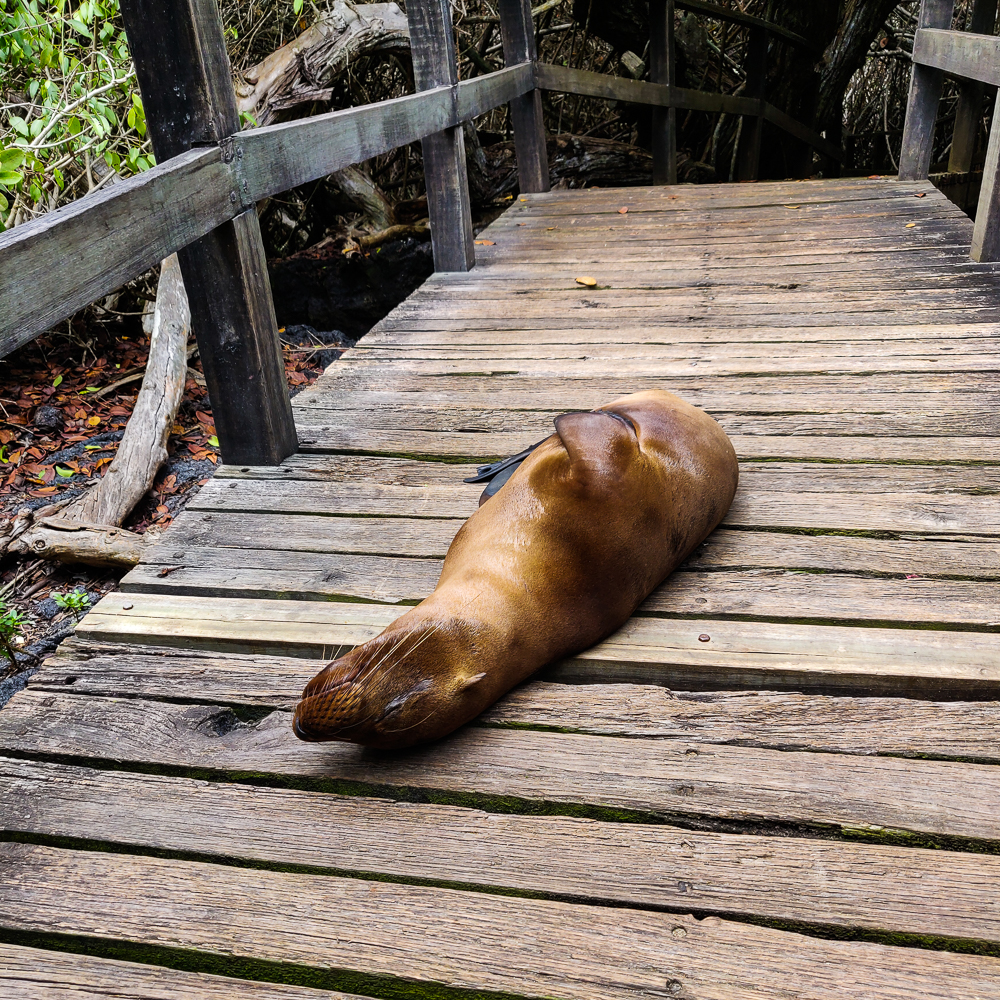
Of course with some sea lions doing their best to be in the way
Concha de Perla
Looking very relaxed
Lil baby!
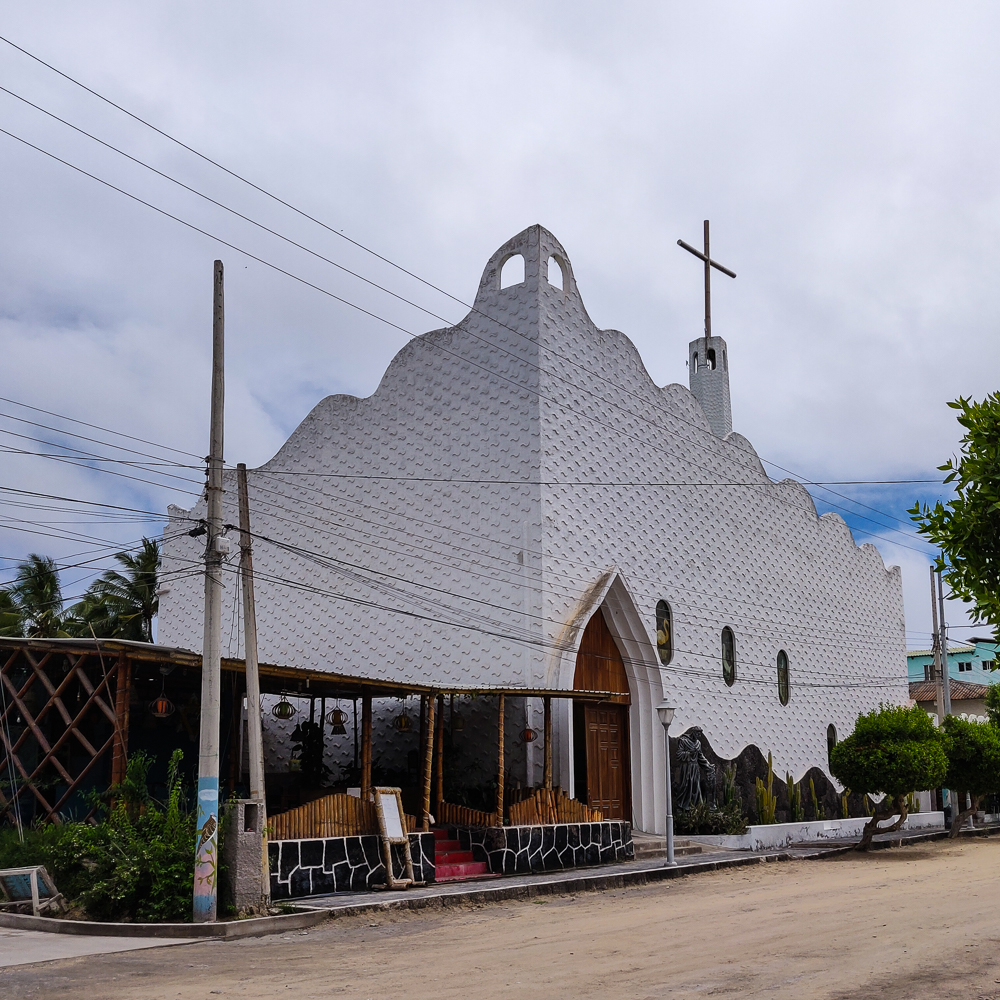
The church in Puerto Villamil… interesting architecture
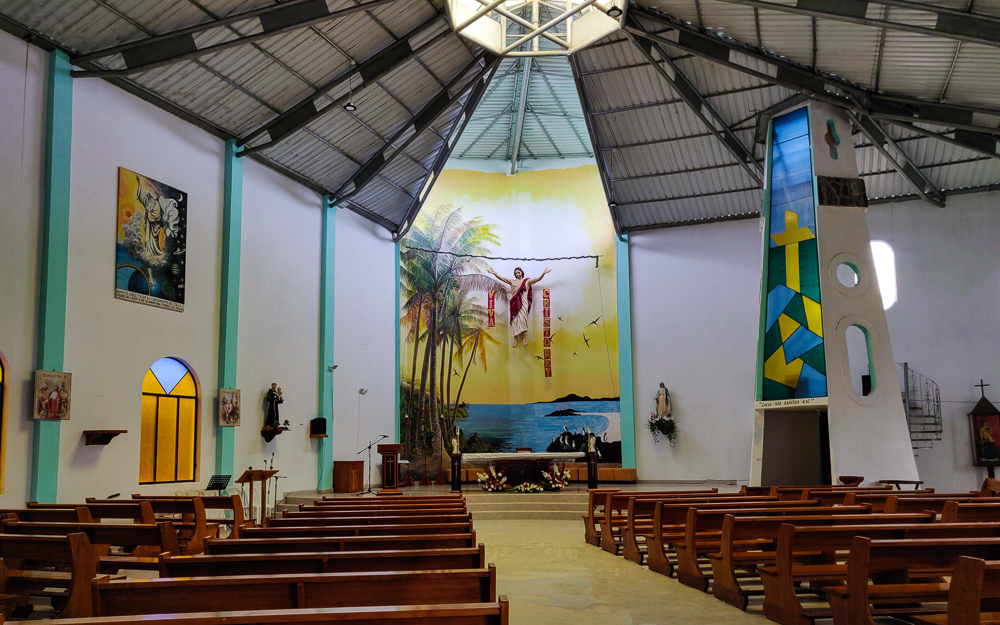
The inside
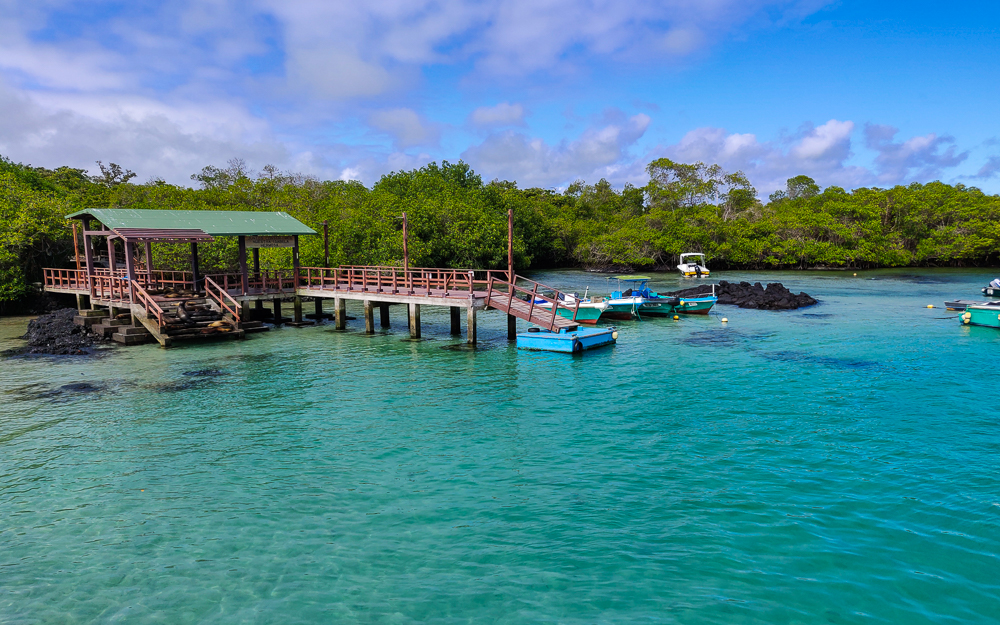
The smaller dock used for excursion departures
Views from the ferry out of town

Related Posts

North Seymour Island – walk around some blue-footed booby nesting grounds.

Las Grietas and Los Gemelos – lava tubes and other cavities beneath the surface contributed to the formations in Los Tuneles. Check out some lava tubes and collapsed magma chambers on Santa Cruz Island!

Las Tintoreras – if you’re a fan of bright blue water, you’ll love Las Tintoreras.

Sierra Negra Volcano – hike to one of the volcanos that formed Isabela Island and admire some amazing lava colors!

Española Island – go back to where our Galapagos journey began and see some baby Nazca boobies!

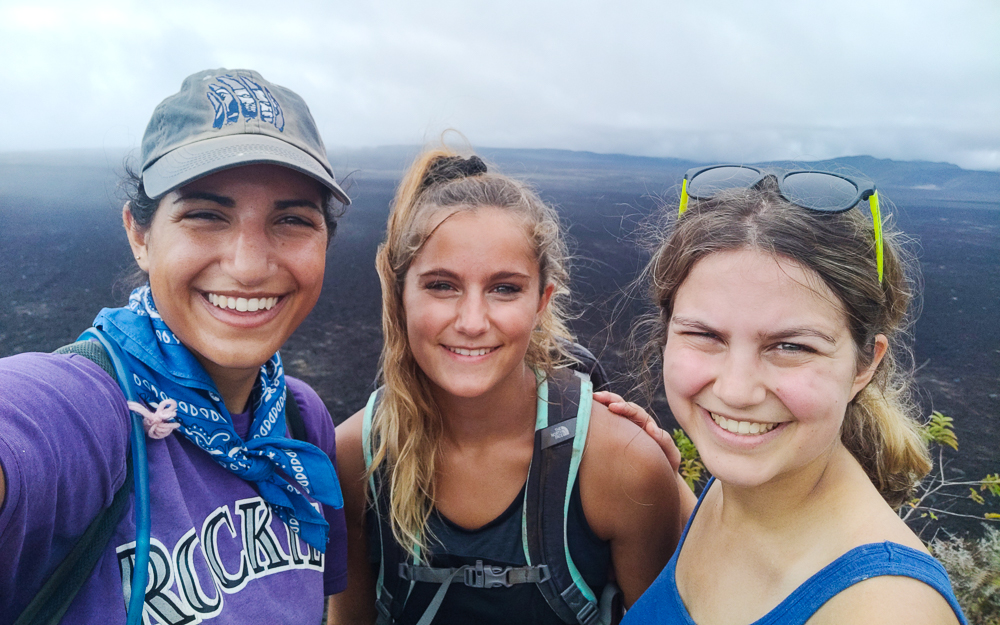
Most Galapagos day tours have a similar pattern… boat ride, walk around and look at animals, snorkel, boat ride, home. On our second-to-last day, we did something a little different and went on a hiking tour! It was to Sierra Negra (Black Mountain), one of the six shield volcanoes that make up Isabela Island, the largest island in the Galapagos. Five of these volcanoes are still active, Sierra Negra included. Its last eruption was in 2018! The main town, Puerto Villamil, is located just to its south, but thankfully, the lava from that eruption mostly made its way north. There are, however, parts of the hiking trail that are still closed because they were covered by lava. Sierra Negra erupts approximately every 15 years, so keep that in mind when you’re planning your trip! Hehe just kidding. They’re super cautious and monitor the volcano closely, and no one is allowed to visit without a guide. I will say, though, that the previous eruption in 2005 came with no advance warning signs… sooo the only sure bet is to steer clear.

Well, I didn’t know any of that before we went, and maybe that’s for the better. We were picked up bright and early, as usual, and took a bus from Puerto Villamil to the eastern side of the volcano. The tour involved a hike up the rim, a walk along the perimeter, and then an exploration of the lava fields to the northeast of the caldera.

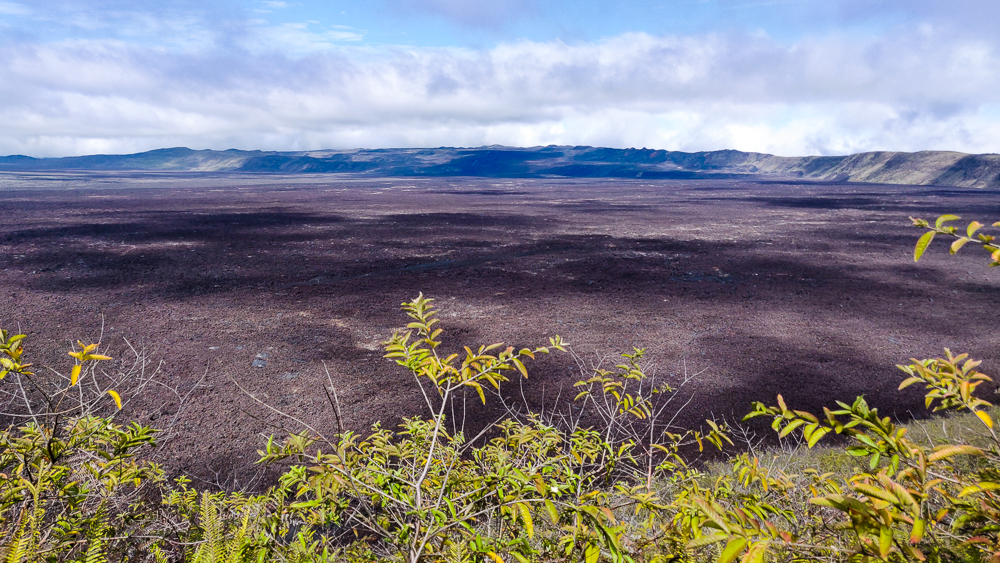
Sierra Negra, besides being one of the most active Galapagos volcanoes, has the largest caldera. It’s oval-shaped, and its long axis is almost 6 miles (9.3km) across! Interestingly, it’s also very shallow, only about 330ft (100m) deep, making it the shallowest one on Isabela.

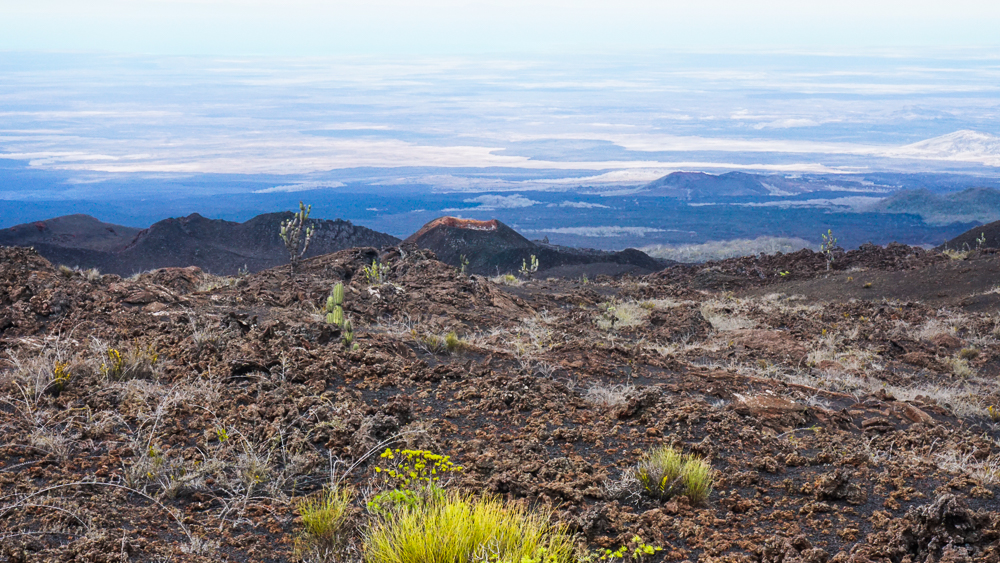
The beginning of the hike was a gradual but constant uphill as we made our way up the side of the volcano to the rim. Remember, shield volcanoes are short and wide and are formed by long-duration eruption events where very flowy lava is supplied continuously. Explosive eruptions, in contrast, are shorter-lived and result in taller and steeper volcanoes. The shallower slope was fine with me! No need to rock climb our way to the rim. Even so, it reaches an altitude of nearly 4,500 feet (1,120m), so don’t be imagining some little hill!

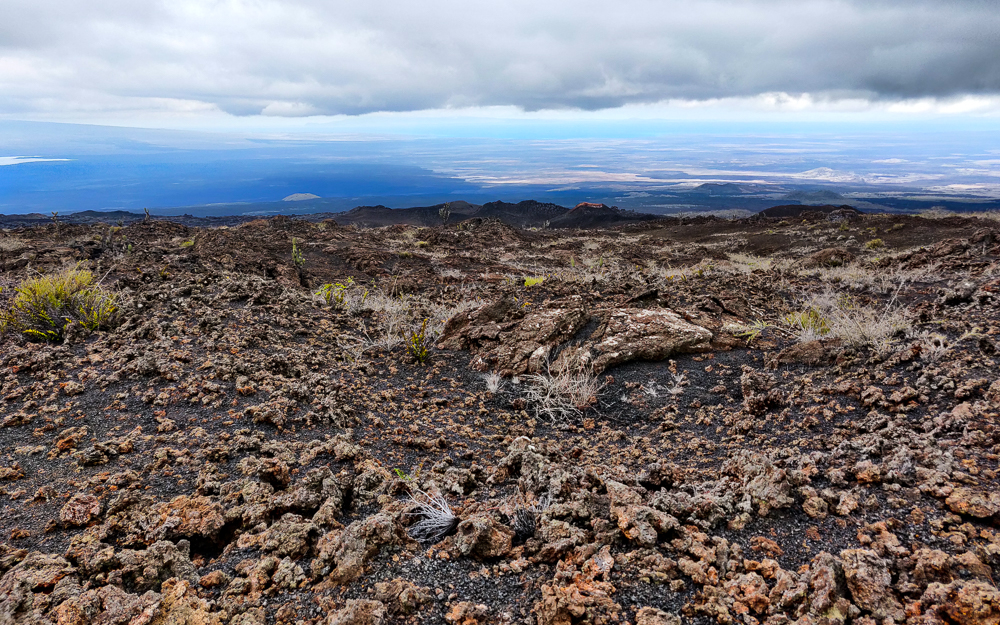
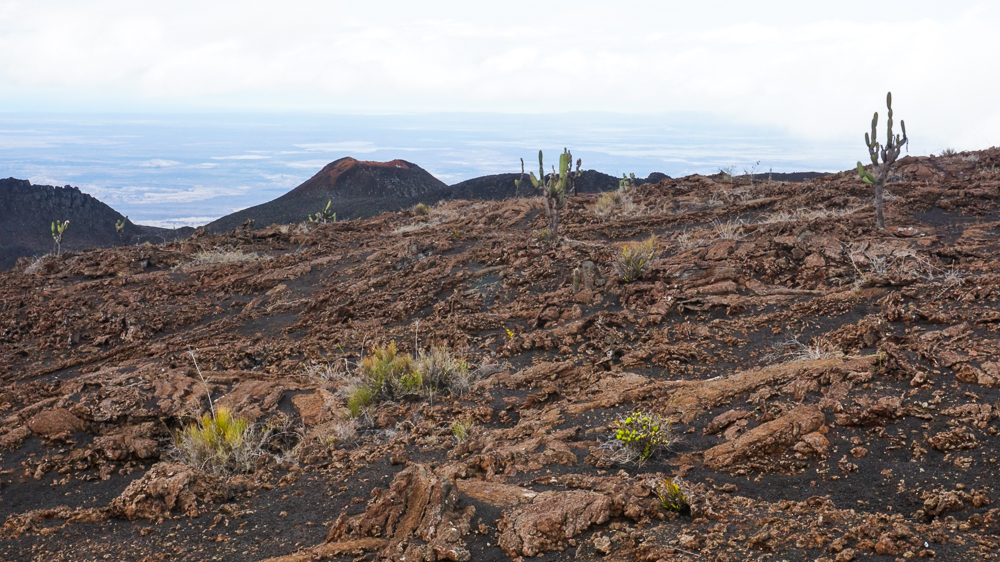
There was a decent amount of vegetation along the way, but as we moved farther up, it began to thin. Sierra Negra is the greenest on its southern slope, the windward side, because it gets more moisture thanks to the wind. That’s also where the Sierra Negra wild tortoises are mostly found. At the start of the hike, there were green, leafy plants and trees lining the path. By the time we reached the rim, there wasn’t much vegetation taller than I am, and the wildlife sightings were limited to a few little birds.

The blue pin is on Sierra Negra.
One of the only critters we saw during the hike
Flowers!
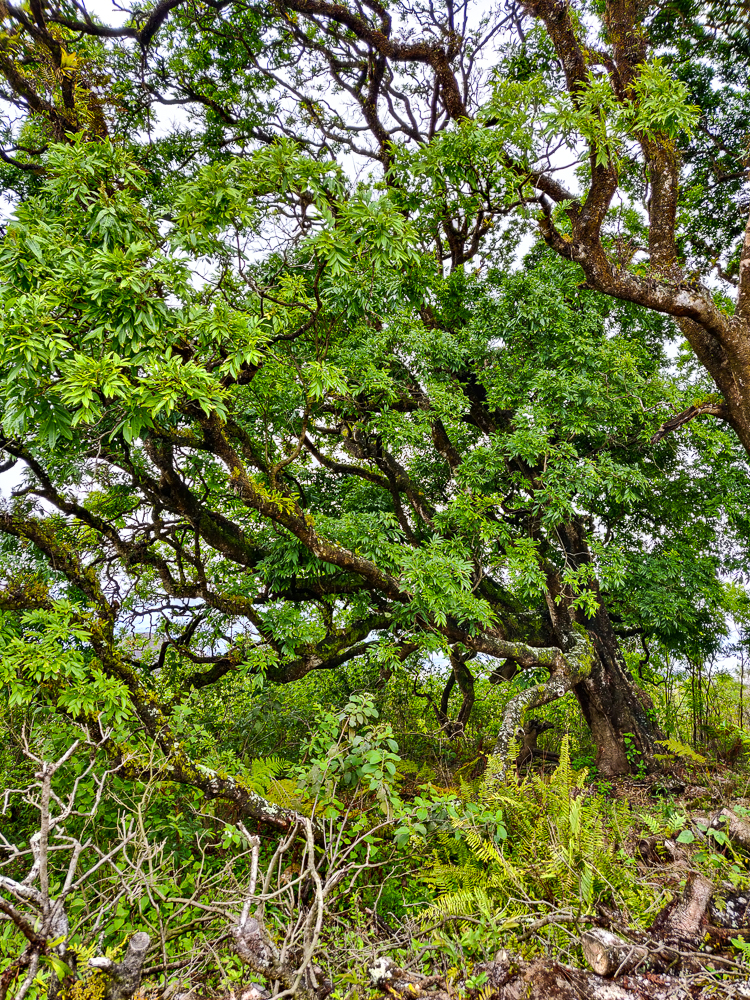
There were some big trees along the way

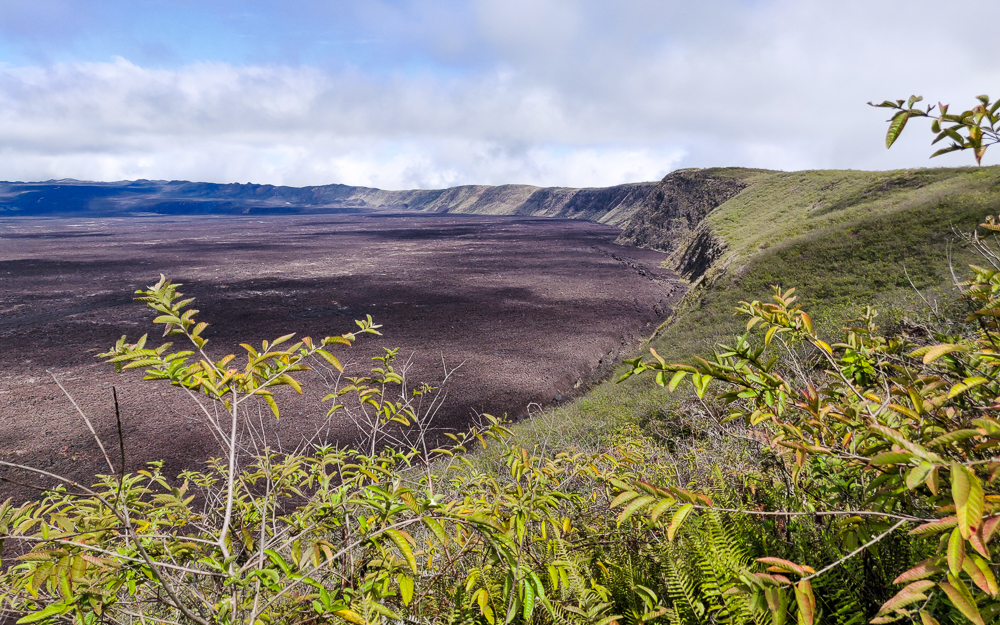
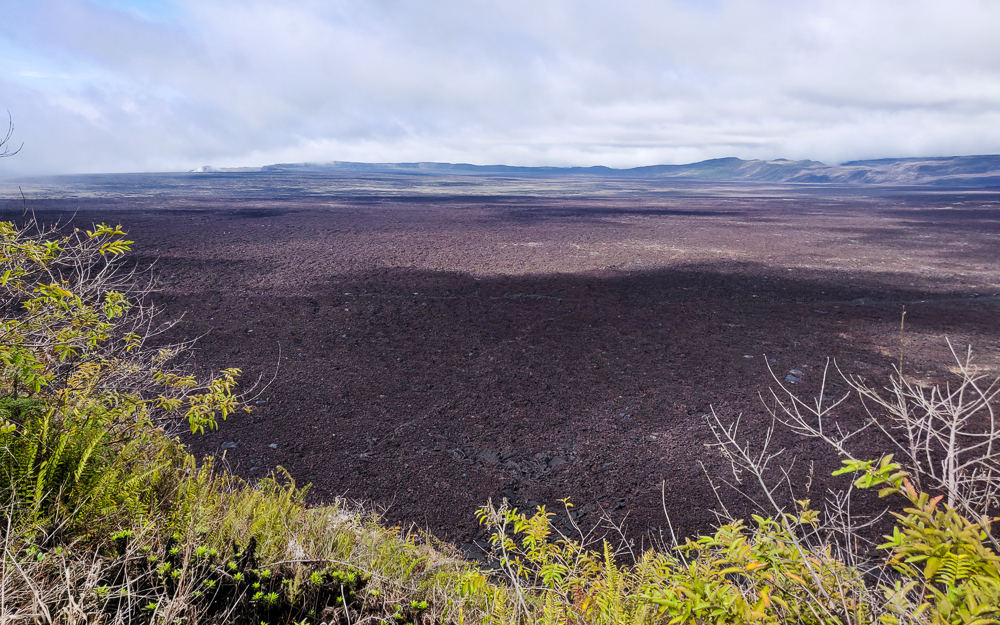
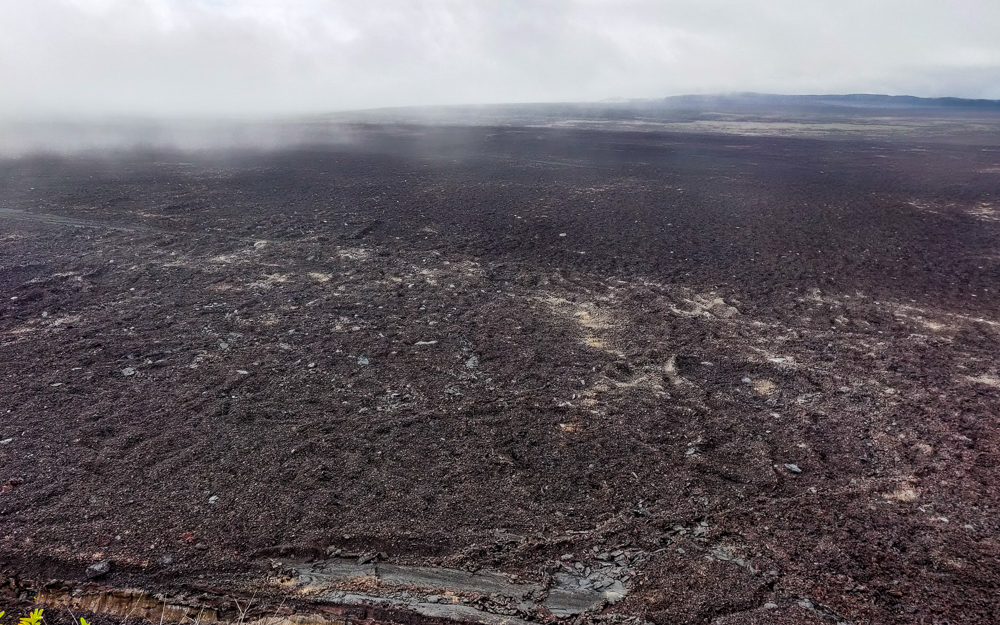
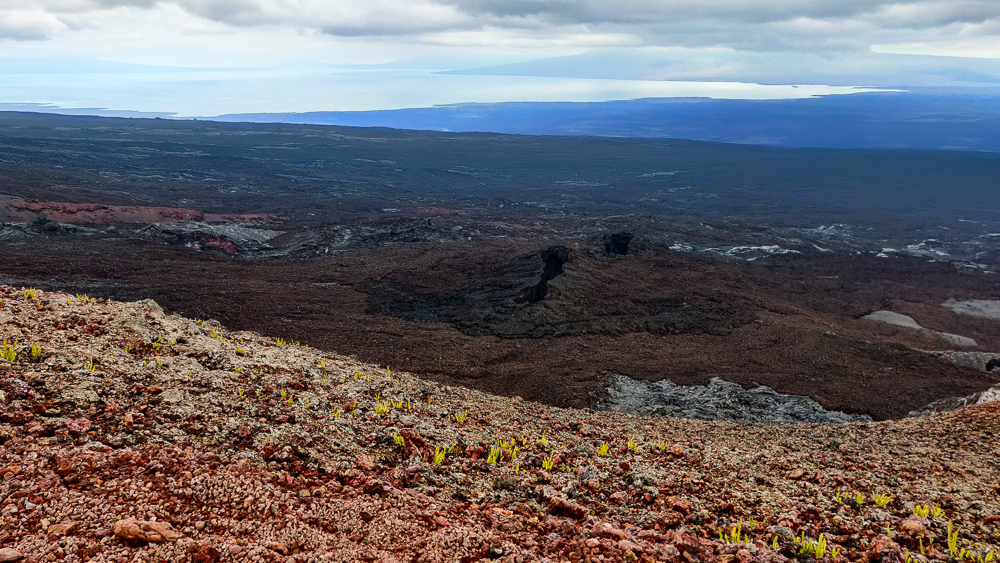
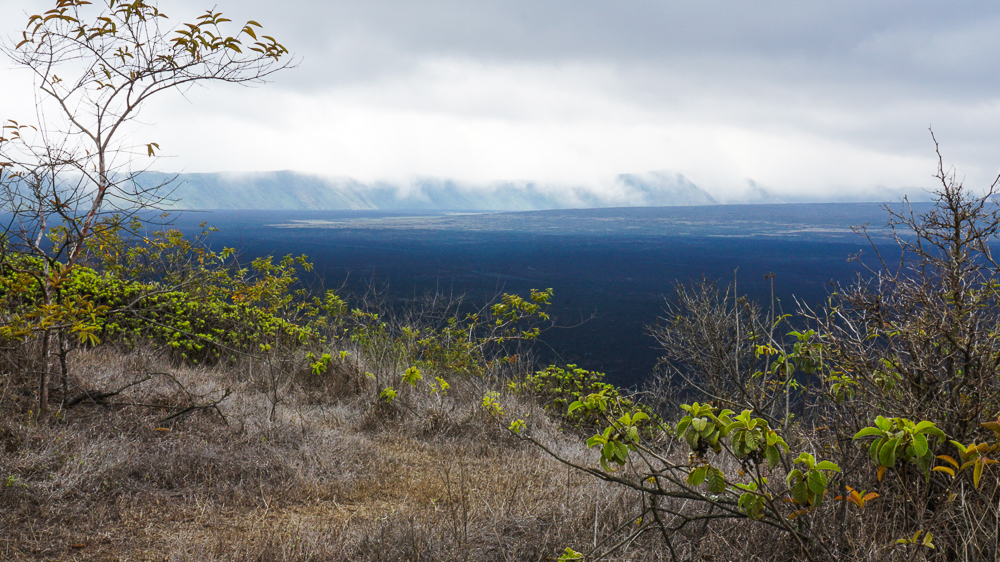
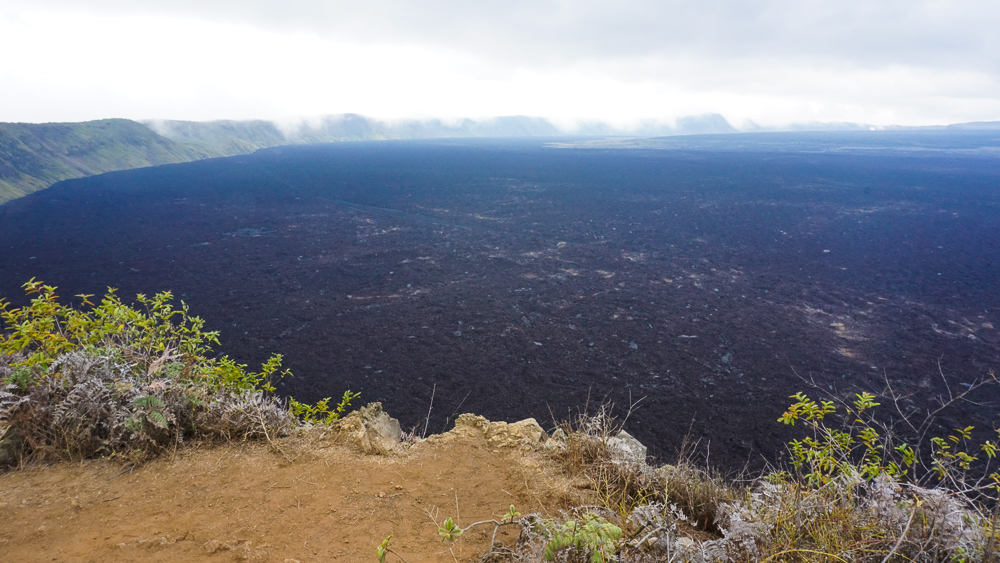
Our first view of the caldera was a bit jarring. We were lucky that it wasn’t too cloudy, giving us decent visibility to the other side… which was VERY far away. I mean, I know that I told you how big it is, but to stand there and see miles and miles of black lava rocks… it’s a strange sight.

Isn’t it amazing? The dark spots are cloud shadows
Shallow cliffs
The other side is so. far. away.
New lava from 2018

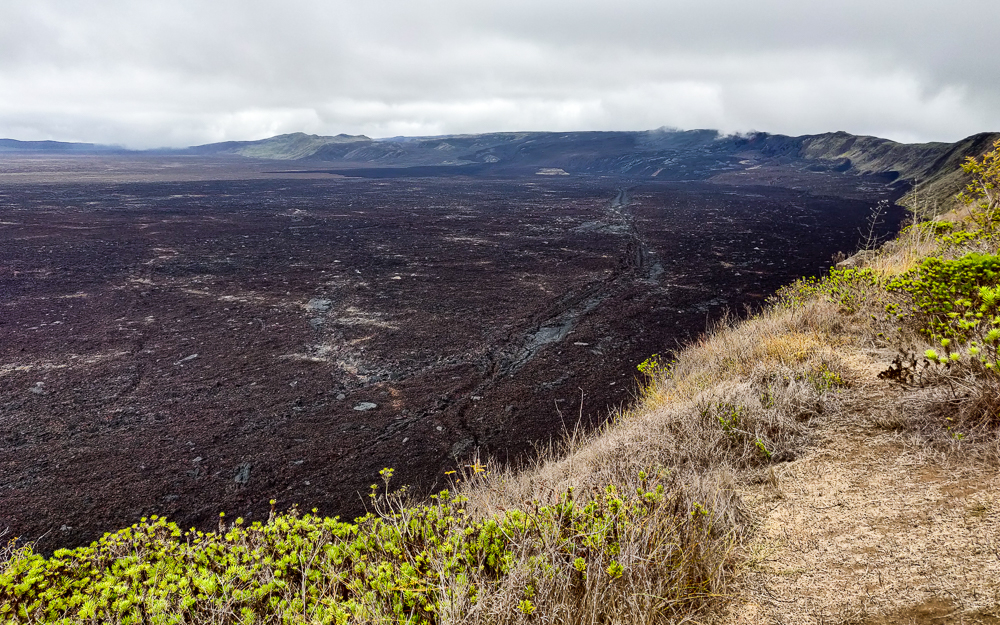
The guide told us that the lava patterns on the floor of the caldera tell the story of how it was formed. I’m not fluent in lava (and honestly, I had trouble paying attention to the guide), so I can’t tell you what they say, but it is interesting to see how much variation exists in something that, at first glance, appears somewhat uniform.

Some better views of the lava variations on the caldera floor
If I told you this was another planet, would you doubt me for a second?
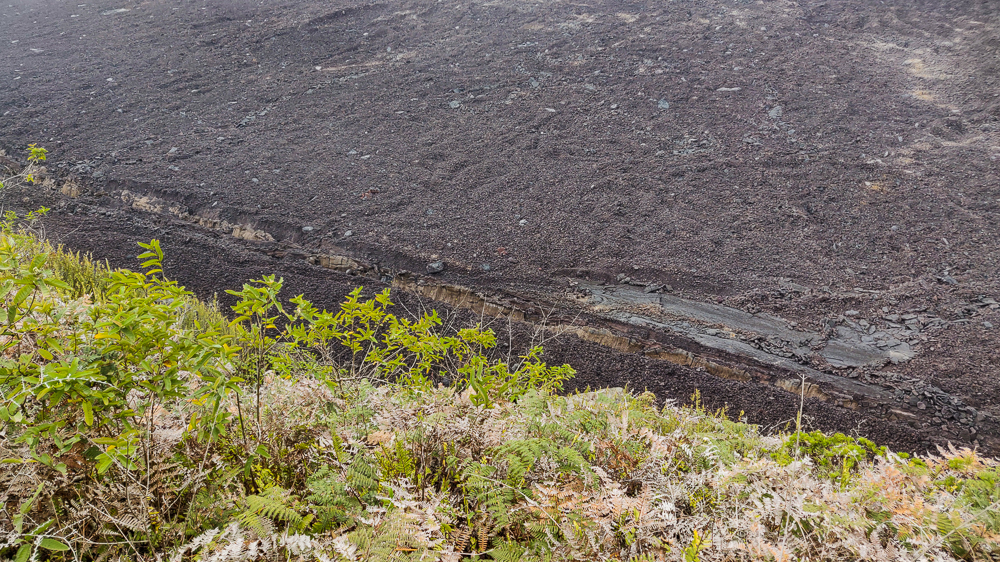
There are a bunch of big cracks along the perimeter, like this one
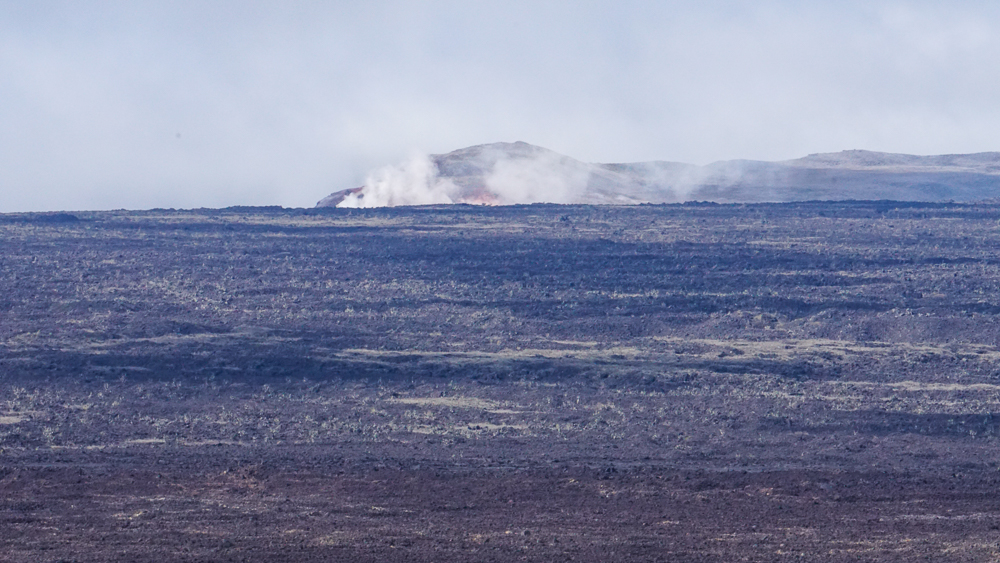
Still some steam action going on
That’s quite a crack

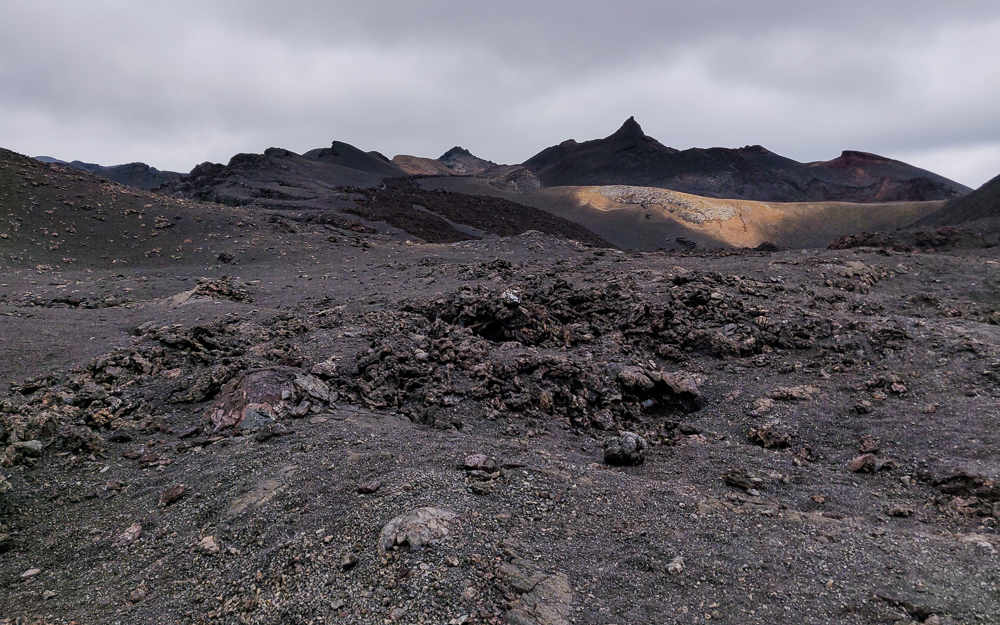
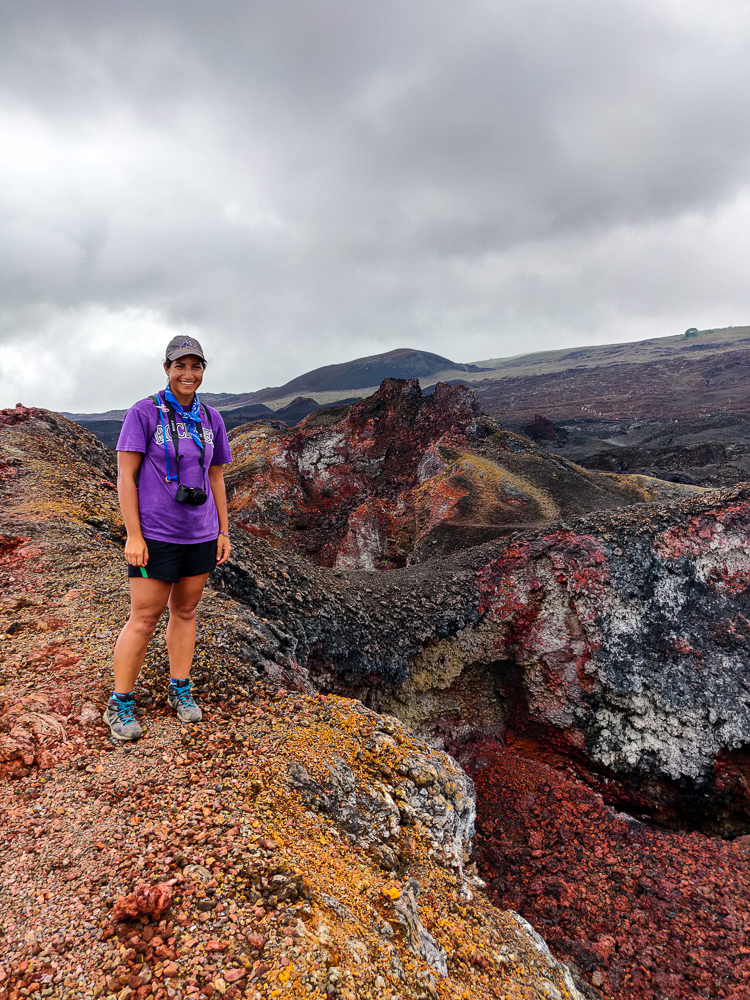
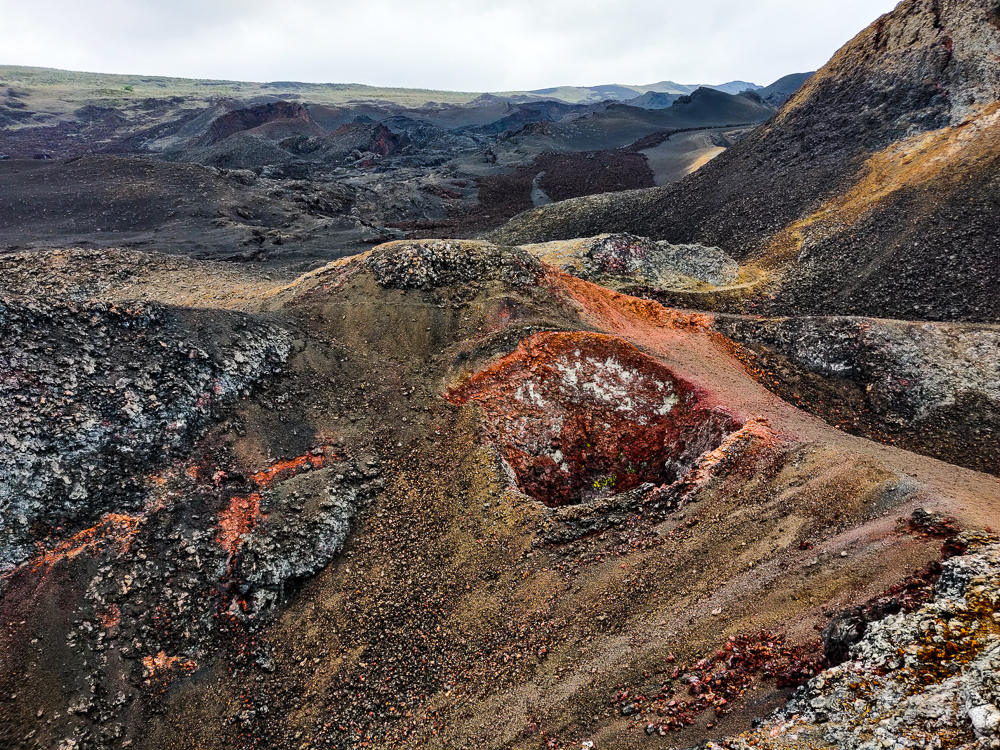
The caldera was cool, but without a doubt, the best part of the excursion was the lava fields. To the northeast of the main caldera, there’s a “parasitic cone” called Volcán Chico (Little Volcano). I’m not a big fan of that name… it sounds kind of gross. Alternatively called a “satellite cone”, it’s a location where lava escapes from fractures in the side of the volcano, outside of the main caldera, forming cone-shaped lava accumulations. The final leg of the hike took us through the lava fields to the cone of Volcán Chico.

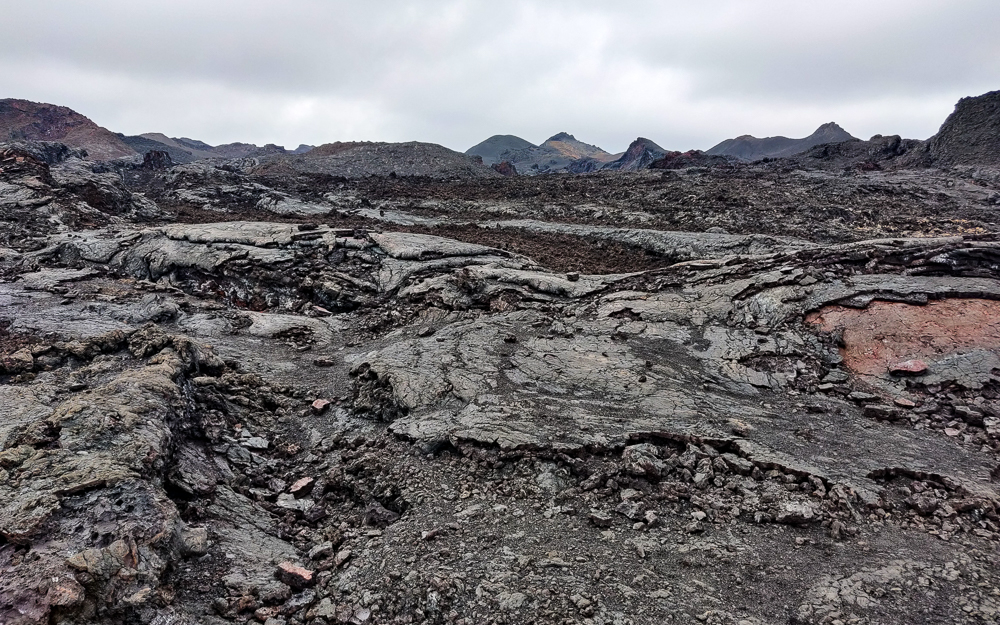
The lava fields are… thought provoking? That’s probably an uncommon assessment, but for me, they prompted a whole series of “THAT’S CRAZY!” thoughts. For example, Isabela is one of the youngest Galapagos islands. As I walked across the barren expanse of lava, I kept thinking about the fact that at some point, all of the islands looked like that. Seeing that made it even more amazing that plants and animals managed to survive and eventually thrive there. Like… there was NOTHING at the beginning. Now, some of the islands even have rainforests!

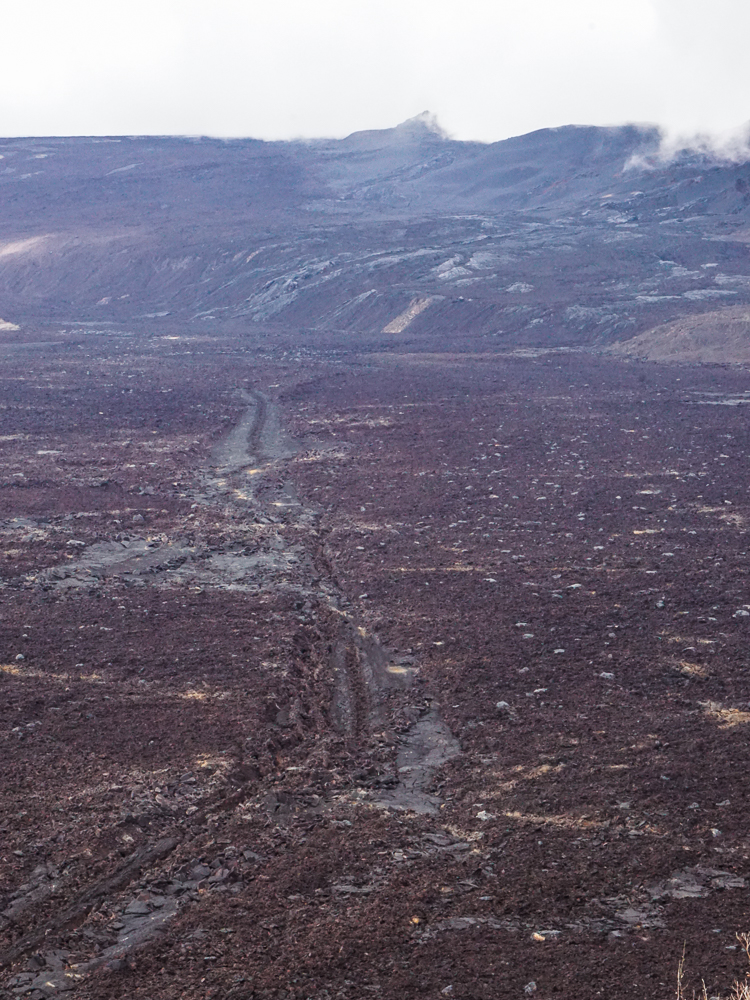
Lava fields
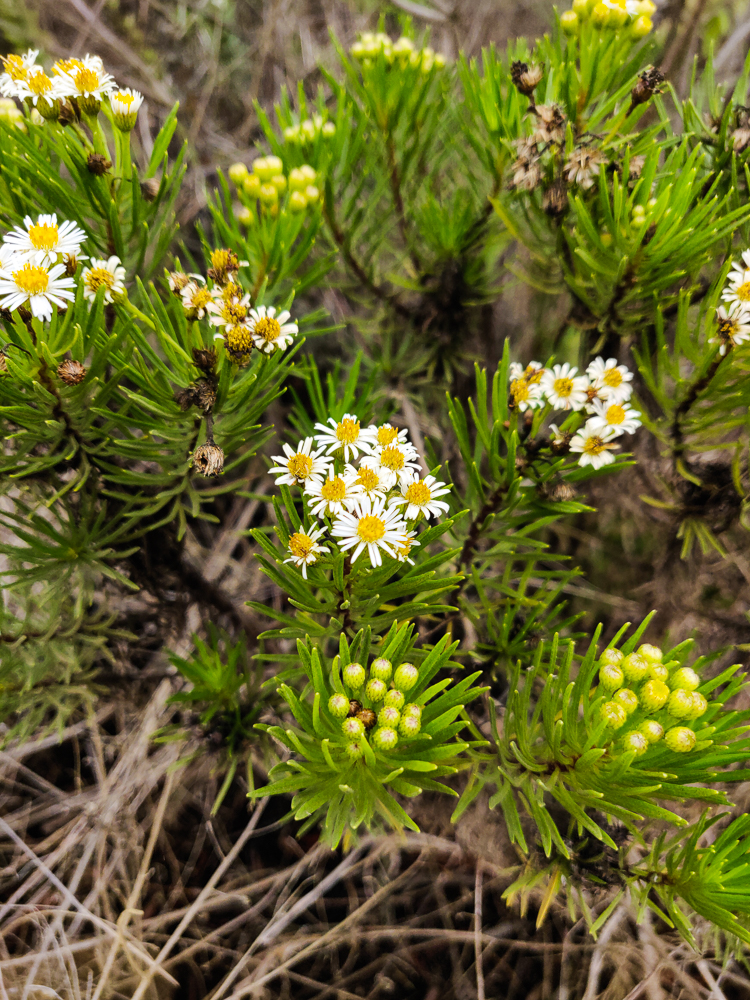
There is a little bit of life trying to pop up
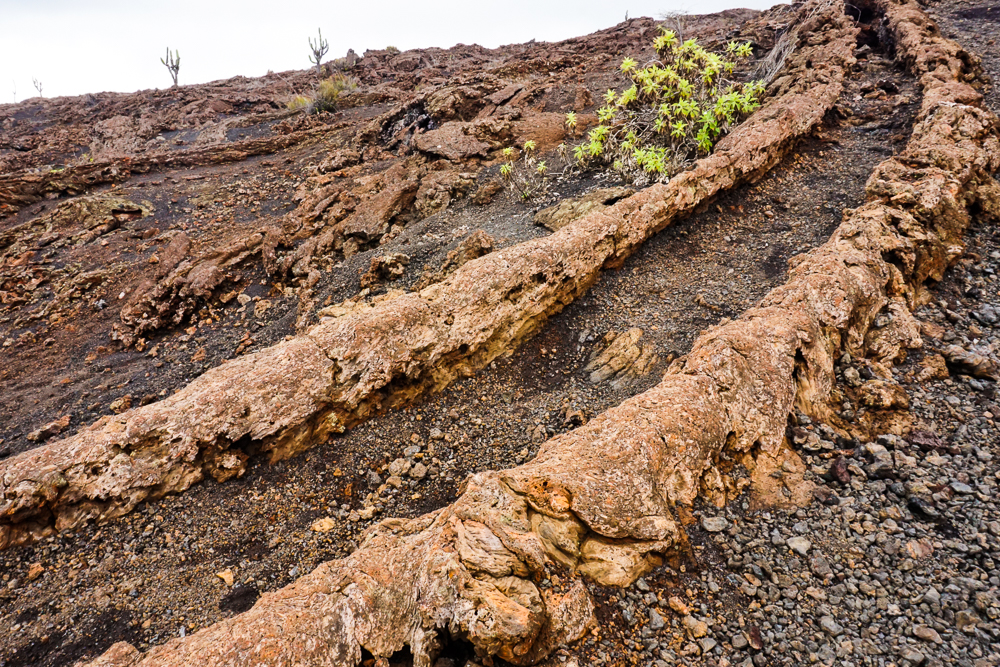
What the heck is this place?
Another parasite cone

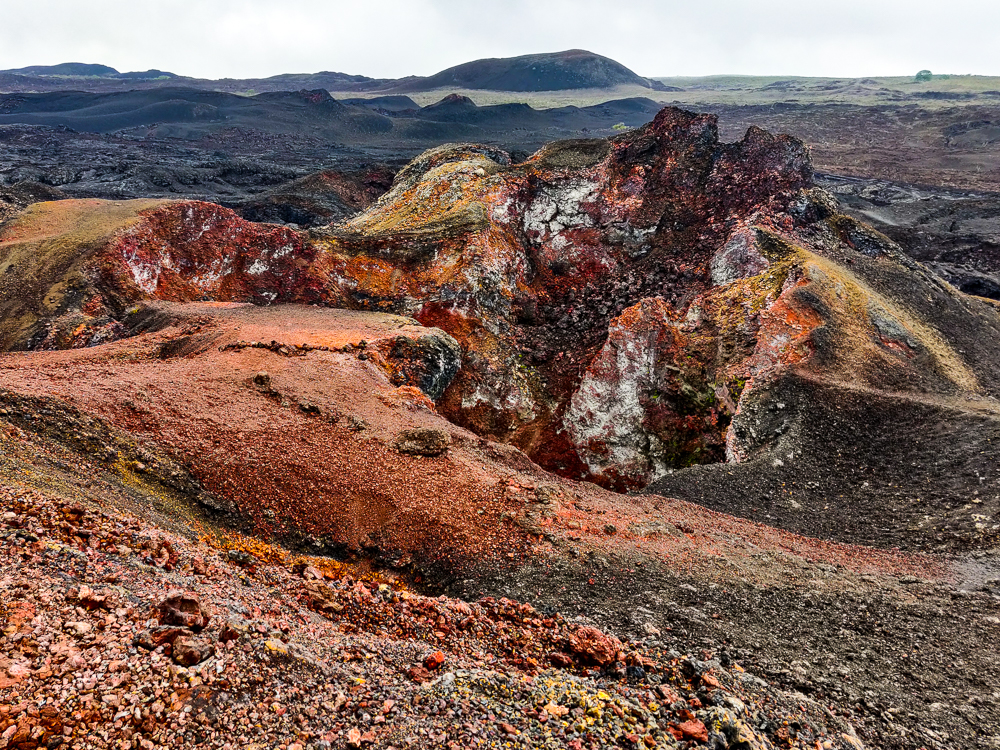
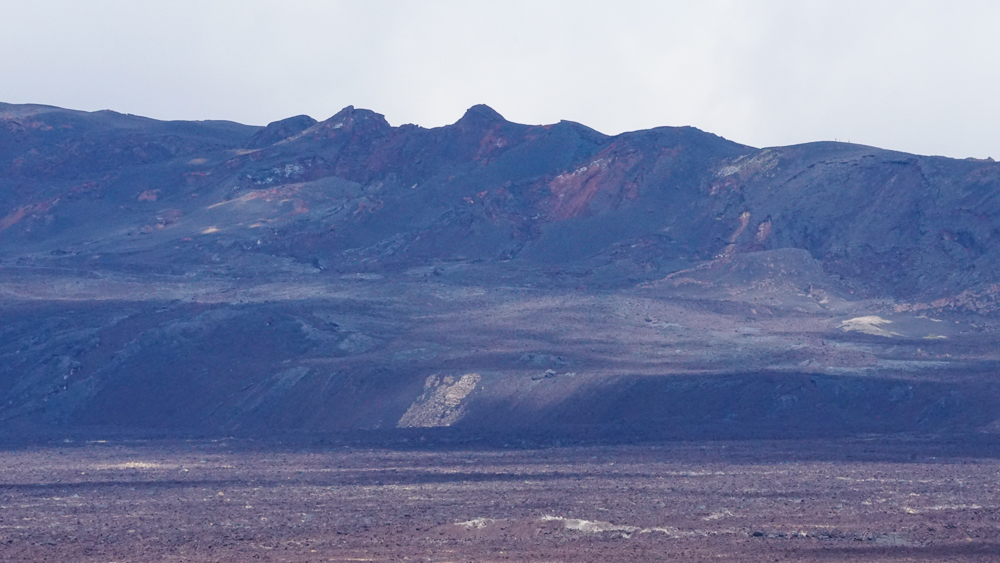
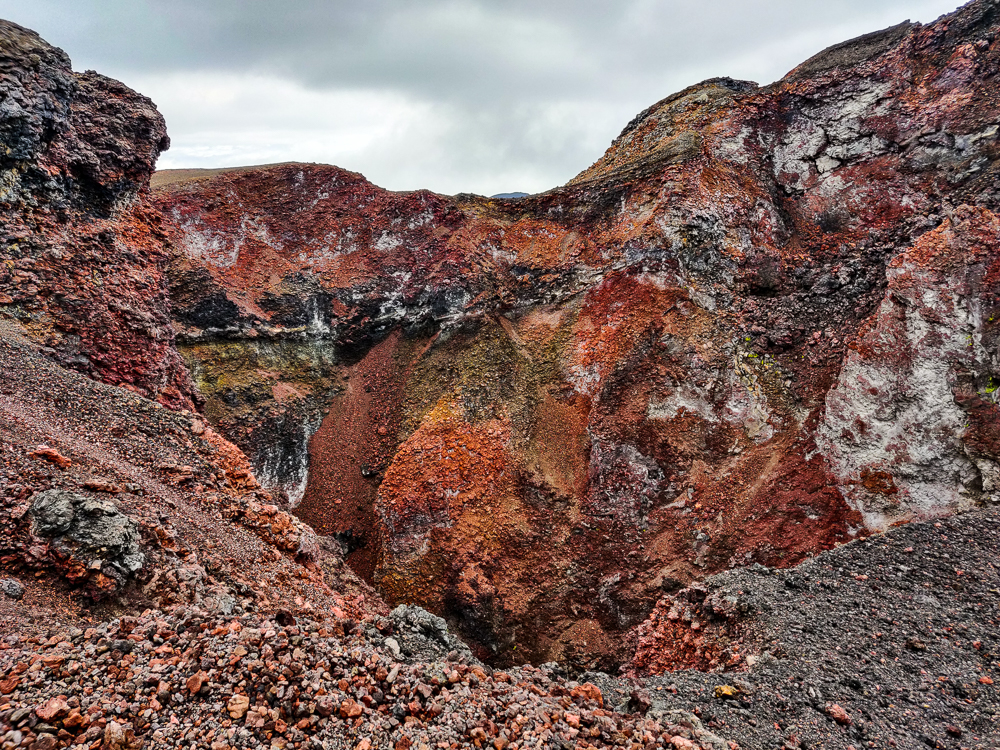
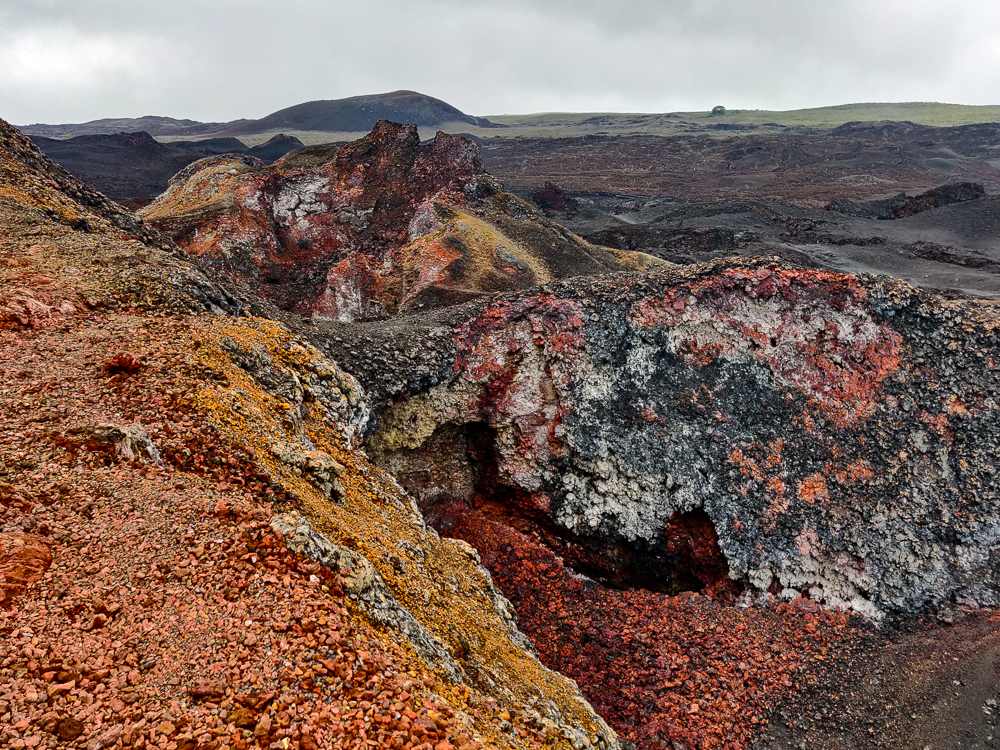
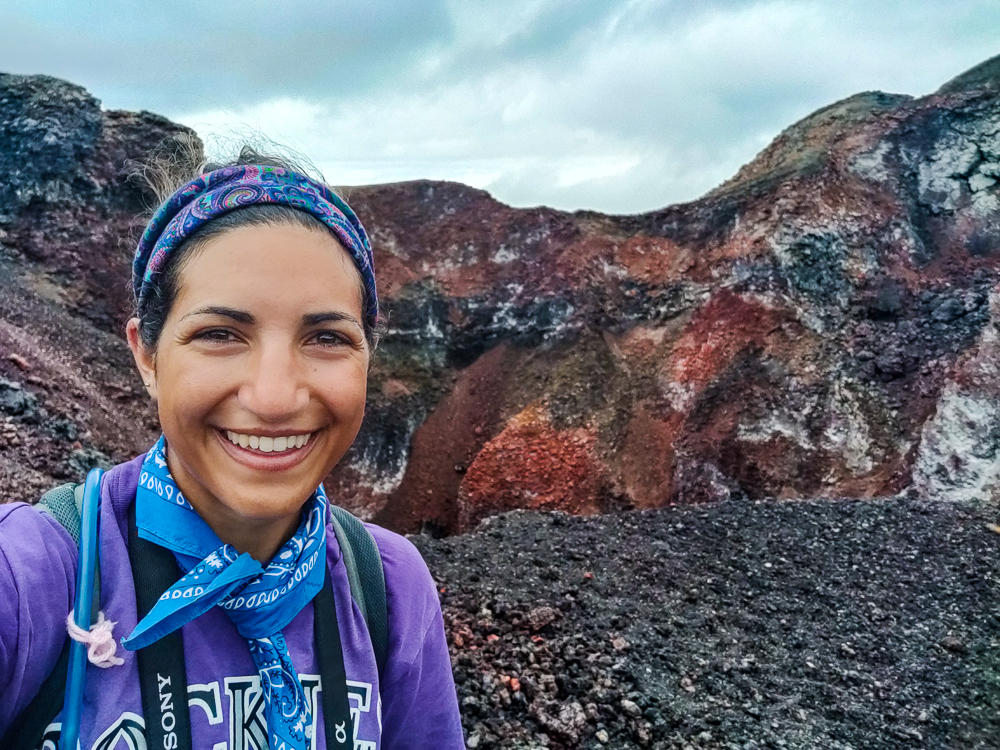
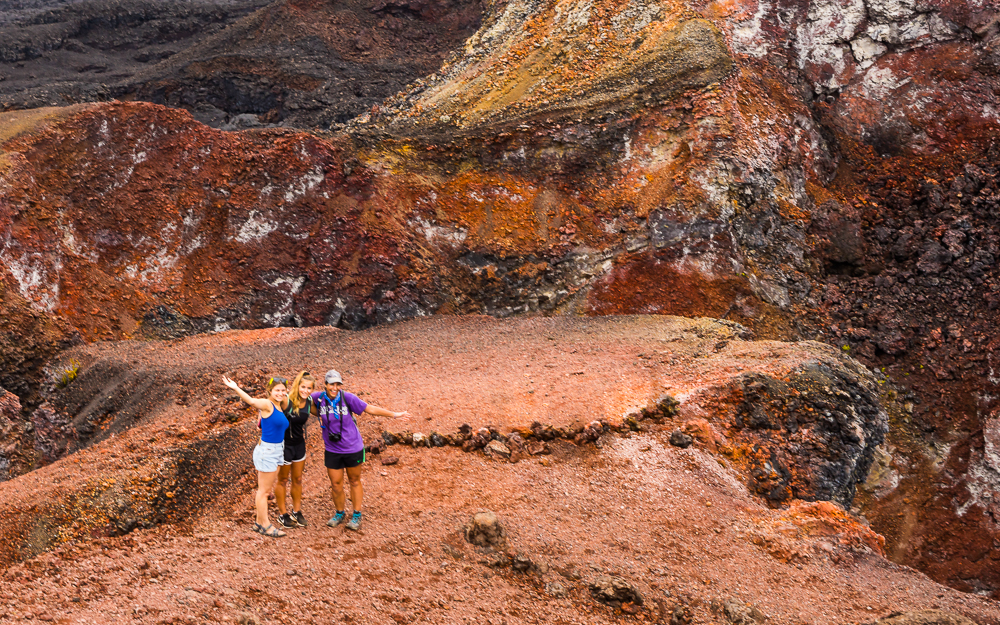
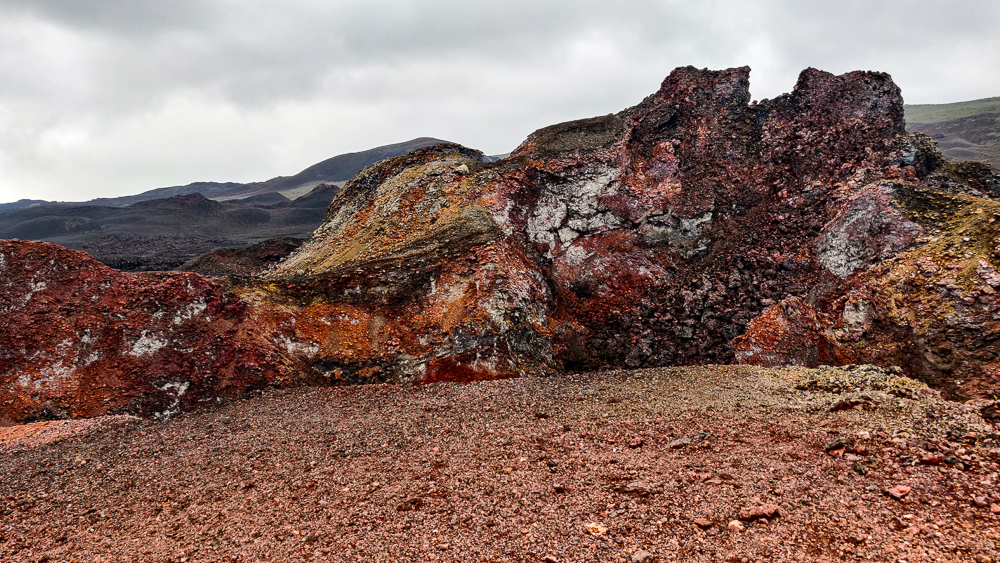
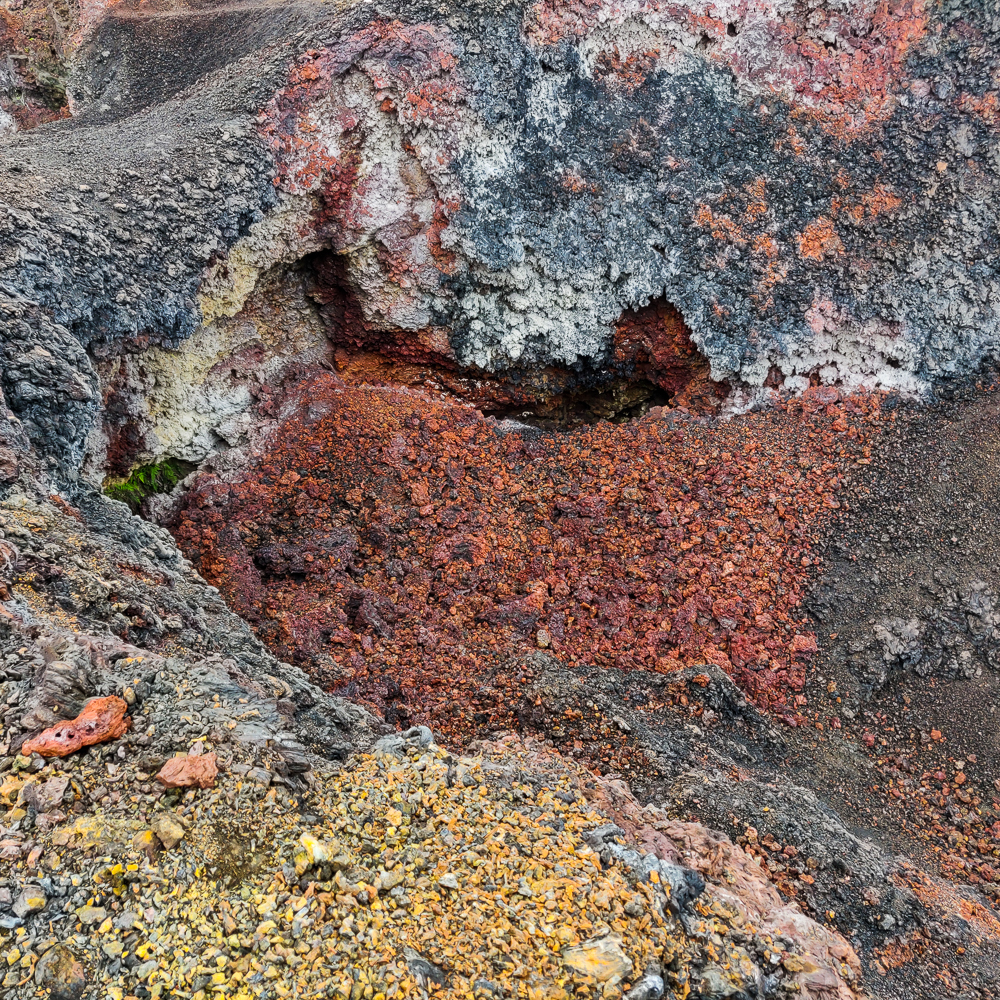
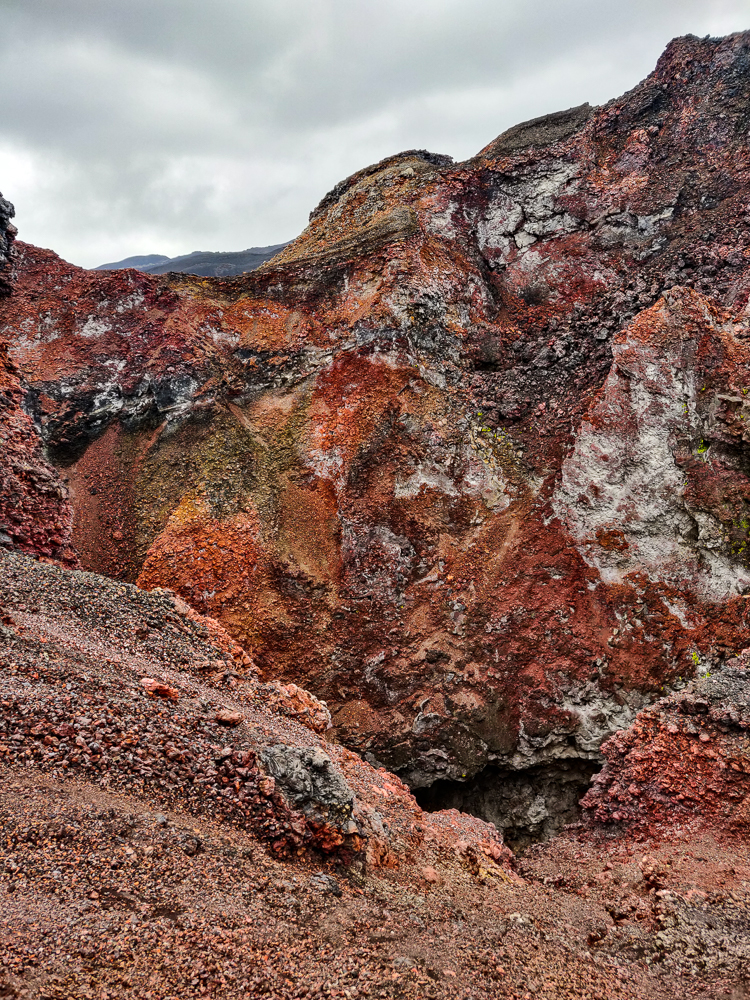
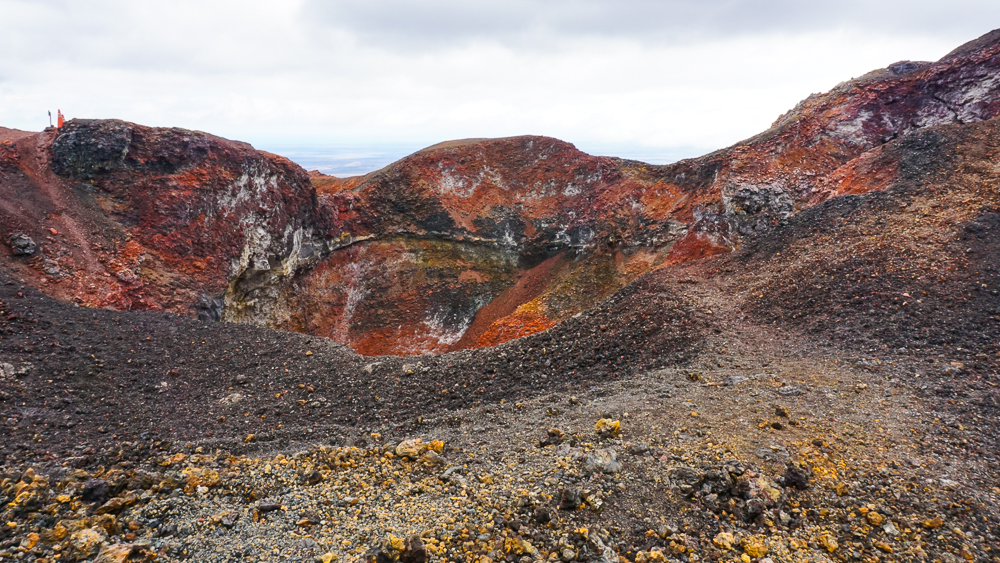
The guide pointed out various formations along the way and explained that the different colors of lava result from the oxidation of various minerals. By looking at the coloring, scientists can determine what lava came from which eruption. The least colorful stuff is usually more recent because it hasn’t had as much time to oxidize. I’ve seen a lot of lava in my life, but I can’t remember ever seeing so much color and vibrance. It was beyond amazing. And beautiful!!

The colors!
Eeee!!! So pretty!

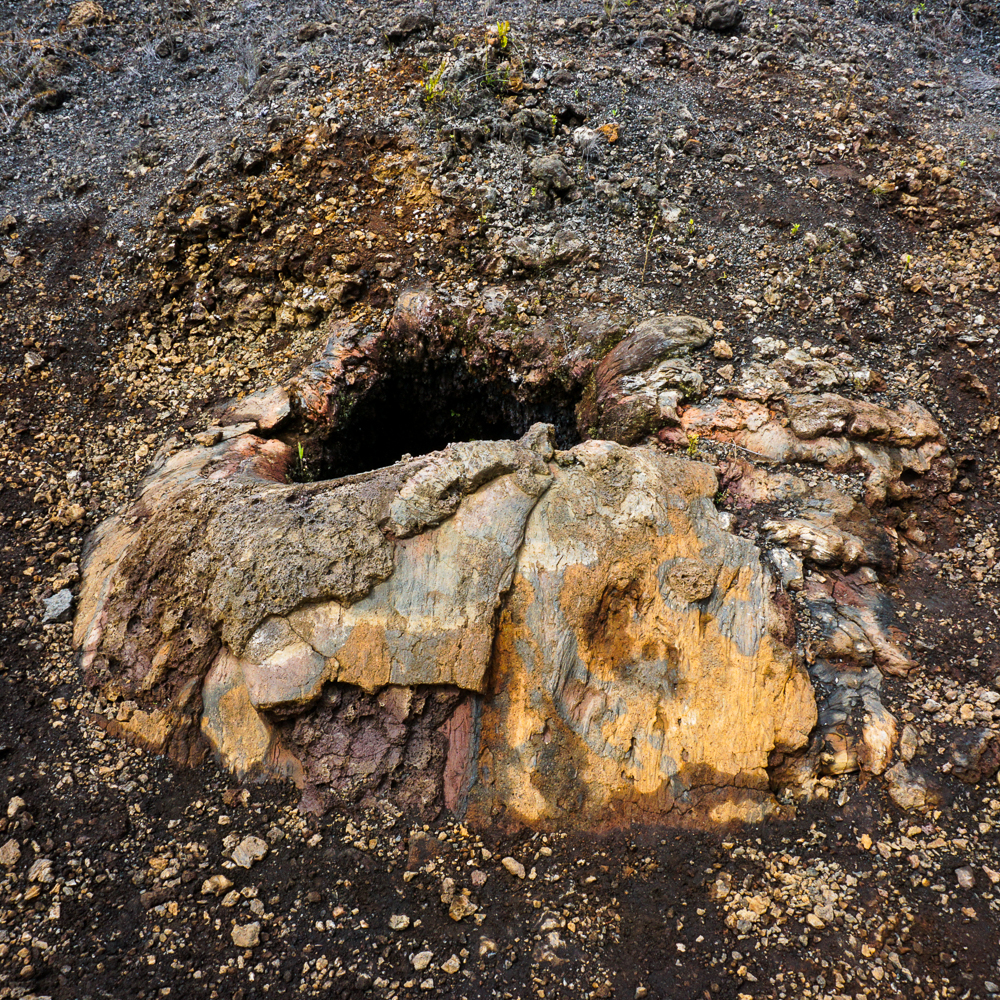
There are also natural vents across the landscape, places where you can hold your hand above a hole in the ground and feel heat coming out. It’s a little spooky to think that you’re feeling the heat of the Earth’s core. Eek! Also creepy is when you see a formation that looks like it could be water, frozen in time. It’s a bit of a reality check, like, “Hey! In case you forgot, this used to be FLOWING. Oh yeah, and it wasn’t water. It was MOLTEN LAVA.” Nope. No, thank you. You can keep that molten lava faaaaar away from me.

Natural vent
Another natural vent. Watch your step!
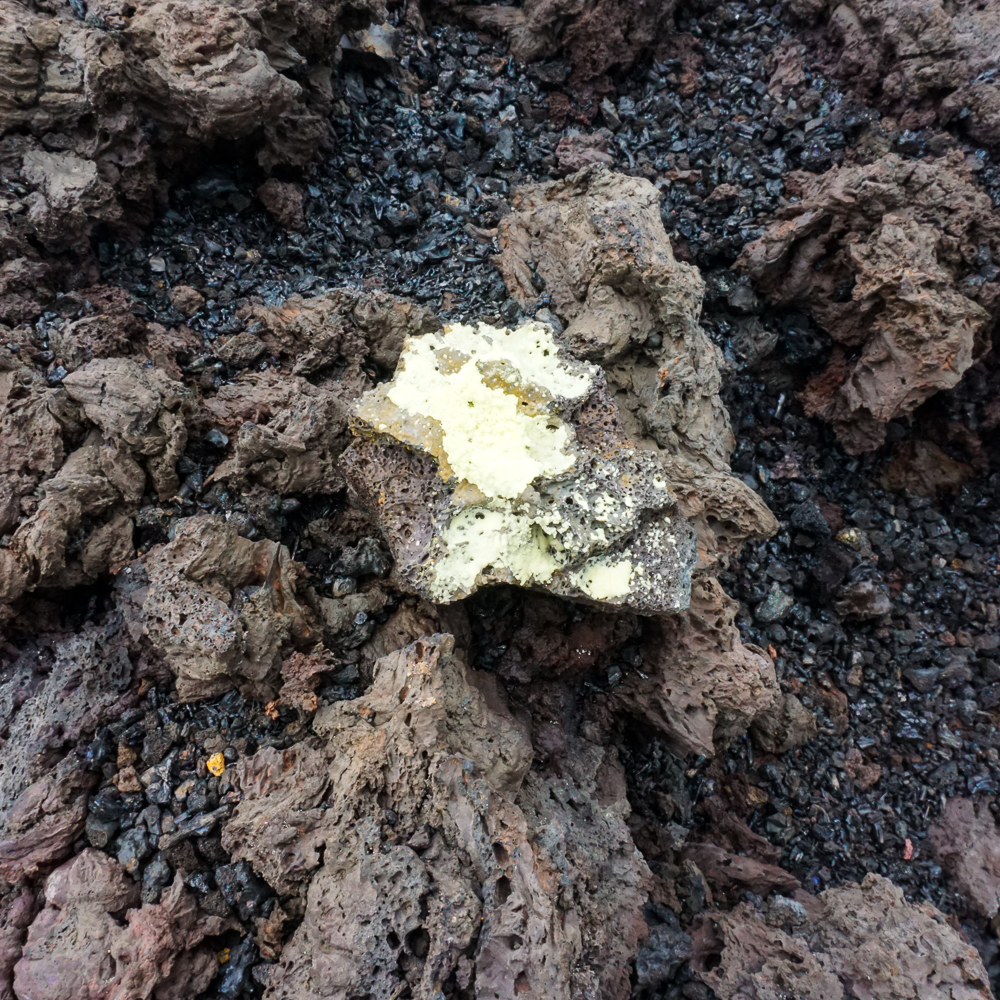
Okay so like I said, I didn’t do a great job of listening to the guide, but he was really amped about this material on the lava… I THINK it’s sulfur, but don’t quote me.
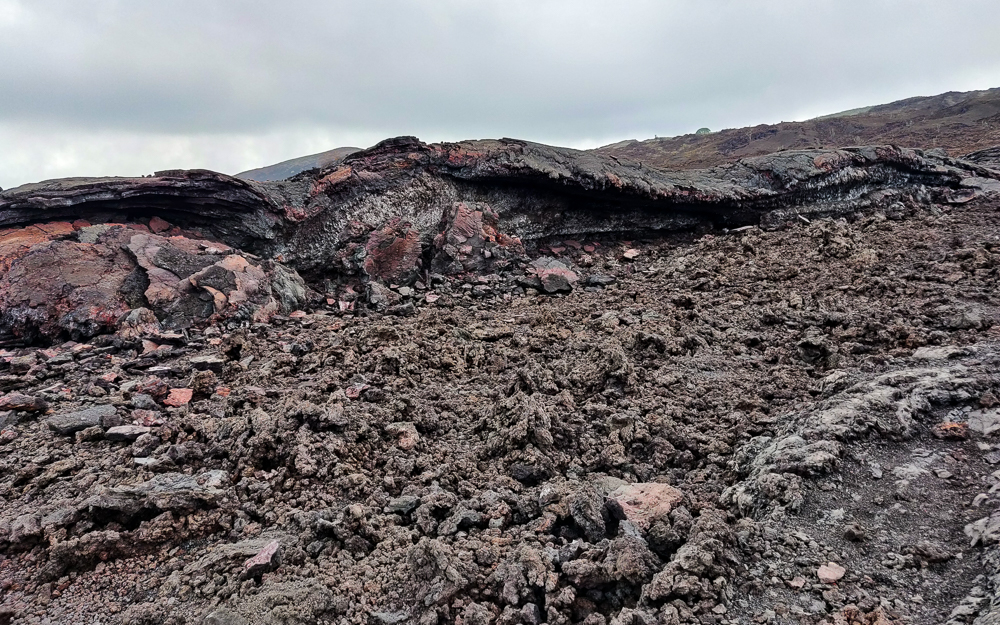
This looks like a wave in the ocean. Okay, now imagine it’s molten lava.
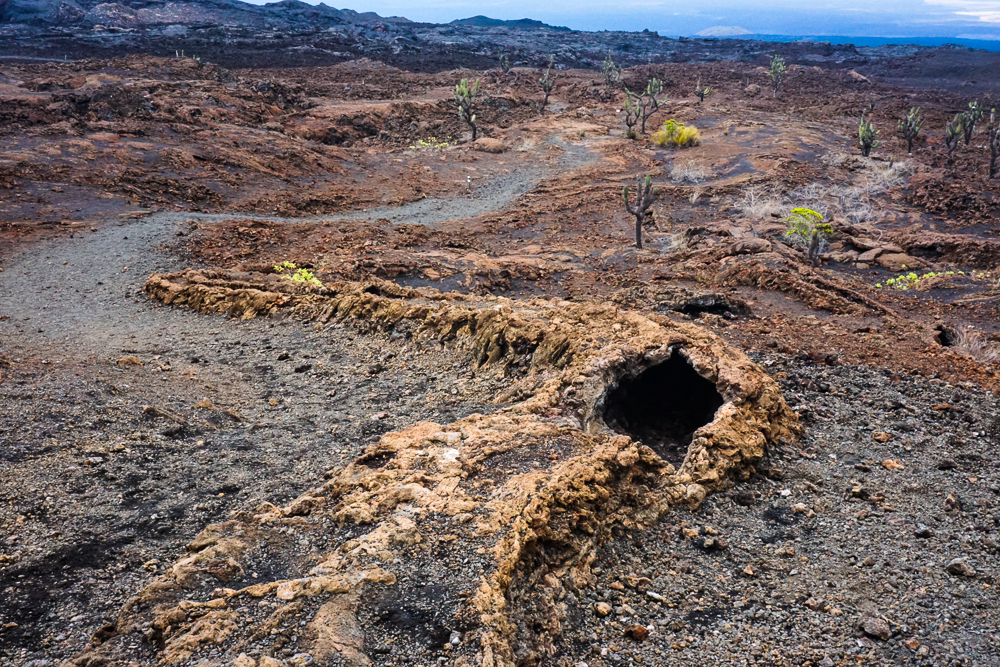
A partially-collapsed lava tube in the lava fields.
The other end of the lava tube.

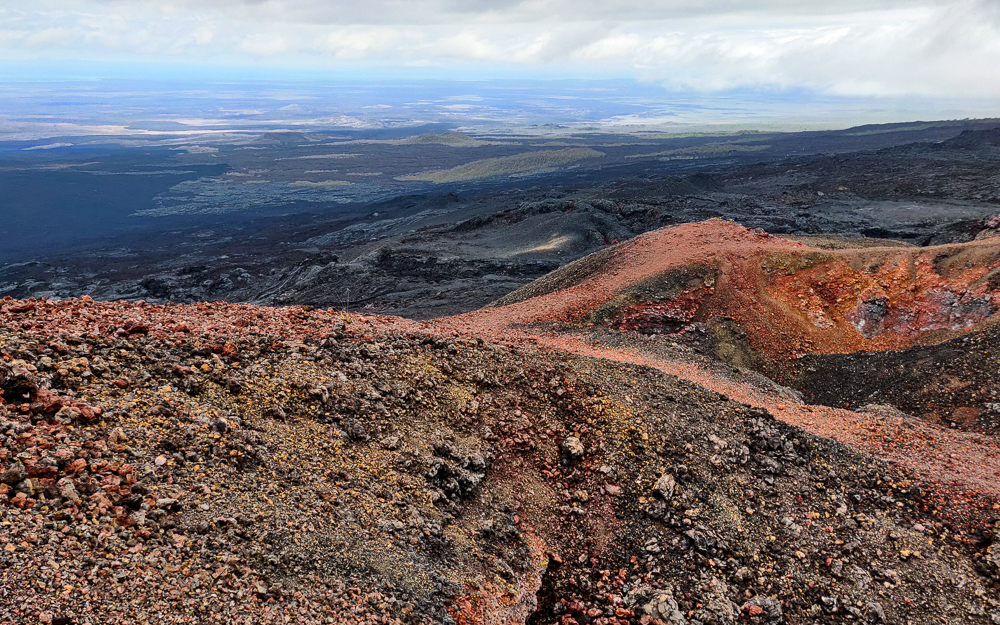
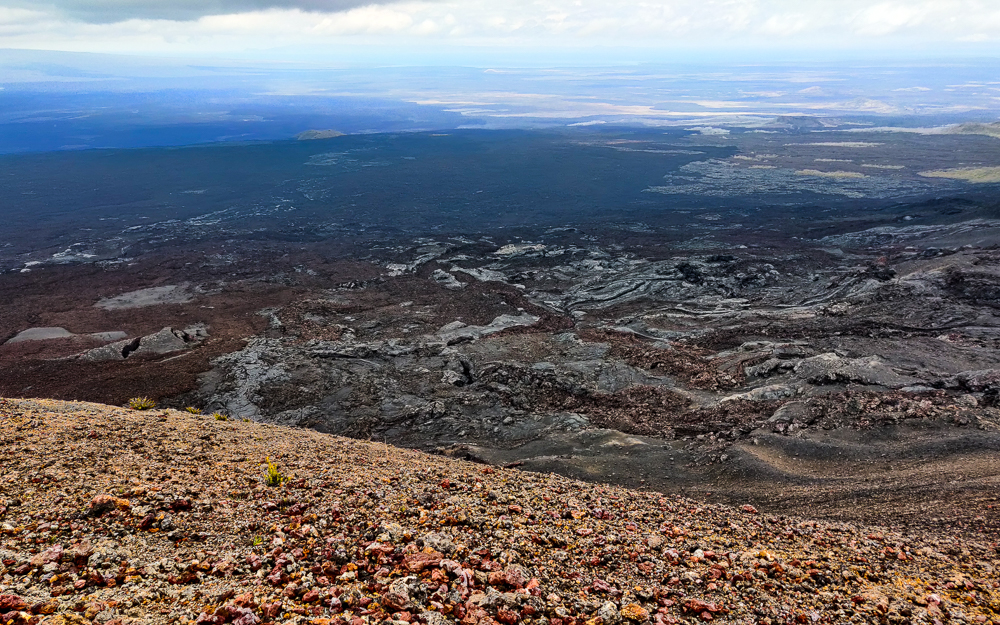
Finally, we reached Volcán Chico. The view is bizarre. You can see the northern part of the island, and it doesn’t look like it belongs on this planet. Elizabeth Bay is in the distance. The best part, though, is the COLORS around the cone. I’m not even going to attempt to explain it. Just soak in the amazingness of these pictures.

Sorry in advance for the million pictures that are nearly identical… except that I’m not sorry because they’re awesome and you have no idea how many I filtered out to end up with these million that I want to show you.
My head exploded
Contrast!
Lava rock confetti
Have you ever seen anything like this??
I look pretty happy in this picture, but I promise you that this doesn’t even begin to do my excitement level justice.
Happy happy happy
I just love it.
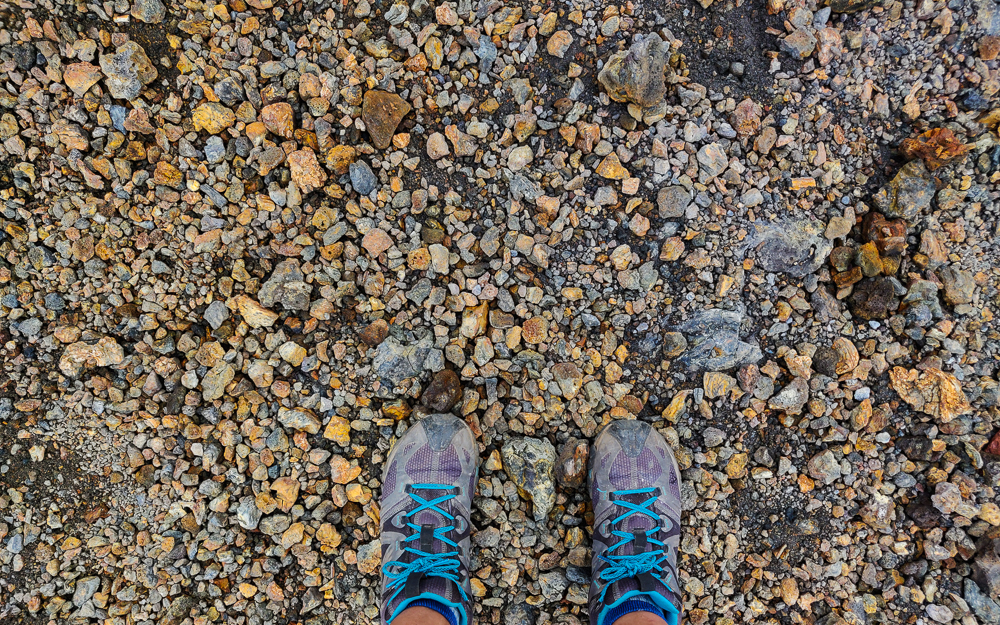
Then there’s this… black, black, black, GOLD!
It’s like a treasure trove of the world’s prettiest lava rocks
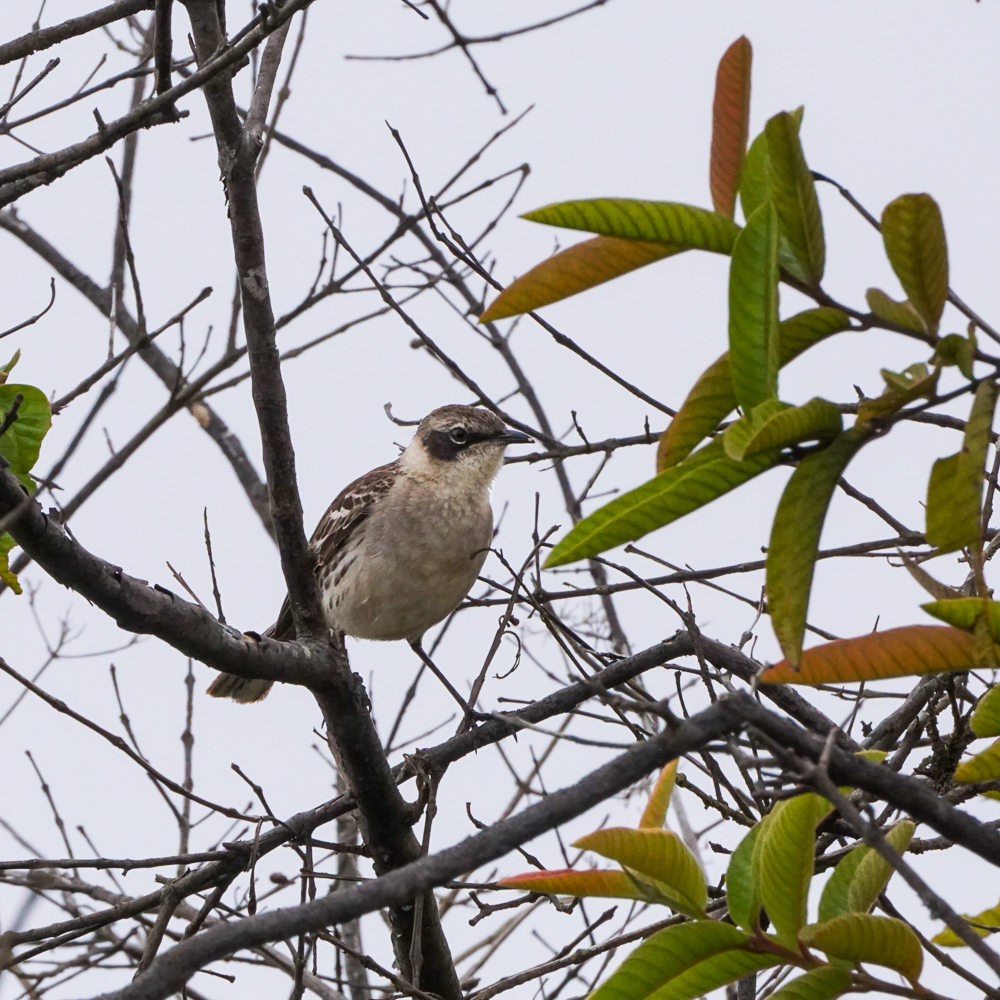
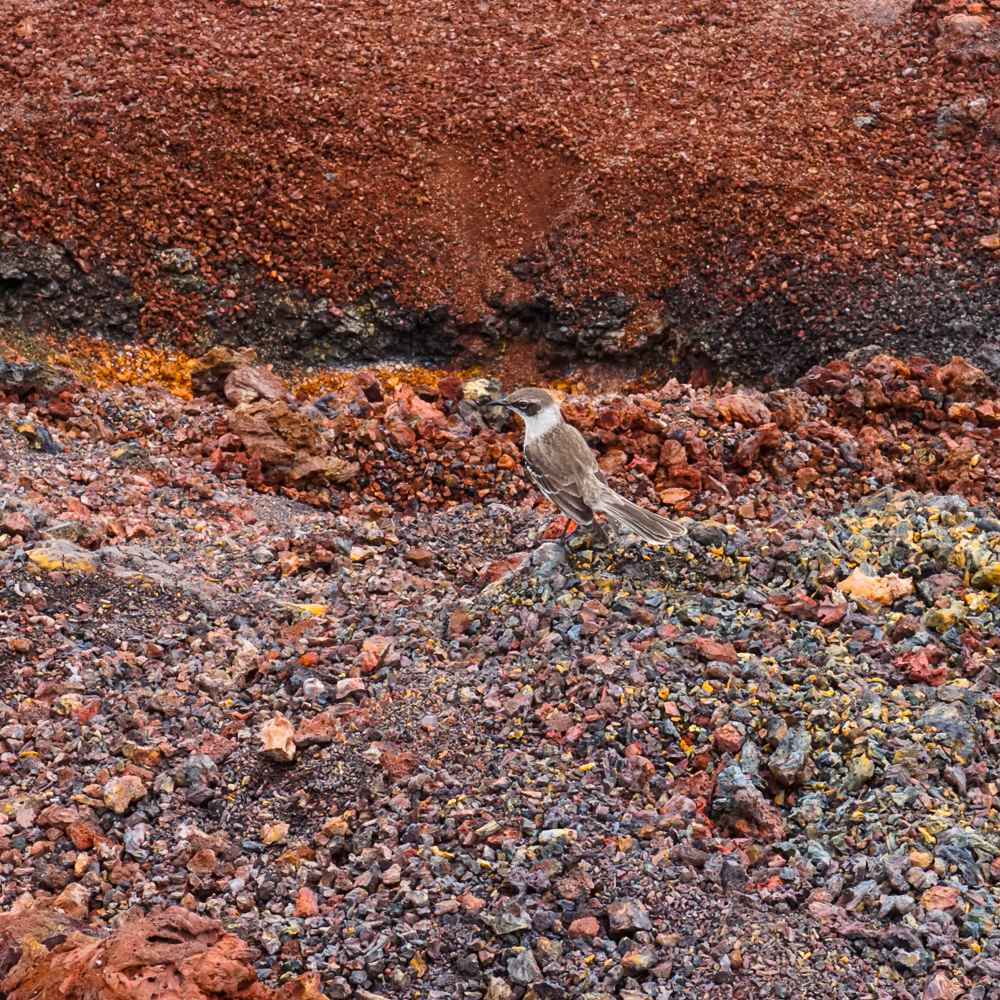
Mockingbird!
View from Volcán Chico
Cousins!
See the bay in the distance?

I’ll never get tired of these pictures.
Okay, last one.

The guides started herding us back to the bus before I was ready to go. It was like looking at really pretty fall foliage, where you wish that you could capture what you’re seeing and what you’re feeling and bottle it up forever, but since you know that you can’t, you want to stay as long as possible to try to imprint it in your brain and heart. You know? Orrr maybe that’s just me. But I guess I did an okay job because even now, I get that same feeling when I close my eyes and imagine that I’m back there, gazing out at the otherworldly landscape.

The hike back was mostly uneventful, but we did get to experience the massive difference in weather conditions between the lava fields and the volcano rim. In the lava fields, the weather was hot and bone dry. As we walked along the rim, it got wetter and wetter, and by the end, we were basically walking through a cloud. And I’m sure that at that same moment, the lava fields were just as hot and dry as when we left them. It’s all about the wind/topography/it makes my head spin!

Much foggier view than on the way up!
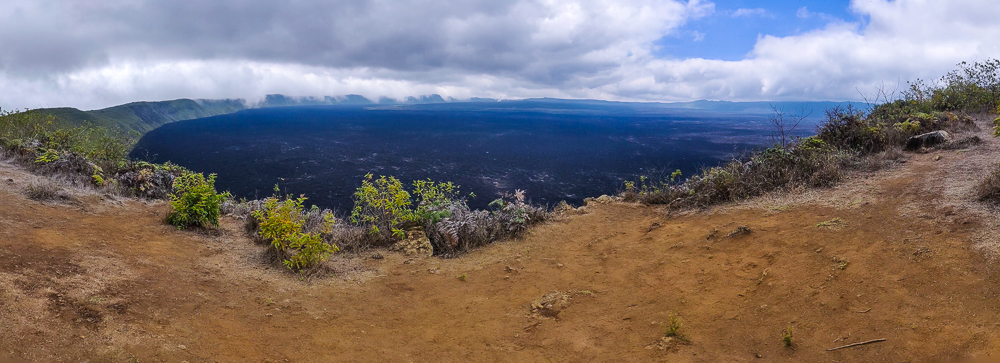
A nice panoramic photo that absolutely does not do the caldera justice. But I had to try.
Now it really looks like another planet

We were exhausted when we got back to town, but since it was New Year’s Eve, we went to sleep early and set our alarms for 11:30PM so that we could check out the happenings in the main square. I was only about 20% sure that we would actually wake up, but amazingly, we all dragged ourselves out of bed and joined the festivities!

Ecuador has some funky New Year’s traditions. People make effigies, either of actual people or characters or something that represents the previous year, and at midnight, they’re set on fire as a sort of cleansing ritual before the new year. You know, on our early morning bus ride to the volcano, I thought that I saw a roadside stand filled with paper mâché heads, but it seemed too weird to be true. I assumed that I was out of my mind because it was so early. Nope! Most families make an effigy, and they need to get their heads somewhere!

There were some bigger scenes prepared to be burned at midnight as well… this depicts an incident that occurred at the end of 2019 when a crane unloading a generator from a boat collapsed, spilling hundreds of gallons of oil into the ocean. Obviously, oil spills are never good, and in a place like the Galapagos, they have the potential to be extra bad. I think they contained it really quickly and minimized the damage, but still. Not good.

Here’s a video of the post-midnight mayhem, and you can see different people coming up to toss their effigies on the fire.

After that, we tried to go back to sleep, but our hotel’s great location near the center of town meant that we could hear the New Year’s party going on into the not-so-wee hours of the morning. I think I fell back asleep when it stopped at around 5AM. Ugh.

Related Posts

Iceland Lava Rocks – okay, not the official name of the post, but if you want to see more cool lava colors, check it out!

Perito Moreno Glacier – for a completely different otherworldly landscape, do some glacier trekking!

Mount Aragats – speaking of volcanoes, why not visit Mount Aragats, the volcanic crater that gives Armenia its tallest peak?

After our morning tour to Las Tintoreras, we still had half of the day free for more activities! My aunt and I went into town after a brief stop at our hotel and started asking around about renting bikes. There’s a 3 mile-long (5km) gravel path to the west of Puerto Villamil (the main town on the island) that winds past different points of interest, and we wanted to make a plan to explore it later in our stay on Isabela.

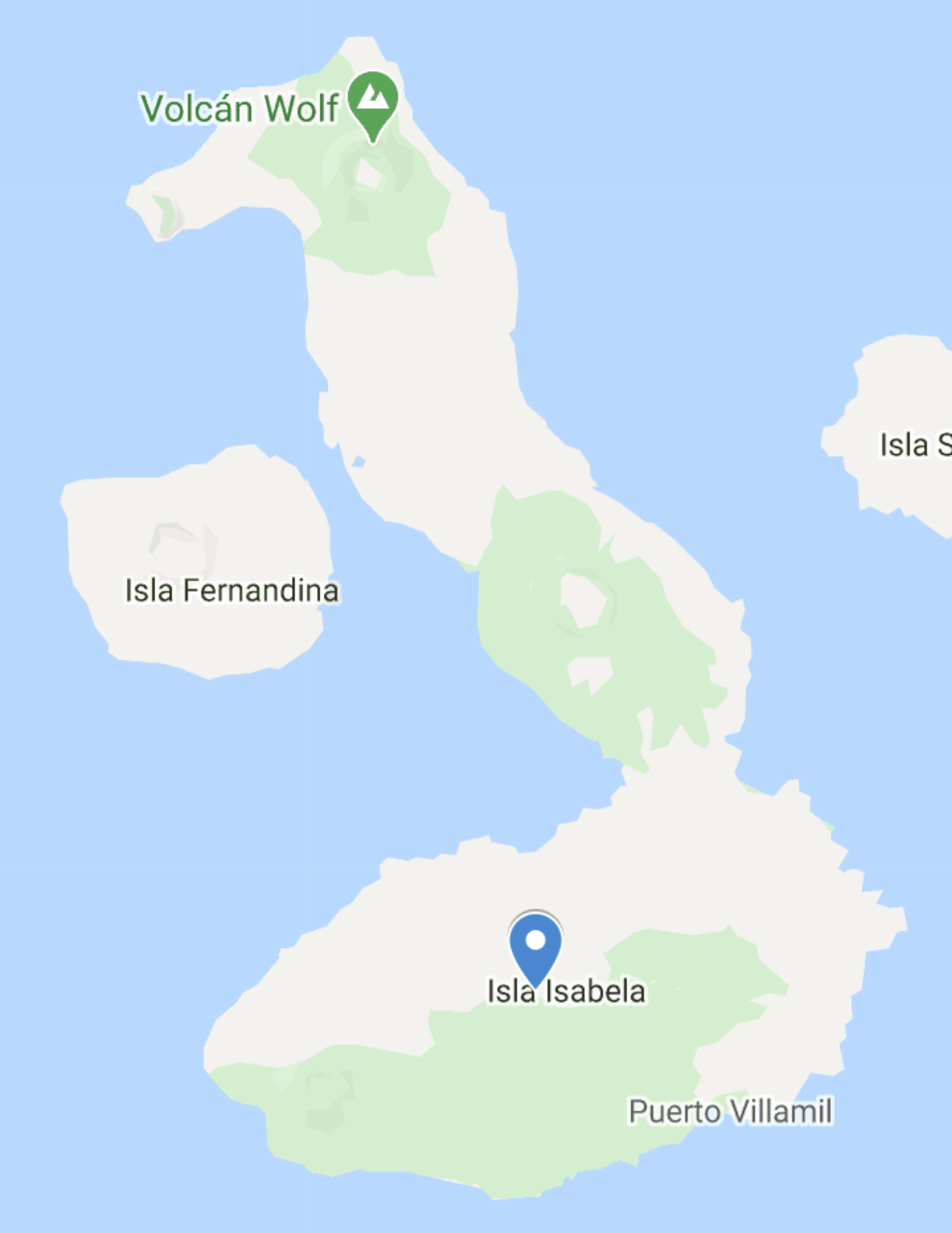
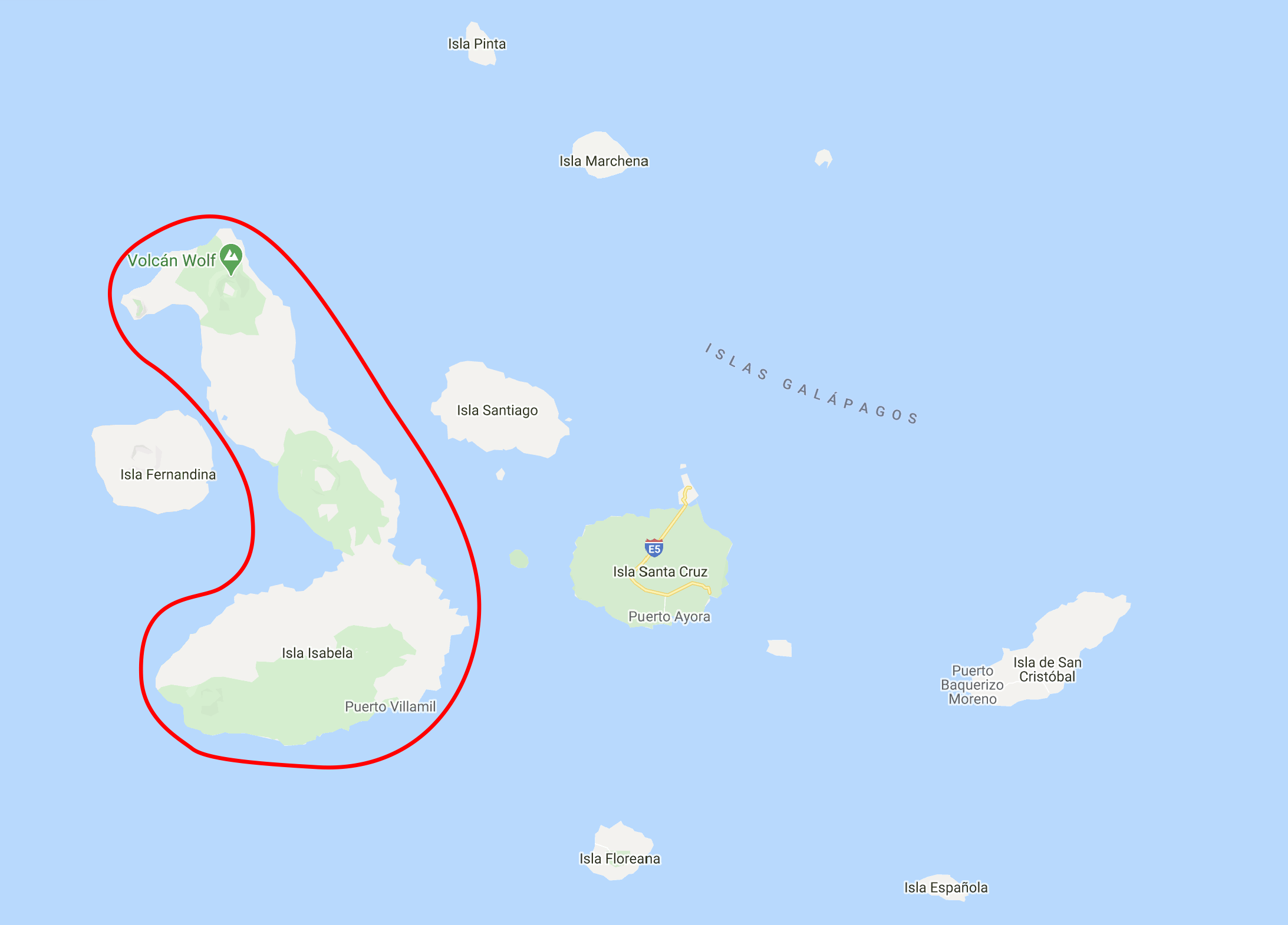
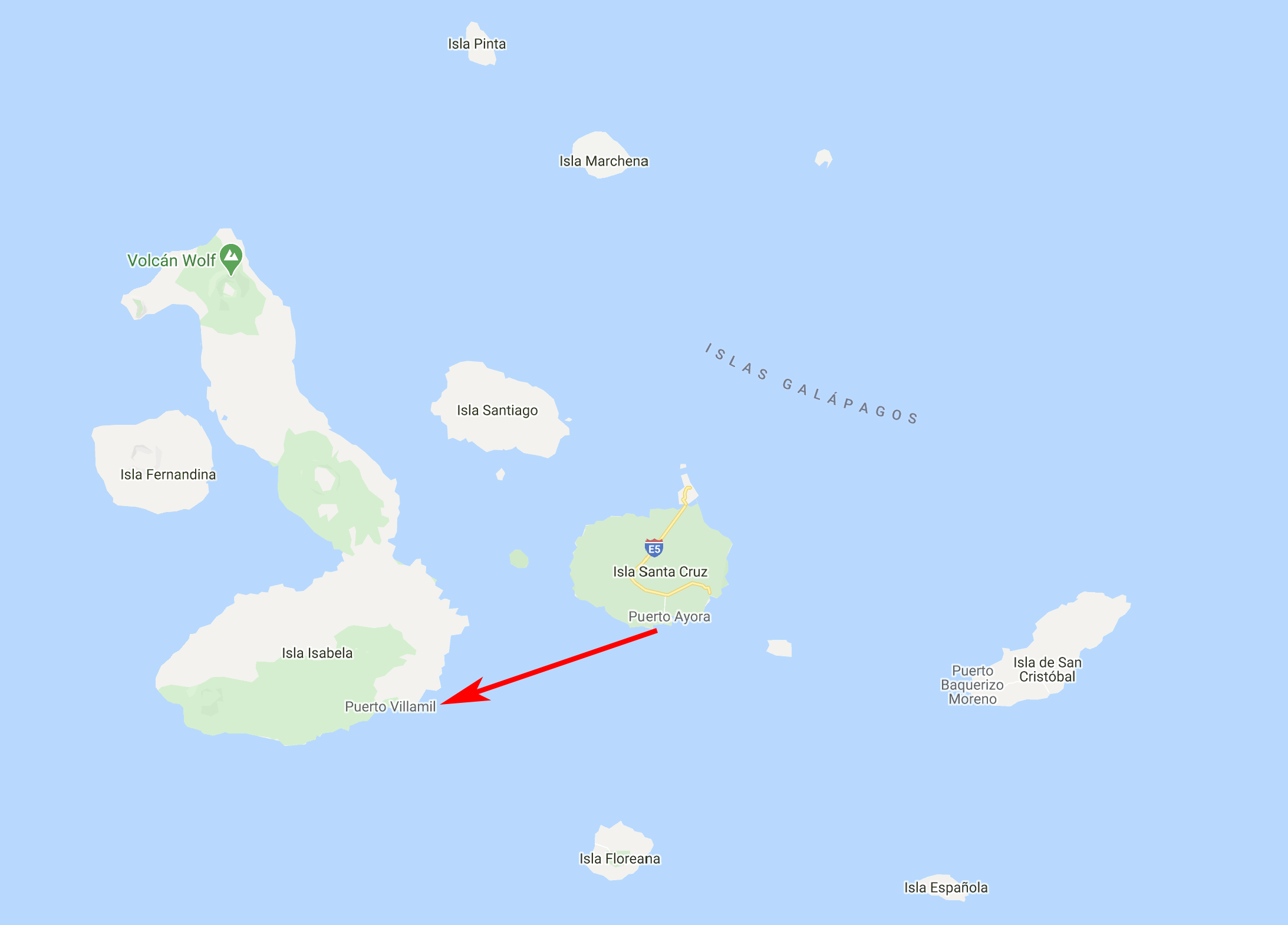
Here’s Isabela Island, for reference again. And Puerto Villamil, the main town, is on the southern coast.

Welp, as is often the case with traveling, that is NOT what happened. We talked to a few shopkeepers and realized that since the next day was New Year’s Eve, stores were going to be closed for the next two days aka the rest of our time on the island. If we wanted to bike instead of walk the 3+ miles each way, this was our last chance. There was really no question… we went back to the hotel, broke the news to the group that we were NOT going to be having a chill rest of the day, and quickly got ready for another outing.

The girl at the bike rental place gave me a map and some recommendations of where to go and in what order. I love it when someone removes the guesswork and just tells you what to do! She showed me how to get out of town and then recommended that we visit the tortoise breeding center and flamingo lake before following the bike path. There was a general “Do we really have to see more tortoises?” vibe coming from the group, but since she who holds the map holds the power, I said yes, we did. And so, off we went. Also, before you start thinking of me as some sort of travel dictator, I’ll just say that we saw a lot of tortoises on our trip and no one ever regretted a tortoise sanctuary/breeding center visit in hindsight, this time included.

How could you say no to this?

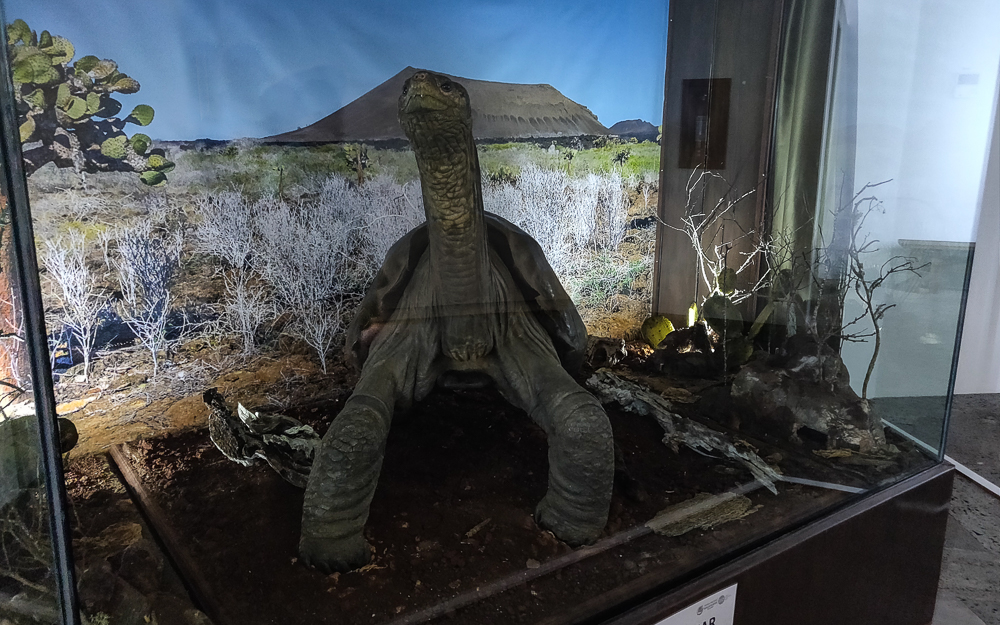
Isabela is, by far, the largest island in the Galapagos. It’s nearly four times the size of the second largest island, Santa Cruz, and was formed by six shield volcanoes. Isabela is home to the most wild tortoises of any island, and due to its size and difficult-to-traverse topography, there are actually five different subspecies of tortoises found across the island. These roam freely in five of the volcano calderas.

The tortoise breeding center on Isabela was founded in 1995 after some fires in the southern part of the island reduced the southern tortoise populations. Even before that, the tortoises faced survival challenges, such as competition for food with an ever-growing population of non-native goats (these have since been eradicated from Isabela). Tortoises were brought from across the island to the center to breed, and the populations have been seeing steady growth ever since. The center protects eggs and hatchlings, and once the tortoises grow big enough to give them a good chance of survival, they’re released.

This map shows where all of the subspecies of Galapagos tortoise are from. As you can see, there are five on Isabela, and they’re each somewhat centered on a caldera.
Tortoise pens at the breeding center
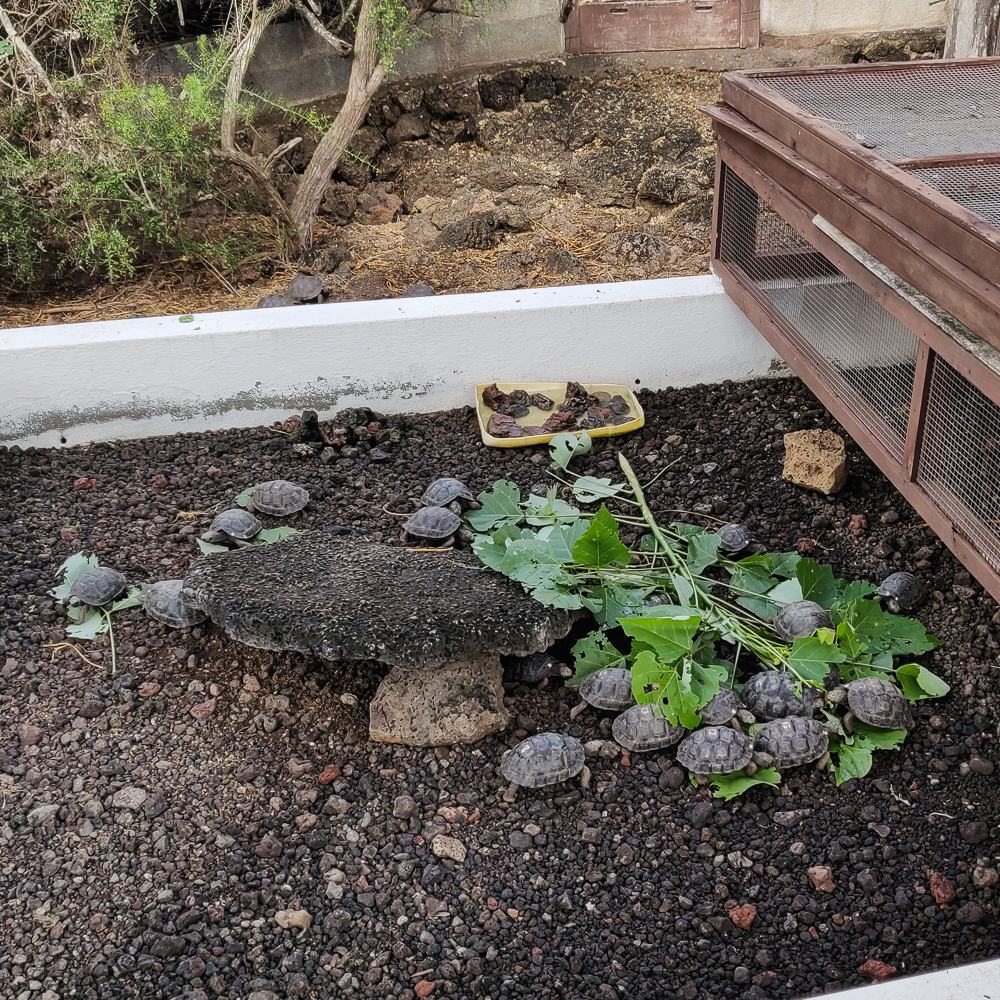
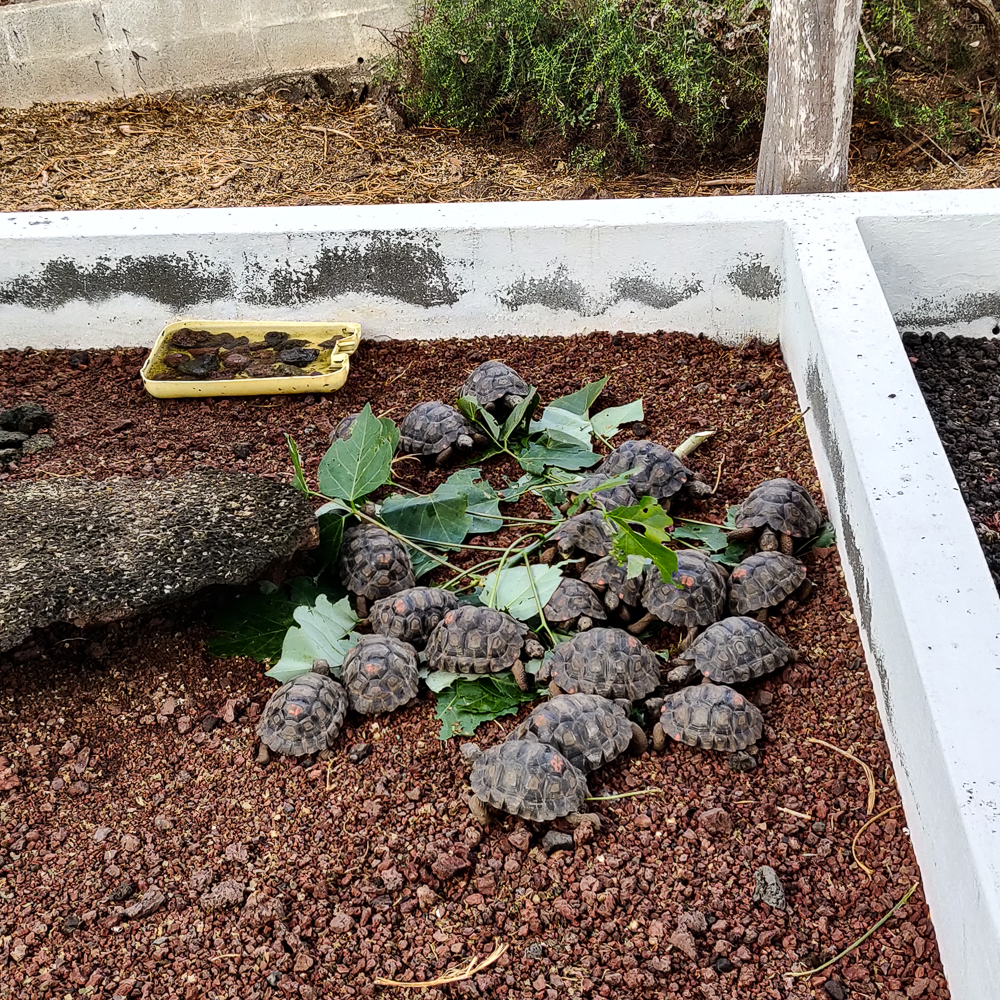
The cages for the baby tortoises
Face of a serpent
Neck of a giraffe
Feet of an elephant
I love this. Just hanging out!
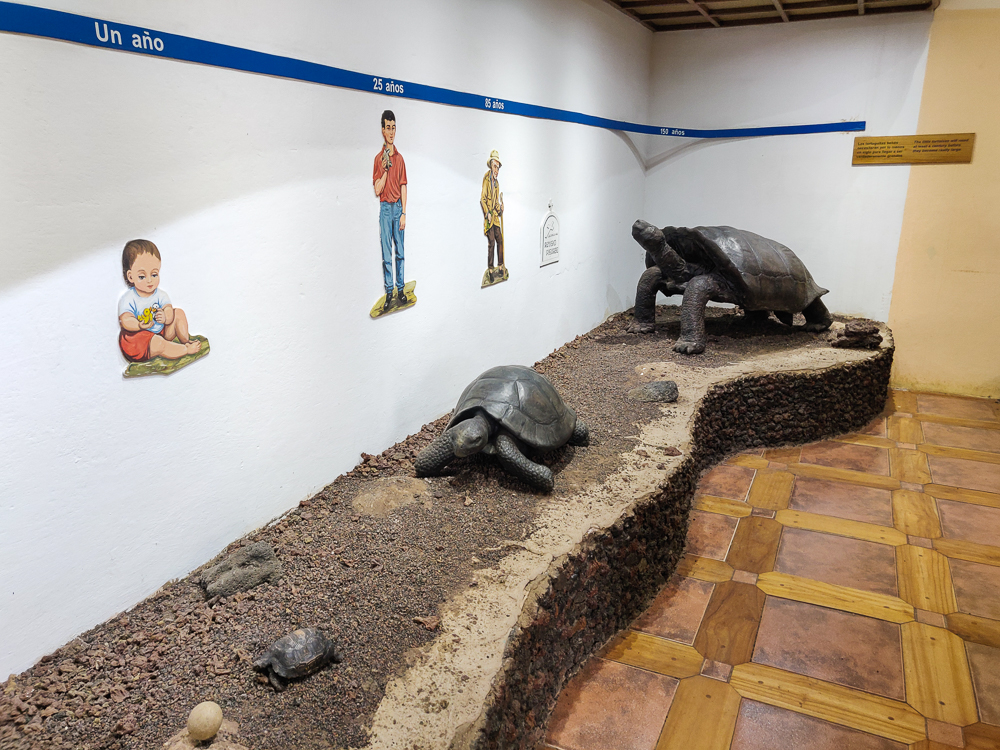
I enjoyed this visual aid in the little information center. It shows a little timeline of human life vs. tortoise life… the human life starting with a baby and ending with a tombstone around 100 years (optimistic)… and the tortoise starts with an egg and ends with a full-grown tortoise still alive at 150 years.
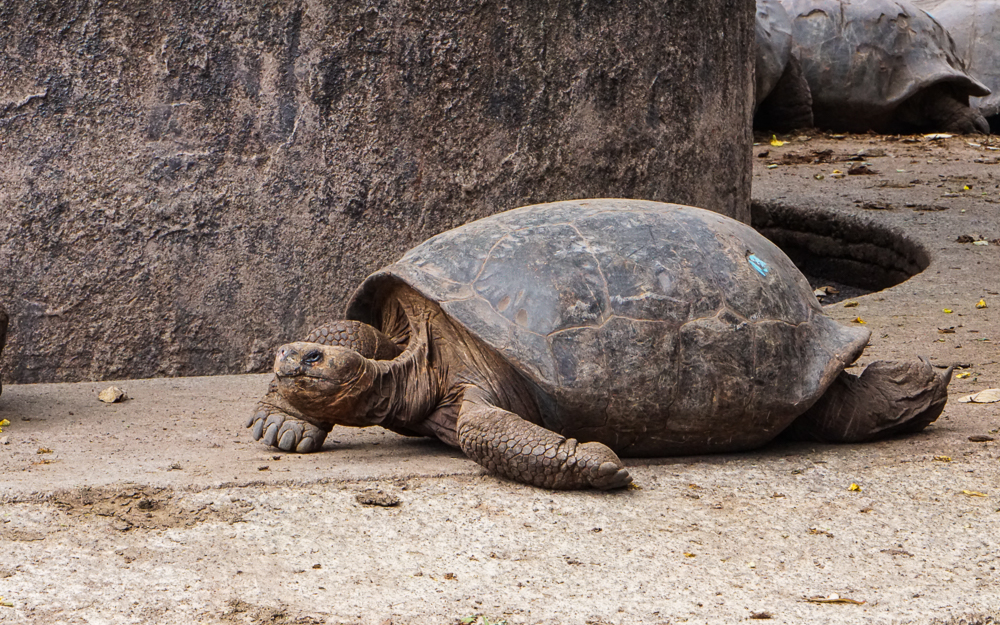
Hehe I thought it was funny seeing this tortoise flopped on the ground. Looks like she’s having just one of those days, you know?
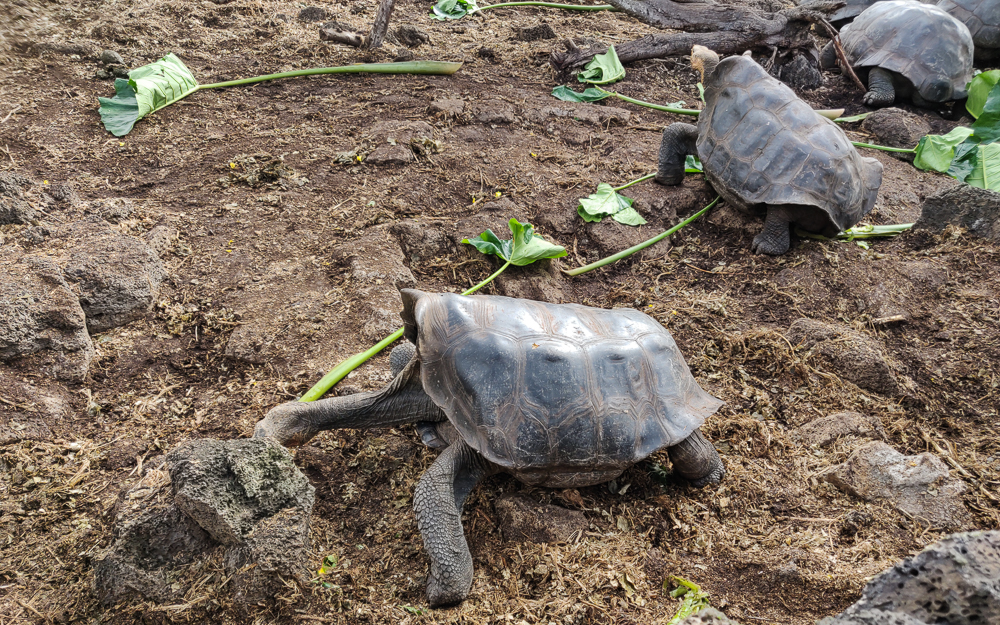
The tortoises at the breeding center are fed three times per week.
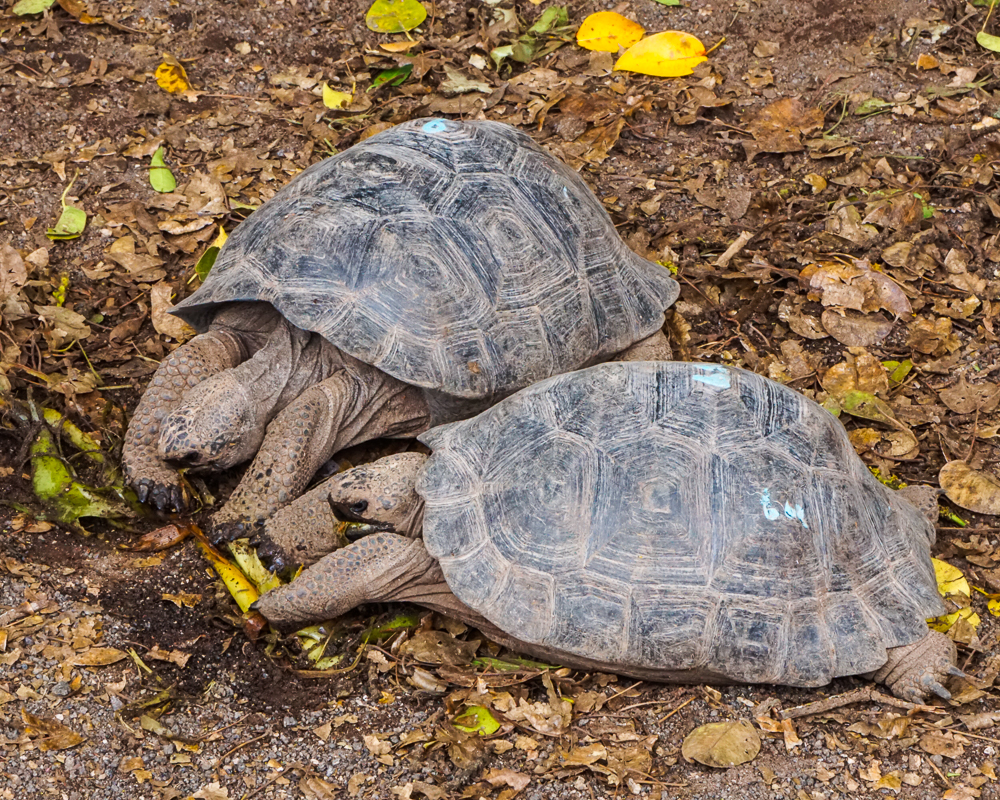
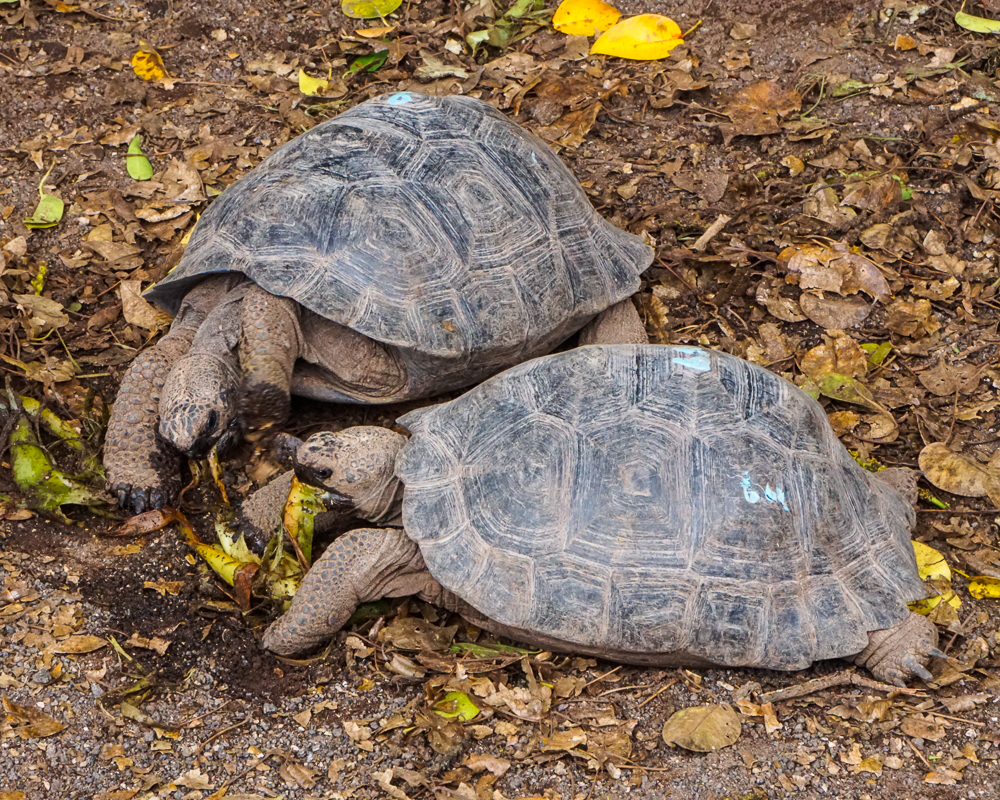
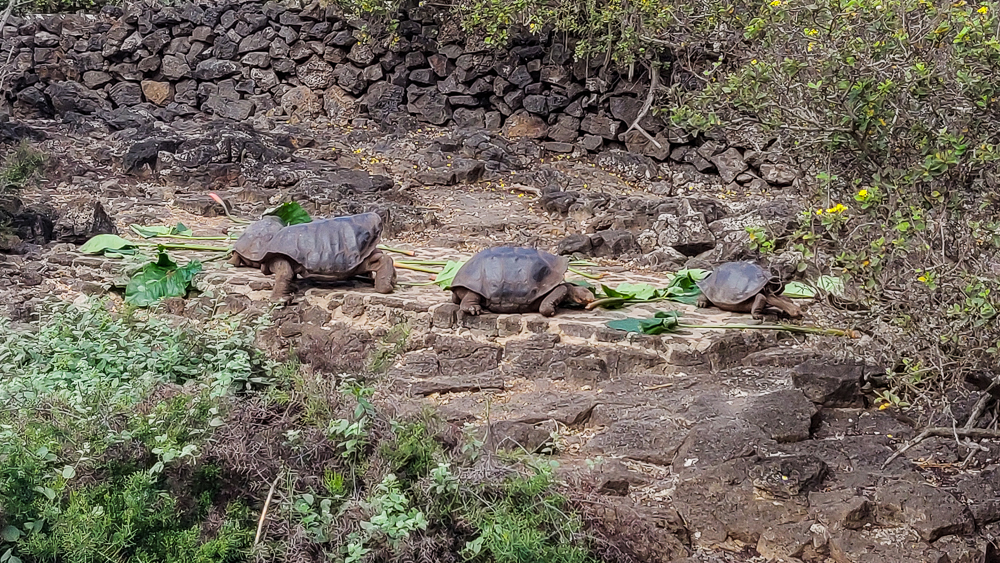
These tortoises were going CRAZY for their leaves.
This guy got scared and hid in his shell. It’s pretty cool… they tuck their heads in and then use their arms to cover/shield their heads.
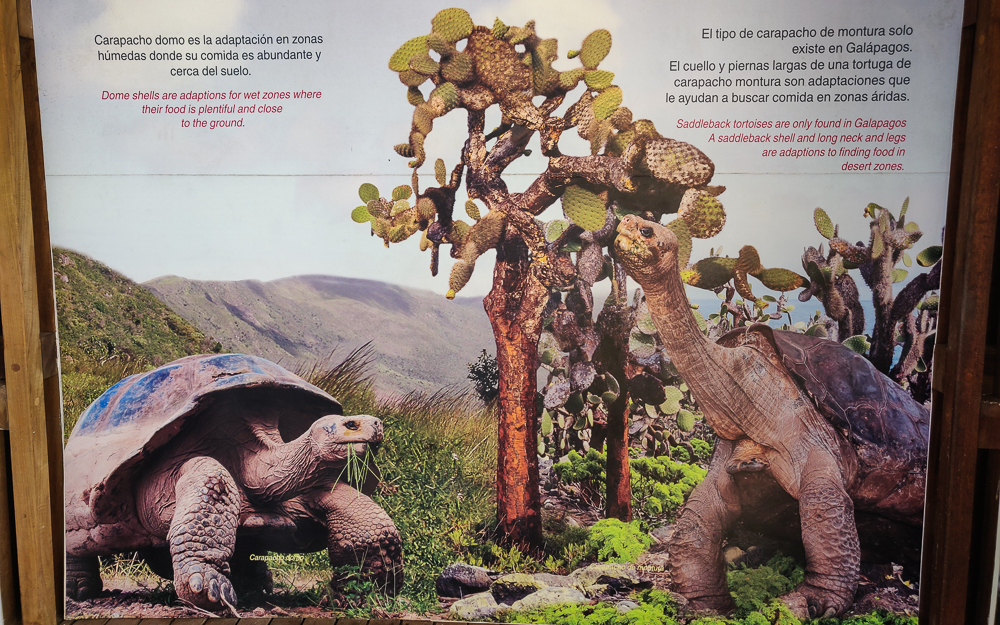
LOOK AT THIS SHELL. This is a Cinco Cerros tortoise and their shells are just about as flat as they get. It’s almost comical.

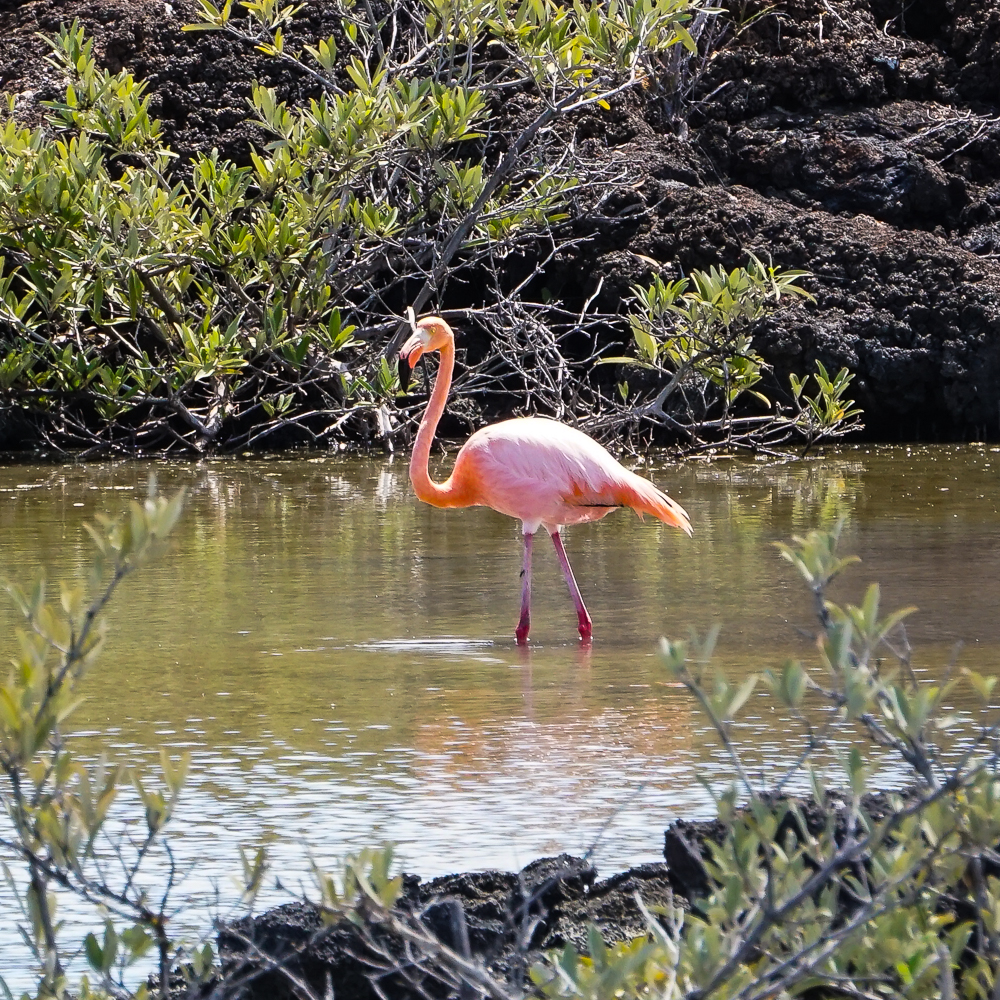
After we left the breeding center, we biked a bit farther down the road to hopefully see some flamingos! Isabela has the most flamingos in the Galapagos, and they can often be spotted feeding in the many salty and brackish lakes near Puerto Villamil. We weren’t there at an ideal feeding time and thought we were out of luck when we reached the first lake and saw nothing. Luckily, there were some people coming off of a side street who told us that there were a few hanging out in the next lake over! Awesome!!

The empty flamingo lake… but even flamingo-less, it’s a pretty view!
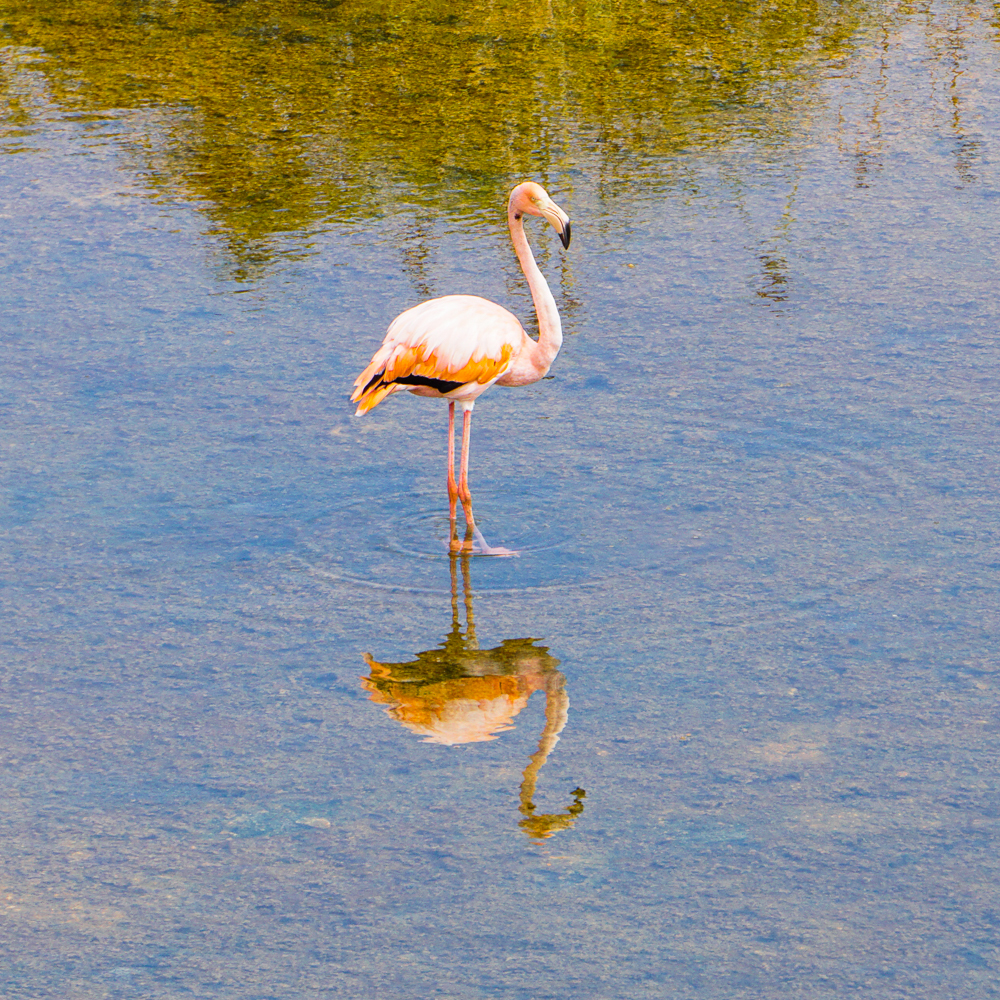
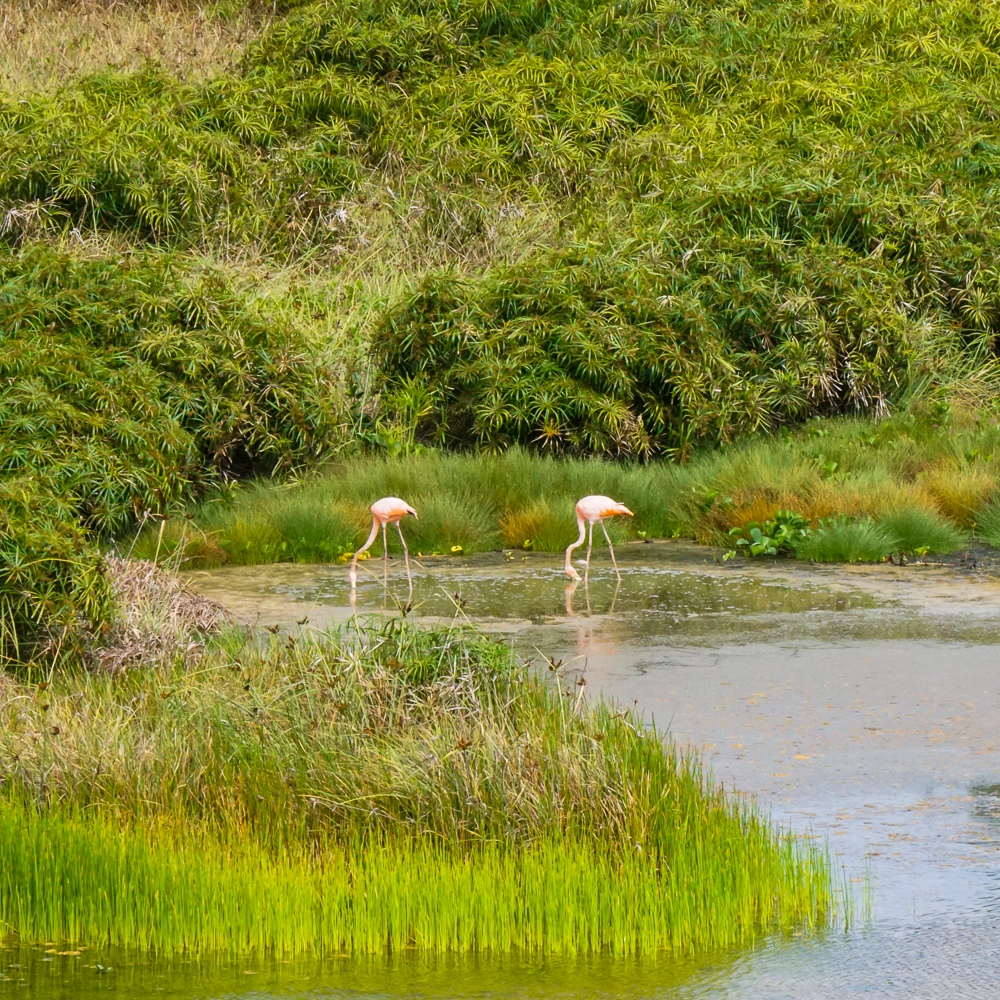
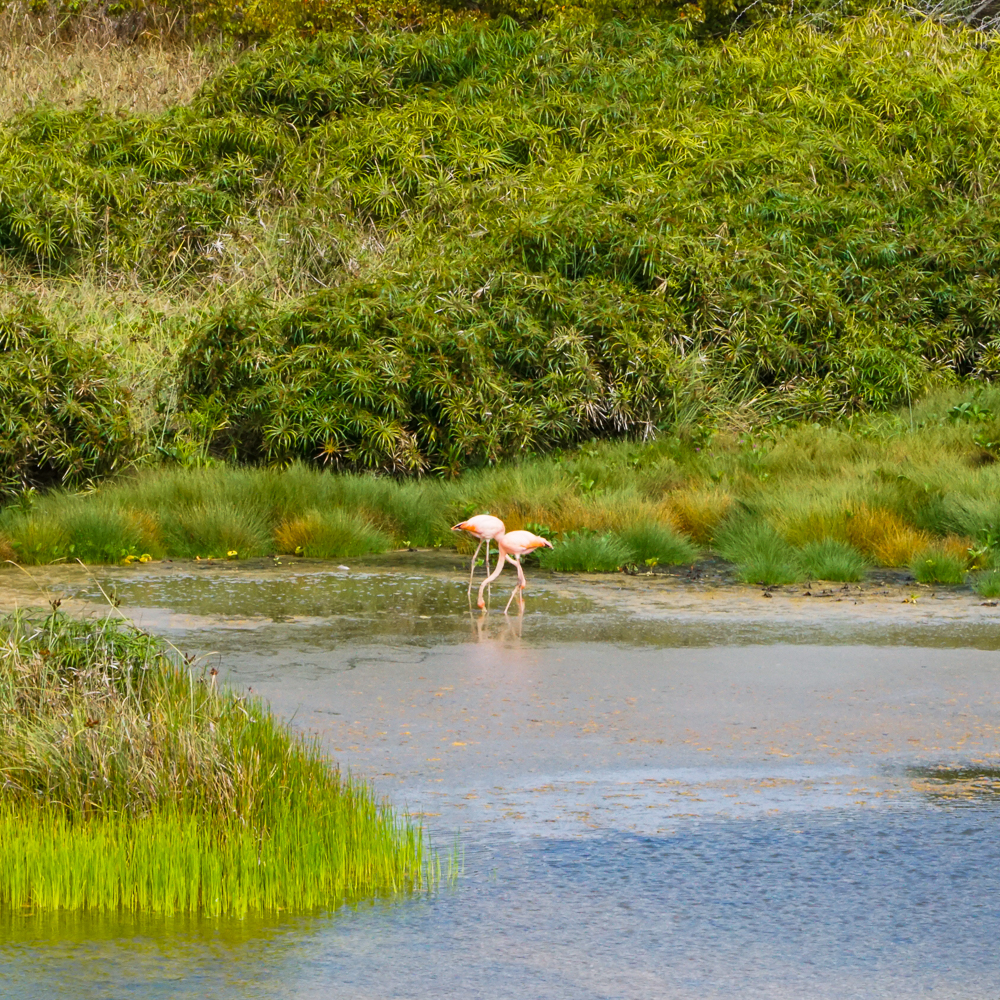
Flamingos!! You can (maybe?) see one flamingo in the front lake area, and there are two on the far end of the second lake area.

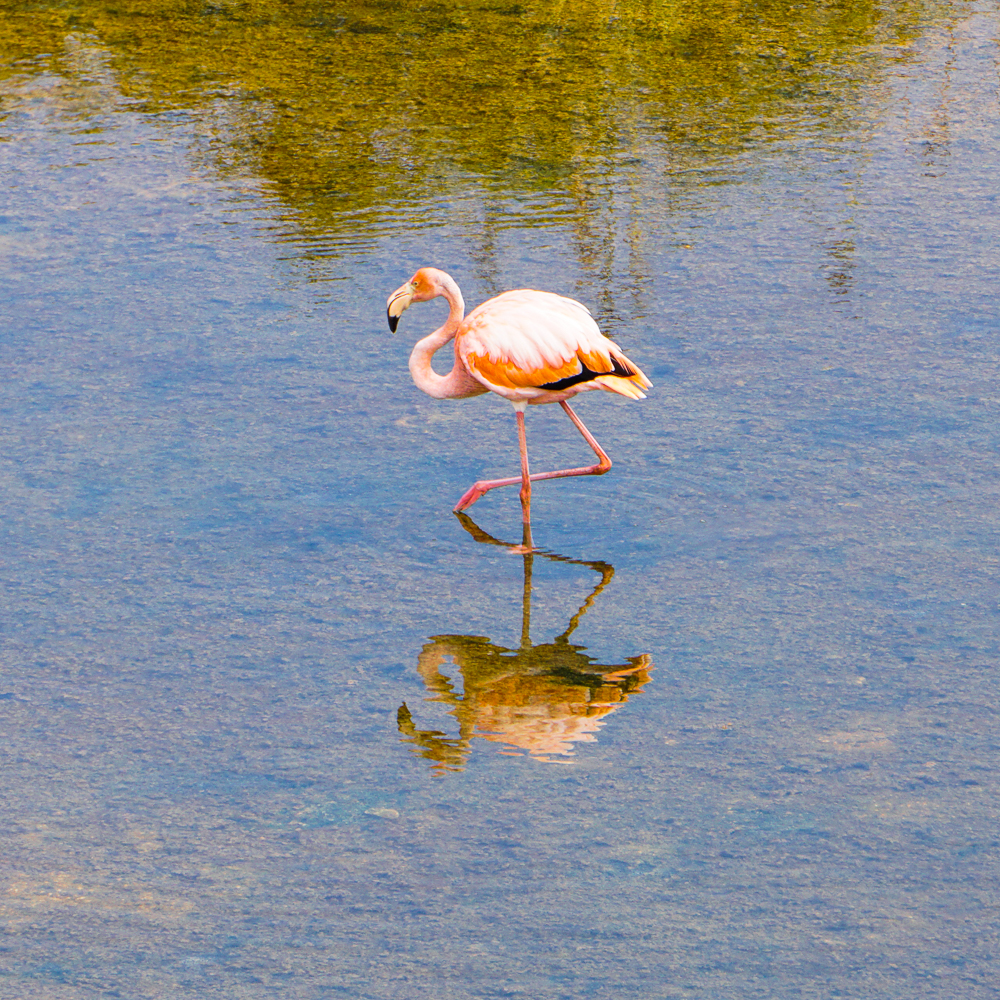
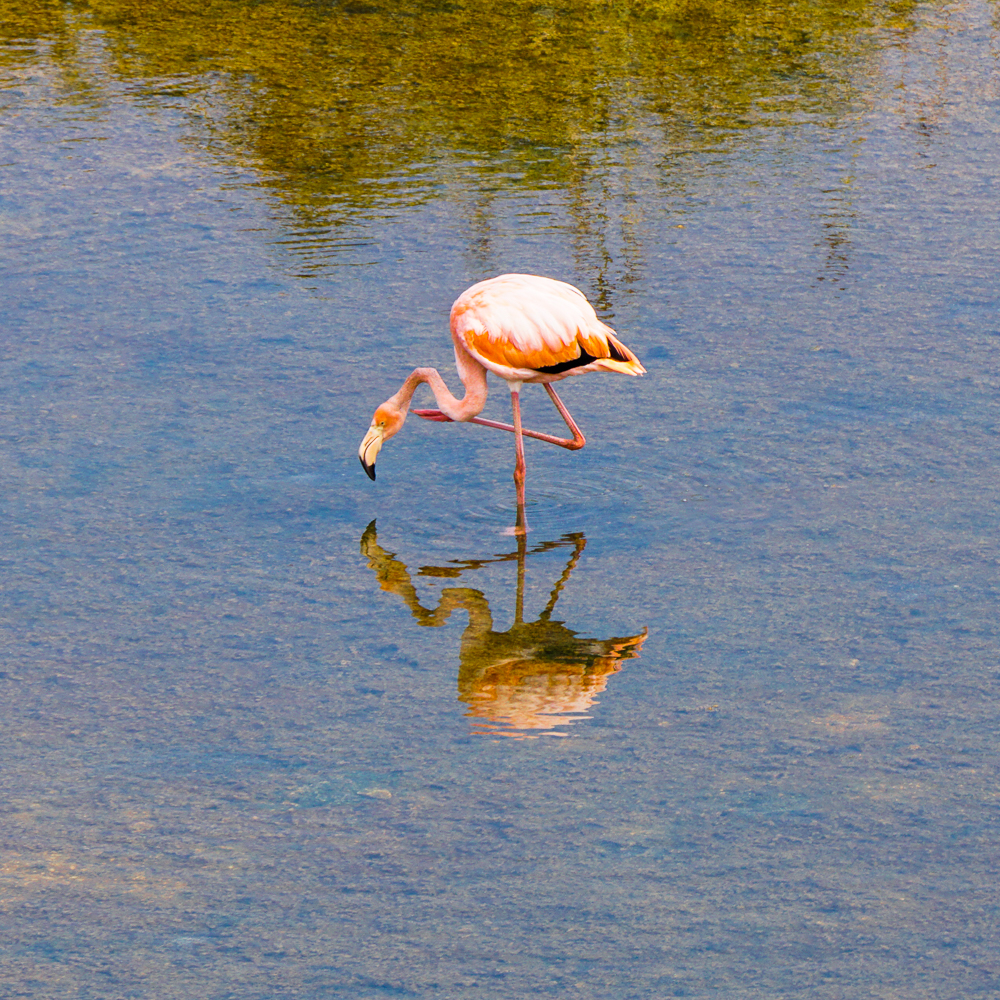
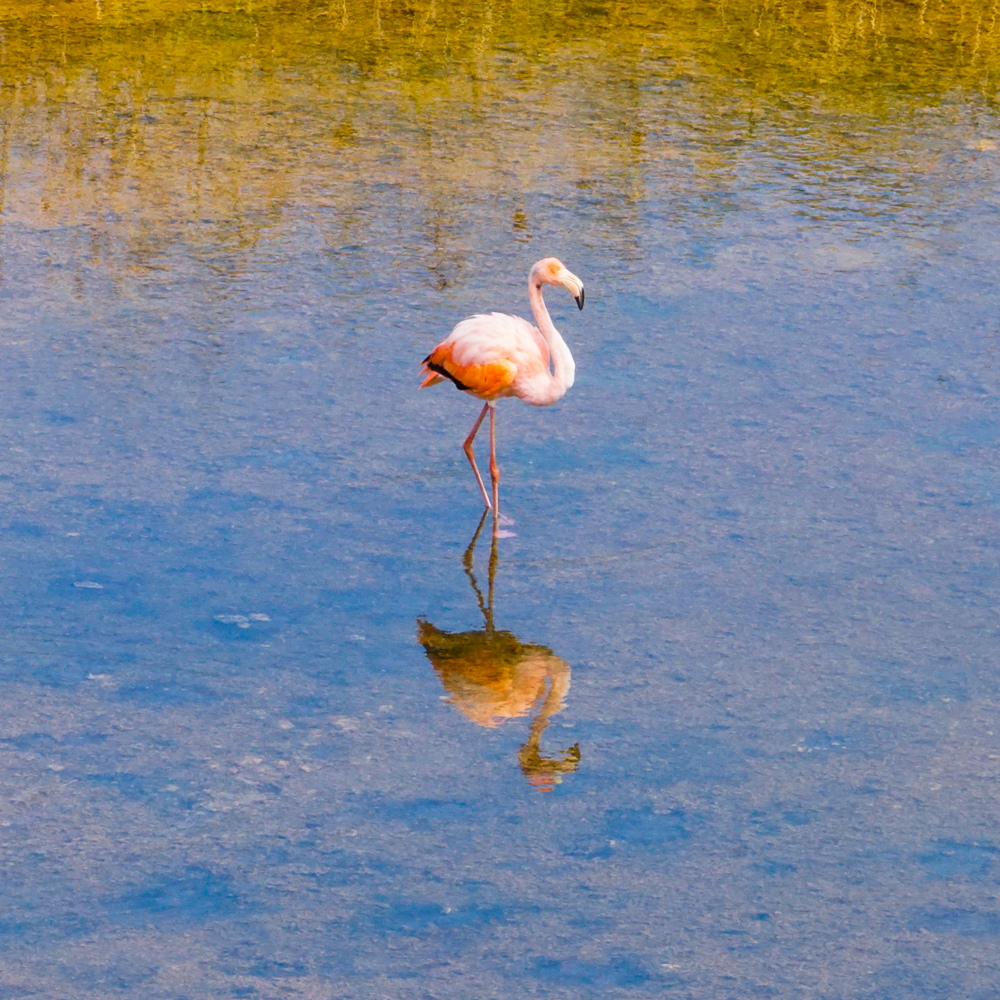
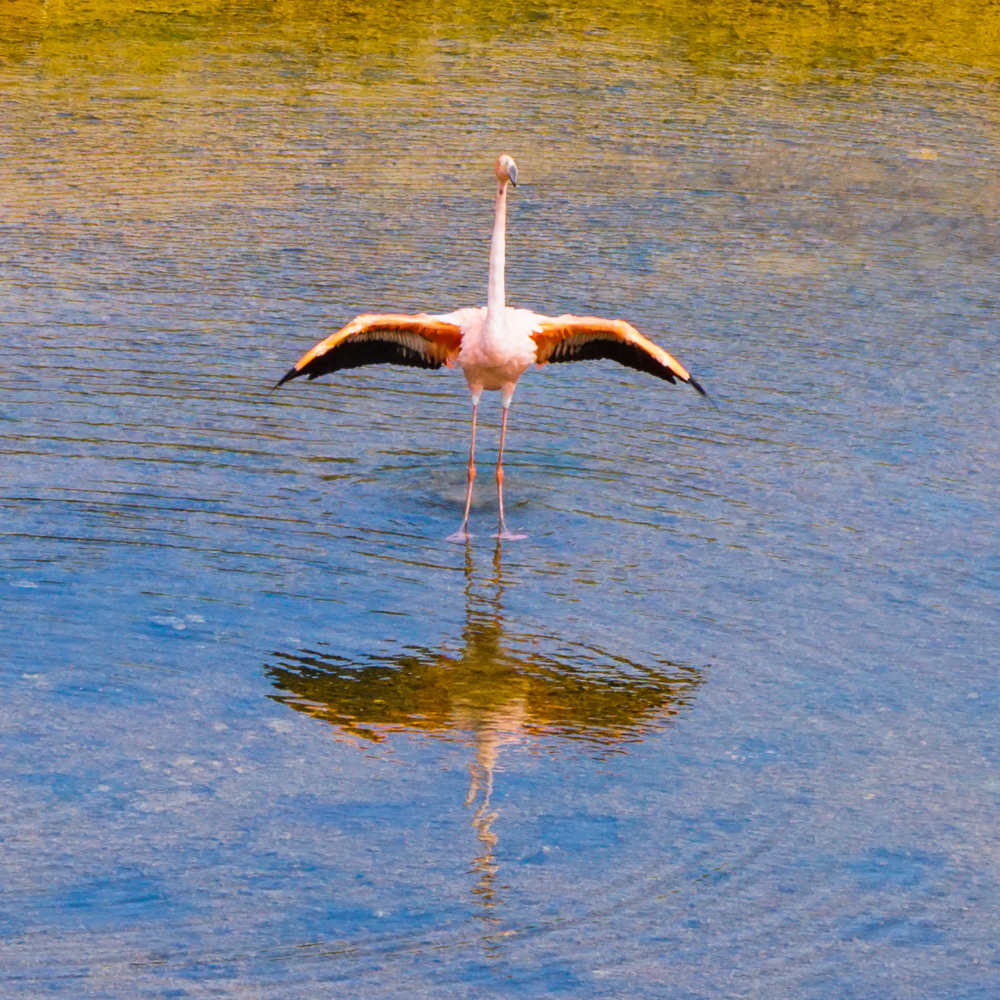
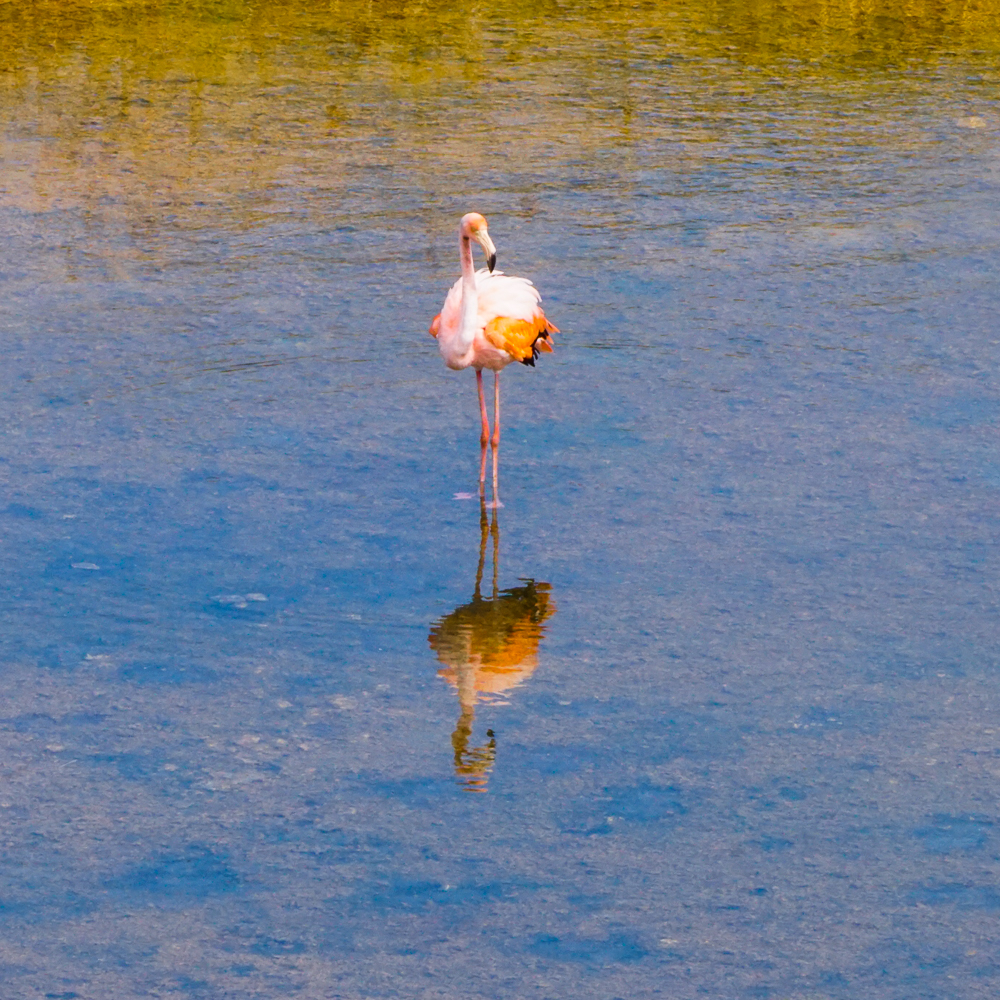
The flamingos were pretty far away, but that didn’t make seeing them any less exciting. My camera lens wasn’t even nearly strong enough to get good pictures of them, so my uncle taught me about the “poor man’s zoom” aka take as many pictures as you can, and once you’re looking at them on a computer, crop the best-quality ones. Ha! So… I took a lot. You can judge the effectiveness of that strategy for yourself.

Flamingos are just so cool
I love the shape of its neck and legs
And the reflection is pretty great too
These two were so far away that there was really no hope

THEY’RE SO PRETTY

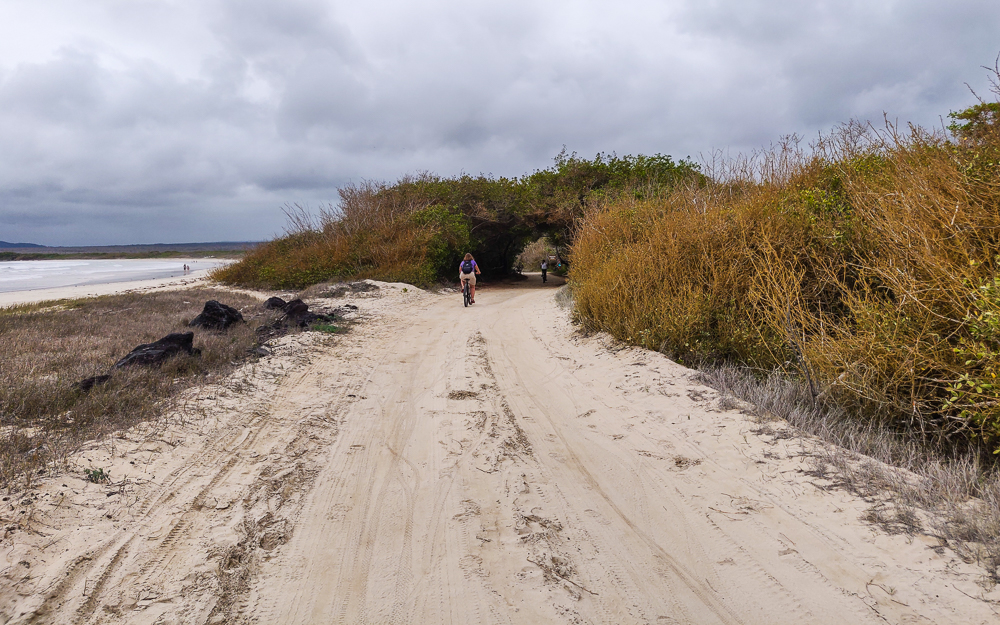
From there, we biked back to the main road and started on the bike trail. The trail started with a sandy stretch, but that thankfully became a nice, packed-gravel path. It was a super pleasant ride, mostly flat with a few uphill sections that weren’t too bad if you accelerated into them a bit.

This sandy stretch was NOT my favorite part of the path. Also, very bold move of me to take a picture while biking on this because I wasn’t feeling especially stable.
Doesn’t this look like it’s meant to be a painting?
Hooray for gravel!

We decided to ride to the end of the path first and then slowly make our way back, stopping at the different sights along the way. The path ends at the Wall of Tears (Muro de las Lágrimas), a memorial to one of the many sad chapters in the Galapagos human history. After World War II, a penal colony was established on Isabela as a bad solution to the problem of an oversaturated prison system in Ecuador. If you remember from the Galapagos History post, there were other penal colonies in the Galapagos throughout history, and none of them ended especially well. This one was no exception.

In 1946, about 100 inmates and 30 guards were sent to Isabela. Wooden structures used by American soldiers during WWII were repurposed into prison buildings. From the very beginning, it was a nightmare. There were significant food and water shortages. Many prisoners died from tuberculosis and other diseases. The guards made up pointless tasks to keep the prisoners occupied, the worst of which was constructing a hulking wall out of lava rocks. This process involved harvesting stones from a not-so-nearby quarry and carrying them to the wall location where they were then broken into smaller pieces and stacked on the wall… all while baking in the harsh Galapagos sun. The wall became known as the place where “the strong cry and the weak die”.

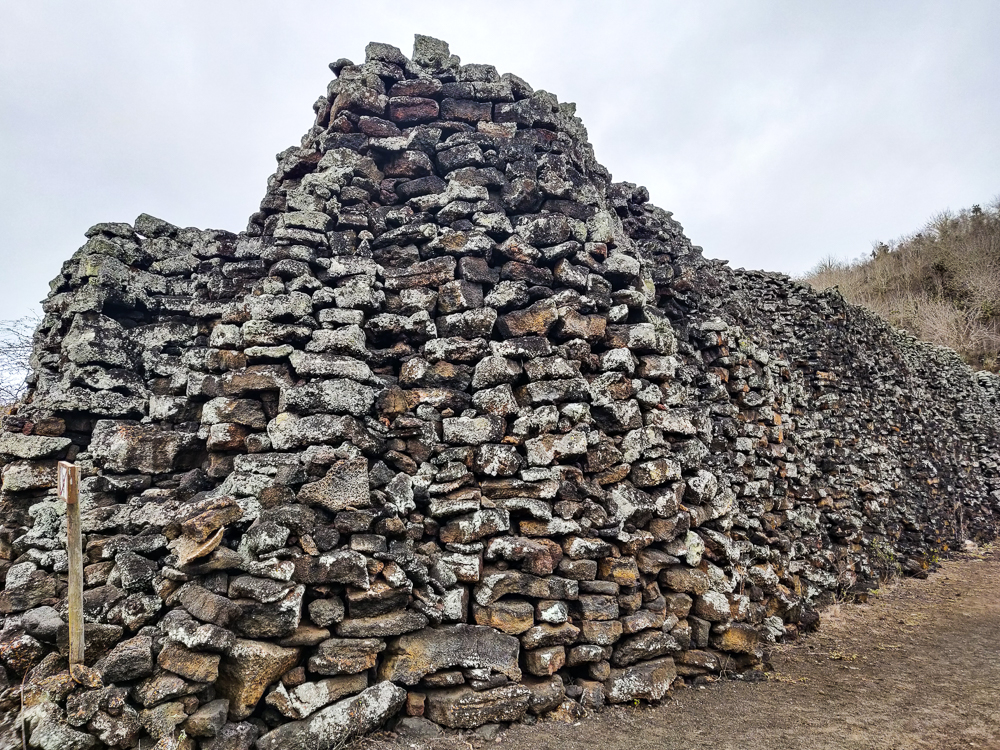
First glimpse of the Wall of Tears
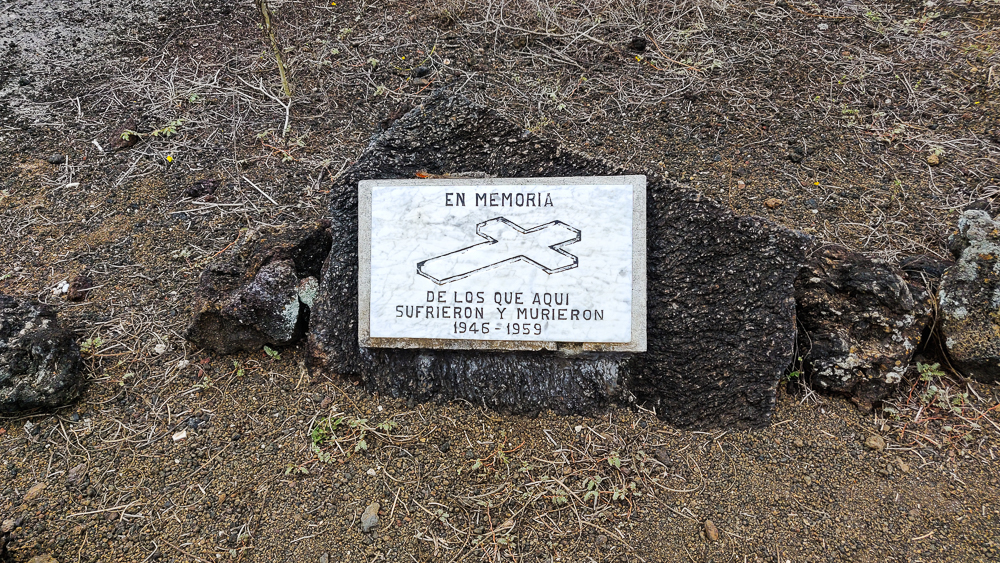
“In memory of those who suffered and died here 1946-1959”
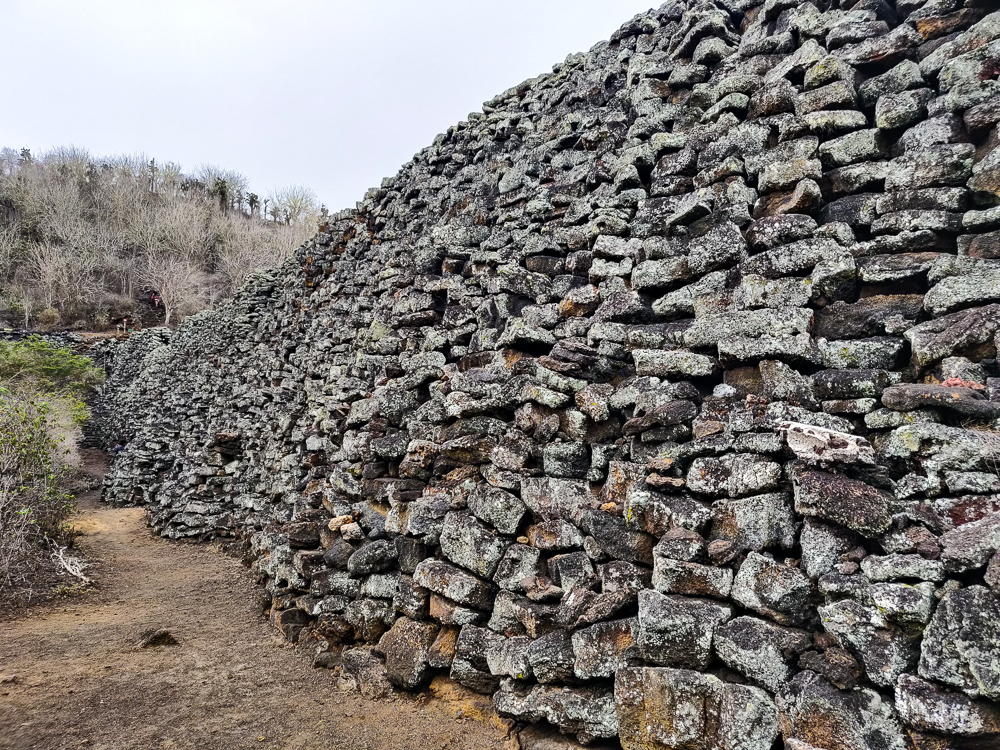
Up close

This project was a death trap for many reasons. Those who weren’t pushed to exhaustion by the heat and exposure were in danger of injury by the not-infrequent wall collapses. With no access to proper medical care, even minor injuries could lead to much more serious health problems. The guards were cruel and unrelenting, sometimes shooting inmates for not working hard enough. Many people died, slaving over a worthless wall. In 1958, the prisoners had had enough. They rebelled, escaped from the colony, hijacked an American yacht, and sailed to the mainland. Many prisoners and guards were killed in the uprising. The event was reported in American newspapers, shedding light on the horror of the colony, and it was finally shut down for good in 1959.

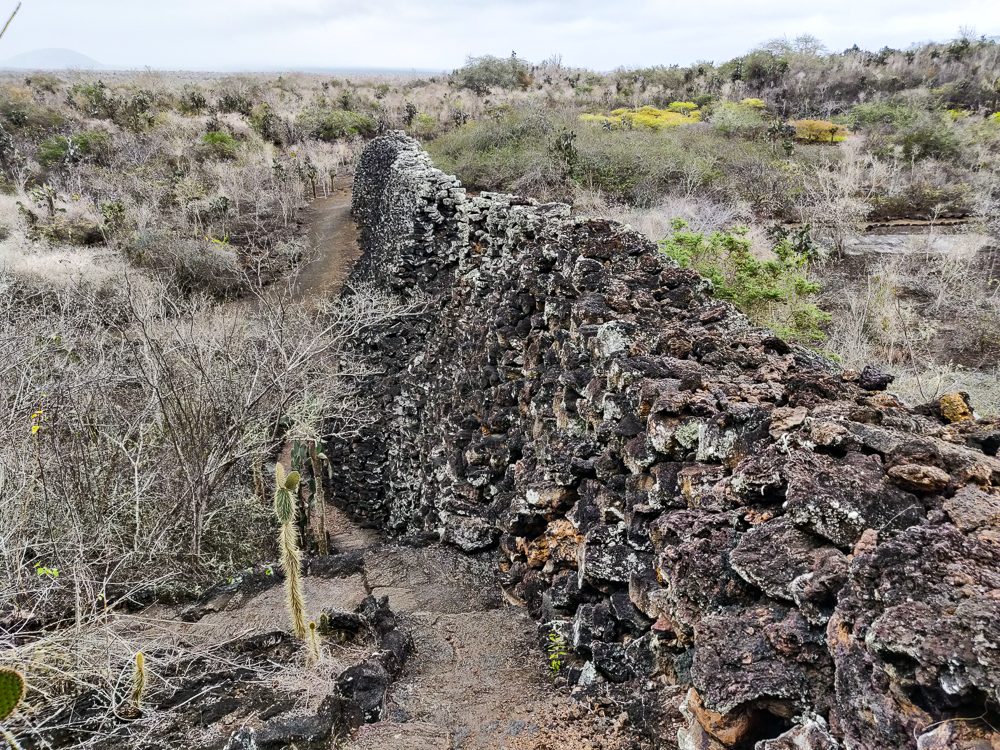
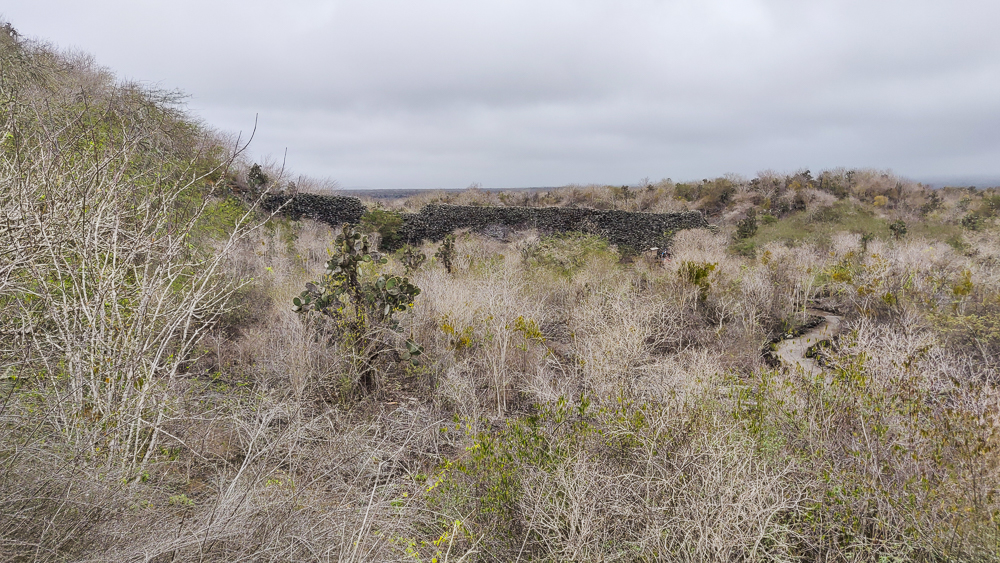
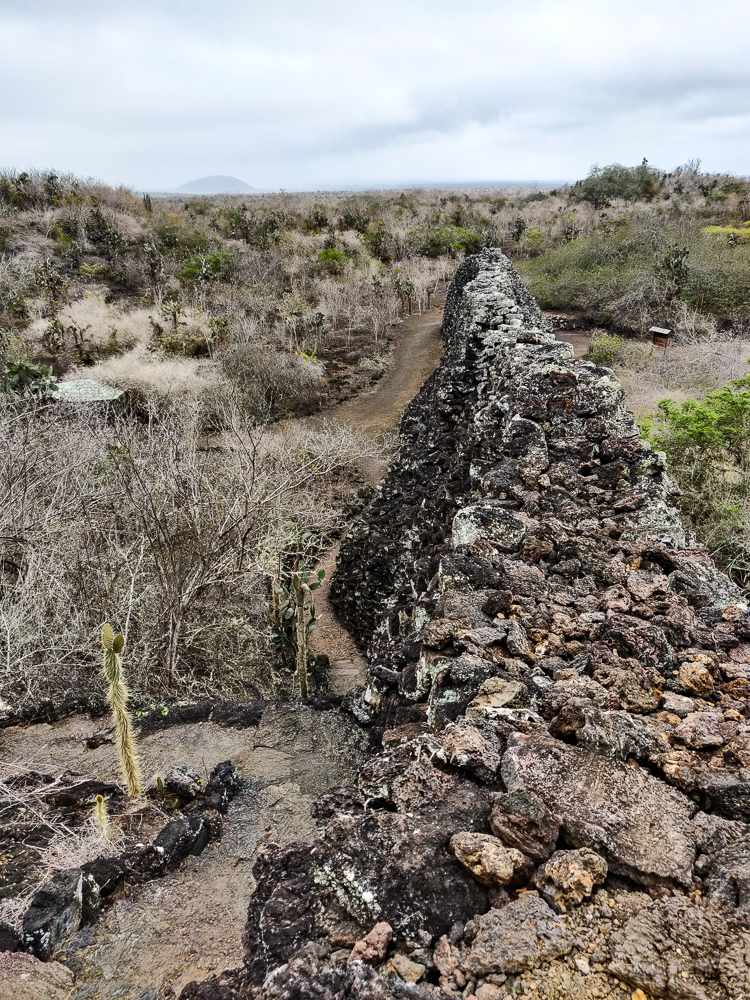
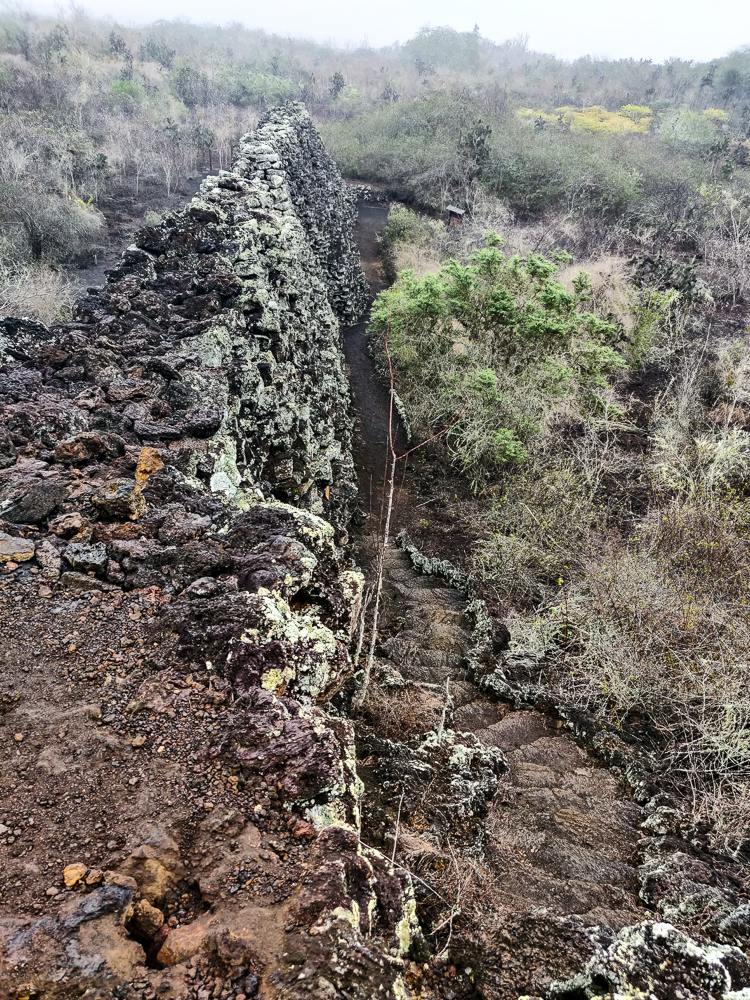
Today, this portion of wall is all that remains of the prison. It was 620 feet (190m) long, 30 feet (9m) tall, and 20 feet (6m) wide at its base. People say that the wall is haunted, that you can still hear the wails and cries of those who perished, hence the name “The Wall of Tears”.

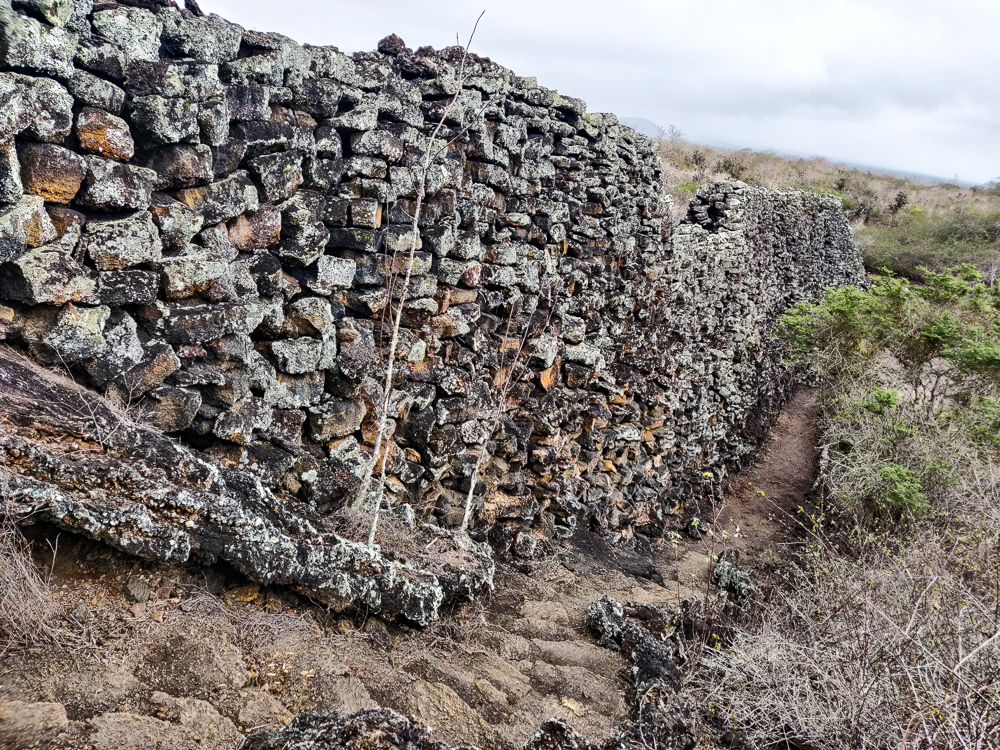
Everything that I read before we went said that you shouldn’t expect too much, that it’s not especially spectacular or impressive. I don’t agree. It has a sort of haunting beauty to it, and anyone who thinks it isn’t impressive has probably never built anything. The stones are stacked up with no mortar, hence the many wall-collapses during construction, and they’re fitted together like a puzzle. To support its height, the wall has a super thick base that narrows as it rises. Along its length, the whole thing undulates, like a snake. I don’t know whether it’s haunted or not, but there is a definite heaviness to the place. I could feel it clutching at my heart as I walked around, amplified even further by the fog that settled in while we were there.

You can see how the wall curves a bit.
This is how the weather conditions looked when we started our hike…
…and this is how it looked by the time we came down. That fog really just rolled on in while we were up the mountain.

Nearby, there’s a mountain you can climb for a view of the sea and surrounding area. The weather was already looking a little questionable, but by the time we got to the top, there was no more question. It was going to rain, and we needed to get back to town ASAP.

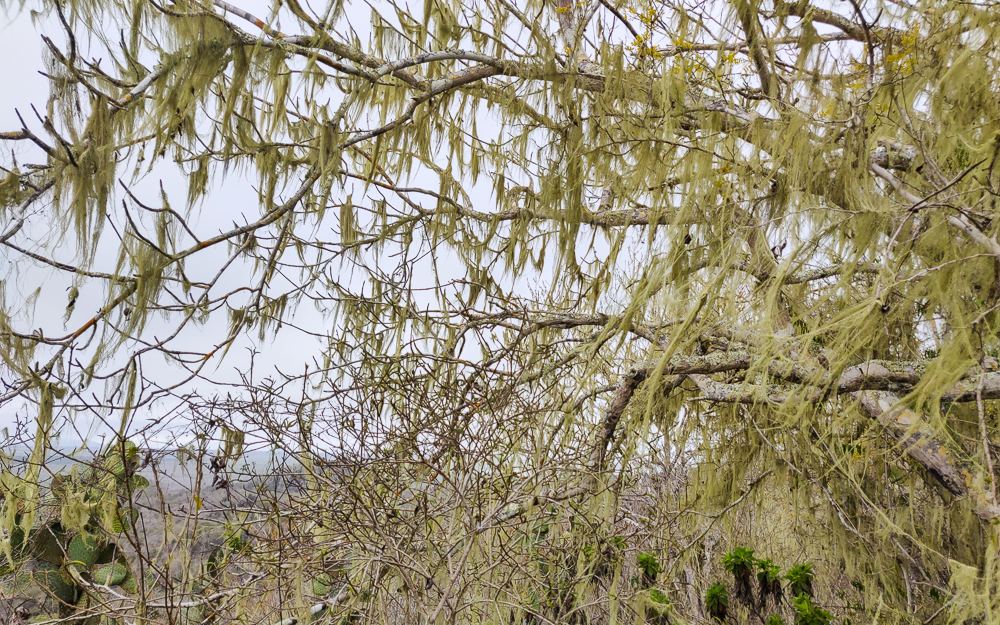
The trees looked kind of eerie with all of this moss (I assume?) hanging off of them.
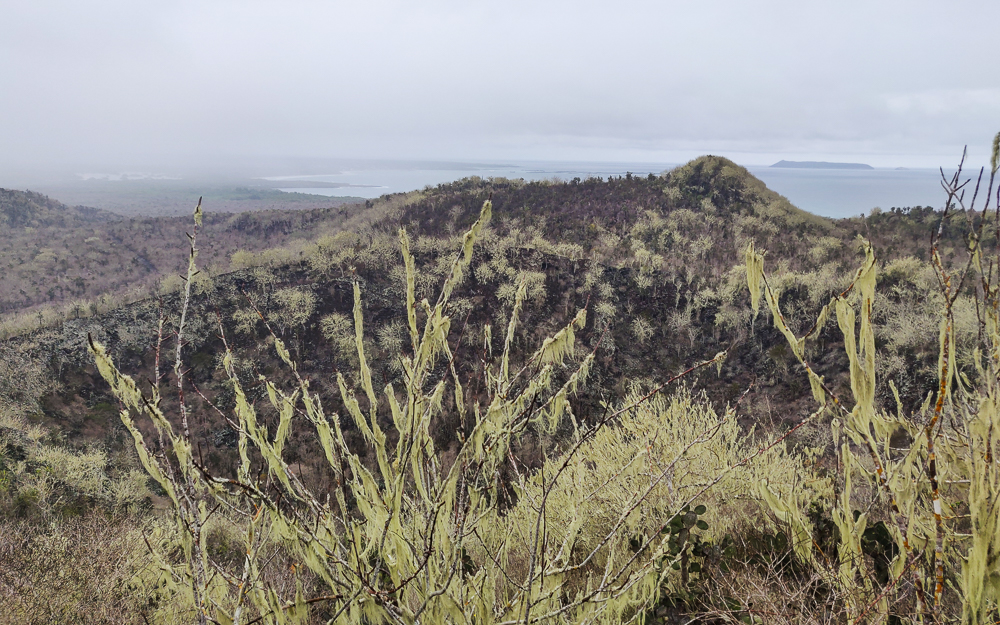
We hiked approximately forever… and then there was practically nothing to see from the top.
It was cool to see the coastline, though.
That’s rain on my shirt, not sweat hehe

The rain really messed up our plans to visit the other sights along the path on the way back to town. We made no stops, just biking and biking and trying to get back to town and out of the rain in case there was a deluge coming. So, it wasn’t quite the outing we expected, but hey, that’s life!

Related Posts

Santa Cruz Tortoises – if you’re not tired of tortoises yet… meet the tortoises of Santa Cruz!

San Cristobal Highlands – and if you’re STILL not tired of tortoises, meet the tortoises of San Cristobal!


Hiking path

Welcome to Isabela Island! After our few days on Santa Cruz, we relocated one final time to Isabela, the largest island in the Galapagos. We’ll talk more about Isabela in the next few posts, but our first day’s adventures started just off the southern coast of the island in a small group of islets called “Las Tintoreras”. The islands are named for the white-tip reef sharks that can be found in abundance in the surrounding waters, or tintoreras in Spanish.

Here’s Isabela Island, for reference. And Puerto Villamil, the main town, is on the southern coast.
Las Tintoreras is the group of little islands that you see here, just off the southern coast of Isabela.

We had a “late” start to the day… our tour pickup was scheduled for 9AM which was a welcome change from the usual 7:30AM and earlier departures that we were used to. We actually had time to eat breakfast without having to just shovel food into our mouths while running out the door! What a luxury!

We also had a much shorter boat ride, which my stomach wasn’t upset about (hehehe get it?). We loaded up and were at the little islands in under 20 minutes.

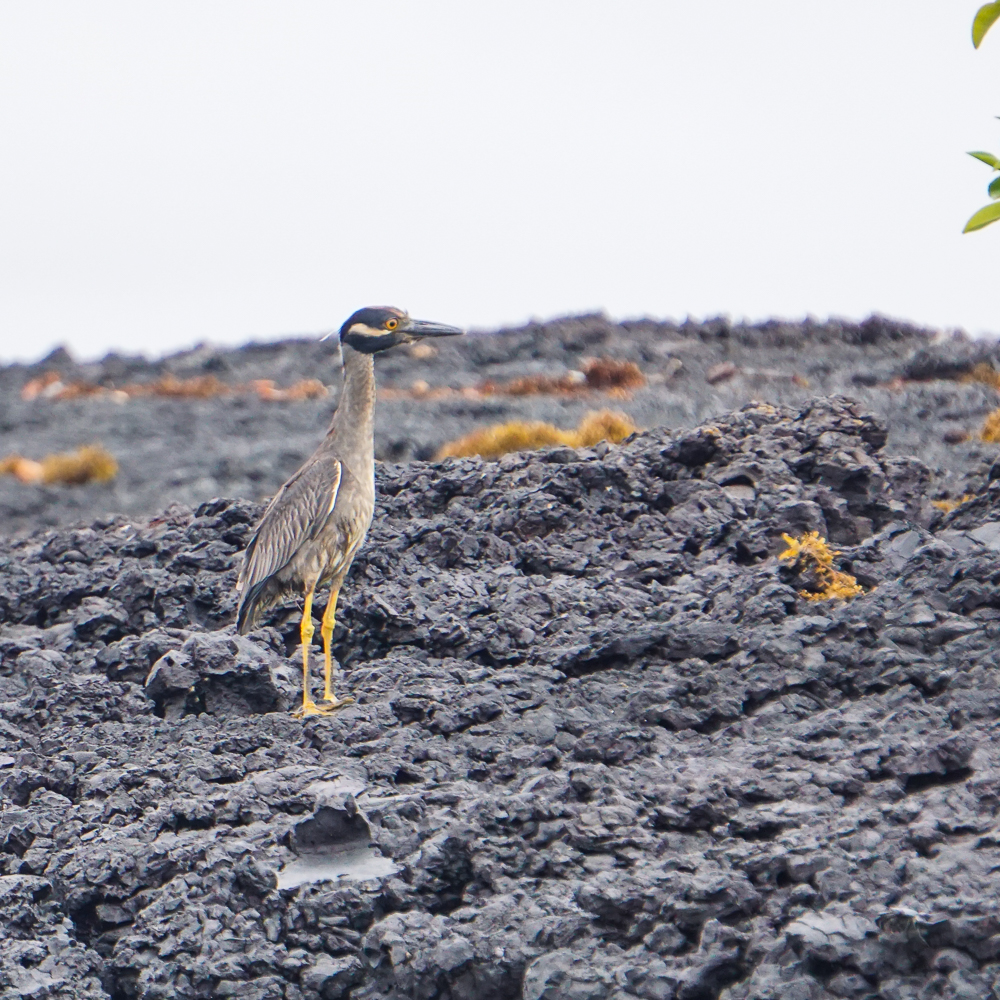
This is a yellow-crowned night heron
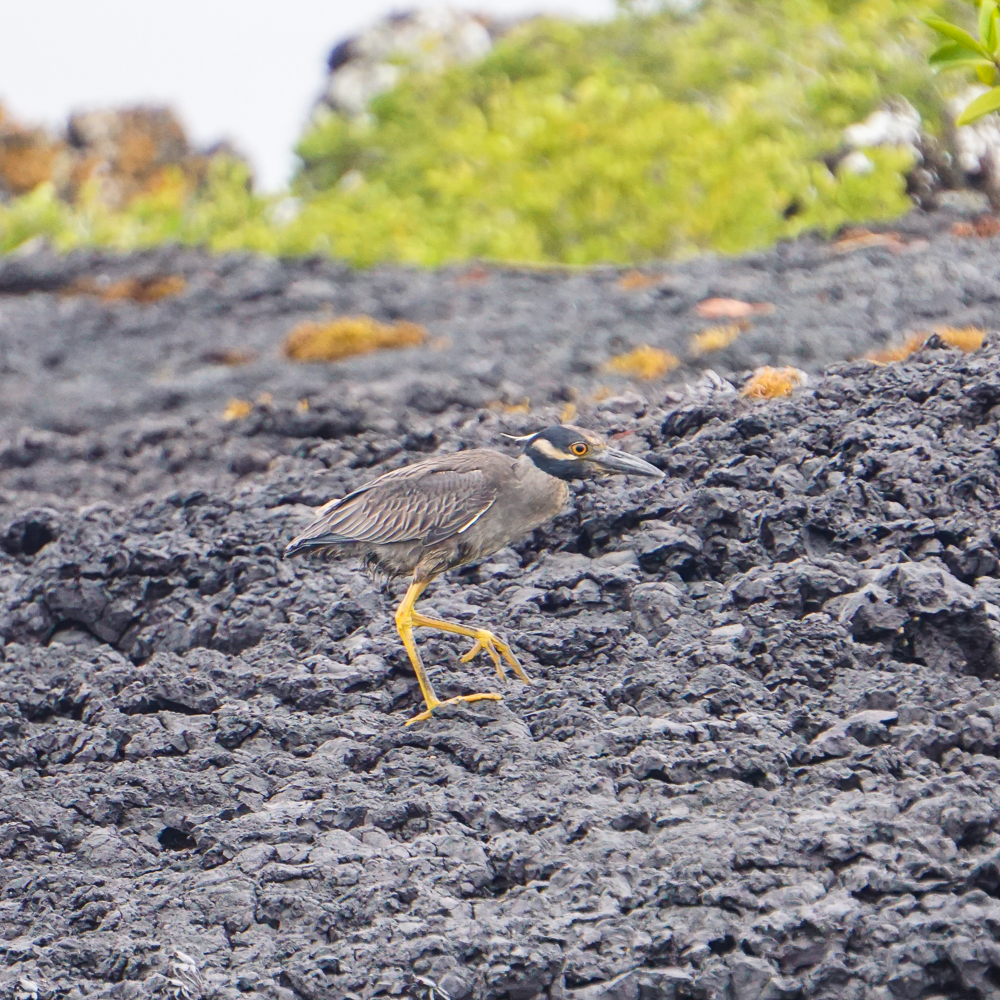
He was running along the shore while we rode by in our little boat
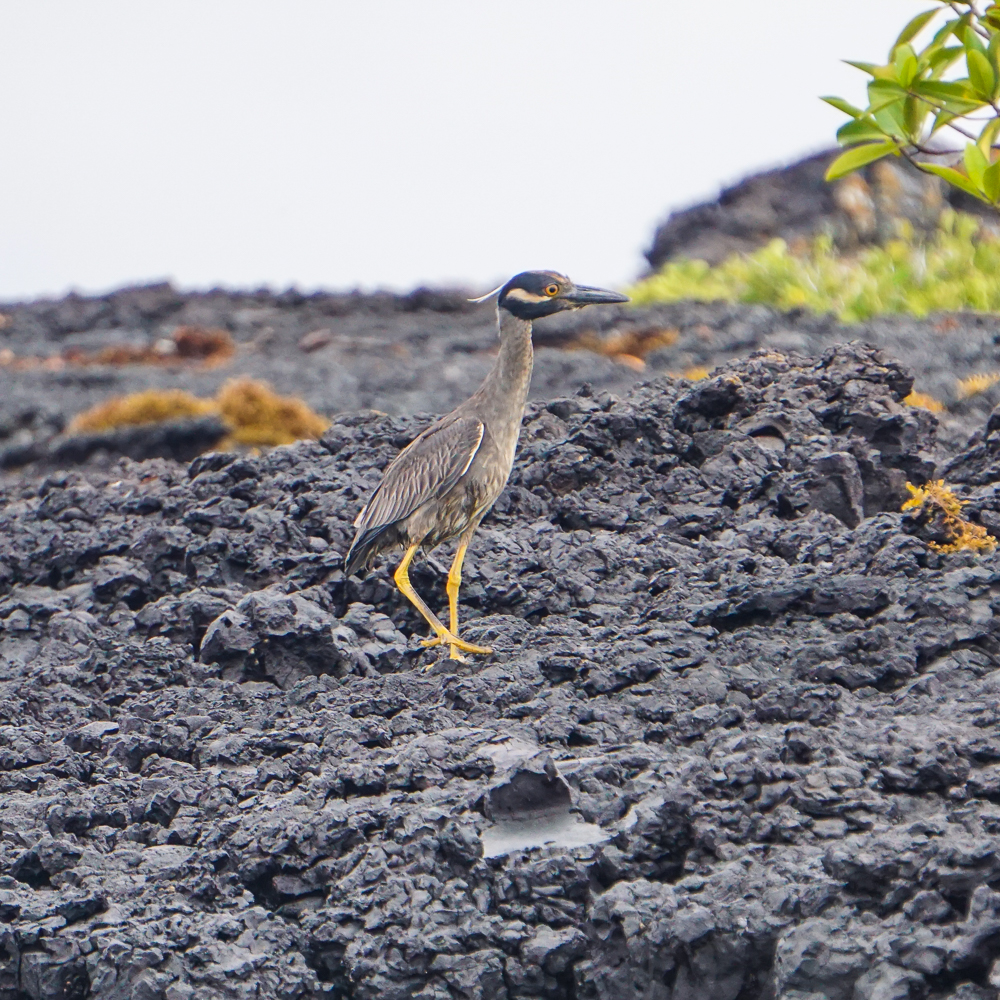
Hiii!

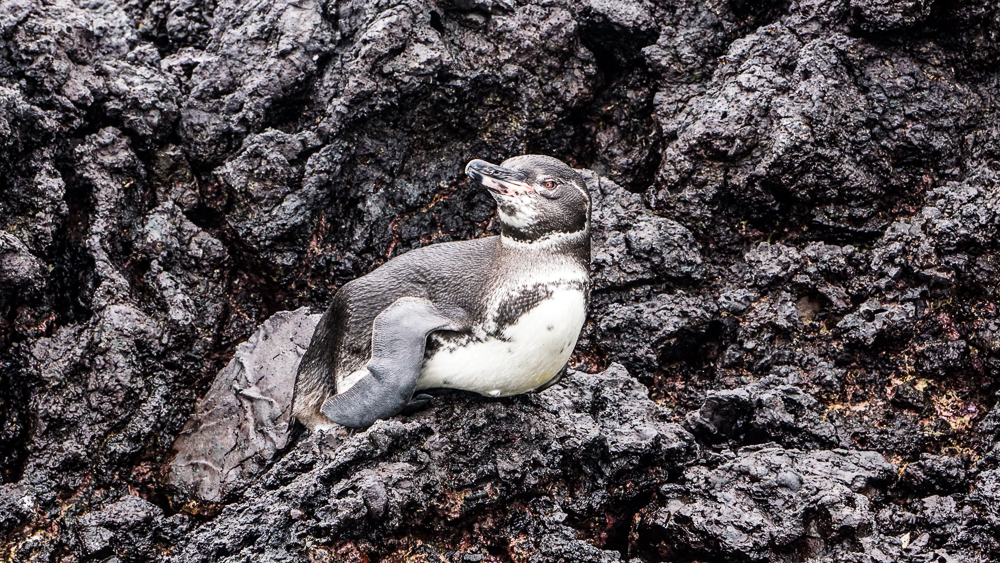
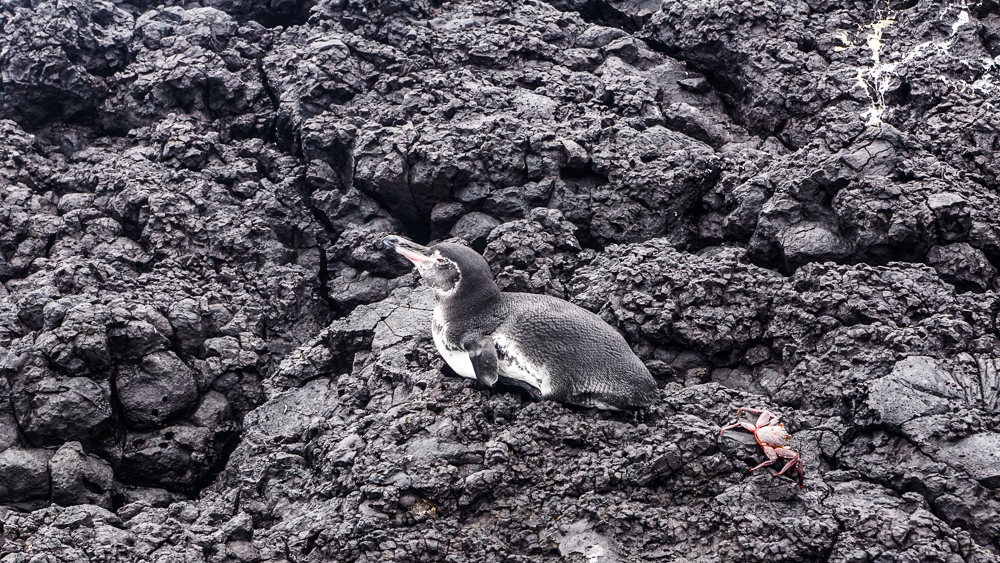
Along the way, we saw a couple of penguins! Most of the penguins in the Galapagos are located at the western end of the archipelago. If you recall from my intro to the Galapagos post (and even if you don’t), there are a bunch of different currents that converge on the islands. The Cromwell Current, an upswell current from the west, brings cold water from the ocean depths, helping to create a viable environment for the Galapagos penguins. They still have to be careful not to overheat, but in the case of the penguins that live around Las Tintoreras, they’re helped by the many lava caves and crevices along the coast which they use to hide from the hot sun.

Honestly, I find these penguins to be a little creepy looking. I’m not sure exactly why, but I don’t think the red eyes are helping.
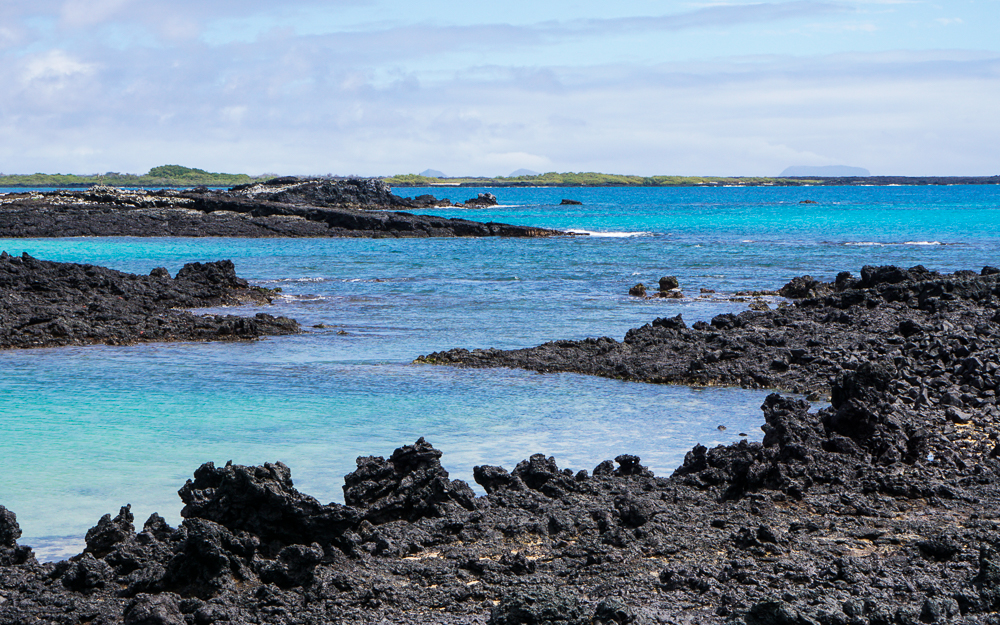
I can’t get enough of that blue water!

Galapagos penguins are endemic, meaning they only exist in the Galapagos, and are the second smallest penguin species in the world! They’re only about 20” (50cm) tall and weigh about 5-10 pounds (2.5-4.5kg). They also have the distinction of being the only penguins that live north of the equator! Most of them live in the southern hemisphere, but since the equator passes through the Galapagos, the tippy top of Isabela Island/penguin country is actually in the northern hemisphere. Made it by a hair! They eat mostly anchovies, sardines, and mullet and can swim at speeds up to 20mph (35kph) underwater while hunting!

Like other penguins, Galapagos penguins mate for life. They can mate up to three times per year, but this really depends on the availability of food. In years with extreme weather and food shortages, like El Niño years, the penguins forgo breeding or abandon their young. This means that their populations are seriously threatened by climate change. They’re endangered, with the current population estimated at fewer than 2,000 penguins.

Does this look comfortable?
I love the contrast between the lava and the water

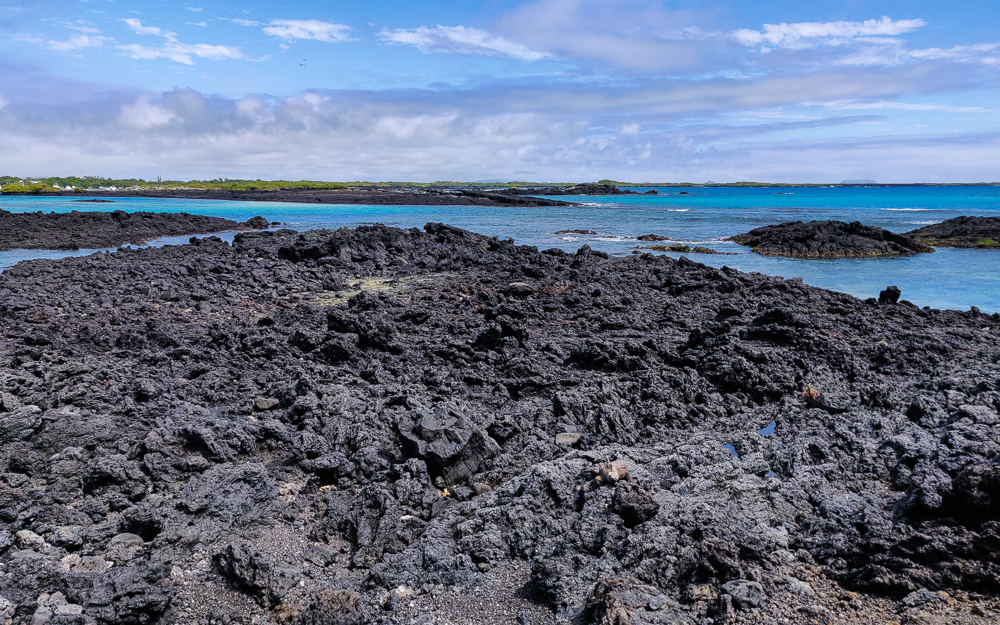
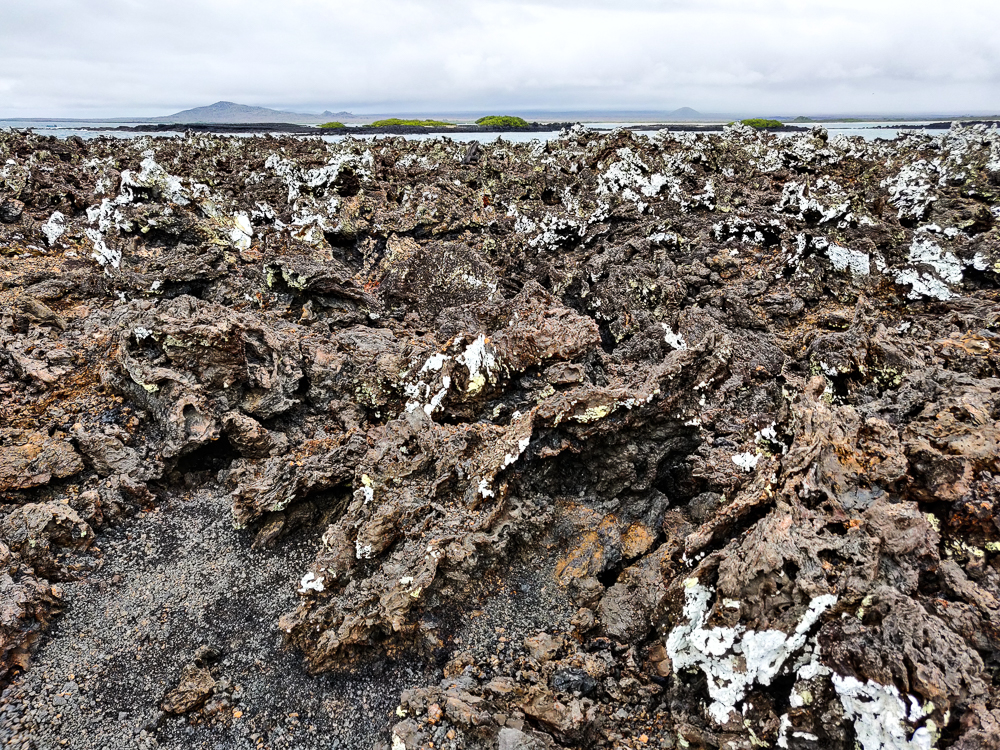
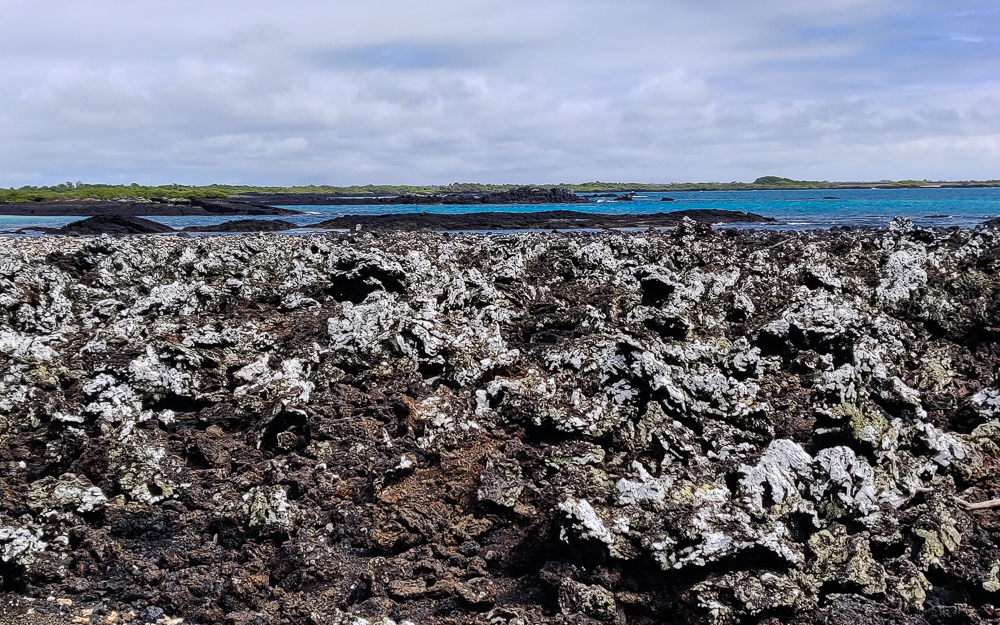
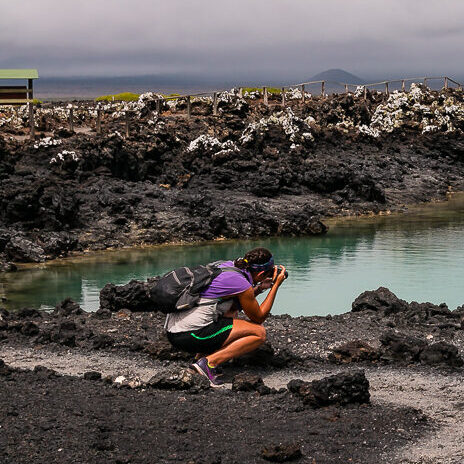
We went ashore on the largest islet, and I was amazed by how different the landscape is from Isabela, especially when the islands are so close to one another. Some people say that Las Tintoreras looks like another planet, and I’d have to agree. The landscape is dominated by funky black and reddish lava formations coated with white and green lichens on one side due to the prevailing winds.

Weird lava formations
Lots of lichens! (They’re the whitish stuff on the lava.)
In my element
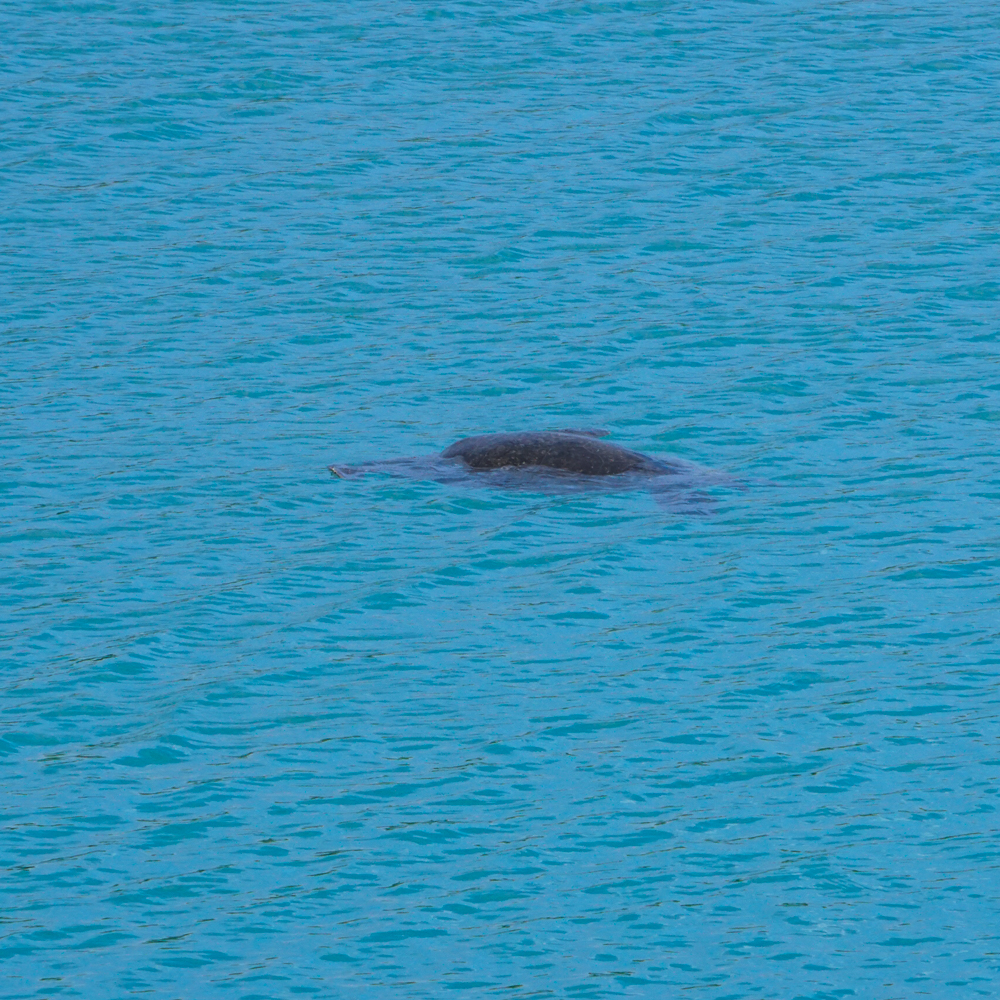
Sea turtle!

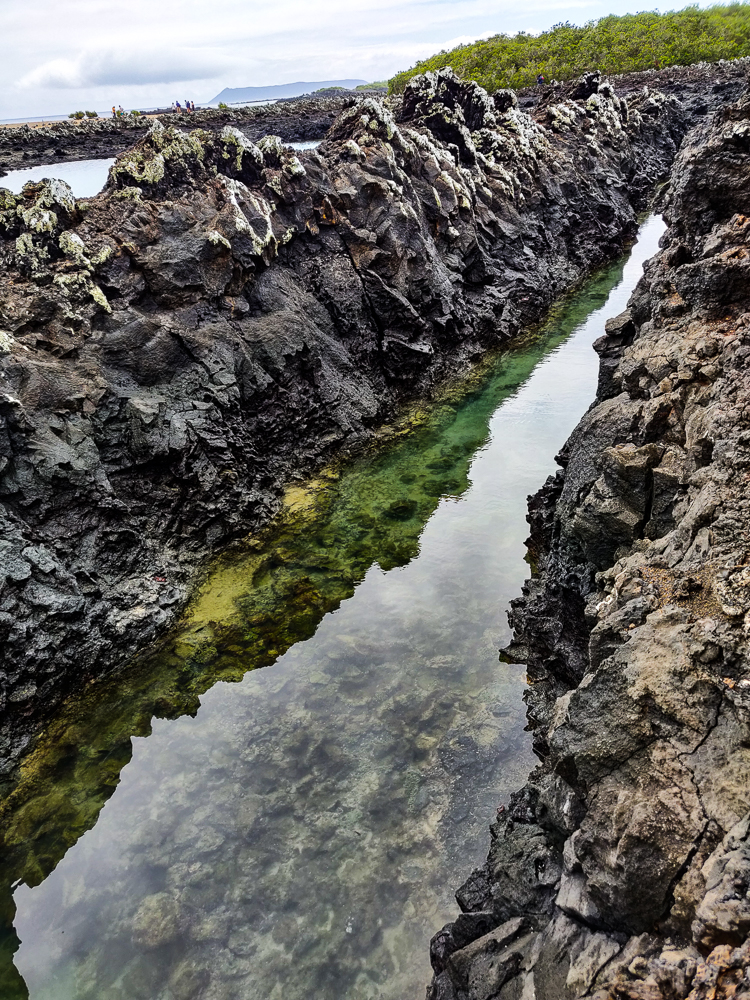
One of the highlights of the tour is “shark alley”, a volcanic crack filled with shallow water where sharks apparently like to hang out and rest during the day before they go out to hunt at night. It’s said to be the best way to see sharks in the Galapagos without being in the water with them, but unfortunately, we weren’t lucky enough to see any. Even so, it was cool to watch the little fish hanging out in the shallow water. You can practically look straight down into the water from above! I can see why it would be super cool if a shark was there.

Shark alley from another angle. I estimated that the water is about 6ft (2m) wide.
Shark alley! Or, in our case, “lots of small fish but unfortunately no sharks” alley.

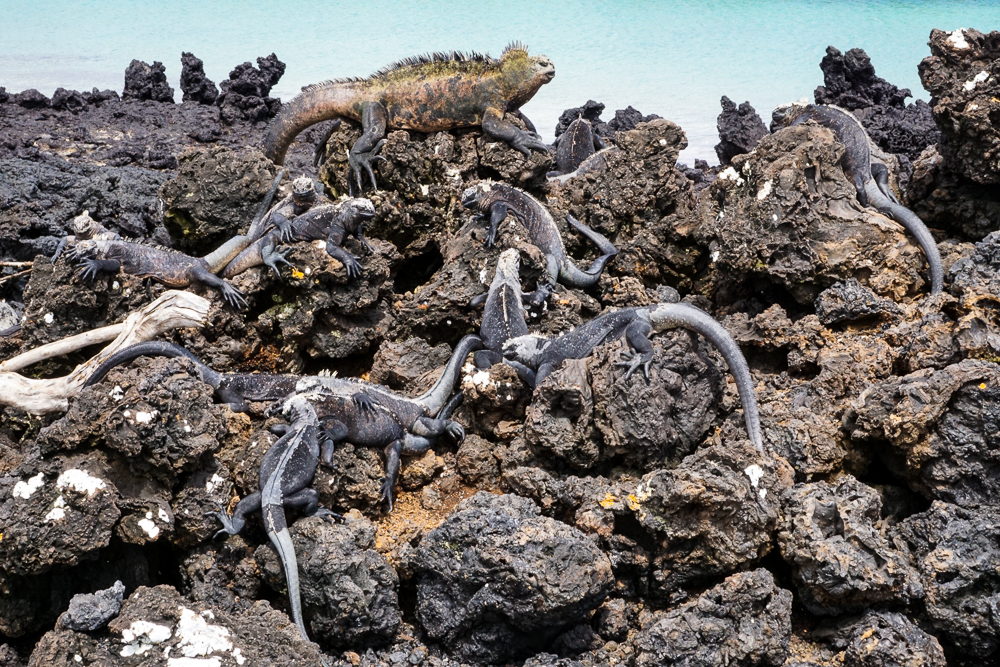
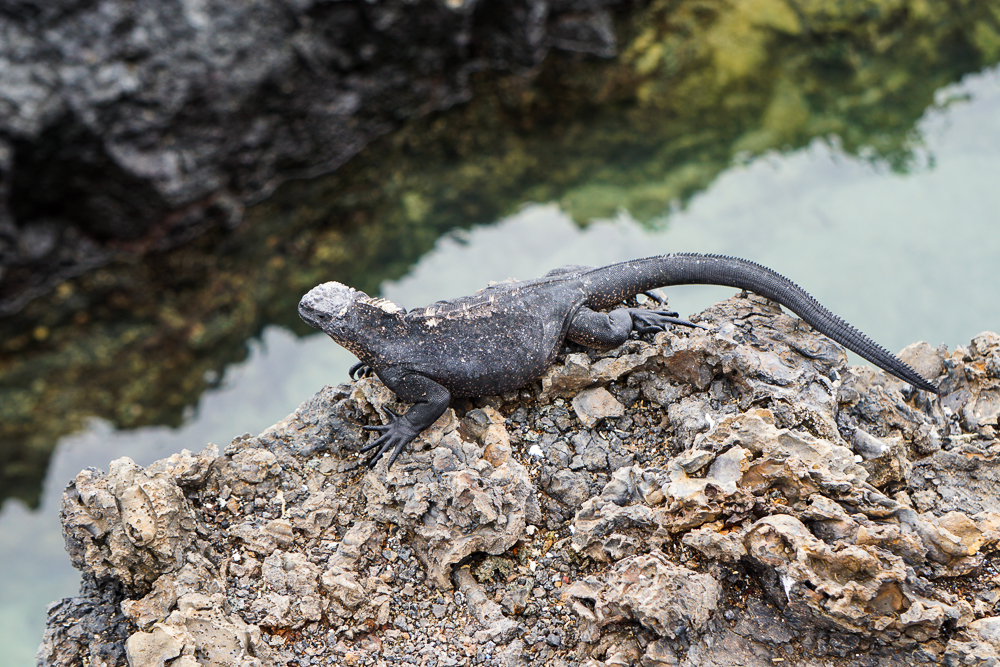
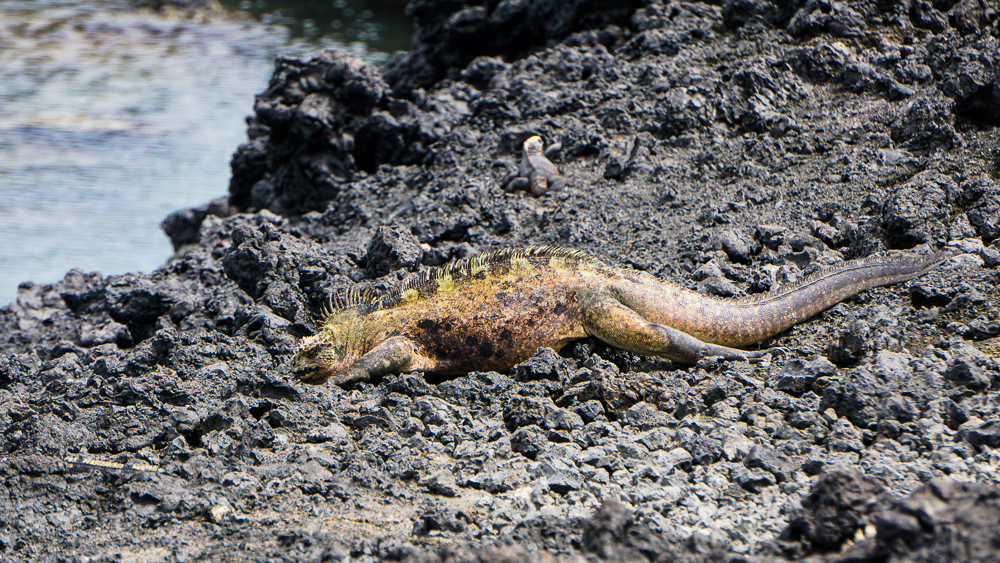
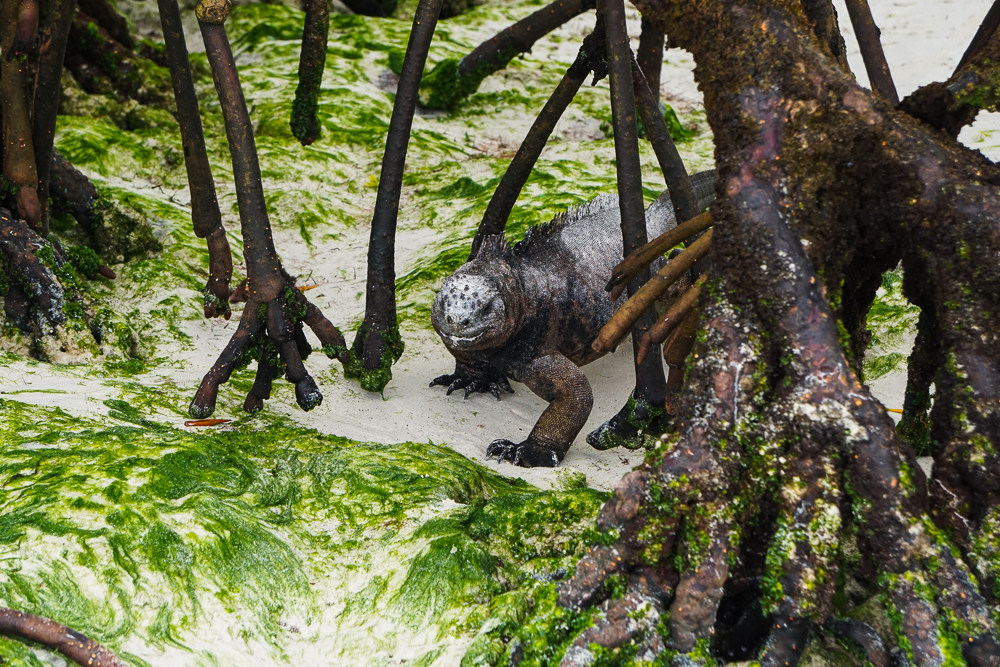
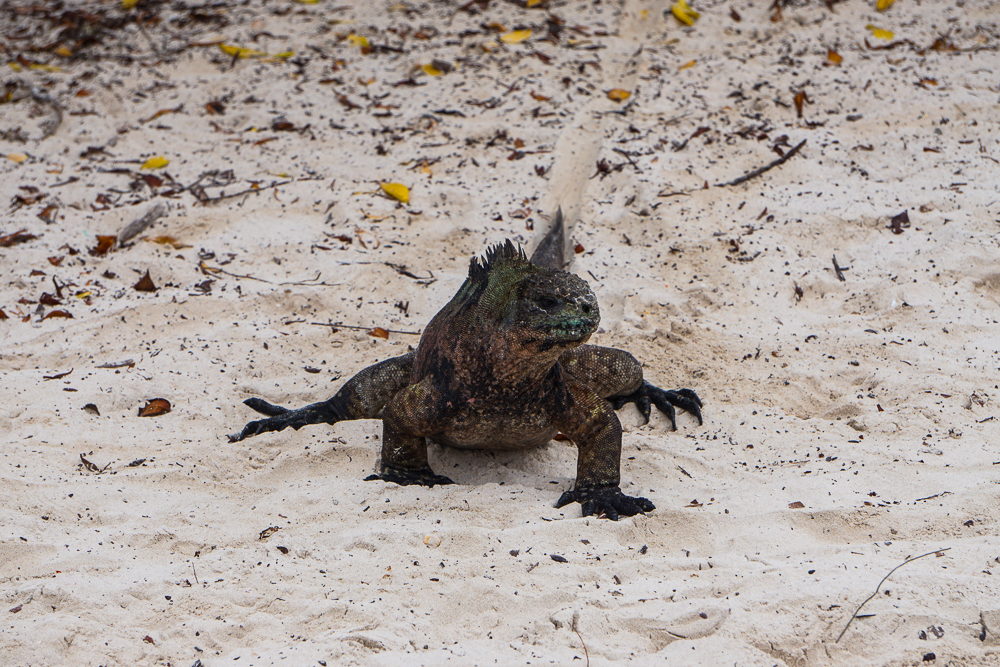
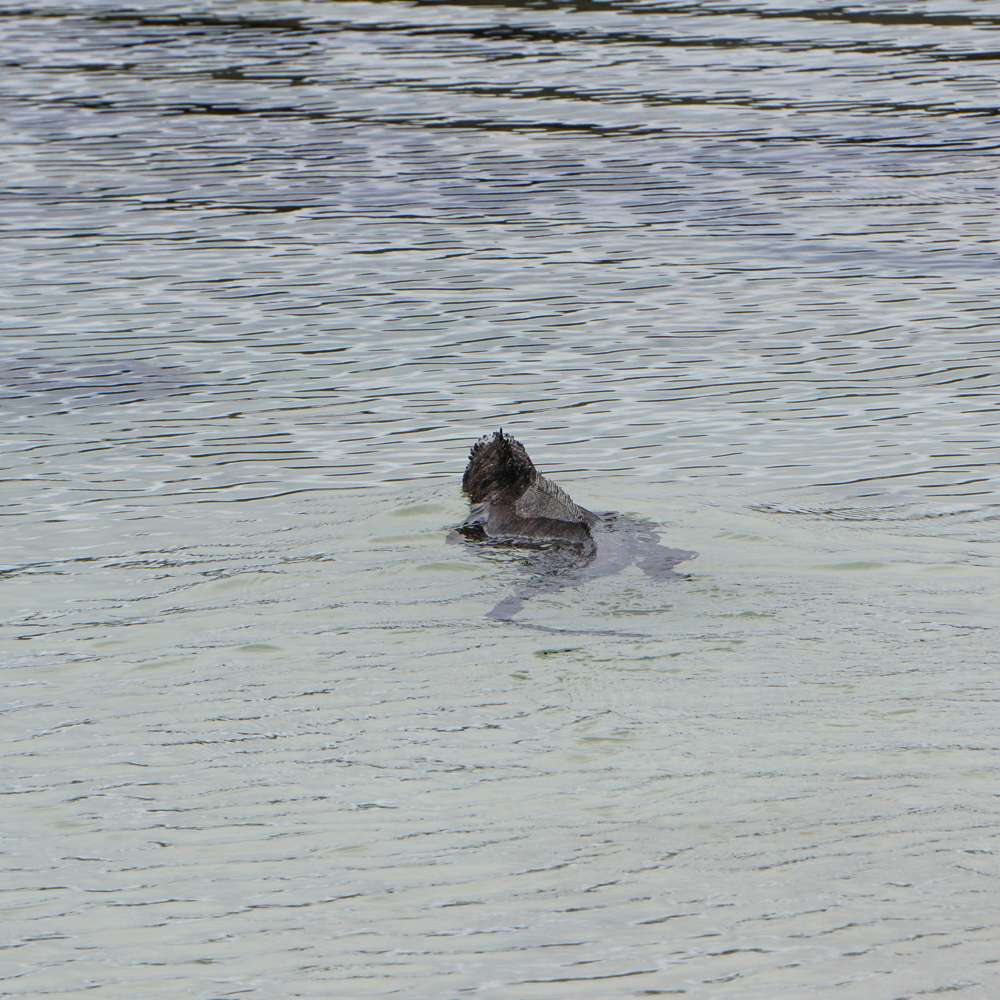
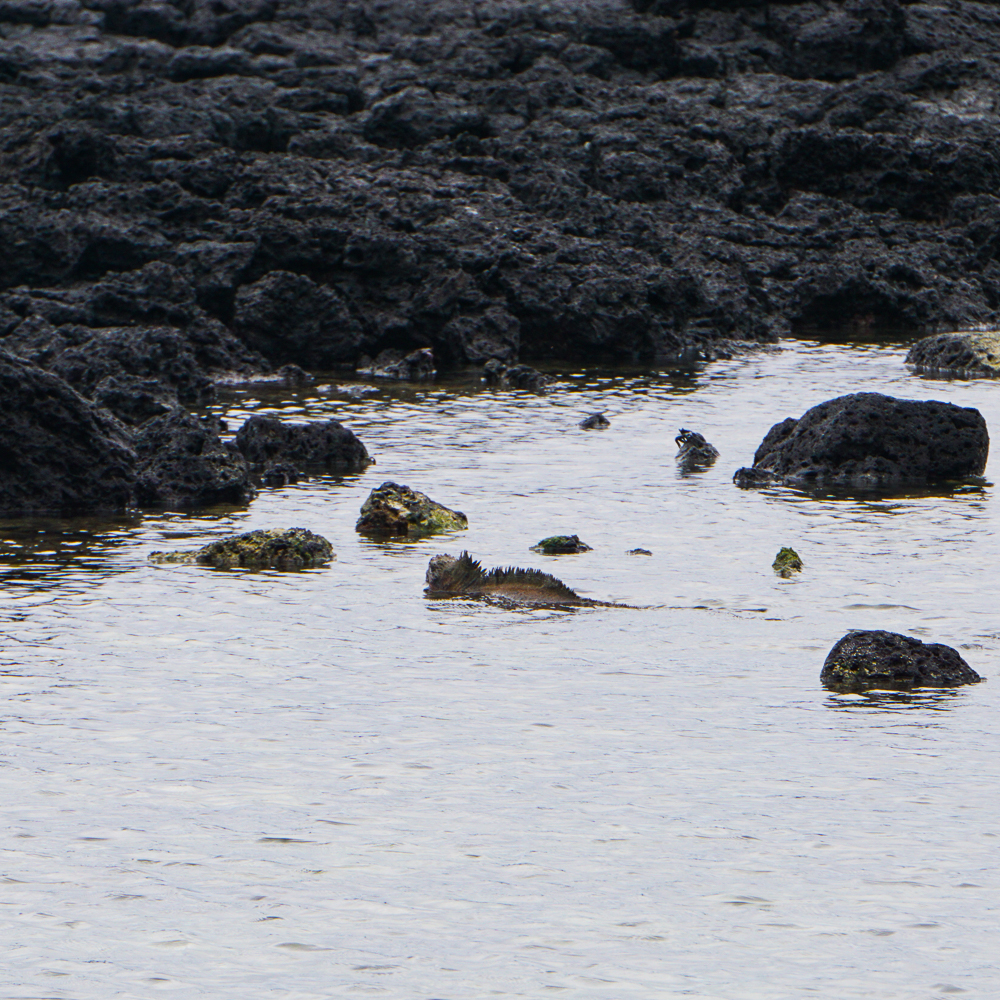
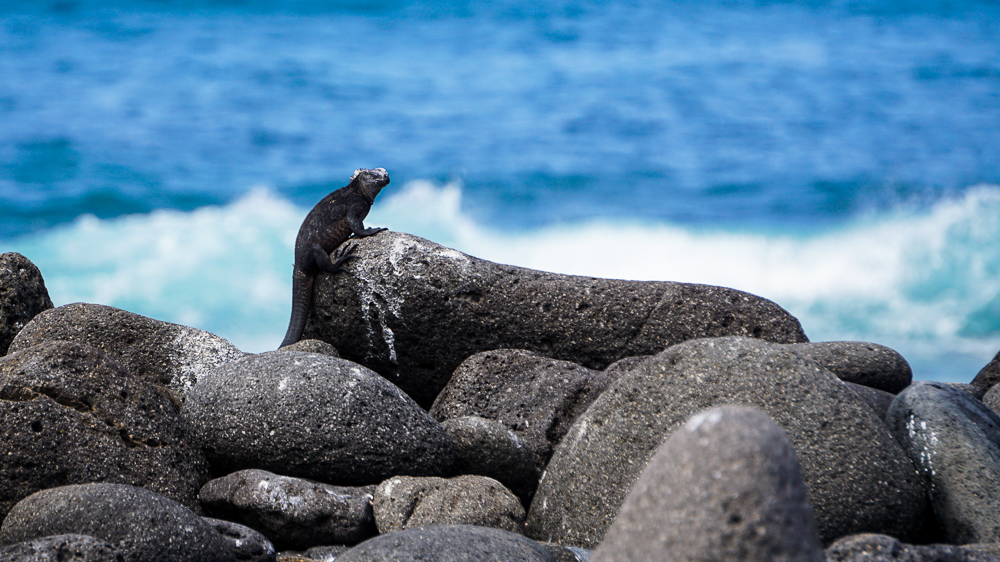
There are also a TON of marine iguanas lying around. They always seem to be lounging in groups, and that’s because they form colonies of usually 20-500 iguanas but up to 1,000! We’ve seen marine iguanas before, but I haven’t explained much about them. They’re unique because they’re the only lizards in the WORLD that are adapted to a marine existence. They’re vegetarians and eat algae and seaweed. Most of them get their food from shallow areas at low tide, but larger males will actually go diving for algae! They can hold their breath for up to an hour and dive down to 65 feet (20m) below the surface.

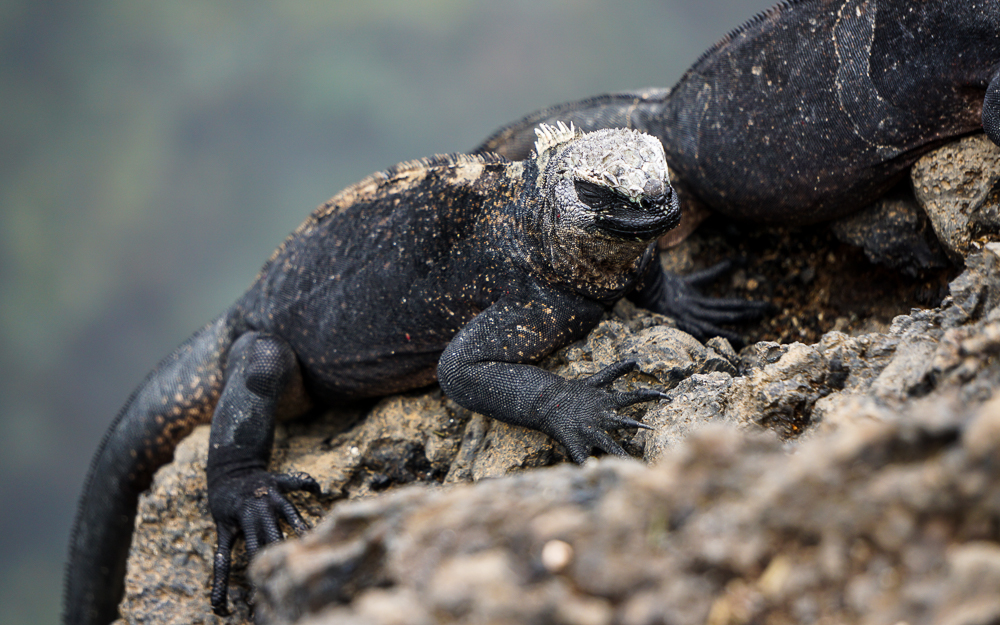
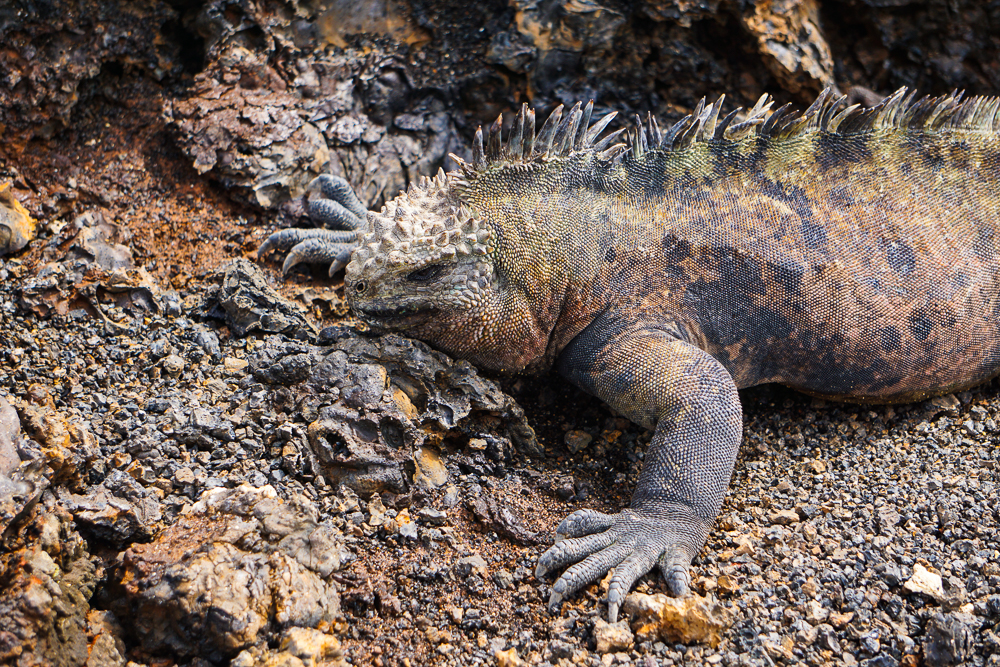
Research has shown that they probably share a common ancestor with the Galapagos land iguanas, genetically diverging around 4.5 million years ago to become a new species. They’re different from land iguanas in a few key ways that make marine life possible. They have long, sharp claws to help them cling to rocks, resisting the tides near the shore or underwater. Their tails are flatter which makes them more effective rudders while swimming. Their dark coloring helps them to warm up in the sun after coming out of the cold Galapagos waters. Flat noses and sharp teeth make it easier to scrape algae off of rocks. They also have a special gland that removes excess salt from their blood, a necessity when eating salty algae and seaweed! It’s expelled by a sneeze-like action, and it’s not uncommon to see marine iguanas with salt-encrusted faces. Aren’t they fascinating??

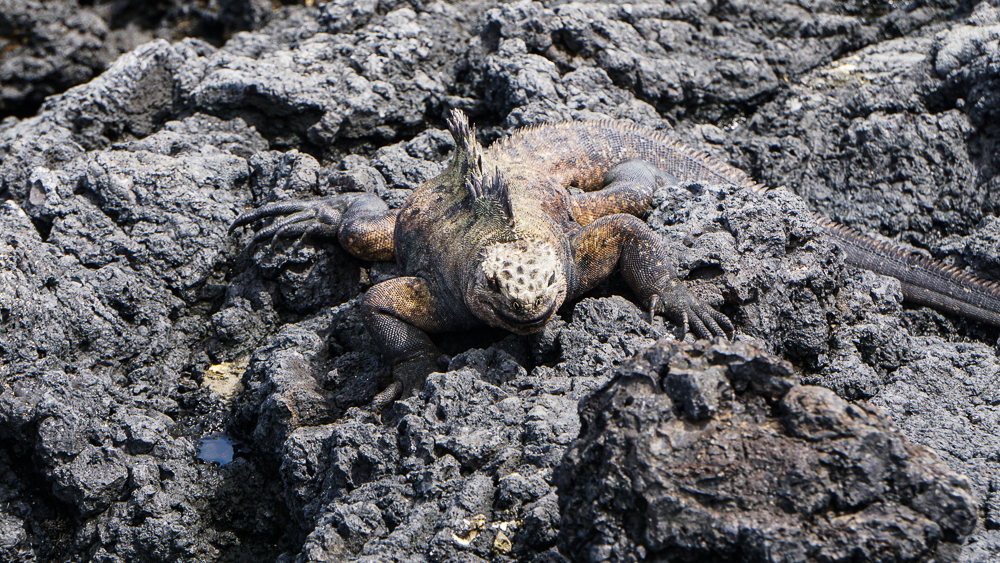
This is a common sight – marine iguanas draped all over the lava and one another.
Look at his little salt-encrusted face! Definitely not cute…

One thing that marine iguanas are NOT is pretty. They were called “imps of darkness” back in the day, and Charles Darwin described them as “hideous-looking” and the “most disgusting, clumsy lizards”. Ouch! It’s true, though. On land, they are horribly clumsy, but in the water, they are incredibly graceful!

Imp of darkness

Weirdly, even with these many adaptations, it is possible, if uncommon, for land iguanas and marine iguanas to mate. There are some “hybrid iguanas” which generally have a marine iguana father and land iguana mother. Most live on South Plaza Island, a small, skinny island near Santa Cruz. It has been observed that in years when algae and seaweed are scarce, marine iguanas will search for food farther inland. On such a small island, it’s much more likely that the land and marine iguanas will cross paths. Sometimes, a male marine iguana will come across a female land iguana who is still fertile, and voila! A baby hybrid iguana is born. The hybrid iguanas are infertile and have some qualities of each parent… they usually stay on land, but they have the sharp claws of marine iguanas, making it possible to climb cacti for food. Their coloring is unique, usually dark with light speckles and a banded body which is different from both marine and land iguanas.

Some marine iguanas aren’t all black
But I don’t know if the multi coloring makes them any less ugly…
A face only a mother could love.

Anyway, back to marine iguanas. The males can get territorial, especially during mating season, and they engage in headbutting competitions if their initial head bob/body stiffening/mouth opening isn’t enough to scare off the invader. These headbutt fights can last for hours and include breaks. Usually, neither iguana is injured (except for pride-wise), but in rare cases, there could be biting and scratching.

We were lucky to catch the tail end (hehe) of an iguana fight, and my cousin took this awesome video from the boat (if you listen to the audio, you’ll hear that I put my money on the underdog, and he won!).

Look at this tiny baby sea lion!
So many babies!
They’re adorable
So pretty!
Love it

The tour also included some snorkeling time, and this was probably my favorite snorkeling of the whole trip. We got to see so many things! We were in a big, sheltered area, so the water was calm and without any strong tides. It was about 7-10ft (2-3m) deep which was perfect. There was enough space to maneuver, but you could still dive down to the bottom easily. Also, the water was incredibly clear, partly because the bottom was far enough away that people weren’t kicking sand and such up into the water.

Sea lions love benches.
This is a good look, right?
Blue sea star! These can grow as big as 1ft in diameter!
Chocolate chip sea star. The name is perfect, right?

We saw all sorts of awesome things! There was a lobster, one of those ginormous red spiny lobsters, ambling along. It looked like a satellite, there were so many antennae and appendages coming out of it. There was A LOT happening on the bottom… starfish and sea urchins and anemones and mostly things that I don’t actually know what they are, but they were pretty! There were sea turtles and a LOT of fish. I swam around with these huge schools of razor surgeonfish (I think) and pretended I was one of them. And I swam next to a marine iguana!

Here’s another video that I didn’t take (shout out to my cousin and uncle who manned the underwater camera and GoPro long after I decided I was finished taking my phone into the water with me) showing a marine iguana swimming!

The coolest thing? I SAW A SHARK!! It was probably 12ft (4m) away from me, and it was maybe 3ft (1m) long. I was alone, and I started yelling and trying to get anyone else’s attention so that I wouldn’t be the only one who saw it. I should have just swum after it because only one person even heard me/paid attention… but I was so happy! I saw a shark and wasn’t terrified! I was just excited!

I felt like my day was complete after that! Man, what a rush! The tour was definitely what I would call “short and sweet” because we saw all of that and then were back on Isabela by noon! That’s crazy. We still had more adventures ahead which I’ll talk about next time!

I tried to figure it out, but I have no idea what kind of bird this is. Some type of finch, but that will have to be enough.
Some sea lions posing on the dock in Puerto Villamil
Beach! And that blueee water

Related Posts

Las Grietas and Los Gemelos – check out my other favorite snorkel spot in the Galapagos, Las Grietas!

North Seymour Island – take a look at the Galapagos land iguanas and imagine what a hybrid iguana might look like.

Last time, we did some adventuring around Santa Cruz Island. We visited some spots downtown and checked out Las Grietas (aka the best snorkeling spot), Los Gemelos lava craters, and the lava tubes of El Chato Tortoise Reserve.

There are a few tortoise reserves on Santa Cruz, and I told our taxi driver, Fredy, to take his pick and that we’d be happy as long as there were lava tubes and tortoises. So, we ended up at El Chato. These reserves are different from the conservation centers because they’re privately owned, and the tortoises are technically wild! They’re there because it’s a good habitat, not because they can’t leave. It was weird to see them in the “wild”… we even saw a tortoise crossing the main road! (That sounds like the beginning of a bad joke.) It was a strange sight after only seeing them in captivity to that point. At least with tortoises, unlike with deer, you don’t have to worry about them speedily darting out in front of your car!

Wild tortoise!

Anyway, El Chato used to be a cattle ranch, but around 20 years ago, the owners started working to return the land from farmland to a natural habitat for tortoises, changing the farmland vegetation to native vegetation. This transition naturally brought tortoises back to the land. Now, it’s a lush, green forest and is really beautiful! Besides the vegetation, there are also a bunch of muddy pools that tortoises love. They sometimes spend multiple days hanging out in them, likely to help regulate their body temperatures and maybe to also kill ticks and protect from mosquitos.

Funky trees at El Chato
Look at these crazy branches!

I’ve talked a little bit about tortoises in previous posts, but later in our trip, my aunt and I visited the Charles Darwin Research Center, also on Santa Cruz, and learned a lot about the Galapagos tortoises in general. There were originally fifteen distinct Galapagos tortoise species from ten different islands. Now, unfortunately, only eleven species remain, due mostly to human interference and the thousands and thousands of tortoises that were killed for food and oil back in the whaling days.

This map shows where each of the 15 species originated and differentiates between the ones that still exist (blue) and those that are extinct (pink).

The Darwin Center is a research hub that monitors the wildlife of the islands and works to minimize damage and neutralize threats. The Center is involved with all sorts of conservation projects, and as part of their tortoise research, they’ve identified genes from two of the extinct species, the Pinta and Floreana, in some living tortoises! The hope is that it may be possible to essentially recreate those species through careful breeding. It sounds insane but also kind of amazing!

At the Darwin Center. I’ll never get tired of looking at baby tortoises (note the folded up screen that they use to protect them at night)
It’s just crazy to me that these tiny little things turn into those giant tortoises
This is taxidermized Lonesome George. He was the last Pinta tortoise, found there in 1971. There was a global search for a female Pinta tortoise, but it was unsuccessful, and George died in 2012. He’s now creepily memorialized at the Darwin Center.

The tortoise species fit into two major categories: dome-shell tortoises, and saddleback tortoises. The Santa Cruz tortoises have dome shells. These are typical of tortoises that live in wet zones and where food is plentiful close to the ground. As you’ve seen from the pictures, that’s definitely true of the Santa Cruz highlands! In drier places with less vegetation, the tortoises had to adapt to survive. Saddleback tortoises have shells that allow a wider range of vertical motion which allows them to reach food higher off the ground. It’s so cool to see such a clear example of how different habitats impact how species develop!

This is a good comparison image, showing the difference between the dome shells and saddleback shells.
These are the most dramatic dome shells… It looks like a mushroom was plopped on top of this tortoise. Like it actually almost looks like the tortoise and the shell aren’t really connected.
I’m always up for a pretty flower
I don’t know what kinds of tortoises any of these are, but just observe the similarities and differences in their shells. This one has a very dramatic saddleback shape.
You can see that this is clearly a saddleback shell as well, but it’s not quite as dramatic as the last one.
These are definitely from a wet island because those shells are like pancakes.
I’m not even sure how to describe these

I was surprised to learn that most Santa Cruz tortoises are migratory. It seems crazy for that to be the case for such a slow-moving animal! They move anywhere from about 65-2,300 ft (20-700 m) each day, and they travel up to 6mi (10km) from the coastal areas to the highlands during the rainy season. Tracking has shown that while most migrate (and move back and forth between two general areas), some of them seem almost nomadic, wandering here and there without any clear rhyme or reason. One aspect of the tortoise conservation work in Santa Cruz has been educating the locals about these migrations and asking farmers to use raised barbed wire fences so that tortoises can freely move about.

In case you’re wondering how quickly that distance is covered…

The answer is, “Not very.”

As you can see, plenty of green things to eat close to the ground
Fredy (our taxi driver) said that the tortoises have the feet of an elephant, the neck of a giraffe, and the face of a serpent. He’s not wrong.
Chowing down
Is it just me or does it look like this tortoise is glaring at us?

This balance between allowing people to live their lives vs. conserving wildlife is complicated. Some people think no humans should live in the Galapagos or even visit. Others think that people should be able to do whatever they want. Neither of these extremes is likely, so the question then becomes, “How can we best serve both interests?” It’s like a case study in compromise, and I think it’s something we can all probably learn from. Don’t get me wrong, the situation is far from resolved. But people are paying attention and trying to figure it out, and I think that’s worth something!

Spotted at El Chato!
I think this little buddy is a Galapagos flycatcher
I also think he’s very cute

The tortoise reserve was our last stop for the day, so we headed back into town when we were finished. Everyone was pretty exhausted!

We had dinner at one of the little restaurants along this road. It closes to traffic at night so that they can put tables and chairs out in the street!

The next day, we had time for one more adventure before we had to catch our ferry to Isabela Island. We decided to check out Tortuga Bay, aka the MOST BEAUTIFUL BEACH IN THE WORLD. Yes, another one of those. Like I’ve said, I’m not a great judge of beaches, but this one was definitely memorable.

We walked from our hotel all the way to the beach, first walking about seven blocks to the start of the trail, and then walking another half hour/45 minutes on a shade-less trail to get to the bay.

Lava lizard friend along the way!

The scenery along the way isn’t especially exciting, but I was fascinated by these cactuses with trunks that look like cartoon tree trunks. They’re in the opuntia cactus family, or “prickly pear”, and while many varieties exist, the Galapagos opuntias are endemic (they only exist there) and are the only ones that grow like trees! The tallest opuntia are found on Santa Cruz where they can grow up to 40ft (12m) tall! That’s crazy, in case you didn’t know.

The shade-less path to Tortuga Bay!
Opuntia cactus trunk! Does this not look like a cartoon drawing of a tree trunk? It doesn’t look real. And it feels kind of plasticky and fake as well. But it’s not!

The opuntia cacti are well-suited to survival in the Galapagos. They can store large amounts of water, making them resilient in long dry periods. They can grow directly on rocks, an essential ability when the island is nothing more than a giant lava rock. Finally, they’re able to self-pollinate, so they don’t need other cacti nearby to reproduce. It’s not hard to see why that might be useful in a situation where you’re a wayward seed trying to populate a barren island! These cacti are a critical part of the Galapagos ecosystem. Iguanas and tortoises eat their pads, fruit, and seeds. Cactus finches eat their flowers, fruit, and seeds, extract water from their pads, use them for protection when building nests, and distribute their seeds across the islands (thanks to their poop!).

Try to tell me that these look real. (I won’t believe you.)
Cactus tree!

When we finally reached Tortuga Bay, we found ourselves at Playa Brava, the longest and flattest beach I’ve ever seen. With its white sand stretching out as far as the eye can see, it felt almost otherworldly. Most beautiful beach in the world? You can decide.

Flat and endless
These pictures make me feel so calm!
Isn’t it a relaxing view?
Blue heron!
I like how they can curl themselves up like this.
Outcropping separating Playa Brava from Playa Mansa

We walked the endless beach until we reached another, Playa Mansa, where you’re allowed to swim. (You can’t swim at Playa Brava because the tides are too dangerous.) It’s supposed to be a great snorkeling spot because of the nearby mangroves, full of sharks and sea turtles, so my cousin and I decided to check it out. We tried to swim out to deeper water, but the ground sloped so gradually that even after swimming pretty far, it was maybe 3ft (1m) deep. Even so, it was so cloudy that I could barely make out the bottom! There were a lot of dark spots, but most of them seemed like seaweed until… eek! Was that a stingray?? I turned back to check… and it was! A small one, maybe 8 inches (20cm) in diameter. Apparently, I was emotionally unprepared for an actual stingray. My heart skipped, and I let out an underwater scream in surprise! It scared me half to death, and then my scream scared it (hopefully only) half to death! It shifted to the left, then to the right, and then sped away, like when a person gets scared and looks around spastically before sprinting away. Once I calmed down, I felt terrible for scaring it so badly. Sorry, little stingray! It was kind of hilarious… but I also decided that I did NOT like how close I was to it without being able to see it.

I love these marine iguana tracks

I swam over to my cousin to say that I was ready to go. She said that she had seen a shark fin and tried to swim after it, but she couldn’t see much, and it disappeared. I got the “I need to get out of this water immediately” feeling, and we sprinted back to the beach. Later, my uncle told us that he talked to some people who had been kayaking where we were swimming, and they said there were TONS of sharks in the water. EEK. It would have been cool if we could see them, but you know how I feel about swimming in water that I can’t see through. Normally, I’m just irrationally afraid that there are sharks. This time there really were! Nope nope nope. Noooo thank you.

This seems like a good time for a few more relaxing beach pics…
Breeeathe, Lara. *inhale* and *exhale*
Mangroves! These are another super important plant. Their roots are a great place to lay eggs and hide away if you’re a small fish or other critter trying to escape larger predators. This also means that they’re popular with birds who are looking to eat these little fish! And sharks, doing the same.
Marine iguana in the mangroves
I really thought that I took a video of this dude swimming, but I can only find pictures (argh!)
Look! There he goes! You can see his tail snaking behind and propelling him forward.
It never gets less amazing.

We headed back to town with plenty of time to grab our bags and head to the dock before our ferry departed. The entire organizational system for ferry boarding is a disaster, but I’m not going to go into that (you’re welcome). Just know that my calling that mess a “system” is incredibly generous. The chaos drove my engineering mind insane (I have approximately 1000 ideas for how to improve it). We ended up on a ferry with a “floating casino” sort of vibe. The only two windows were blue and dolphin-shaped, casting bluish light across the interior, and the seating was a plush, wavy bench that wound around the perimeter. Before we left, a guy walked around with a roll of plastic bags for anyone worried about getting seasick… hehehe that’s comforting, right? We had a bumpy start, but after the captain came down and moved some people around to better balance the boat, it was much smoother! Thank goodness because the ride was maybe 2.5 hours, and I don’t think I could have taken another ferry ride like the one from San Cristobal to Santa Cruz (where I closed my eyes and pretended that I was totally comfortable while repeating to myself, “You’re fine. Your stomach is fine. No, your face doesn’t feel hot. You don’t feel queasy. I’m sure we’re almost there.”).

One more lava lizard for the road
The ferry took us from Puerto Ayora, Santa Cruz to Puerto Villamil, Isabela.

Next time, get ready for more adventures on a new island!

Related Posts

Las Grietas and Los Gemelos – explore more of Santa Cruz and learn about the crazy volcanic activity that created some of the island’s most interesting features.

Kicker Rock – for more adventures of swimming in cloudy water with definite but invisible shark companions…

San Cristobal Highlands – investigate other Galapagos claims of “world’s most beautiful beach” and check out the San Cristobal tortoise conservation center.

Diamond Beach – check out this beach in Iceland that may give Tortuga Bay a run for its money… though in a VERY different way!

Española Island – meet some especially colorful members of the marine iguana family.

We had one “free day” worked into the schedule while we were on Santa Cruz, and like before, that didn’t mean “do nothing day”. My aunt had a whole list of things that we could see on the island without a tour, so we plotted a route and headed out for another very long day.

Here’s the location of Santa Cruz in relation to the other Galapagos Islands! It’s the second largest island, about 20mi/32km wide x 25mi/40km long.

Santa Cruz is the second largest island in the Galapagos archipelago and is a “shield volcano”, like many of the other Galapagos islands. This means that there wasn’t an explosive eruption that formed it (exactly what it sounds like/what you likely imagine when you think “volcanic eruption”). Instead, there was an “effusive eruption” which means that low-viscosity lava flowed steadily for a period of time. Since the lava is extra “flowy”, it spreads out farther and results in a land mass with a much more gradual slope than would result from an explosive eruption. So lava steadily accumulates in layers, building a short and flat-ish island, called a “shield volcano” because it has a similar shape to a round shield lying on the ground.

It’s a very ecologically diverse island, the only one in the Galapagos with six different vegetation zones. I was amazed once again by the difference between the coastal areas and the highlands, but we’ll get to that later. Anyway…

On the way to our first official stop of the day… Puerto Ayora had some very thematic Christmas decorations. I guess the reindeer get a little help from the locals when delivering presents to the islands!
Also, I know that I wasn’t at the birth of baby Jesus, but I don’t know about this rendition… Sea lions, frigatebirds, tortoises, and blue-footed boobies? (Also, the green and brown stuff on the ground is broken glass. There’s a lot of interesting recycling happening on the islands.)

Our first stop was the local fish market. This is where the fishermen bring in their catches, and there are big, concrete tables where they’re sorted and prepared for sale. If you like fresh fish or lobster, this is the place to be. I personally don’t like fish, fresh or otherwise, but I do always enjoy watching people at work (in a totally non-creepy way), skillfully going about their business. The major tourist draw is the photo op, of course. The fish attract all kinds of critters hoping for scraps… sea lions and an assortment of birds that hang around and, if they’re feeling especially cheeky, try to snatch fish right off the tables. The fish attract the birds, the birds attract the people, and you’ve got yourself a crowd!

Lobsters! Lobster fishing is strictly regulated in the Galapagos. The season lasts from September 1 – December 31 each year. These are red spiny lobsters and are the variety most commonly found in the Galapagos.
Taking pictures of tourists taking pictures of this lady doing her job.
Sea lion trying to get some pity scraps. This lady isn’t buying it.
Breaking the two-meter rule (only once, I promise!)
Blue heron near the fish market
So pretty!
I liked his reflection
This pelican was loitering as well

We weren’t there at prime time, so things were pretty quiet. That was fine with me! When everyone was ready to move on to the next adventure, we headed for the dock. Our destination was “Las Grietas”, or “the cracks”, which is a deep crevice that was created when the lava forming the island cooled and contracted. This particular crack falls at the junction of an underground river and the sea, so it’s filled with brackish water (mix between fresh and saltwater). There isn’t a large, clear passage to the ocean, but there is enough space for water and fish to trickle in. No sharks, though!

We passed this funky house on the way to the dock!
No clue what this kid was doing, but apparently we were all entertained by it (pic by my uncle)

The only way for a human to get to Las Grietas is through a boat ride/walking combination. You can’t drive there. You can’t walk the entire way. You can’t boat the entire way. You take a water taxi from the main dock in Puerto Ayora, cross the harbor, and walk about 30 minutes from there. You can also take a boat a liiittle farther and save yourself maybe 15 minutes of walking, but then you still have to walk the final stretch.

We passed these salt mines along the way! Saltwater comes in with the tide and fills the area, and after the water evaporates, people harvest the salt that gets left behind (you can see the white rings of salt around the pools in the picture).
With my aunt and cousins and some pretty flowers we passed on the walk (pic by my uncle)
Las Grietas! (The first pool)

Las Grietas is about 330ft/100m long and consists of three “pools”. As I researched, it seemed like everyone (everyone who seemed even mildly adventurous, that is) agreed that you should absolutely go all the way to the third pool. My uncle, cousin, and I geared up in our fins and snorkels and headed down a set of wooden stairs to the first pool. This is the biggest one (at least in my estimation), and it’s crowded because that’s as far as most people go. Not us! There’s not much to see in the first pool, so we swam to the end pretty quickly. From there, we climbed over a section of slippery rocks (only falling once… eh, maybe twice… but always very gracefully, of course) into the small, rocky, shallow second puddle (it’s way too small and shallow to be called a pool, so I’m amending the name). If I didn’t know better, I would have thought we’d reached the end. But no.

To reach the third pool, you can either climb over some large boulders or swim about 5 feet through an underwater “tunnel” beneath them. The tunnel route is way easier, but at the time, we didn’t know that was an option. (I think it’s semi-common knowledge, so I’ll take the blame for that intelligence failure.) We only found it by chance. At the rocky transition from the first pool into the second, I tossed my fins ahead so that I could use my hands as I crossed over the rocks… and when I reached the puddle, one of them had vanished. Uh oh. They’re bright orange floating fins, so I knew it had to be on the surface, but then why couldn’t I see it?? After some minor panicking and intense searching, I found it wedged between two rocks. There was clearly a current that carried it there, and a quick peek underwater revealed the tunnel! So, it was two exciting discoveries in one. I got my fin back, and we found an easier route into the third pool! My uncle had already scaled the boulders to get there… whoops! But at least the return trip was easier.

Well, it was quite the journey, but we finally made it to the third pool. It’s slightly smaller than the first, but we had it all to ourselves. It was awesome. The water was incredibly clear and calm, all the way to the bottom, maybe 10-15ft (3-5m) down. As soon as we passed that last boulder wall, it was like the world around us ceased to exist. Underwater, the silence was the ear equivalent of being in a pitch-black room. And then the fish! Everyone said that there’s not much to see underwater, but I disagree. Sure, there were no sharks or turtles, but there were a few schools of BIG fish cruising around… like at least a foot long (30cm), and many of them were probably bigger than that. The best part was that they were almost completely unfazed by us. I dove down and swam along next to them. They looked surreal… like they were mechanical fish or were too three-dimensional to be real. And just the general ambiance… I don’t know exactly how to explain the feeling, but from now on, if I need to imagine a place where I feel completely at peace, I’m going to be there, suspended on the surface of the clearest, quietest water with hyper-realistic fish gliding by.

We had the pool to ourselves for a while, and it was glorious. By the time another group showed up (and completely shattered the serenity), we were about ready to go anyway. We made our way back under the boulder, through the puddle, over the slippery rocks, across the first pool, and up the stairs (which were now about a million degrees after baking in the sun… and I had no shoes at the bottom so that was really great planning on my part).

Me with my bright, floating fins
Loving life. I didn’t bother taking my waterproof case-equipped phone, so all of these pictures were taken by my uncle or cousin
GIANT fish hiding in the rocks along the edges of the third pool. I glimpsed something light as I swam by and got in closer to investigate. I’m a terrible estimator, but he MUST have been more than 2 feet long (60cm). I think. And I know I said that I didn’t take any pictures, but for this one, I borrowed my cousin’s camera and got right up in this fish’s face because it was too dark to see it very well at the time, and I really wanted to know what he looked like.
Just looking at this picture is making me all sorts of calm
Okay just one more picture (also because I have practically no pictures of me from this entire trip, so here are 90% of them in one go, all with me looking especially cool in my snorkel)

From there, we walked to the water taxi stop and then boated back to town. The water taxis, by the way, are hilarious. The ride back to town went something like: get on water taxi, stop by a boat anchored in the harbor, pick up empty water jugs, drive to another boat, pick up person, drive to another boat, drop off empty water jugs and pick up bag, drive to another boat, drop off person, drive to dock, give bag to person waiting on dock, let off passengers. I never understood what was going on, but I was always entertained.

After a quick stop at our hotel, we headed back out in search of a (regular) taxi to take us to the highlands. On Santa Cruz, people generally go to see two things in the highlands: a tortoise sanctuary (of course) and a pair of craters called Los Gemelos. Fredy, our taxi driver, suggested that we visit Los Gemelos first, and I figured he knew better than any of us since he’s probably taken people to both places a million times.

Los Gemelos, or “the twins”, are two craters formed by collapsed magma chambers. What are those? When lava is flowing, it flows fastest at the middle. The lava at the top and edges cools and hardens more quickly while the lava beneath continues to flow. Eventually, the eruption stops, halting the supply of lava and leaving behind empty space beneath the hardened lava. This can take the form of a tube-like cavity (lava tubes) or, in the case of the craters, large, open chambers. At Los Gemelos, through a combination of erosion and seismic activity, the unsupported lava above the chambers became unstable and collapsed, forming the twin “craters” that you can visit today.

This sign by the craters roughly shows their shapes/relative sizes. I read somewhere that the larger one (I assume?) is about 1 mile in diameter (1.6km) and 920 feet deep (280m).
In the surrounding forest (pic by my uncle)

None of us really knew what to expect from Los Gemelos, but they were really cool! It’s like being in another universe because they’re in the middle of the largest Scalesia forest in the Galapagos. This is an important habitat for tropical flowers like bromeliads and orchids as well as mosses, lichens (a fungus/algae mashup), and birds. It feels like you’re in the middle of the rainforest! Since the craters collapsed a long time ago, they’ve filled in with plants as well.

Impossible to fit the entire crater into one picture without a wide-angle lens or a panoramic photo
It’s super cool looking!
And then this forest… can you believe this is the same island where those barren salt mines were??
The tree to the right of the path in this picture reminded me of a giant spider. Eek! But the moss hanging off of those branches is the craziest thing!!
Pretty flowers in the forest
Framed fog
The density of the fog changed pretty quickly, but there were times when it was hard to even see the opposite side of the craters

After our hike around the craters, we loaded back into the taxi and headed to El Chato, one of the private tortoise reserves on Santa Cruz. It used to be a ranch, but for the last 20 years or so, they’ve been working to restore native vegetation and create a natural habitat for the tortoises (more about that in the next post!). Tortoises aside, they also have some lava tubes that you can walk through! It’s kind of creepy to think that you’re walking through a giant pipe where hot-enough-to-vaporize-you lava used to flow! But also… how cool!?

Lava tube entrance
Walking down…
This is weird. There’s a lower tunnel area where you can see my cousin walking ahead, and then there’s a layer of cooled lava and ANOTHER cavity above that. Very confusing looking.
The light at the end of the lava tube
I loved looking at the shapes of the walls!

Next time, we’ll talk about the tortoises at El Chato and some final Santa Cruz adventures!

Related Posts

San Cristobal Highlands – compare the Scalesia forest and lava craters of Santa Cruz to the highlands and crater lake of San Cristobal!

Kicker Rock – snorkel in the open ocean surrounded by some very NOT clear water (and probably over a bunch of sharks… eek!)

North Seymour Island – check out the weird bird life and barren landscape of North Seymour Island, just north of Santa Cruz

The day after we explored San Cristobal’s highlands, we made our first relocation from San Cristobal to Santa Cruz, the second largest island in the Galapagos and home to their most populous city, Puerto Ayora. After a few days in Puerto Baquerizo Moreno, San Cristobal (~7,000 inhabitants), Puerto Ayora (~12,000 inhabitants) made me feel like a small-town girl in the big city. It was a bit jarring. Also a bit jarring was the ferry ride… I spent most of it with my eyes closed, praying it would end soon and lying to myself by saying that I didn’t feel the least bit seasick. (And like I’ve said before, I do NOT get seasick easily. It was rough.)

To keep you oriented, we left from San Cristobal and headed west to Santa Cruz! As you can see, lots of open water which probably didn’t help with the ride’s seasickness factor.

The next morning, we were back at it with another tour, this time going to the uninhabited island of North Seymour, north of Santa Cruz. We had a bit of a hybrid journey this time. Puerto Ayora is on the southern coast of Santa Cruz, so we took a 45-minute bus ride from town to the island’s northern port, and from there, we took a 40ish-minute boat ride to North Seymour. Well, actually “yacht ride”. This was a fancy tour which meant hellooo, luxury! The yacht had real bathrooms, air conditioning, and an upper deck! That was the best part. Our family claimed the upper deck while everyone else sat inside in the A/C. Whew! Too much luxury like that and I’m going to be ruined for traveling on the cheap! Just kidding, but it was a fun one-time thing.

We started in Puerto Ayora, took that one road to the north end of the island, and then yachted to North Seymour (circled). Baltra (beneath that) is the location of one of the airports, and that’s where the land iguanas came from (you’ll know what I’m talking about soon).

Unlike many of the archipelago’s islands, North Seymour was NOT formed by a volcanic eruption. It’s a seismic uplift, formed when the Earth’s crust was pushed up by the lava underneath it over the course of thousands of years until it lifted above sea level, forming an island. As a result, it’s very flat (the max altitude is only about 90ft/28m) with dramatic cliffs along the shoreline, and evidence of its previous life as part of the seafloor is abundant, with shells and large rocks scattered across the island. It’s also small, only about 0.75 square miles (~2 square kilometers) in area, and there’s not much vegetation. It’s very low and bushy, but that doesn’t bother the TONS of birds that nest there during the year.

Rocky seafloor shores
Flat, flat, flat
I’ll never get tired of this water
It’s unreal! (But it’s real!)
Let’s talk about these plants. They look super dead, right? They’re not. They’re Palo Santo trees, and they lose their leaves to help them survive when there’s not enough water. So as soon as the rainy season comes, they bloom! Palo Santo is considered a cleansing/purifying plant, and its oil is used for aromatherapy and incense.

Once we reached the island, we started off with a walking tour. North Seymour is known for being a great fishing and nesting site for birds, especially frigatebirds. They’re the weirdest! The males have these red chest pouches that inflate during mating season because what could be more attractive than that? The mating ritual is the weirdest thing. We didn’t see it, but my goodness, look up a video because I can’t possibly explain it. Nonetheless, I will try. The males build nests. They sit in their nests, puff up their chest pouches, spread their wings, and then make this noise that can only be described as extraterrestrial. Their entire bodies vibrate from the effort. And the females fly around until they find a nice nest and pouch, and when they land nearby, the males wrap their wings around them to tell other males to scram. The exciting thing about North Seymour is that you can find frigatebirds nesting year-round whereas, in other places, it’s a rare treat to get to see a puffed frigatebird (unofficial terminology).

Okay, opinions, everyone. Does this look comfortable?
Fun fact, it takes about 20 minutes for a chest pouch to inflate
It’s weird, though, right?
Someone asked the guide what would happen if the pouch was punctured. All he said was, “It would be very bad.”
I’m sure that pouch is great for cutting down on wind-resistance… not.
And if you’re wondering what it looks like uninflated… I think seeing it like this makes the size of the inflated pouch even more amazing.

There are actually two varieties of frigatebird found on North Seymour, the magnificent frigatebird (which is endemic to the Galapagos) and the great frigatebird (also found elsewhere). They look very similar, especially the males. The magnificents are slightly larger with a purplish sheen to their black feathers, and the greats have a slightly wider wingspan and a greenish sheen. They also make different noises, and the great frigatebirds go farther from land to get their food, which is good because then they don’t compete with one another for resources. The guide pointed out both varieties and I think I have pictures of each, but don’t quote me…

I’m no expert, but this sure looks like a great frigatebird to me (greenish feather tint).
And this one looks like a magnificent (purplish feather tint).

The females are easier to tell apart. The magnificents have a blue eye ring and a black throat, while the greats have a red eye ring and a white throat. I don’t think we saw any great females, or at least I haven’t found any in my photos.

Note the blue eye
Female frigatebird in flight (I think? I’m really not great at this whole birding thing). They’re majestic.
VERY blue eye rings
Of course, the females don’t have quite the same pizzazz as the males.

And we saw some chicks and immature frigatebirds which I attempt to identify below…

An immature frigatebird. And I don’t know this for sure, but I think it’s a great frigatebird because of its rust-colored head. But I could definitely be wrong on that.
I really feel like this one is looking at me.
Airing out.
Frigatebird poof baby.
Immature frigatebird

Anyway, the chest sack isn’t the only odd thing about frigatebirds. They don’t have waterproof feathers, so unlike many of the other Galapagos birds, they can’t go diving for their food. Instead, they eat things off the surface, like crabs, squid, flying fish, small turtles, etc. and sometimes they steal food from other birds, earning them the nickname “pirate birds”. At first, I thought this meant that if another bird was carrying a fish or something, they’d make them drop it. NOPE. Well, that is part of it. They dive-bomb other birds and make them drop their prey… but more disturbingly, they sometimes make the other bird regurgitate its food, aka they eat bird vomit. How do they do this? Either by chasing them around until they’re so stressed out that they throw up, or by grabbing them by the tail feathers and shaking them around until achieving the same result. And then they swoop down and grab their “food” (ew) before it hits the water. Nature is gross.

I know it’s hard to tell, but these frigatebirds are sitting on nests. They often re-use nests from year to year and sometimes steal nest materials (not shocking considering they don’t seem to understand ownership boundaries like “after I’ve swallowed a fish, it’s mine”).

Other interesting/less gross facts… they have a really high wingspan to body weight ratio which makes them great at gliding and maneuvering. Their wingspans are up to 8ft (2.4m)… which is crazy. Their bodies are about 3.5ft long (1m), so it’s not like they’re small birds in any way, but still. They can spend more than a week floating on wind currents! They also care for their babies longer than any other bird. A baby starts to fly at around 4-6 months, but the mother continues to supplement its diet for another 6 months to a year+, depending on oceanic conditions (in years when it’s harder to find food, the length of care is usually longer).

The male frigatebirds help after the baby hatches, though they may not stick around for quite as long as the mom. This guy is currently watching over his little puff ball.
That is quite the wingspan.
The male frigatebird definitely understands what it means to suffer for the sake of beauty.

Blue-footed boobies are also a big attraction of North Seymour, and people come to watch their weird mating ritual which, most famously, includes some dancing. They lift their feet one at a time like they’re casually trying to show off their vibrance, bow their heads, maybe give a gift, and finish off with a finale of wing-spreading and head-lifting. If a female is into it, she goes over and joins the dance. Unlike frigatebirds, blue-footed boobies are great hunters which, unfortunately for them, makes them a frequent target for the pirate birds.

I’m no expert, but I don’t think this blue-footed booby was very happy to have us around. But look! Eggs!
This blue-footed booby is still immature, which you can see because he’s still mostly brown. The adults have a lighter head (see next picture). He’s also clearly not ready for mating because his feet are so dull. They get much brighter when it’s time to find a mate.
Booby and alien-bird booby baby. You can see that this adult’s head is much lighter than the dark brown immature booby from the previous picture. And look at those feet!
Blue-footed booby.
Lava lizard!

Even as an uninhabited island, North Seymour has had its share of issues with non-native species messing with the island’s ecosystem, primarily rats. There was a big effort to eradicate the rat population in the 2000s, and by 2007, the island was rat-free. About 10 years later, though, in 2018, more rats were discovered. You may be wondering how they got there… Did you know that rats can swim? Some can swim for over a MILE (1.6km). Baltra Island, home to one of the islands’ airports, is within swimming distance, and it’s thought that they came from there.

The rats are a big problem. They eat iguana and bird eggs (and many of the birds on North Seymour literally just nest on the ground), gnaw on the plants and eat their seeds, eat pollinating insects, and reproduce quickly… basically, they wreak complete havoc on the ecosystem. Usually, poison would be spread over the island using helicopters, but that’s crazy expensive and imprecise for such a small land area. So, in early 2019, they tried something new and used drones to drop the poison! This was great because they’re much more precise which means that they could minimize water contamination, and it’s much cheaper than renting a helicopter! The island was closed for a few months, and they think that the rats have been completely eliminated which is pretty cool. They’ll keep monitoring the island for the next two years to see how the ecosystem is recovering and to make sure that no rats return.

Imagine swimming in that beautiful water, looking over, and seeing a RAT swimming next to you. Ew ew ew!

I think it’s really interesting to hear about how they’re trying to repair these island ecosystems because it’s such a unique situation. Since they’re islands, you can actually contain the problem and control more of the variables, unlike if you’re working with a larger landmass. Another sort of “test case” that happened on North Seymour involves land iguanas. There are a LOT of land iguanas on the island, but interestingly, they actually aren’t native. These iguanas originated on Baltra Island, but Baltra had a goat problem that was damaging the land iguana habitat and population, so in the 1930s, a few were brought over to North Seymour to give them a better chance of survival. By the 1950s, land iguanas were extinct from Baltra… but since they were thriving on North Seymour, some of them were taken to be reintroduced! The North Seymour land iguanas have also been taken to Santiago, another island where the native population became extinct, and have repopulated there as well.

Land iguana on the moon. Seriously though, what a trippy landscape!
Land iguana enjoying some cactus shade

Land iguanas are larger than the marine iguanas that we’ve seen before, and unlike marine iguanas, which you’ll see in large groups on the coast, it’s rare to see more than one at a time. They are vegetarians and mostly eat cactus pads which seems like a painful diet, but they have really thick skin in their mouths, so they can eat them spines and all!

I have a lot of pictures of this guy and had trouble choosing just one… so I didn’t.
He must have been doing a lot of push-ups because he has some chest definition (kidding, I don’t know if land iguanas do that… but some lava lizards actually do defend their territory via push-up competitions, so it’s not completely out of the realm of possibility).
Feeling chatty!
Marine iguana. You can see that the coloring is COMPLETELY different from the land iguana.

Before heading back to the boat, we walked along the beach, looked at some sea turtle nests, and visited a lake where the guide said you can sometimes see flamingos! We lucked out, and even though it was suuuper far away, it was still awesome to see.

Beach views
Sea turtle nest. The mom sea turtle comes out of the water at night, digs a body pit and then an egg chamber, plops out the eggs, covers the egg chamber and does some camouflage with dry sand to try to hide the nest from predators, and then she gets back into the ocean and says, “Later, eggs! Good luck!” And they definitely need luck to make it to adulthood. First they need to even hatch, then they need to make it to the ocean without being eaten, and then they need to grow big enough to not be an easy target for every bird and other predator they might encounter.
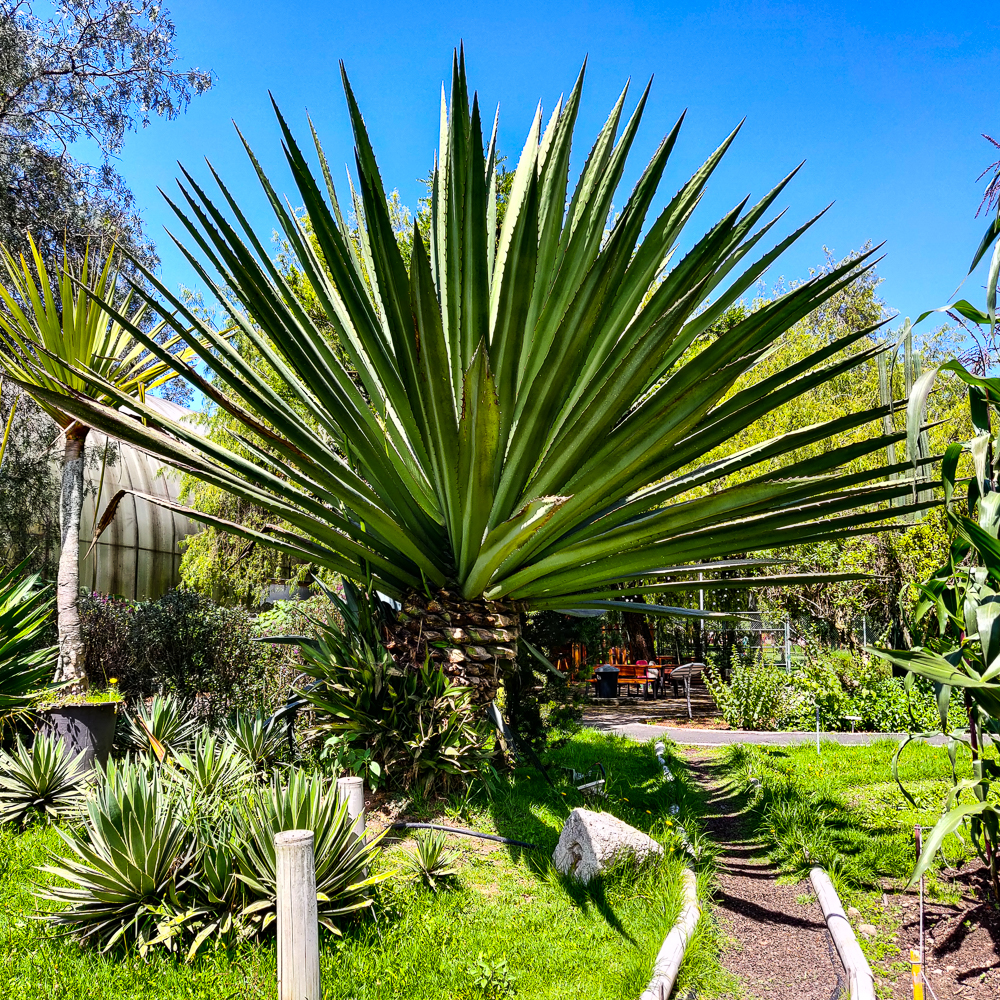
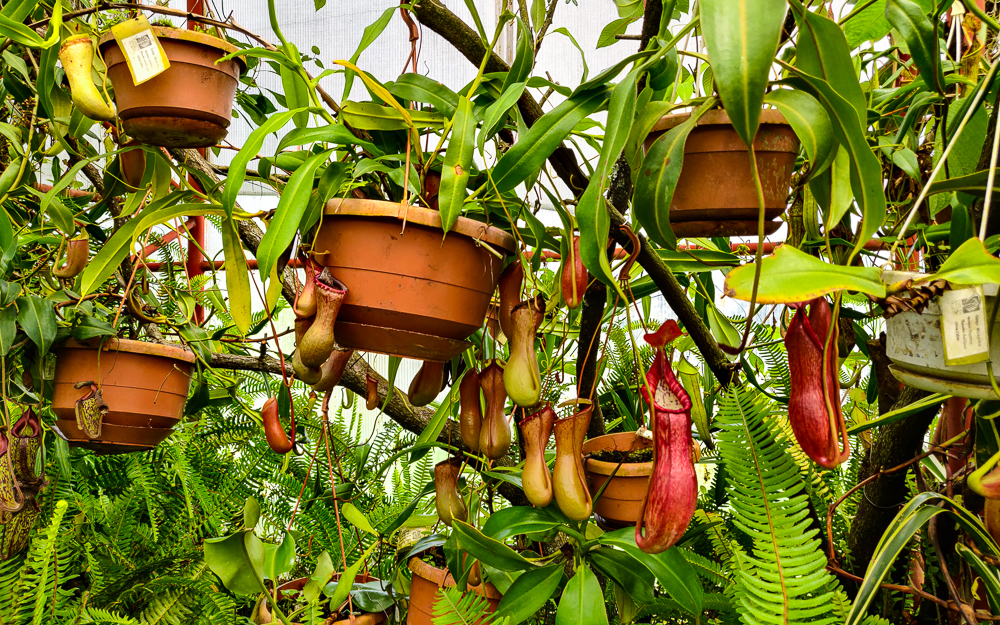
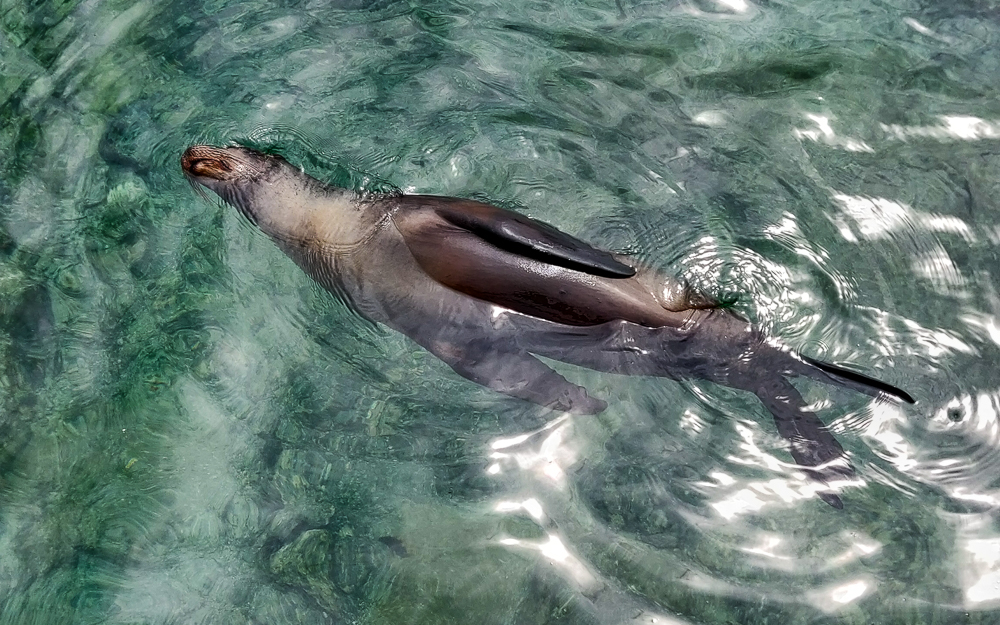
OH HEY, FLAMINGO!
So cool
Love. This.
Blue heron looking a bit sinister
So pretty!

We had a little time for swimming and snorkeling before the end of the tour, too. I didn’t take my camera with me, and even though there were some cool fish, I didn’t regret it because the water wasn’t very clear. You’ll just have to imagine.

After that, we headed back to Santa Cruz, and everyone was exhausted by the time we got back to the hotel. We did go on one more adventure that night… my aunt read that you can sometimes see sharks from the end of the pier because the lights illuminate the water, so we figured we might as well check it out (especially since I thought it might be good to see a shark from outside of the water to help me get over my paralyzing fear of them). We weren’t expecting much, but we actually did end up seeing a few!! They were maybe like 3 feet (1m) long, and it was hard to see because it was dark, but still, how cool! Enjoy my super clear photo… I promise it’s a shark.

Shark!!!

Related Posts

Española Island – check out more Galapagos birds, including the waved albatross and Nazca booby!

Welcome to the Galapagos – learn about the formation of the Galapagos Islands and a bit about their early human history.